What Temp Is Salmon Done In Oven For Perfect Results
The ideal internal temperature for salmon is 145°F (63°C), measured at the thickest part with a food thermometer. Baking salmon at 400°F to 425°F delivers crispy skin and tender flesh in just 12 to 20 minutes. This guide covers oven-baked salmon temperatures, timing, and pro tips for restaurant-quality results at home.
There is nothing quite like a beautiful piece of salmon fresh out of the oven. The skin is crispy, the flesh is pink and tender, and the whole kitchen smells amazing. But getting to that perfect point is a balancing act. Too hot for too long, and you end up with dry, chalky fish. Too low or too short, and you are left wondering if it is safe to eat.
If you have ever asked yourself, what temp is salmon done in oven, you are not alone. This is one of the most common questions home cooks face when preparing oven-baked salmon. The good news is that the answer is simpler than you might think. With the right temperature, a little patience, and a good thermometer, you can cook salmon that looks and tastes like it came from a fine restaurant.
In this guide, we will walk you through everything you need to know about baking salmon in the oven. We will cover the exact temperatures, cooking times, and techniques that guarantee perfect results every single time. Whether you are a beginner or a seasoned home chef, these tips will help you serve healthy salmon dinner that your whole family will love.
Key Takeaways
- Target Temperature: Salmon is done at an internal temperature of 145°F (63°C), measured with a food thermometer.
- Best Oven Setting: Bake salmon at 400°F to 425°F for optimal crispy skin and moist flesh.
- Cooking Time: A standard 1-inch fillet takes 12 to 15 minutes at 425°F.
- Avoid Overcooking: Pull salmon off the heat when it reaches 125°F to 130°F for a buttery, medium-rare finish.
- Use a Thermometer: A digital instant-read thermometer is the most reliable way to check salmon doneness.
- Rest the Fish: Let salmon rest for 3 to 5 minutes after baking to allow juices to redistribute.
- Skin Side Matters: Start skin-side down for crispy skin and even cooking throughout the fillet.
📑 Table of Contents
The Ideal Salmon Oven Temperature
The most important factor in cooking salmon fillet in the oven is the temperature you set. Too high, and the outside burns before the inside is cooked through. Too low, and the fish dries out slowly over a long period. So what is the sweet spot?
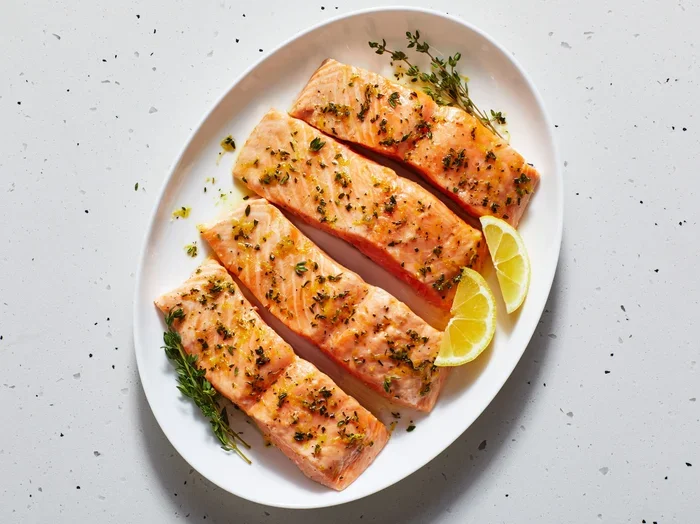
The standard recommendation for bake salmon is between 400°F and 425°F (200°C to 218°C). This range works beautifully for most fillets and cuts. At this temperature, the salmon skin becomes crispy while the inside stays moist and flaky. Most home cooks find 425°F to be the gold standard for a quick, reliable bake.
Why 425°F Works So Well
At 425°F, the oven delivers enough heat to crisp up the skin quickly. This high heat also creates a beautiful sear on the surface of the fish. Inside, the salmon internal temperature rises steadily without overcooking the outer layers. A standard 1-inch thick fillet will be done in about 12 to 15 minutes at this setting.
If you prefer a gentler cook, 400°F is an excellent alternative. It gives you a few extra minutes of flexibility, which is helpful if your fillet is thicker or if you are cooking multiple pieces at once. The cooking temperature for salmon ultimately depends on your oven, the thickness of your fish, and your personal preference for doneness.
Lower Temperature Options
Some cooks prefer to bake salmon fillet at lower temperatures, like 375°F or even 350°F. These settings work well for thicker cuts or whole salmon sides. The trade-off is longer cooking time, usually 20 to 30 minutes. Lower temperatures also reduce the risk of drying out the edges of the fish.
However, lower temperatures do not produce the same crispy skin effect. If you love that crackly, golden salmon skin, stick with the 400°F to 425°F range. For a healthy salmon dinner that is both juicy and flavorful, higher heat is your best friend.
How to Know When Salmon Is Done
Knowing when your oven-baked salmon is ready is just as important as setting the right oven temperature. There are several ways to check for doneness, and some methods are more reliable than others.
Use a Food Thermometer
The single best way to check salmon doneness is with a digital instant-read thermometer. Insert the probe into the thickest part of the fillet, about halfway through. The FDA recommends an internal temperature of 145°F (63°C) for fish. This is the safe, fully cooked temperature that most people follow.
But here is a secret from professional chefs. Many cooks pull salmon off the heat when it reaches 125°F to 130°F. This gives you a medium-rare salmon center that is buttery, translucent, and incredibly tender. The fish continues to cook slightly after you remove it from the oven, a process called carryover cooking. By the time you serve it, the internal temperature will have risen to the safe zone.
Visual and Touch Tests
If you do not have a thermometer, you can still check for doneness using visual cues. Fully cooked baked fish will be opaque pink throughout, with no translucent or raw-looking areas in the center. The flesh should flake easily when you press it gently with a fork.
Another trick is to check the texture with a fork. Gently press the top of the fillet. If it feels firm but still gives slightly, it is done. If it feels mushy or soft, it needs more time. If it feels very firm and dry, you may have overcooked it.
The Flake Test
The flake test is one of the oldest methods for checking fish doneness. Simply insert a fork into the thickest part of the salmon and twist gently. If the fish separates into clean, white flakes, it is done. If it still looks dense and refuses to flake, give it a few more minutes in the oven.
Keep in mind that the flake test is less precise than using a thermometer. It is easy to overcook the fish if you rely solely on this method. For the best results, combine visual checks with timing and temperature guidelines.
Step-by-Step Guide to Baking Salmon in the Oven
Now that you know the right salmon cooking temperature, let us walk through the actual process. Baking salmon in the oven is simple, but a few small steps make a big difference in the final result.
Step 1: Preheat Your Oven
Always preheat your oven before placing the salmon inside. Set it to 425°F for a standard fillet or 400°F for a thicker cut. Preheating ensures the oven is at the right temperature when the fish goes in, which leads to even cooking and better skin crisping.
Step 2: Prepare the Salmon
Take your salmon fillet out of the refrigerator about 10 to 15 minutes before cooking. Letting it come to room temperature helps it cook more evenly. Pat the fish dry with paper towels. This step is crucial for getting crispy skin.
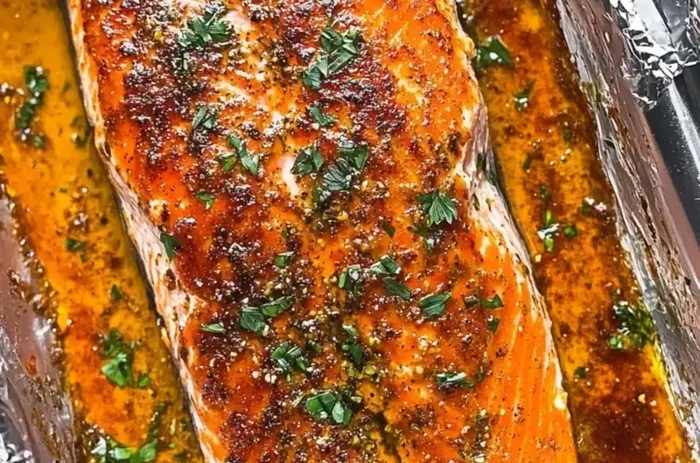
Place the fillet skin-side down on a lined baking sheet. If you prefer, you can add a light brush of olive oil, a sprinkle of salt, and some fresh herbs. Keep it simple for the best flavor. Over-seasoning can mask the natural taste of the fish.
Step 3: Bake at the Right Time
For a 1-inch thick fillet at 425°F, bake for 12 to 15 minutes. Thicker fillets may need up to 20 minutes. Thinner pieces or salmon steaks might be done in as little as 8 to 10 minutes.
Start checking the internal temperature at the minimum time. Remember, you can always put it back in for a few more minutes, but you cannot undo overcooked salmon.
Step 4: Rest the Salmon
Once your salmon internal temperature reaches your target, remove the fillet from the oven. Let it rest on the baking sheet for 3 to 5 minutes. During this time, the juices redistribute throughout the fish, making each bite moist and flavorful.
After resting, use a fork to gently check the flake. The fish should be tender, juicy, and easy to break apart. Serve immediately for the best taste and texture.
Quick Tips for Perfect Baking
- Always pat the salmon dry before placing it in the oven.
- Use parchment paper or a silicone baking mat to prevent sticking.
- Do not overcrowd the baking sheet. Leave space between fillets for even airflow.
- For extra crispy skin, brush the skin lightly with oil before baking.
- Add lemon slices or dill on top for a fresh, bright flavor boost.
Salmon Temperature by Thickness and Cut
Not all salmon cuts are the same. The thickness of your fillet or steak directly affects the cooking time and temperature you should use. Understanding this helps you avoid undercooked or overcooked fish.
Here is a helpful reference table for baking salmon in the oven based on thickness:
- Thin fillets (½ inch): Bake at 425°F for 8 to 10 minutes. These delicate pieces cook quickly and can dry out fast, so watch them closely.
- Standard fillets (1 inch): Bake at 425°F for 12 to 15 minutes. This is the most common cut and the easiest to get right.
- Thick fillets (1.5 inches): Bake at 400°F for 18 to 22 minutes. The lower temperature gives the center more time to cook without burning the edges.
- Salmon steaks (1 to 1.5 inches): Bake at 425°F for 15 to 20 minutes. Steaks hold up well to higher heat and develop a great crust.
- Whole salmon side: Bake at 375°F for 25 to 35 minutes. A larger piece needs lower, slower heat for even cooking throughout.
These times are guidelines. Always use a food thermometer to confirm salmon doneness. Every oven is different, and the actual cooking time can vary based on your specific appliance and the starting temperature of the fish.
Common Mistakes When Baking Salmon
Even experienced cooks make mistakes when preparing oven-baked salmon. Knowing what to avoid saves you from dry, overcooked, or undercooked fish.
Skipping the Thermometer
The biggest mistake people make is guessing doneness. Without a food thermometer, you have no way to know the true internal temperature of the salmon. Invest in a good instant-read thermometer. It costs very little and takes the guesswork out of cooking fish entirely.
Starting with Cold Fish
Placing a cold salmon fillet straight into a hot oven causes uneven cooking. The outside cooks much faster than the inside, which can lead to a dried-out exterior and a raw center. Always let your salmon sit at room temperature for 10 to 15 minutes before baking.
Overcooking the Fish
Salmon continues to cook after you remove it from the oven. If you wait until the thermometer reads 145°F inside the oven, the final temperature after resting may be well above 150°F. That is the point where salmon starts to turn dry and chalky. Pull it off when it is 5 degrees below your target, and let carryover cooking do the rest.
Forgetting to Dry the Skin
If you want crispy salmon skin, you must dry the surface thoroughly. Moisture on the skin creates steam, which prevents crisping. Pat the fillet with paper towels before seasoning and placing it in the oven. This small step makes a huge difference in texture.
Using the Wrong Pan
Thin baking sheets can cause the edges of the salmon to overcook while the center is still underdone. Use a heavy-duty baking sheet or a cast iron skillet for more even heat distribution. A lined pan also makes cleanup much easier and prevents the fish from sticking.
Expert Tips for Restaurant-Quality Salmon
Want your baked salmon to taste like it came from a high-end restaurant? These expert tips will elevate your salmon recipe to the next level.
Brine Before Baking
Soaking your salmon fillet in a simple saltwater brine for 10 to 15 minutes before baking does wonders. The brine helps the fish retain moisture during cooking, resulting in a juicier, more flavorful result. Use about 1 tablespoon of kosher salt per cup of cold water.
Sear the Skin Side First
For the crispiest skin, start by searing the skin side in a hot skillet with a little oil for 2 to 3 minutes. Then transfer the skillet directly into a 425°F oven to finish cooking. This two-step method gives you restaurant-quality skin and perfectly cooked flesh every time.
Add Flavor with Glazes
A simple glaze adds incredible depth to oven-baked salmon. A mix of honey, soy sauce, garlic, and ginger brushed on during the last 5 minutes of baking creates a beautiful caramelized coating. Maple mustard glaze, teriyaki glaze, and lemon herb butter are all fantastic options for healthy salmon dinner.
Let the Salmon Rest
Do not skip the resting step. When you cut into hot salmon right out of the oven, the juices run out immediately, leaving the fish dry. Giving it a few minutes to rest keeps all those delicious juices locked inside. Your salmon cooking time includes this resting period, so factor it into your overall plan.
Store and Reheat Leftovers Properly
If you have leftover baked fish, store it in an airtight container in the refrigerator for up to 3 days. To reheat, use a low oven temperature of 275°F for about 10 minutes. This gentle reheating method prevents the salmon from drying out. Avoid microwaving, which tends to make the fish rubbery and tough.
Key Takeaways
- Target Temperature: Salmon is done at an internal temperature of 145°F (63°C), measured with a food thermometer.
- Best Oven Setting: Bake salmon at 400°F to 425°F for optimal crispy skin and moist flesh.
- Cooking Time: A standard 1-inch fillet takes 12 to 15 minutes at 425°F.
- Avoid Overcooking: Pull salmon off the heat when it reaches 125°F to 130°F for a buttery, medium-rare finish.
- Use a Thermometer: A digital instant-read thermometer is the most reliable way to check salmon doneness.
- Rest the Fish: Let salmon rest for 3 to 5 minutes after baking to allow juices to redistribute.
- Skin Side Matters: Start skin-side down for crispy skin and even cooking throughout the fillet.
Frequently Asked Questions
What is the safe internal temperature for salmon?
The FDA recommends cooking salmon to an internal temperature of 145°F (63°C). This ensures that any harmful bacteria are destroyed and the fish is safe to eat. Use a digital instant-read thermometer inserted into the thickest part of the fillet for the most accurate reading.
Can you eat salmon that is slightly pink in the middle?
Yes, many people prefer medium-rare salmon with a slightly pink center. When the internal temperature reaches 125°F to 130°F, the fish is safe to eat and has a wonderfully tender, buttery texture. Just remember that carryover cooking will raise the temperature a few more degrees after you remove it from the oven.
How long does it take to bake salmon at 400°F?
A standard 1-inch thick salmon fillet typically takes 12 to 15 minutes at 400°F. Thicker cuts may need up to 20 minutes. Always check the internal temperature rather than relying solely on the timer, as oven variations and fillet thickness can affect cooking time significantly.
Should you bake salmon with the skin on or off?
Baking salmon with the skin on is recommended for most cooks. The skin acts as a protective layer, keeping the flesh moist during cooking. It also becomes wonderfully crispy when baked at 425°F skin-side down. If you prefer not to eat the skin, you can remove it after baking, which is much easier than trying to remove it beforehand.
What is the best way to prevent dry salmon?
The key to moist oven-baked salmon is to not overcook it. Pull the fish off when it is 5 degrees below your target temperature and let carryover cooking finish the job. Brining the fillet for 10 to 15 minutes before baking also helps retain moisture. Using a food thermometer is the single best way to avoid dry, overcooked fish.
Can you bake frozen salmon in the oven?
Yes, you can bake frozen salmon fillet directly in the oven, but you will need to increase the cooking time by about 50 percent. Preheat the oven to 400°F, place the frozen fillet on a lined baking sheet, and bake for 20 to 25 minutes. Check the internal temperature to ensure it reaches at least 145°F throughout the fillet before serving.
Conclusion
Cooking salmon in the oven does not have to be stressful or intimidating. Once you know the right what temp is salmon done in oven, the process becomes simple and almost foolproof. Aim for an internal temperature of 145°F for fully cooked fish, or pull it at 125°F to 130°F for a juicy, medium-rare finish. Bake at 400°F to 425°F for crispy skin and tender flesh, and always use a food thermometer to check your work.
Remember to let your salmon rest after baking, dry the skin thoroughly for the best texture, and avoid the common mistakes that lead to dry, overcooked fish. With these tips and guidelines, you will serve healthy salmon dinner that is perfectly cooked every single time. Your family and guests will never know you are not a professional chef.
Now that you have all the knowledge you need, it is time to put it into practice. Preheat your oven, grab a fresh salmon fillet, and enjoy the process of creating something truly delicious. Oven-baked salmon is one of the easiest and most rewarding meals you can make at home, and with the right temperature, every bite will be perfect.