How To Bake Homemade Pizza In The Oven Step By Step
Discover how to bake homemade pizza in the oven with our easy step-by-step guide. You will learn how to make pizza dough, choose the best toppings, and set the right oven temperature for a crispy crust. Whether you are a beginner or a seasoned home cook, this guide covers everything you need to make delicious pizza at home.
There is nothing quite like pulling a hot, bubbling pizza out of your own oven. The smell of melted cheese, the crunch of a golden crust, and the satisfaction of knowing you made it all yourself. If you have ever wondered how to bake homemade pizza in the oven, you are in the right place.
This guide walks you through every single step. From mixing the dough to sliding that beautiful pie onto the oven rack, we have got you covered. You do not need a fancy wood-fired oven or a professional pizza oven to get amazing results. Your regular home oven works perfectly fine once you know the right techniques.
We will cover everything from the pizza dough recipe to the best oven temperature, from choosing toppings to baking times. By the end, you will feel confident enough to make pizza night a weekly tradition. Let us get started.
Key Takeaways
- Perfect dough matters: A good pizza dough recipe is the foundation of every great homemade pizza.
- Oven temperature is key: Baking at the highest heat your oven allows creates a crispy, restaurant-style crust.
- Preheating is non-negotiable: Always preheat your oven and pizza stone for the best results.
- Less is more with toppings: Overloading your pizza leads to a soggy crust instead of a crispy one.
- Timing makes the difference: Most homemade pizzas bake in just 8 to 12 minutes when the oven is hot enough.
- A pizza stone or steel makes a huge impact: These tools mimic a professional pizza oven and improve crust quality.
- Experiment and have fun: Once you master the basics, you can customize your pizza with any toppings you love.
📑 Table of Contents
- Why Bake Homemade Pizza In The Oven?
- How To Make Homemade Pizza Dough
- Preparing Your Oven For Pizza Baking
- Shaping and Topping Your Homemade Pizza
- Baking Your Homemade Pizza
- Finishing Touches and Serving
- Tips for Perfect Pizza Every Time
- How To Bake Homemade Pizza In The Oven: Quick Reference
- Conclusion
Why Bake Homemade Pizza In The Oven?
Making pizza at home gives you complete control over what goes on your pie. You choose the flour, the sauce, the cheese, and every single topping. No mystery ingredients, no soggy delivery boxes, and no waiting for delivery drivers.
Baking pizza in the oven also saves money. A homemade pizza costs a fraction of what you pay at a restaurant. And the best part? The whole family can get involved. Kids love shaping dough and picking their favorite toppings. It becomes a fun activity, not just a meal.
Another big advantage is convenience. You do not need to step outside or fire up a grill. Your kitchen oven handles the job beautifully when you know the right settings and techniques. A pizza stone or pizza steel takes it to the next level, but even without one, you can bake amazing pizza.
How To Make Homemade Pizza Dough
The dough is the heart of every great pizza. A good pizza dough recipe sets the stage for a crispy, airy, delicious crust. Do not worry if you have never made dough before. The process is simpler than you think.
Here is what you need for a basic pizza dough recipe:
- 2 teaspoons of active dry yeast
- 1 cup of warm water (about 110°F)
- 2 ½ cups of all-purpose flour or bread flour
- 1 tablespoon of olive oil
- 1 teaspoon of salt
- 1 teaspoon of sugar
Step-by-Step Dough Instructions
Start by activating the yeast. Pour warm water into a bowl and stir in the sugar. Sprinkle the yeast on top and let it sit for about 5 to 10 minutes. You will know it is working when the mixture becomes foamy and bubbly.
Next, add the flour and salt. Pour in the olive oil. Mix everything together until a shaggy dough forms. Now comes the fun part. Place the dough on a floured surface and knead it for about 8 to 10 minutes. The dough should become smooth and elastic. It should not stick to your hands too much.
Place the dough in a lightly oiled bowl. Cover it with a damp towel or plastic wrap. Let it rise in a warm spot for 1 to 2 hours. The dough should double in size. This pizza dough rise step is crucial for getting that light, airy texture in your crust.
Once the dough has risen, punch it down and divide it into two or three portions, depending on how big you want your pizza. You can use the dough right away or store it in the fridge for up to 3 days. Cold dough actually works even better for pizza because it develops more flavor over time.
Preparing Your Oven For Pizza Baking
Setting up your oven correctly is one of the most important steps. The wrong temperature or rack position can ruin even the best pizza dough recipe. Take your time with this step.
Preheat to the Highest Temperature
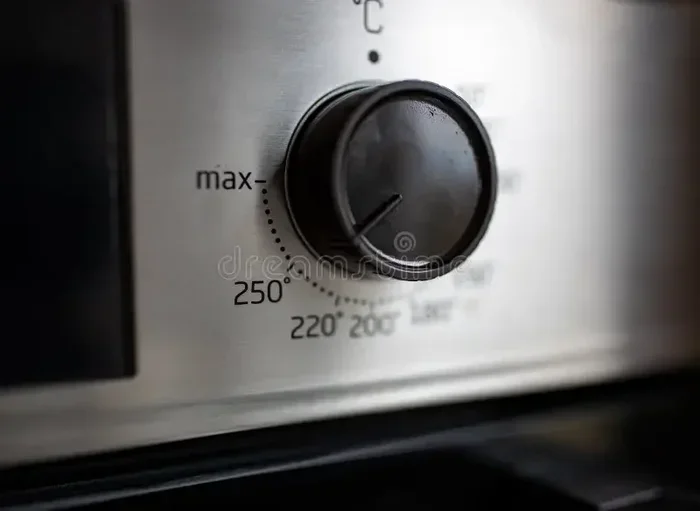
Most home ovens go up to 500°F or 550°F. That is perfect for baking pizza. Place your oven rack in the lower third of the oven. This positioning helps the bottom of the crust get crispy while the top cooks evenly.
Preheat the oven for at least 30 to 45 minutes. Many people make the mistake of not preheating long enough. A fully heated oven and a heated pizza stone make a massive difference in the final result. If you have a pizza stone or pizza steel, place it on the lower rack while the oven preheats.
Do You Need a Pizza Stone or Pizza Steel?
A pizza stone or pizza steel is not absolutely necessary, but it is highly recommended. These tools absorb moisture from the dough and create that crispy, restaurant-quality crust. A pizza steel conducts heat even faster than a stone and produces outstanding results.
If you do not have a pizza stone, you can use a flipped baking sheet. Just place it in the oven while preheating. It will not work quite as well, but it is a solid backup option. Some people even use a cast iron skillet on the stovetop and finish it under the broiler, which is another great technique.
Shaping and Topping Your Homemade Pizza
Now comes the creative part. Shaping and topping your pizza is where you can really let your personality shine. This is the step that makes homemade pizza so special compared to ordering delivery.
How to Shape the Dough
Flour your work surface well. Take one portion of dough and gently press it into a flat circle with your fingers. Start from the center and work your way outward. Leave a slightly thicker edge for the crust.
For a more authentic approach, pick up the dough and drape it over your fists. Let gravity stretch it gently. Rotate it slowly until you have your desired size. Do not use a rolling pin if you can avoid it. Rolling pins push out all the air bubbles that give pizza crust its light texture.
If the dough keeps springing back, let it rest for 5 to 10 minutes. Gluten needs time to relax. After a short rest, shaping becomes much easier.
Choosing the Best Toppings
The beauty of homemade pizza is that you control everything. Here are some popular topping ideas:
- Classic Margherita: Tomato sauce, fresh mozzarella, basil leaves, and a drizzle of olive oil.
- Pepperoni: Tomato sauce, mozzarella, and plenty of pepperoni slices.
- Veggie Supreme: Bell peppers, mushrooms, red onions, olives, and spinach.
- BBQ Chicken: BBQ sauce instead of tomato, grilled chicken, red onion, and cilantro.
- White Pizza: Ricotta, garlic, spinach, and mozzarella without tomato sauce.
Less is more when it comes to toppings. Too many toppings make the pizza soggy because the moisture cannot escape during pizza baking. Spread your sauce thinly and use a moderate amount of cheese. Let the crust breathe.
Assembling the Pizza
Dust a pizza peel or a flat baking sheet with flour or cornmeal. This prevents the dough from sticking. Place the shaped dough on the peel. Spread a thin layer of sauce, leaving a small border for the crust. Add cheese, then toppings, then a light sprinkle of olive oil.
Work quickly during assembly. The dough should not sit too long with wet toppings on it or it will become sticky and hard to slide into the oven.
Baking Your Homemade Pizza
This is the moment of truth. Now you get to see how all your hard work pays off with a beautifully baked pizza fresh from the oven.
Slide the Pizza Into the Oven
Open the oven and carefully slide the pizza off the peel and onto the preheated pizza stone or baking sheet. Work quickly and confidently. Hesitation leads to sticking. If you are using a baking sheet, you can simply place it directly on the oven rack.
Close the oven door and set a timer. Most homemade pizzas bake in 8 to 12 minutes at 500°F or higher. Watch the pizza closely after the 6-minute mark. You are looking for a golden-brown crust, bubbly cheese, and slightly charred edges.
Checking for Doneness
Every oven is different, so keep an eye on your pizza. The crust should look crisp and lightly browned. The cheese should be fully melted with some golden spots. The bottom of the crust should sound hollow when you lift the pizza with tongs or a spatula.
If the top is browning too fast but the bottom needs more time, move the rack up one position. If the bottom is not crispy enough, try placing the pizza directly on the oven rack for the last 1 to 2 minutes. This trick works wonders.
Common Pizza Baking Mistakes to Avoid
- Not preheating long enough: A cold stone or baking sheet leads to a soggy bottom.
- Overloading toppings: Too much moisture from vegetables or sauce makes the crust soft.
- Opening the oven too often: Every time you open the door, heat escapes and baking time increases.
- Using the wrong rack position: The top rack broils the top too fast while leaving the bottom undercooked.
- Skipping the cornmeal or flour on the peel: Your pizza will stick and tear when you try to slide it in.
Finishing Touches and Serving
Once your pizza comes out of the oven, let it cool for 2 to 3 minutes. This allows the cheese to set slightly and makes slicing much easier. Use a pizza cutter or a sharp knife to cut into even slices.
Fresh basil leaves, a drizzle of hot honey, or a sprinkle of red pepper flakes can elevate your pizza from great to unforgettable. These finishing touches add flavor and visual appeal.
Serve your homemade pizza immediately while it is hot and crispy. Pizza does not store well in the fridge because the crust loses its crunch. If you have leftovers, reheat them in a skillet on the stovetop rather than the microwave. This keeps the crust crispy instead of turning it chewy.
Tips for Perfect Pizza Every Time
Even experienced home pizza makers learn new tricks over time. Here are some expert tips that will help you improve with every batch:
- Use bread flour instead of all-purpose flour. Bread flour has more protein, which creates a chewier, more structured crust.
- Cold ferment your dough. Let the dough rise slowly in the fridge for 24 to 72 hours. This develops deeper flavor and better texture.
- Experiment with oven settings. Try using the convection setting for even heat distribution. Some ovens also have a pizza mode that adjusts temperature and fan speed.
- Invest in a pizza peel. A wooden or metal pizza peel makes it much easier to get the pizza in and out of the oven safely.
- Keep a spray bottle of water nearby. If your crust is browning too fast, a quick mist of water on the edges can slow down the browning.
- Make multiple pizzas at once. If your oven is large enough, bake two pizzas back to back. They make great party food and everyone loves watching them come out of the oven.
How To Bake Homemade Pizza In The Oven: Quick Reference
Here is a quick summary of the entire process for how to bake homemade pizza in the oven:
- Make the pizza dough and let it rise for 1 to 2 hours.
- Preheat your oven to the highest setting, ideally 500°F to 550°F, for at least 30 minutes.
- Place a pizza stone or baking sheet on the lower oven rack during preheating.
- Shape the dough into a round or rectangular base.
- Add sauce, cheese, and toppings sparingly.
- Slide the pizza onto the preheated stone or sheet.
- Bake for 8 to 12 minutes until the crust is golden and the cheese is bubbly.
- Remove, let it cool briefly, slice, and serve immediately.
Follow these steps and you will be making restaurant-quality pizza in your own kitchen. The more you practice, the better your results will get. Soon you will not even need to look at a recipe anymore.
Conclusion
Baking homemade pizza in the oven is one of the most rewarding things you can do in the kitchen. It combines creativity, skill, and the simple joy of eating something you made with your own hands. From the first step of mixing the pizza dough to the moment you pull that golden, bubbly pizza out of the oven, the process is genuinely satisfying.
You now know how to make great dough, set the right oven temperature, choose the best toppings, and bake to perfection. You understand why a pizza stone matters and what common mistakes to avoid. The key to great pizza is patience, practice, and not being afraid to experiment.
Start with a simple Margherita pizza and work your way up to more complex recipes. Invite friends over, make it a family event, or enjoy a quiet night in with your favorite pie. No matter how you slice it, homemade pizza beats delivery every single time. So fire up that oven and start baking today.
Frequently Asked Questions
What is the best oven temperature to bake homemade pizza?
The best temperature is the highest your oven can go, typically 500°F to 550°F. A hot oven mimics a professional pizza oven and gives you a crispy crust with perfectly melted cheese. Preheat for at least 30 minutes before baking.
Can I bake homemade pizza without a pizza stone?
Yes, you absolutely can. A flipped baking sheet works well as a substitute. Simply place it in the oven while preheating and slide your pizza onto it. While a pizza stone or pizza steel gives better results, a baking sheet still produces delicious homemade pizza.
How long does it take to bake homemade pizza in the oven?
Most homemade pizzas bake in 8 to 12 minutes at 500°F or higher. The exact time depends on your oven, the thickness of your crust, and how many toppings you use. Watch the pizza closely and look for a golden-brown crust and bubbly cheese.
Can I use store-bought pizza dough instead of making my own?
Absolutely. Store-bought pizza dough saves time and works perfectly well for homemade pizza. Look for refrigerated dough in the bakery or deli section of most grocery stores. Let it come to room temperature before shaping and topping.
Why is my homemade pizza crust soggy?
A soggy crust usually happens because the oven or pizza stone was not hot enough, or there were too many wet toppings. Make sure to preheat your oven and pizza stone for at least 30 minutes. Also, use a thin layer of sauce and avoid overloading with vegetables or cheese.
Can I freeze homemade pizza dough for later use?
Yes, you can freeze pizza dough for up to 3 months. After the dough has risen once, divide it into portions, wrap each tightly in plastic wrap, and place them in freezer bags. Thaw in the fridge overnight before using. This is a great way to have fresh dough ready whenever pizza night comes around.
=== CONCLUSION ===
Making homemade pizza in the oven is easier and more fun than most people think. With the right pizza dough recipe, proper oven temperature, and a little practice, you can create pizza that rivals your favorite pizzeria. The steps are simple, the ingredients are affordable, and the results are incredibly rewarding.
Remember to preheat your oven fully, use a pizza stone if you have one, keep toppings light, and bake at the highest heat possible. These small details make a huge difference in your final result. Now that you know how to bake homemade pizza in the oven, there is no reason not to try it this week.
Gather your ingredients, fire up the oven, and enjoy the process. Great pizza starts in your own kitchen. Happy baking!