Can You Put Greenpan In The Oven Everything You Need To Know
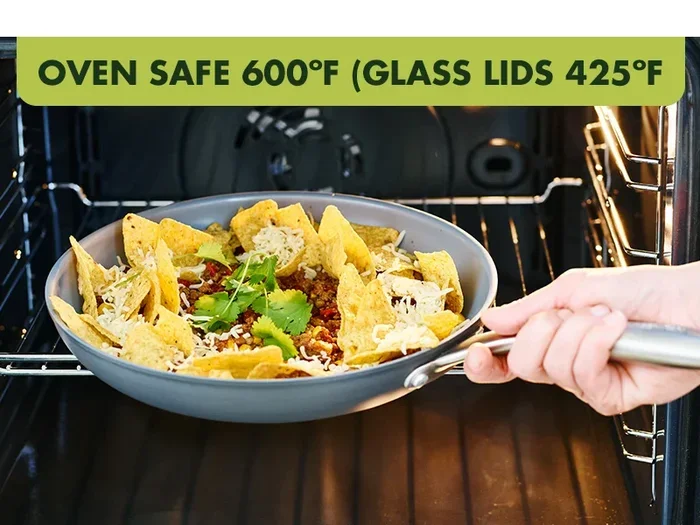
Yes, you can put Greenpan in the oven, but only up to certain temperature limits depending on the handle type and coating. Most Greenpan lines are safe up to 350°F to 450°F, and the ceramic titanium coating holds up well under moderate heat. Always check your specific model and avoid the broiler to keep your pan in great shape.
You just pulled out your favorite Greenpan to finish a recipe, and the instructions say “transfer to oven.” Your heart races a little. Can you put Greenpan in the oven without ruining it? The short answer is yes, but there are some important details you need to know first.
Greenpan cookware is loved for its ceramic nonstick coating and sleek design. But not every pan handles heat the same way. The oven-safe temperature, the type of handle, and the specific Greenpan line all play a role in whether your pan can go from stovetop to oven safely. This guide covers everything you need to know so you can cook with confidence and keep your investment protected.
Whether you own a Greenpan Paris, a Greenpan Valencia, or one of their newer collections, this article breaks down the facts in simple terms. No guesswork. No confusion. Just clear, practical advice that helps you use your cookware the right way every single time.
Key Takeaways
- Greenpan is generally oven safe: Most models handle temperatures between 350°F and 450°F, depending on the line and handle material.
- Handle type matters a lot: Stainless steel handles are oven safe, while silicone or phenolic handles have lower heat limits.
- Never use the broiler: Direct high heat can damage the nonstick coating and warp the pan.
- Avoid sudden temperature changes: Thermal shock can crack the ceramic coating and ruin the pan over time.
- Check your specific model: Different Greenpan collections have different oven-safe ratings, so always read the manual.
- Proper care extends life: Hand washing and using gentle utensils help maintain the nonstick surface for years.
- Use oven-safe lids separately: Not all Greenpan lids are oven safe, so verify before placing them in a hot oven.
📑 Table of Contents
- Can You Put Greenpan In The Oven
- Understanding Greenpan Cookware and Oven Safety
- Temperature Limits and Guidelines
- Which Greenpan Lines Are Oven Safe
- Common Mistakes to Avoid
- Tips for Caring for Your Greenpan
- Greenpan Oven Safety vs Other Brands
- Expert Insights on Using Greenpan in the Oven
- Key Takeaways
- Frequently Asked Questions
- Final Thoughts
Can You Put Greenpan In The Oven
The quick answer is yes, you can put Greenpan in the oven. But the full answer depends on a few factors that many people overlook. Not all Greenpan pans are created equal when it comes to heat resistance. Some handle high oven temperatures beautifully, while others need a gentler approach.
The ceramic titanium coating that Greenpan uses is designed to withstand moderate heat. This coating is different from traditional PTFE or Teflon coatings. It relies on a mineral-based formula that provides a natural nonstick surface without harmful chemicals like PFOA or PFAS. That makes it a popular choice for health-conscious cooks who still want easy food release.
However, the coating is not indestructible. Exposing it to extreme heat or sudden temperature changes can cause damage over time. This is why understanding your specific Greenpan model matters so much. When you know the limits, you get great results without worrying about ruining your pan.
Why Oven Safety Matters for Nonstick Cookware
Nonstick pans need special care in the oven. The coating that makes food release easily can break down under too much heat. When that happens, food starts sticking, and the pan loses its nonstick performance. Worse, a damaged coating can flake off into your food, which nobody wants.
Oven safety also involves the handle and the lid. Many people forget that the handle material can melt or become too hot to touch if it is not rated for high temperatures. The same goes for glass lids, which can shatter under extreme heat. So oven safety is really about the whole pan, not just the cooking surface.
Taking a few extra seconds to check the oven-safe rating before you slide your pan into a hot oven can save you a lot of headaches. It is one of those small habits that makes a big difference in the life of your cookware.
Understanding Greenpan Cookware and Oven Safety
To get the most out of your Greenpan, you need to understand what makes it oven safe. The construction, the coating, and the materials used in the handle and lid all contribute to how well the pan performs in a hot oven.
What Makes Greenpan Oven Safe
Greenpan uses a ceramic titanium coating that is applied to aluminum pans. Aluminum is an excellent heat conductor, which means it heats up quickly and distributes heat evenly. This is great for cooking on the stovetop, and it works well in the oven too.
The coating itself is what sets Greenpan apart. It is made from minerals like sand and is processed at high temperatures to create a hard, durable surface. This gives the pan its nonstick properties while remaining free of harmful chemicals. The coating can handle moderate oven temperatures, which is why Greenpan pans are considered oven safe for most home cooking needs.
The handle material is another key factor. Greenpan offers several handle types across its product lines. Some handles are made of stainless steel, which is highly heat resistant. Others use silicone or phenolic covers, which have lower heat tolerances. Always check what kind of handle your specific pan has before putting it in the oven.
Greenpan Oven Safe Temperature Guide
Most Greenpan lines are rated for oven temperatures between 350°F and 450°F. Here is a general breakdown of what to expect:
- Greenpan Paris collection: Oven safe up to 450°F. The stainless steel handle can handle high heat.
- Greenpan Valencia collection: Oven safe up to 350°F. The soft-touch handle has a lower heat limit.
- Greenpan OSSE collection: Oven safe up to 450°F. Features a stainless steel handle for durability.
- Greenpan Chatham collection: Oven safe up to 500°F. The stainless steel construction allows for higher heat tolerance.
These temperatures are for the oven only. They do not apply to the broiler, which produces direct, intense heat that can damage the coating. Always stay below the maximum temperature for your specific pan to keep it in good condition.
Temperature Limits and Guidelines
Temperature control is one of the most important aspects of using Greenpan in the oven. Going too high can ruin the coating, and going from cold to hot too quickly can cause thermal shock. Both scenarios shorten the life of your pan.
The Broiler Is a No-Go Zone
Here is a rule of thumb: if your Greenpan manual says it is oven safe, it does not mean it is broiler safe. The broiler produces direct, intense heat from above, which can cause the coating to bubble, discolor, or peel. It can also warp the aluminum body of the pan, making it unusable on a flat cooktop.
Even if your pan could theoretically handle the heat, the broiler is not worth the risk. The damage happens fast, and it is not covered under most warranties. Keep your Greenpan away from the broiler element at all times.
Preheating Your Greenpan for the Oven
Never preheat an empty Greenpan in the oven. Empty pans heat up too quickly, and the coating can degrade without food or liquid to absorb the heat. Always place food or liquid in the pan before putting it in a preheated oven.
If you are using the pan on the stovetop first and then transferring it to the oven, let it cool for a minute or two before placing it in a hot oven. This reduces the risk of thermal shock, which occurs when a cold pan meets a hot environment or vice versa. Thermal shock can cause the coating to crack and the pan to warp over time.
What Is Thermal Shock and Why Does It Matter
Thermal shock happens when a pan is exposed to a sudden and extreme change in temperature. For example, taking a cold Greenpan straight from the fridge and placing it in a 400°F oven. The rapid expansion and contraction of the metal can cause the coating to crack and the pan to deform.
This is a common mistake that many home cooks make without realizing it. To avoid thermal shock, always let your Greenpan come to room temperature before exposing it to high heat. If you need to cool a hot pan quickly, place it on a wooden or silicone mat rather than a cold countertop.
Which Greenpan Lines Are Oven Safe
Greenpan offers a wide range of cookware collections, and each one has its own oven-safe specifications. Here is a closer look at the most popular lines and how they perform in the oven.
Greenpan Paris Collection
The Paris collection is one of Greenpan’s most popular lines. These pans feature a stainless steel handle that is oven safe up to 450°F. The ceramic titanium coating provides excellent nonstick performance, and the aluminum construction ensures even heat distribution.
The Paris collection also includes a glass lid, which is oven safe up to 350°F. If you plan to use the lid in the oven, keep the temperature below this limit. For higher temperatures, remove the lid and use foil to cover the pan instead.
Greenpan Valencia Collection
The Valencia collection is a great entry-level option for Greenpan users. These pans have a soft-touch handle that is oven safe up to 350°F. The ceramic coating is the same high-quality formula used in other Greenpan lines, so you still get excellent food release and easy cleanup.
Because of the lower heat limit, Valencia pans work best for recipes that require moderate oven temperatures. They are perfect for dishes like frittatas, baked eggs, and casseroles that cook at or below 350°F.
Greenpan OSSE Collection
The OSSE collection is designed for higher heat cooking. These pans are oven safe up to 450°F and feature a stainless steel handle that stays cool on the stovetop and holds up well in the oven. The ceramic coating is reinforced for extra durability, making these pans a great choice for frequent oven use.
OSSE pans are slightly heavier than other Greenpan lines, which helps with heat retention. If you bake or roast regularly, this extra weight can be a real advantage.
Greenpan Chatham Collection
The Chatham collection is Greenpan’s premium line for high-heat cooking. These pans are oven safe up to 500°F, making them suitable for roasting, broiling-adjacent cooking, and other high-temperature applications. The stainless steel handle and base provide excellent heat resistance and durability.
Chatham pans use a ceramic titanium coating that is reinforced for long-lasting performance. They are a great investment if you frequently use your Greenpan in the oven and want a pan that can handle the heat without sacrificing its nonstick properties.
Common Mistakes to Avoid
Even experienced cooks make mistakes when using nonstick pans in the oven. Here are the most common errors and how to avoid them.
Using Cooking Spray on Greenpan
Cooking sprays like Pam or Crisco leave a residue that builds up on the ceramic coating over time. This residue creates a sticky layer that is hard to remove and can damage the nonstick surface. Instead of spray, use a small amount of oil or butter applied directly with a paper towel or brush.
This is one of the most common mistakes people make with Greenpan and other ceramic nonstick pans. The spray may seem harmless, but it causes real damage that shortens the life of your pan significantly.
Abrasive Utensils and Scrubbing
Never use metal utensils on Greenpan. They scratch the ceramic coating and create grooves where food can stick and bacteria can grow. Use wooden, silicone, or nylon utensils instead. When washing, avoid abrasive sponges and use a soft cloth or sponge with mild dish soap.
Hand washing is always the best method for Greenpan. While many models are labeled as dishwasher safe, the harsh detergents and high heat of a dishwasher can degrade the coating faster than hand washing over time.
Overheating an Empty Pan
Heating an empty Greenpan on the stovetop or in the oven can cause the coating to break down rapidly. The ceramic coating is designed to work with food or liquid acting as a buffer. Without that buffer, the coating can discolor, bubble, or peel.
Always add oil or food before heating the pan. If you accidentally overheat an empty pan, let it cool completely before using it again. Repeated overheating will permanently damage the nonstick surface.
Tips for Caring for Your Greenpan
Proper care is the secret to making your Greenpan last for years. With the right maintenance routine, you can enjoy the nonstick performance and keep your pan looking great through hundreds of uses.
Cleaning Best Practices
Wash your Greenpan by hand with warm water and mild dish soap. Let it soak for a few minutes if food is stuck, then gently wipe it clean with a soft sponge. Avoid steel wool, scouring pads, and harsh chemical cleaners, as these can scratch and damage the coating.
For tough residue, make a paste of baking soda and water. Apply it to the affected area, let it sit for 10 to 15 minutes, then wipe it away with a soft cloth. This gentle method removes buildup without harming the ceramic surface.
Storage and Handling
Store your Greenpan in a cool, dry place. If you stack pans, place a soft cloth or paper towel between them to prevent scratching. Avoid hanging pans by their handles, as this can cause the handle to loosen over time.
When handling your Greenpan in the oven, always use oven mitts. Even stainless steel handles can get hot during extended oven use. A good pair of silicone oven mitts gives you a secure grip and protects your hands from burns.
When to Replace Your Greenpan
Even with the best care, Greenpan pans do not last forever. Signs that it is time to replace your pan include a scratched or peeling coating, discoloration that does not come off, and food sticking consistently even when you use oil. A damaged coating can affect the taste of your food and may pose health concerns.
Most Greenpan pans last between three and five years with regular use and proper care. If you take good care of your pan, you may even get a few extra years out of it. But when the coating starts to fail, it is time for a replacement.
Greenpan Oven Safety vs Other Brands
How does Greenpan compare to other popular nonstick brands when it comes to oven safety? Here is a quick comparison of oven-safe temperatures across well-known cookware brands.
| Brand | Coating Type | Oven Safe Temp | Broiler Safe |
|---|---|---|---|
| Greenpan Paris | Ceramic titanium | 450°F | No |
| Greenpan Valencia | Ceramic titanium | 350°F | No |
| T-fal Ultimate | PTFE (Teflon) | 500°F | No |
| Calphalon Contemporary | PTFE (Teflon) | 450°F | No |
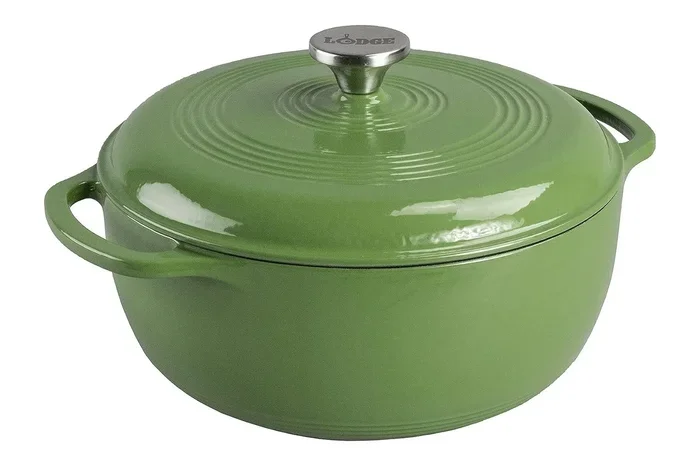
| Lodge Cast Iron | Seasoned iron | 500°F+ | Yes |
| Scanpan CTX | Ceramic titanium | 500°F | No |
As you can see, Greenpan holds up well compared to other ceramic nonstick brands. Its oven-safe temperatures are competitive, and the coating is free of harmful chemicals. However, cast iron pans like Lodge offer the highest heat tolerance and are the only option that can safely go under the broiler.
For most home cooks, Greenpan provides the perfect balance of nonstick convenience and oven safety. It is not the highest-heat option on the market, but it is more than sufficient for the vast majority of oven cooking tasks.
Expert Insights on Using Greenpan in the Oven
Professional chefs and cookware experts agree on a few key principles when it comes to using ceramic nonstick pans in the oven. Here are some insights from the experts.
Always read the manual. This sounds obvious, but many people skip it. Each Greenpan collection has specific oven-safe ratings, and the manual is the best place to find that information. Following the manufacturer’s guidelines ensures you get the best performance and avoid voiding your warranty.
Use the oven thermometer trick. Many home ovens run hotter or cooler than the dial says. An inexpensive oven thermometer can help you verify the actual temperature inside your oven. This is especially important for Greenpan, since staying within the recommended temperature range is key to preserving the coating.
Let the pan cool naturally. Never plunge a hot Greenpan into cold water. The sudden temperature change can warp the aluminum and damage the ceramic coating. Let the pan cool on a trivet or wooden board before washing or storing it.
Rotate your pans. If you use Greenpan regularly, rotate between two or more pans to give the coating time to recover between uses. This simple habit can significantly extend the life of your cookware.
Key Takeaways
- Greenpan is generally oven safe: Most models handle temperatures between 350°F and 450°F, depending on the handle material and collection.
- Handle type determines the limit: Stainless steel handles allow higher temperatures, while silicone or phenolic handles have lower limits.
- Never use the broiler: Direct high heat can damage the ceramic coating and warp the pan.
- Avoid sudden temperature changes: Let your pan cool gradually and never place a cold pan in a hot oven.
- Check your specific model: Different Greenpan lines have different oven-safe ratings, so always verify before use.
- Proper care extends life: Hand washing, using gentle utensils, and avoiding cooking spray all help maintain the nonstick surface.
- Replace when needed: A damaged coating affects cooking performance and food safety, so replace your pan when the coating starts to fail.
Frequently Asked Questions
Can you put Greenpan in the oven at 400 degrees?
Yes, most Greenpan lines can handle 400°F in the oven. The Paris, OSSE, and Chatham collections are all rated for 450°F or higher, so 400°F is well within the safe range. Just make sure your specific model has a stainless steel or heat-resistant handle before placing it in the oven.
Is Greenpan oven safe without the lid?
Yes, Greenpan pans are oven safe without the lid. In fact, most Greenpan glass lids are only rated for 350°F, so removing the lid allows you to use higher oven temperatures safely. If you need to cover the pan at higher temperatures, use a piece of aluminum foil instead.
How long does Greenpan last in the oven with regular use?
With proper care and regular oven use, a Greenpan can last between three and five years. Avoiding the broiler, using gentle cleaning methods, and staying within the recommended temperature limits all help extend the life of the pan significantly.
Can you put a Greenpan in the dishwasher?
Many Greenpan models are labeled as dishwasher safe, but hand washing is always recommended. The harsh detergents and high heat of a dishwasher can gradually degrade the ceramic coating. Hand washing with mild soap and a soft sponge keeps the nonstick surface in the best condition for longer.
Why did my Greenpan warp in the oven?
Warping usually happens when a pan is exposed to sudden temperature changes or used on a heat source that is too large for the pan base. Never place a cold Greenpan in a hot oven, and always match the pan size to the burner or oven heating element. If your pan has warped, it will not sit flat on the cooktop and should be replaced.
Is Greenpan coating safe when heated in the oven?
Yes, Greenpan’s ceramic titanium coating is safe when heated within the recommended temperature range. The coating is free of PFOA, PFAS, lead, and cadmium. It does not release harmful fumes when used properly. However, overheating the pan above its rated limit can break down the coating and reduce its safety and performance.
Final Thoughts
So, can you put Greenpan in the oven? Absolutely. With the right knowledge and a little care, your Greenpan can go from stovetop to oven without any issues. The key is understanding your specific model’s temperature limits, avoiding the broiler, and preventing sudden temperature changes.
Greenpan offers a great combination of nonstick performance, healthy cooking, and oven versatility. Whether you are roasting vegetables, baking a frittata, or finishing a steak in the oven, your Greenpan can handle the job. Just remember to check the oven-safe rating, use oven mitts, and give your pan the care it deserves.
By following the tips in this guide, you will get the best performance out of your Greenpan for years to come. Cook with confidence, enjoy your meals, and let your Greenpan be a trusted companion in your kitchen every single day.