What Is A Dutch Oven Mean And Why Every Kitchen Needs One
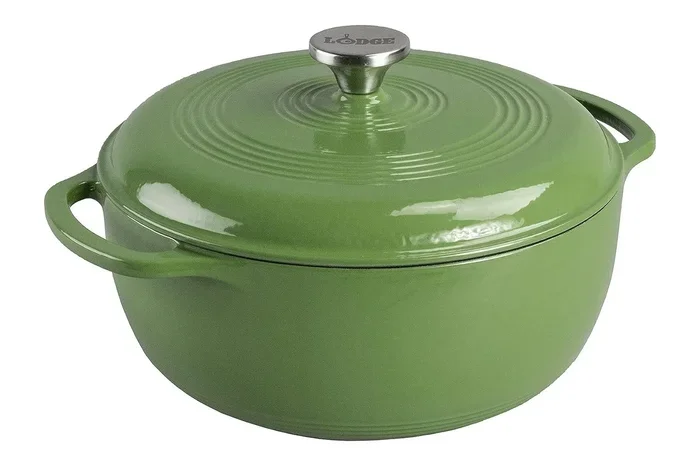
A dutch oven is a heavy, thick-walled cooking pot with a tight-fitting lid, made from cast iron or enameled steel. It is one of the most versatile tools you can own because it handles braising, baking, slow cooking, and even frying with ease. The dutch oven meaning centers on its ability to trap and distribute heat evenly, making it perfect for soups, stews, and bread. Whether you cook indoors or outdoors, this pot delivers consistent results every time. Understanding what a dutch oven means for your kitchen opens up a world of cooking possibilities.
Key Takeaways
- A dutch oven is a heavy, lidded cooking pot designed for even heat distribution and long, slow cooking.
- It comes in two main types: seasoned cast iron and enameled cast iron, each with unique benefits.
- The dutch oven meaning goes beyond one use, as it works for braising, baking, frying, and camping.
- Every kitchen benefits from a dutch oven because it replaces multiple pots and pans with one reliable tool.
- Proper care and maintenance ensure your dutch oven lasts for decades or even generations.
- Choosing the right size and material depends on your cooking style and household needs.
📑 Table of Contents
- What Is A Dutch Oven Mean? A Simple Definition
- The History Behind The Dutch Oven
- Types Of Dutch Ovens You Can Buy
- Why Every Kitchen Needs A Dutch Oven
- Dutch Oven Cooking Tips For Beginners
- Dutch Oven Maintenance And Care
- Popular Dutch Oven Recipes To Try At Home
- Dutch Oven Vs Other Cookware
- Final Thoughts On The Dutch Oven Meaning
What Is A Dutch Oven Mean? A Simple Definition
So, what is a dutch oven mean exactly? At its core, a dutch oven is a thick, heavy cooking pot with a snug-fitting lid. It is usually made from cast iron or enameled cast iron. The design traps heat and moisture inside, which makes it perfect for slow-cooked meals.
The dutch oven meaning has stayed pretty much the same for centuries. People have used these pots to cook hearty meals over open flames, in ovens, and on stovetops. Today, they are a staple in kitchens all around the world.
When you hear someone talk about a dutch oven, they are usually referring to this specific type of heavy pot. It is not a fancy gadget or a single-use tool. It is a workhorse that does a little bit of everything.
If you are new to cooking or a seasoned pro, a dutch oven belongs in your kitchen. It simplifies cooking and delivers amazing results. That is why understanding the dutch oven meaning matters so much.
The History Behind The Dutch Oven
The dutch oven has a rich history that goes back hundreds of years. The name itself comes from a type of pot that was popular in the Netherlands during the 1700s. These early pots were made from cast iron and had smooth, rounded interiors.
Abraham Darby, an English inventor, improved the design after visiting the Netherlands. He brought back the casting techniques and helped popularize the pot in England and America. Over time, the dutch oven became a household name in kitchens across the world.
How It Evolved Over Time
The original dutch oven was a simple cast iron pot with three short legs and a flat lid. The legs kept the pot above the hot coals when cooking over a fire. The flat lid held coals on top, which allowed heat to surround the food evenly.
Today, dutch ovens come in many shapes and sizes. Some still have legs for campfire cooking, while others are designed for stovetop and oven use. The enameled versions appeared in the 20th century and added a splash of color and easier cleaning.
The basic concept has not changed, though. A dutch oven still works by trapping heat and circulating it around the food. This is what makes it so effective for slow cooking and braising.
Types Of Dutch Ovens You Can Buy
Not all dutch ovens are the same. There are two main types that you will find in stores. Each one has its own strengths and weaknesses. Knowing the differences helps you choose the right one for your needs.
Seasoned Cast Iron Dutch Oven
This is the classic dutch oven. It is made from raw cast iron and comes pre-seasoned or unseasoned. The seasoning is a layer of polymerized oil that creates a natural nonstick surface.
Seasoned cast iron dutch ovens are incredibly durable. With proper care, they can last for generations. They work great on the stovetop, in the oven, and over a campfire.
The downside is that they require more maintenance. You need to season them regularly and avoid soaking them in water. But many cooks love the natural nonstick feel that develops over time.
Enameled Cast Iron Dutch Oven
An enameled dutch oven has a glass-like coating on the inside and outside. This coating eliminates the need for seasoning and makes cleaning much easier.
Brands like Le Creuset and Staub popularized this style. They come in beautiful colors and look stunning on the dinner table. You can serve food right in the pot, which saves you from using extra dishes.
Enameled dutch ovens are heavier than their seasoned counterparts. They also cost more. But they are much easier to maintain and do not rust. For many home cooks, the convenience is well worth the price.
Comparison Table
| Feature | Seasoned Cast Iron | Enameled Cast Iron |
|---|---|---|
| Price Range | Budget-friendly | Mid to high range |
| Maintenance | Requires regular seasoning | Easy to clean, no seasoning |
| Durability | Lasts generations | Lasts many years |
| Weight | Very heavy | Heavy |
| Color Options | Limited (natural iron) | Wide range of colors |
| Best For | Traditional cooking, camping | Everyday kitchen use |
Why Every Kitchen Needs A Dutch Oven
Still not sure why a dutch oven is a must-have? Let us break it down. This single pot can do the job of several other cookware pieces. It is one of the best investments you can make for your kitchen.
Versatility Is The Biggest Advantage
The dutch oven meaning includes versatility above all else. You can use it to sear meat, simmer soups, bake bread, and even fry chicken. One pot handles so many different cooking methods.
Here are some of the things you can make in a dutch oven:
- Soups and stews — The heavy walls keep a steady simmer for hours.
- Baked bread — The lid traps steam, which creates a crispy crust and soft interior.
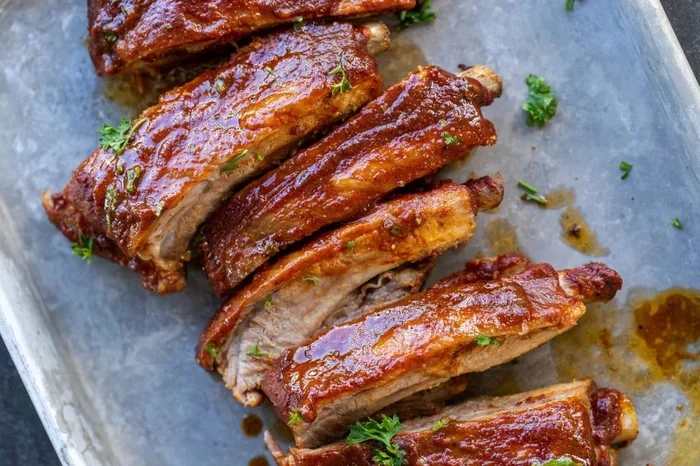
- Braised meats — Pork shoulder, beef short ribs, and lamb shanks come out tender every time.
- Deep-fried foods — The heavy cast iron holds oil at a stable temperature.
- Casseroles and one-pot meals — Perfect for busy weeknights when you want minimal cleanup.
- Campfire cooking — Dutch ovens are perfect for outdoor cooking over coals or wood.
When you own a dutch oven, you can cook almost anything. That is what makes it so valuable in the kitchen.
Heat Retention And Distribution
One of the main reasons a dutch oven works so well is its heat retention. Cast iron takes longer to heat up, but it holds heat incredibly well. Once hot, it distributes that heat evenly across the entire surface.
This means no hot spots. Your food cooks evenly from edge to center. The tight-fitting lid also traps moisture, which keeps dishes tender and flavorful.
For slow-cooked recipes, this is a game-changer. You do not need to constantly stir or monitor the temperature. Just set it and let the dutch oven do its work.
Saves You Time And Effort
A dutch oven makes cooking easier in many ways. Because it retains heat so well, you can cook at lower temperatures for longer periods. This means less energy use and lower utility bills.
One-pot meals are another time-saver. You can brown meat, add vegetables, pour in broth, and let everything cook together. Then you only have one pot to wash. That alone is a huge win for busy home cooks.
Dutch Oven Cooking Tips For Beginners
If you are new to using a dutch oven, a few tips can make a big difference. These simple tricks help you get the most out of your pot from day one.
Preheat Your Dutch Oven
Always preheat your dutch oven before adding food. Place it on the stove or in the oven while it warms up slowly. This prevents food from sticking and ensures even cooking.
For cast iron, preheating takes about 5 to 10 minutes on medium heat. Enameled dutch ovens also need a few minutes to warm up. Never crank the heat to high right away, as this can damage the pot.
Use The Right Size
Dutch ovens come in several sizes, from small 2-quart pots to large 8-quart models. Choosing the right size matters for your cooking needs.
- 2 to 3 quarts — Great for side dishes, small soups, and dips.
- 4 to 5 quarts — The most popular size for everyday cooking and family meals.
- 6 to 8 quarts — Perfect for large batches, brisket, whole chickens, and big stews.
Most home cooks do best with a 5 or 6-quart dutch oven. It handles almost everything without being too bulky to store.
Layer Flavors Properly
Because dutch oven cooking often involves long simmer times, layering flavors is essential. Start by browning your meat first. This creates a rich fond on the bottom of the pot that adds deep flavor to your dish.
Next, sauté your onions, garlic, and vegetables in the same pot. Deglaze with wine, broth, or tomatoes to lift all those flavorful bits off the bottom. Then add your remaining ingredients and let the pot work its magic.
Do Not Skip The Resting Step
When you finish cooking, let your food rest for a few minutes before serving. This is especially important for braised meats. The juices redistribute, and the final result is much more tender and flavorful.
Dutch Oven Maintenance And Care
Taking care of your dutch oven ensures it lasts a lifetime or longer. The maintenance routine differs slightly depending on the material.
Caring For Seasoned Cast Iron
Seasoned cast iron dutch ovens need a little extra attention. Never put them in the dishwasher. The harsh detergents strip away the seasoning and can cause rust.
Instead, clean your pot with hot water and a stiff brush. For stuck-on food, add a little coarse salt and scrub gently. After washing, dry the pot completely over low heat on the stove.
Then rub a thin layer of oil inside the pot to maintain the seasoning. Store it in a dry place with the lid slightly ajar to allow air circulation.
Caring For Enameled Dutch Ovens
Enameled dutch ovens are much easier to care for. You can wash them with warm soapy water and a soft sponge. Most brands are now dishwasher-safe, though hand washing is gentler.
Avoid thermal shock, which happens when you move a hot pot directly into cold water. This can crack the enamel. Always let the pot cool down before washing it.
If food sticks to the enamel, soak the pot in warm water for 15 to 30 minutes. This softens the residue and makes cleaning much easier.
Popular Dutch Oven Recipes To Try At Home
Once you have your dutch oven, the real fun begins. Here are a few classic recipes that showcase the dutch oven meaning in action.
Classic Beef Stew
Beef stew is the ultimate dutch oven recipe. Brown chunks of beef, then add potatoes, carrots, onions, and beef broth. Let it simmer on the stovetop or in the oven for a couple of hours. The result is a rich, hearty meal that the whole family will love.
No-Knead Dutch Oven Bread
This recipe became famous a few years ago, and for good reason. You mix flour, water, yeast, and salt, then let the dough rest overnight. The next day, you bake it in a preheated dutch oven. The lid traps steam, which creates a beautiful crust with a soft, airy crumb inside.
One-Pot Chicken And Rice
Sear chicken thighs, add rice, broth, and vegetables, then cover and cook until everything is tender. This is a complete meal in one pot with very little cleanup. It is perfect for busy weeknights when you want something warm and comforting.
Dutch Oven Vs Other Cookware
How does a dutch oven compare to other popular pots and pans? Let us look at a few common comparisons.
Dutch Oven Vs Slow Cooker
A slow cooker and a dutch oven serve similar purposes, but they work differently. A slow cooker uses electricity and a heating element to cook food slowly over several hours. A dutch oven uses your oven or stovetop as the heat source.
The dutch oven offers more control over temperature and browning. You can sear meat directly in the pot, which adds flavor that a slow cooker cannot match. Plus, a dutch oven works on the stovetop, in the oven, and outdoors.
Dutch Oven Vs Regular Stockpot
A stockpot is tall and thin, designed mainly for boiling large amounts of liquid. A dutch oven is wider and heavier, which makes it better for braising and baking. The heavy lid on a dutch oven traps moisture, while a stockpot lid is usually loose-fitting.
For soups and stews, a dutch oven wins in flavor. For boiling pasta or blanching vegetables, a stockpot is more practical. Both have a place in the kitchen, but the dutch oven is far more versatile.
Final Thoughts On The Dutch Oven Meaning
So, what is a dutch oven mean to you? For home cooks, it means having a reliable, all-in-one pot that handles almost any recipe. For outdoor enthusiasts, it means a durable cooking vessel that works over an open fire.
The dutch oven meaning goes beyond just a type of pot. It represents a way of cooking that values patience, flavor, and simplicity. When you cook with a dutch oven, you embrace a timeless tradition that has fed families for centuries.
Whether you choose a seasoned cast iron model or a colorful enameled version, you are making a smart investment. A good dutch oven will serve you well for years to come. It will become your go-to pot for everything from weeknight dinners to special occasion meals.
Start with one pot, learn its quirks, and soon you will wonder how you ever cooked without it. That is the real dutch oven meaning — it is not just cookware, it is a kitchen companion that transforms the way you cook.
Frequently Asked Questions
What is the dutch oven meaning in cooking?
A dutch oven is a heavy, thick-walled cooking pot with a tight-fitting lid, typically made from cast iron or enameled cast iron. It is designed to distribute and retain heat evenly, making it perfect for slow cooking, braising, baking, and frying.
Can I use a dutch oven on a glass stovetop?
Yes, you can use a dutch oven on a glass stovetop, but you need to be careful. Lift the pot instead of sliding it to avoid scratching the surface. Enameled dutch ovens are gentler on glass stovetops than seasoned cast iron.
How do I choose the right size dutch oven?
The best size depends on your household and cooking habits. A 5 or 6-quart dutch oven works well for most families. Smaller pots are great for side dishes, while larger 8-quart pots are ideal for big batches or entertaining.
Is a dutch oven the same as a slow cooker?
No, they are not the same. A dutch oven uses your oven or stovetop as a heat source, while a slow cooker has its own built-in heating element. A dutch oven allows you to sear food on the stovetop before slow cooking, which adds more flavor.
How do I clean a dutch oven properly?
For seasoned cast iron, avoid soap and never put it in the dishwasher. Use hot water and a brush, then dry it completely and rub in a thin layer of oil. Enameled dutch ovens can be washed with warm soapy water and a soft sponge.
Can I bake bread in a dutch oven?
Absolutely! Baking bread in a dutch oven is one of the most popular uses for this pot. The lid traps steam, which creates a crispy crust and a soft, airy interior. No-knead bread recipes work especially well in a dutch oven.
=== CONCLUSION ===
Understanding what a dutch oven mean is the first step toward becoming a better home cook. This versatile pot handles braising, baking, stewing, and frying with ease. It is a kitchen essential that saves time, builds flavor, and brings people together around the table.
The dutch oven meaning is simple — it is a heavy, lidded pot that does it all. Whether you choose seasoned cast iron or enameled steel, you are adding a powerful tool to your cooking arsenal. Start with one recipe, experiment with different dishes, and you will quickly see why this pot has been a kitchen favorite for centuries.
So go ahead, pick up a dutch oven, and start cooking. Your kitchen — and your taste buds — will thank you.