How To Cook Baby Backs In The Oven For Juicy Results
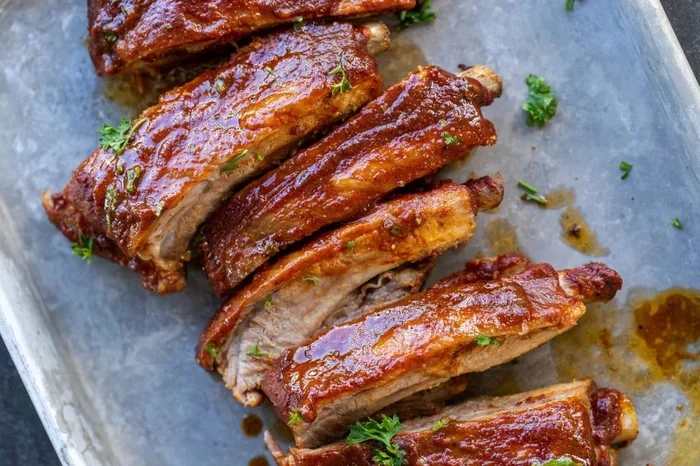
Learn how to cook baby backs in the oven for juicy, fall-off-the-bone ribs with this complete guide. You will discover the best oven temperature, timing, and prep techniques for perfect pork ribs every time. This article covers everything from selecting the right rack to applying BBQ sauce like a pro.
There is something truly special about pulling a rack of ribs out of the oven and seeing that perfect blush of smoke and sweetness. How To Cook Baby Backs In The Oven is a skill that every home cook should master. Whether you are feeding a crowd on Sunday or treating yourself to a weeknight dinner, oven baked ribs deliver results that rival any backyard smoker.
The beauty of how to cook baby backs in the oven lies in the simplicity. You do not need expensive equipment or years of experience. With the right rib rub, a steady oven temperature, and a little patience, you can achieve fall off the bone tender pork ribs right in your own kitchen. This guide walks you through every step so you get juicy results every single time.
We will cover everything from selecting the best rack of ribs to knowing exactly when they are done. You will learn about low and slow cooking, the benefits of wrapping in foil, and how to build a beautiful caramelized bark on your ribs. By the end, you will feel confident enough to make baking ribs a regular part of your meal rotation.
Key Takeaways
- Low and slow is the way to go: Cooking ribs at 275 to 300 degrees Fahrenheit ensures tender, juicy results every time.
- Remove the rib membrane: This simple step allows your rub and sauce to penetrate deeper for more flavor.
- Use a meat thermometer: Internal temperature of 195 to 205 degrees Fahrenheit means your ribs are perfectly done.
- The foil wrap method works wonders: Wrapping ribs in foil with apple cider vinegar steams them to tender perfection.
- Apply BBQ sauce at the right time: Wait until the final 30 to 45 minutes to avoid burning the sugar in your sauce.
- Let ribs rest before cutting: A 10 to 15 minute rest redistributes juices for a juicier bite.
📑 Table of Contents
- How To Cook Baby Backs In The Oven: What Makes It Work
- Choosing And Preparing Your Ribs
- The Best Oven Temperature And Timing Guide
- Wrapping, Resting, And Applying BBQ Sauce
- How To Tell When Your Ribs Are Perfectly Done
- Common Mistakes And How To Avoid Them
- Pro Tips For Juicy, Flavorful Ribs Every Time
- Comparison: Different Methods For Cooking Baby Back Ribs
- Conclusion
How To Cook Baby Backs In The Oven: What Makes It Work
Cooking baby back ribs in the oven is one of the most reliable methods for consistent results. Unlike grilling, where flare-ups and weather can throw things off, your oven provides a controlled environment. This means you can focus on flavor and texture without worrying about sudden temperature changes.
The low and slow approach is the foundation of great oven ribs. By keeping the heat moderate and the cooking time long, the collagen in the meat breaks down gently. This transforms tough connective tissue into gelatin, giving you that melt in your mouth quality everyone loves.
Why Oven Ribs Beat The Rest
Many people assume that only a smoker can produce smoke flavor and tender ribs. While smokers are wonderful, your oven can do more than you think. With a few simple tricks, you can get surprisingly authentic barbeque ribs at home.
- Consistent heat: Your oven maintains a steady temperature, which prevents uneven cooking.
- Convenience: You can cook ribs year round, regardless of the weather outside.
- Less monitoring: Oven ribs require less flipping and rotating than grill ribs.
- Easy cleanup: A roasting pan lined with foil makes post-cook cleanup a breeze.
When you how to cook baby backs in the oven using these principles, you set yourself up for real success. The controlled environment is your biggest advantage, so use it wisely. Think of your oven as a simplified smoker that gives you hands free cooking.
The Science Behind Tender Ribs
Understanding a little bit of cooking science helps you appreciate why how to cook baby backs in the oven works so well. Pork ribs are loaded with collagen, a tough protein that needs time and gentle heat to transform. When the internal temperature reaches around 160 to 180 degrees Fahrenheit, collagen starts breaking down into gelatin. This is what gives ribs their silky, juicy texture.
If you crank the heat too high, the muscle fibers contract too quickly. The meat squeezes out moisture and becomes tough and dry. That is why low and slow is not just a catchy phrase. It is the key to unlocking tender, flavorful bone in ribs that pull apart easily.
Expert Insight: Patience is the secret ingredient. Rushing the process is the number one mistake home cooks make when baking ribs. Give your ribs the time they need, and they will reward you.
Choosing And Preparing Your Ribs
The journey to perfect oven baked ribs starts at the grocery store or butcher shop. Not all racks are created equal, and knowing what to look for makes a huge difference in your final result.
What To Look For When Buying Ribs
When shopping for baby back ribs, look for meat that is pink and firm, not gray or slimy. The bones should be moist, not dried out. A good rack will have a thin layer of fat covering the meat, which helps keep things juicy during cooking.
Here are some quick tips for selecting the best rack of ribs:
- Check the meat thickness: Look for even coverage across the bones. Avoid racks where the meat is thin on one side.
- Feel for firmness: The meat should spring back when you press it gently.
- Look at the color: A light pink color indicates freshness. Avoid ribs with a brown or gray tint.
- Check the fat cap: A thin, even layer of fat helps render during cooking and adds flavor.
Size matters too. A full rack of baby back ribs typically has 13 ribs and weighs between 1.5 and 2.5 pounds. If you are cooking for fewer people, you can buy a half rack. This works great for trying out new rib rub recipes without committing to a full rack.
Removing The Rib Membrane
One step many beginners skip is removing the rib membrane. This thin layer on the back of the rack can be tough and chewy after cooking. Removing it allows your rib rub and BBQ sauce to penetrate the meat more effectively.
To remove the membrane, flip the rack so the bones face up. Use a butter knife to gently lift the membrane at one end. Once you have a grip, use a paper towel for traction and pull it off in one smooth motion. It might take a try or two, but once you get the hang of it, it becomes second nature.
The Best Oven Temperature And Timing Guide
Getting the oven temperature right is the most critical step in how to cook baby backs in the oven. Too hot and the outside burns before the inside is done. Too low and the ribs take forever and may dry out.
The Ideal Temperature For Oven Ribs
The sweet spot for oven baked ribs is 275 to 300 degrees Fahrenheit. This moderate heat allows the collagen to break down slowly without drying out the meat. At this oven temperature, a full rack of bone in ribs typically takes about 2.5 to 3.5 hours to cook through.
Here is a simple breakdown of timing based on your oven setting:
- 275 degrees Fahrenheit: About 3 to 3.5 hours. This is the most popular choice for low and slow cooking.
- 300 degrees Fahrenheit: About 2.5 to 3 hours. Slightly faster but still gentle on the meat.
- 325 degrees Fahrenheit: About 2 to 2.5 hours. A good option if you are short on time.
Using a meat thermometer is essential. You want the internal temperature of the meat to reach around 195 to 205 degrees Fahrenheit. At this range, the collagen has fully broken down, and the ribs will be tender and juicy.
Should You Use Foil
The great foil wrapped debate is a hot topic among rib enthusiasts. Wrapping ribs in foil partway through cooking is a technique borrowed from the famous 3-2-1 method used in smoking. The foil creates a mini steam chamber that braises the meat and speeds up tenderizing.
Here is how the 3-2-1 method works for oven ribs:
- First phase (3 hours): Cook the ribs unwrapped at 275 degrees Fahrenheit. This builds the caramelized bark on the outside.
- Second phase (2 hours): Wrap the ribs tightly in foil with a splash of apple cider vinegar or apple juice. This steams the meat and adds moisture.
- Third phase (1 hour): Unwrap the ribs and brush on your favorite BBQ sauce. This lets the sauce caramelize without steaming it off.
Not everyone likes the foil method. Some prefer to cook ribs completely unwrapped for a firmer texture and deeper bark. Both approaches work. Try each one and see which you prefer. The beauty of how to cook baby backs in the oven is that you can experiment freely.
Wrapping, Resting, And Applying BBQ Sauce
How you handle your ribs in the final stages of cooking has a big impact on the finished product. Rushing this part is a common mistake that costs you flavor and texture.
When And How To Wrap
If you are using the foil method, wrap the ribs after the first 2 to 3 hours of cooking. Use heavy duty foil and wrap tightly so no steam escapes. Add a small amount of liquid like apple cider vinegar or apple juice to create steam inside the foil packet.
The wrap does two important things. First, it traps moisture against the meat, preventing dryness. Second, it speeds up the tenderizing process by raising the internal temperature slightly. After two hours in the foil, your ribs should be falling apart with gentle pressure.
Resting Your Ribs
Resting is just as important as cooking. When you pull the ribs out of the oven, the juices inside the meat need time to redistribute. If you cut into them immediately, those juices will run all over the cutting board instead of staying in the meat.
Let your ribs rest for at least 10 to 15 minutes after cooking. Tent them loosely with foil to keep them warm. This resting time makes a noticeable difference in how juicy and easy to slice your ribs turn out.
Applying BBQ Sauce
Applying BBQ sauce too early is one of the most common rib cooking mistakes. The sugar in most sauces burns quickly at high temperatures, leaving a bitter, blackened layer on your ribs.
Wait until the final 30 to 45 minutes of cooking to apply your sauce. Brush it on generously during the unwrapped phase. This gives the sauce time to thicken and cling to the meat without burning. You can also apply a second layer right at the end for extra glaze and shine.
Quick Tip: If your BBQ sauce seems too thick, thin it slightly with a splash of apple cider vinegar before brushing. This helps it spread more evenly and penetrate the meat better.
How To Tell When Your Ribs Are Perfectly Done
Knowing when how to cook baby backs in the oven is complete can be tricky. Unlike chicken or steak, ribs do not have a clear visual cue that screams “done.” But there are several reliable methods you can use.
The Bend Test
The bend test is the most popular way to check for doneness. Using tongs, grab the rack of ribs from one end. If the ribs bend slightly and cracks form on the surface, they are done. If they bend without cracking, they need more time. If they do not bend at all, they are undercooked.
This test takes a little practice, but after a few batches, you will get a feel for it. The goal is a gentle bend, not a complete collapse. You want the ribs to hold together while showing those telltale surface cracks.
Using A Meat Thermometer
For a more precise approach, use a meat thermometer. Insert it into the thickest part of the meat, avoiding the bone. You are looking for an internal temperature between 195 and 205 degrees Fahrenheit. At this range, the collagen has fully converted to gelatin, giving you that fall off the bone texture.
The Toothpick Test
Another reliable method is the toothpick test. Insert a toothpick or skewer into the thickest part of the meat. If it slides in and out with almost no resistance, your ribs are done. If it meets resistance, give them more time.
Do not rely on just one method. Using two or three of these tests together gives you the most confidence that your ribs are perfectly cooked.
Common Mistakes And How To Avoid Them
Even experienced cooks make mistakes when baking ribs. Knowing what to avoid saves you time, money, and a lot of frustration.
Skipping The Membrane Removal
This is the number one mistake beginners make. That rib membrane may look harmless, but it becomes tough and chewy after cooking. Removing it is quick and easy, and it dramatically improves the eating experience. Do not skip this step.
Using Too Much Rub Or Sauce
More is not always better when it comes to rib rub and BBQ sauce. A thick layer of rub can burn and turn bitter. A heavy hand with sauce can mask the natural flavor of the pork. Apply rub and sauce evenly and moderately. Let the quality of the meat shine through.
Opening The Oven Door Too Often
Every time you open the oven door, you lose heat and extend the cooking time. Try to resist the urge to peek. Trust your timer and the meat thermometer. Opening the door too often can cause temperature swings that lead to unevenly cooked ribs.
Not Letting Ribs Rest
Cutting into ribs immediately after they come out of the oven is tempting but counterproductive. The resting time allows juices to redistribute throughout the meat. Skipping this step means your ribs may be juicier on the outside and drier on the inside.
Pro Tips For Juicy, Flavorful Ribs Every Time
Once you have the basics down, these pro tips will take your oven baked ribs from good to great. These small details make a big difference in flavor, texture, and presentation.
Use A Rack Inside Your Pan
Elevating the ribs on a wire rack inside your roasting pan allows hot air to circulate around the meat evenly. This prevents the bottom from getting soggy and promotes an even caramelized bark all around the rack.
Add Wood Chips For Extra Smoke
Want a deeper smoke flavor without a smoker? Soak wood chips in water for 30 minutes, then wrap them in foil with a few holes poked in the top. Place the foil packet on the oven floor during the first hour of cooking. This infuses your ribs with a subtle smoky aroma that elevates the entire dish.
Try Different Rib Rubs
Do not be afraid to experiment with your rib rub recipe. A classic brown sugar and paprika blend is always a winner, but you can also try spice-forward options with cumin, chipotle, or coffee grounds. The low and slow cooking time gives the rub plenty of opportunity to penetrate the meat and build deep flavor.
Keep A Cooking Journal
Every batch of ribs is a learning experience. Write down what you did: the oven temperature, the timing, the type of rub, and how the results turned out. Over time, you will develop your own perfect method for how to cook baby backs in the oven. This simple habit accelerates your progress and helps you repeat your best results.
Comparison: Different Methods For Cooking Baby Back Ribs
Not sure which method suits you best? Here is a quick comparison of the most popular approaches to cooking baby back ribs:
| Method | Time | Difficulty | Best For |
|---|---|---|---|
| Oven Baked (275F) | 3-3.5 hours | Easy | Consistent results, year-round cooking |
| Oven Baked (300F) | 2.5-3 hours | Easy | Faster cooking with good flavor |
| Grill (Indirect Heat) | 4-5 hours | Medium | Authentic smoky flavor |
| Smoker | 5-6 hours | Advanced | Deep smoke flavor and competition-quality ribs |
| Instant Pot | 1-2 hours | Easy | Quick cooking with tender results |
As you can see, how to cook baby backs in the oven offers a great balance of ease and quality. It is the most accessible method for home cooks who want delicious, fall off the bone ribs without investing in special equipment. Whether you are a beginner or a seasoned cook, the oven gives you reliable and repeatable results every time.
Conclusion
Mastering how to cook baby backs in the oven is one of the most rewarding skills you can add to your kitchen repertoire. With the right rib rub, a steady oven temperature, and a little patience, you can serve up fall off the bone tender pork ribs that will have everyone coming back for seconds.
Remember to start with quality bone in ribs, remove the membrane, and give your ribs the low and slow treatment they deserve. Whether you use the foil method or cook them completely unwrapped, the key is consistency and attention to detail. Let your ribs rest before slicing, apply your BBQ sauce at the right time, and always use a meat thermometer to check for doneness.
Now that you know the secrets to perfect oven baked ribs, it is time to put them into practice. Fire up your oven, grab a rack of baby back ribs, and enjoy the process. Great cooking is about more than just the final result. It is about the confidence you build with every batch. Happy cooking!
Frequently Asked Questions
What Is The Best Oven Temperature For Cooking Baby Back Ribs?
The ideal oven temperature for cooking baby back ribs is between 275 and 300 degrees Fahrenheit. This moderate heat allows the collagen to break down slowly, giving you tender, juicy fall off the bone ribs without drying them out.
How Long Does It Take To Cook Ribs In The Oven At 275 Degrees?
At 275 degrees Fahrenheit, a full rack of bone in ribs typically takes about 3 to 3.5 hours to cook through. The exact time depends on the thickness of the meat and whether you use the foil wrap method. Always check the internal temperature with a meat thermometer for the best results.
Should I Wrap My Ribs In Foil During Cooking?
Wrapping ribs in foil is optional but highly effective. The foil wrapped method traps moisture and speeds up tenderizing. Many cooks use the 3-2-1 method, which involves unwrapped cooking, foil wrapping with apple cider vinegar, and a final unwrapped phase with BBQ sauce.
How Do I Know When Ribs Are Done Without A Meat Thermometer?
You can use the bend test, where you lift the rack with tongs and look for cracks on the surface. The toothpick test is another option, where a skewer should slide in easily. However, a meat thermometer is the most reliable tool, with an internal temperature of 195 to 205 degrees Fahrenheit indicating perfectly done ribs.
Can I Cook Ribs The Day Before And Reheat Them?
Yes, you can absolutely cook ribs ahead of time and reheat them. Wrap the cooked ribs tightly in foil and store them in the refrigerator. Reheat at 250 degrees Fahrenheit until warmed through. This actually lets the flavors develop further, making your oven baked ribs even more delicious the next day.
What Is The Rib Membrane And Should I Remove It?
The rib membrane is a thin, translucent layer on the back of the rack. It becomes tough and chewy after cooking and blocks your rib rub from reaching the meat. Removing it is simple and makes a noticeable difference in both texture and flavor. Always peel it off before seasoning your pork ribs.