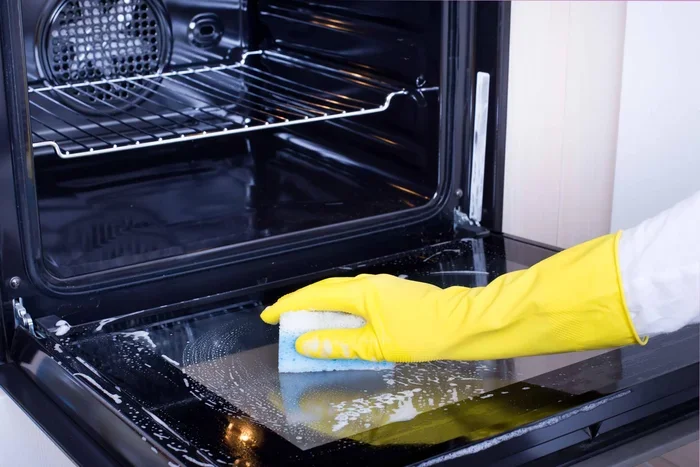
How To Burn Off Chemicals After Cleaning Oven Safely
Burning off chemicals after cleaning your oven is essential for safe cooking. Chemical residue from oven cleaners can linger and contaminate your food. This guide covers proven methods like the self-clean cycle, heat treatment, and natural deodorizing techniques. You will learn step-by-step safety tips, common mistakes to avoid, and how to ventilate your kitchen properly. By the end, you will know exactly how to make your oven safe and ready for your next meal.
You just finished cleaning your oven. The grime is gone. The shine is back. But there is something else lurking inside. Chemical residue from your oven cleaner is still sitting on the surfaces. This is a problem many homeowners face but rarely talk about. How to burn off chemicals after cleaning oven safely is a question that matters for your health and your food.
Using chemical oven cleaners is effective. They break down tough grease and baked-on food. But they leave behind traces that can be harmful. These residues can contaminate your food. They can release toxic fumes when heated. And they can affect the taste of anything you bake or roast. That is why burning off chemicals properly is not optional. It is a necessary step in oven cleaning safety.
This guide will walk you through every method you need. You will learn how heat treatment works. You will discover natural ways to oven deodorize after cleaning. You will also find out what mistakes to avoid. By the time you finish reading, you will feel confident. Your oven will be safe. Your kitchen will be fresh. And your next cooking session will be worry-free.
Key Takeaways
- Always ventilate your kitchen before and after burning off chemicals to remove toxic fumes safely.
- Use the self-clean cycle or a manual heat method to decompose chemical residue at high temperatures.
- Rinse and wipe thoroughly after heat treatment to remove any remaining cleaning product residue.
- Watch for warning signs like lingering chemical smell or smoke, which indicate incomplete residue removal.
- Choose non-toxic oven cleaners in the future to reduce the need for intense chemical burn-off sessions.
- Never use the oven for cooking until all chemical odors have completely disappeared.
- Regular maintenance prevents heavy buildup and makes future cleaning much easier.
📑 Table of Contents
- Why You Need to Burn Off Chemicals After Cleaning Your Oven
- How the Self-Clean Cycle Works for Chemical Removal
- Natural and Manual Methods to Bake Off Chemicals Safely
- Ventilation and Safety Precautions You Must Follow
- How to Know When Your Oven Is Safe to Use Again
- Preventing Chemical Buildup in the Future
- Conclusion
Why You Need to Burn Off Chemicals After Cleaning Your Oven
What Happens When You Skip This Step
It is tempting to close the oven door and start cooking right away. But doing so can cause real problems. Chemical cleaners contain strong ingredients. These include sodium hydroxide, lye, and other alkaline compounds. When you heat them up, they do not just disappear. They break down into fumes. These fumes can stick to your food. They can also settle on your oven racks and walls.
Skipping the burn-off step means you are essentially cooking with cleaner chemicals. That does not sound appetizing, does it? Even a small amount of chemical residue can affect the flavor of your meals. Worse, some residues can release toxic fumes at high temperatures. This is especially dangerous if you use your oven frequently.
The Health Risks of Chemical Residue
Exposure to oven cleaner fumes can cause several health issues. Short-term exposure may lead to headaches, nausea, and eye irritation. Long-term exposure can be even more concerning. Some chemicals are known to irritate the respiratory system. Children and pets are especially vulnerable. They breathe faster and are closer to the floor where fumes settle.
When it comes to food safety after cleaning, the stakes are high. Chemicals can leach into food during the first few cooking sessions after cleaning. This is why taking the time to burn off chemicals properly is so important. A little extra effort now protects your family’s health later.
Quick Tips
- Never cook immediately after using a chemical oven cleaner.
- Wait at least 30 minutes after heat treatment before using the oven.
- Keep pets and children away from the kitchen during the burn-off process.
- Use gloves and a mask when handling chemical cleaners.
How the Self-Clean Cycle Works for Chemical Removal
Understanding High-Heat Decomposition
Most modern ovens come with a self-clean feature. This function raises the oven temperature to extremely high levels. Typically, it reaches between 800 and 1000 degrees Fahrenheit. At these temperatures, organic matter turns to ash. But it also helps decompose chemical residues. The intense heat breaks down the cleaning product molecules. This process is called heat treatment.
The self-clean cycle is one of the most effective ways to bake off chemicals safely. It does not require any extra products. It uses the oven’s own heating elements. However, it does produce a lot of smoke and odor during the process. That is why proper kitchen ventilation is essential.
When to Use the Self-Clean Cycle
You should run the self-clean cycle after wiping out any visible cleaner residue. Do not run it on a heavily soiled oven right after applying cleaner. First, remove the loose residue with a damp cloth. Then place the oven racks inside. Close the door securely. Start the cycle and let it run its full course.
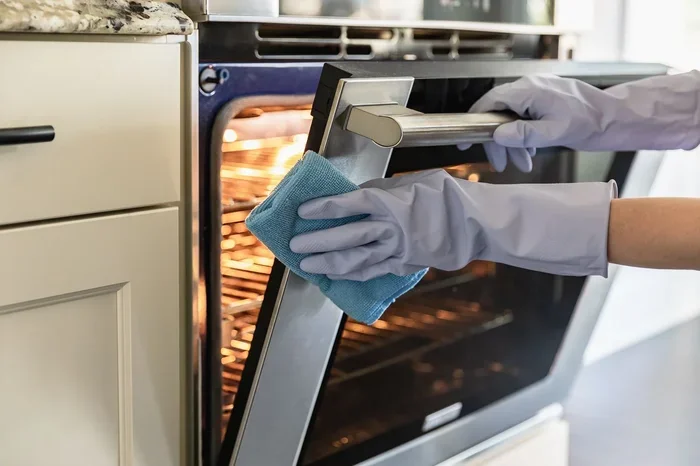
After the cycle ends, let the oven cool completely. Once cool, open the door and wipe inside with a damp cloth. You may notice a powdery ash-like residue. This is normal. It is what remains after the chemical burn off and heat decomposition. Wipe it away thoroughly.
Expert Insights
According to appliance safety experts, the self-clean cycle should only be used on ovens that are in good working condition. If your oven has damaged seals or malfunctioning parts, the extreme heat can cause further issues. Always inspect your oven before starting a self-clean cycle. And never leave the house while the cycle is running.
Natural and Manual Methods to Bake Off Chemicals Safely
The Water and Heat Method
If your oven does not have a self-clean feature, you can still burn off chemicals manually. The water and heat method is simple and effective. Start by filling a large oven-safe bowl with water. Add a cup of white vinegar to the water. Place the bowl on the bottom rack of the oven.
Set the oven to 400 degrees Fahrenheit. Let it run for about 30 minutes. The steam will help loosen any remaining cleaning product residue. The vinegar will also help neutralize odors. After 30 minutes, turn off the oven. Let it cool slightly before wiping everything down with a clean, damp cloth.
Using Vinegar and Baking Soda for Residue Removal
For stubborn residue, a vinegar and baking soda paste works wonders. Mix three tablespoons of baking soda with a small amount of water. Spread the paste on the oven walls and floor. Let it sit for 15 to 20 minutes. Then spray white vinegar over the paste. It will fizz and bubble. This reaction helps lift residue from the surfaces.
After the fizzing stops, wipe everything clean with a wet cloth. Rinse the cloth frequently. Repeat if needed. This method is gentle but effective. It is also one of the best ways to oven deodorize after a deep clean.
Lemon Heat Treatment
Another excellent natural method uses lemons. Cut two lemons in half. Squeeze the juice into a bowl of water. Place the lemon halves in the water too. Put the bowl on the oven rack. Heat the oven to 200 degrees Fahrenheit for 10 minutes. The citrus oils will help cut through any remaining chemical smell. They also leave a fresh, clean scent behind.
This method is perfect for light residue removal. It works best as a follow-up after heat treatment. It is also safe to use right before you start cooking. The lemon scent will not affect your food.
Comparison: Chemical Burn-Off Methods
| Method | Best For | Time Required | Effectiveness |
|---|---|---|---|
| Self-Clean Cycle | Heavy chemical residue | 2-4 hours | Very High |
| Water and Vinegar Steam | Light to moderate residue | 30-45 minutes | High |
| Baking Soda Paste | Stubborn spots and odors | 20-30 minutes | Moderate to High |
| Lemon Heat Treatment | Deodorizing and freshening | 10-15 minutes | Moderate |
| Manual High-Heat Wipe Down | Ovens without self-clean | 45-60 minutes | High |
Common Mistakes to Avoid
- Skipping the rinse step after heat treatment leaves residue behind.
- Using abrasive scrubbers on the oven interior after chemical cleaning can damage the surface.
- Running the self-clean cycle with cleaner still inside can create dangerous smoke.
- Not ventilating the room allows fumes to build up and spread throughout your home.
- Rushing the cooling process can cause burns and may not allow chemicals to fully decompose.
Ventilation and Safety Precautions You Must Follow
Opening Windows and Using Fans
Ventilation is the most important safety step during chemical burn off. Before you start any heat treatment, open all windows in your kitchen. Turn on the exhaust fan if you have one. If you do not have an exhaust fan, place a portable fan facing the open window. This creates airflow that pushes fumes outside.
Keep the windows open for at least 30 minutes after the heat treatment ends. Fresh air helps clear any lingering oven fumes. It also speeds up the cooling process. Good ventilation protects your lungs and makes the whole process much more comfortable.
Protecting Yourself During the Process
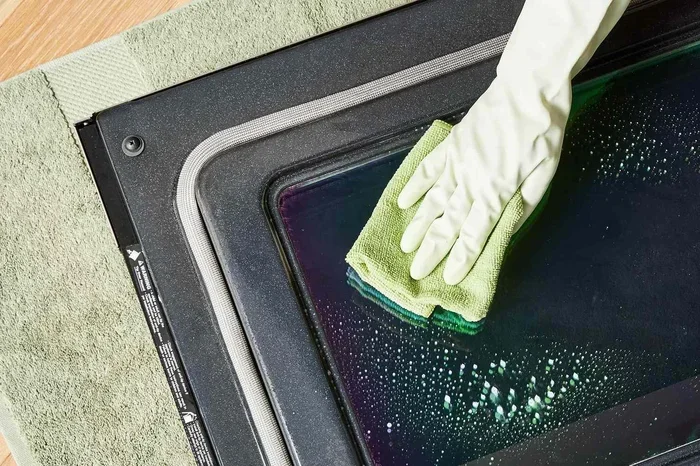
Safety gear matters when dealing with chemical residues. Wear rubber gloves to protect your hands. Use a face mask or respirator if the smell is strong. Wear safety glasses if you are scrubbing residue from high surfaces. These simple precautions prevent skin irritation and eye exposure.
Also, make sure your kitchen is free of flammable items during heat treatment. Oven mitts, towels, and paper products should be kept away from the oven. Safe oven use means being aware of your surroundings at all times.
Expert Insights
Fire safety experts recommend never leaving your oven unattended during a self-clean cycle or any high-heat burn-off process. The extreme heat can cause food debris or chemical residue to produce smoke or even small flames. Stay nearby and be ready to turn off the oven if anything seems unusual. A smoke detector in or near the kitchen is a must-have during any chemical burn-off session.
How to Know When Your Oven Is Safe to Use Again
Signs the Chemicals Are Fully Gone
How do you know the chemical burn off is complete? There are clear signs to watch for. First, the smell should be completely gone. If you can still detect any chemical odor, the process is not finished. Second, the oven interior should look clean and free of any white or powdery residue. Third, there should be no smoke or steam when you wipe the surfaces with a damp cloth.
Trust your nose. It is one of the best tools for detecting chemical smell. If something smells off, do not start cooking yet. Run another round of ventilation or heat treatment. It is always better to be safe than sorry.
Testing for Residue Before Cooking
Before you place any food in the oven, do a quick residue test. Dampen a white cloth with plain water. Wipe the oven walls, floor, and door interior. Check the cloth for any discoloration or residue. If the cloth comes away clean, your oven is ready. If you see any residue or smell anything chemical, repeat the cleaning and heat process.
This simple test takes less than two minutes. It gives you peace of mind. It ensures your food safety after cleaning is not compromised. For extra assurance, you can also heat the oven to 200 degrees for 10 minutes with a bowl of water inside. This final steam treatment helps catch any last traces of residue.
Preventing Chemical Buildup in the Future
Choosing Non-Toxic Cleaners
The best way to avoid the burn off chemicals process is to prevent it. Choose non-toxic oven cleaner products for your regular cleaning. Many plant-based and enzyme cleaners are just as effective as chemical sprays. They break down grease without leaving harmful residues behind.
Look for cleaners labeled as food-safe or residue-free. These products are designed to be safe even if traces remain on oven surfaces. You can also make your own cleaning paste using baking soda and water. It is inexpensive, non-toxic, and works surprisingly well on most oven grime.
Regular Maintenance Habits
Prevention is always easier than treatment. Clean your oven regularly to prevent heavy buildup. A quick wipe-down after spills keeps grime from becoming baked-on. This reduces the need for harsh chemical cleaners in the first place.
Set a schedule for deep cleaning. Every one to three months is usually enough for regular home cooks. After each deep clean, always follow the burn off chemicals steps outlined in this guide. Making it a habit ensures your oven stays safe and fresh all year round.
Another great habit is to use oven liners on the bottom rack. These catch drips and spills before they harden. They make cleanup faster and reduce the amount of chemical cleaner you need. Small changes like this add up over time. They keep your oven in great shape and your kitchen safer for everyone.
Conclusion
How to burn off chemicals after cleaning oven safely is not complicated. It requires patience, the right methods, and attention to detail. Whether you use the self-clean cycle, steam treatment, or natural deodorizing methods, the goal is the same. Remove all chemical residues so your oven is safe for cooking. Always ventilate your kitchen. Always rinse thoroughly. And always trust your senses. If something smells off, keep cleaning until it does not.
Taking these extra steps protects your health. It protects your food. And it extends the life of your oven. Make oven cleaning safety a priority every time you deep clean. Your family will thank you. Your meals will taste better. And your kitchen will smell fresh and clean. Start applying these methods today and enjoy the peace of mind that comes with a truly clean oven.
Frequently Asked Questions
How long should I wait after cleaning my oven before using it?
You should wait at least 30 minutes after completing the burn-off process. If you used strong chemical cleaners, waiting an hour or more is safer. Always make sure any chemical smell has completely disappeared before cooking food inside.
Can I use the self-clean cycle right after applying oven cleaner?
No, you should never do this. First, wipe out all visible cleaner residue with a damp cloth. Then run the self-clean cycle. Running it with cleaner still inside can create dangerous smoke, toxic fumes, and may damage your oven.
What is the best way to remove chemical smell from an oven?
The best way is a combination of heat and steam. Run the self-clean cycle or heat the oven to 400 degrees with a bowl of vinegar water inside. Afterward, wipe down all surfaces with a clean damp cloth and leave the door open to ventilate.
Are natural oven cleaners safer than chemical ones?
Yes, natural cleaners are generally much safer. They do not leave behind harsh chemical residues that need to be burned off. Ingredients like baking soda, vinegar, and lemon are effective for regular cleaning and are safe for food contact surfaces.
What should I do if I accidentally cook with chemical residue still in the oven?
If this happens, do not eat the food. Discard it immediately. Remove all racks and interior parts if possible. Run a full self-clean cycle or steam treatment. Thoroughly rinse and wipe the oven before using it again for cooking.
How often should I deep clean my oven to prevent chemical buildup?
Most experts recommend a deep clean every one to three months, depending on how often you cook. Regular wipe-downs after spills also help. Frequent light cleaning reduces the need for harsh chemicals and makes the burn-off process much easier when you do deep clean.