How Long To Leave Steak In Oven For Perfect Results
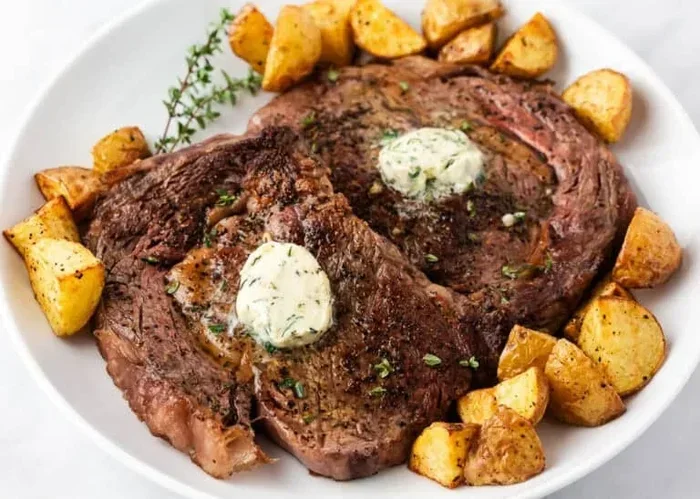
How long to leave steak in oven depends on thickness, temperature, and your preferred doneness. A 1-inch steak at 400°F takes about 10 to 15 minutes, while thicker cuts need 20 to 30 minutes. Using a meat thermometer and letting the steak rest are the two biggest secrets to oven-baked steak that rivals any steakhouse.
There is something deeply satisfying about pulling a perfectly cooked steak out of the oven. The aroma fills the kitchen, the crust looks golden, and you know that first bite is going to be incredible. But here is the question that trips up so many home cooks: how long to leave steak in oven for the best results.
The truth is, there is no single answer. Cooking time depends on several factors, including steak thickness, oven temperature, and how done you like your meat. But once you understand the basics, it becomes second nature. This guide walks you through everything you need to know about oven-baked steak, from preparation to plating.
Whether you are cooking a thin sirloin for a quick weeknight dinner or a thick ribeye for a special occasion, the principles remain the same. You will learn the right temperatures, the correct timing, and the mistakes most people make. By the end, you will feel confident enough to cook steak in the oven like a pro.
Key Takeaways
- Thickness matters most: Thin steaks cook fast, thick steaks take longer. Always adjust based on cut size.
- 400°F is the sweet spot: This temperature works great for most steak types and delivers a perfect crust.
- Use a meat thermometer: Internal temperature is the only reliable way to know your steak is done. Guessing leads to overcooked meat.
- Rest your steak for 5 to 10 minutes: This lets juices redistribute and keeps the steak juicy when you cut it.
- Sear first, then bake: A quick sear on the stovetop before oven baking gives you the best of both worlds.
- Avoid common mistakes: Skipping the rest, using too high heat, and not seasoning properly are the top errors home cooks make.
📑 Table of Contents
- Understanding Steak Thickness And Cooking Time
- The Best Oven Temperature For Steak
- Step-By-Step Guide To Cooking Steak In The Oven
- How Long To Leave Steak In Oven By Doneness Level
- Common Mistakes When Cooking Steak In The Oven
- Expert Tips For The Perfect Oven Steak
- Frequently Asked Questions
- Conclusion
Understanding Steak Thickness And Cooking Time
The single most important factor in determining how long to leave steak in oven is thickness. A thin steak and a thick steak behave very differently in the heat, and understanding this difference is the key to consistent results every time.
Why Thickness Matters So Much
Thin steaks, those around half an inch thick, cook very quickly. They spend less time in the oven, which means less chance of drying them out. On the other hand, thick steaks, those 2 inches or more, need more time and a lower oven temperature to cook evenly without burning the outside.
Think of it this way. A thin steak is like a piece of paper in a fire. It catches heat fast and finishes quickly. A thick steak is like a log. It takes longer to heat through, and you need to be more patient. If you treat a thick steak like a thin one, you will end up with a burnt exterior and a raw center.
Quick Reference For Steak Thickness And Time
Here is a simple breakdown to help you estimate cooking time based on thickness. These times assume an oven temperature of 400°F and a starting steak at room temperature.
- Half-inch steak: 6 to 10 minutes total
- One-inch steak: 10 to 15 minutes total
- One-and-a-half-inch steak: 15 to 22 minutes total
- Two-inch steak: 20 to 30 minutes total
These are general ranges. Your actual cooking time will vary based on your specific oven, the type of steak, and your desired level of doneness. Always use a meat thermometer to check the internal temperature rather than relying solely on the clock.
The Best Oven Temperature For Steak
Choosing the right oven temperature is just as important as timing. Too hot and the outside burns before the inside cooks. Too cool and the steak dries out sitting in the oven for too long. Finding the right balance makes all the difference.
Why 400°F Works So Well
For most steaks, 400°F is the ideal oven temperature. It is hot enough to develop a beautiful crust on the surface while cooking the interior evenly. This temperature strikes a perfect balance between speed and control.
Some cooks prefer a lower temperature of 325°F for very thick steaks. This approach, often called reverse searing, cooks the steak slowly and evenly from edge to edge. It is a fantastic technique if you have the patience and want perfectly even doneness throughout.
Temperature Chart For Different Doneness Levels
Your target internal temperature determines how done your steak will be. Here is a quick reference guide for steak doneness temperatures measured with a meat thermometer inserted into the thickest part of the steak.
- Rare: 120°F to 125°F internal temperature
- Medium Rare: 130°F to 135°F internal temperature
- Medium: 140°F to 145°F internal temperature
- Medium Well: 150°F to 155°F internal temperature
- Well Done: 160°F and above
Remember that the temperature will rise 5 to 10 degrees after you remove the steak from the oven. This is called carryover cooking, and it is why many chefs pull the steak off a few degrees early. Taking the steak out at 125°F for a rare steak, for example, will result in a perfect 130°F to 135°F medium rare after resting.
Step-By-Step Guide To Cooking Steak In The Oven
Now that you understand thickness and temperature, let us walk through the actual process. Following these steps will give you a consistently excellent oven-baked steak every single time.
Step One: Prepare The Steak
Take your steak out of the refrigerator about 30 to 45 minutes before cooking. Letting it come to room temperature ensures more even cooking. A cold steak going into a hot oven will cook unevenly, with the outside overcooking while the center still catches up.
Pat the steak dry with paper towels. Dry surfaces brown better and create a superior crust. Season generously with salt and pepper on both sides. You can also add garlic powder, smoked paprika, or your favorite steak seasoning blend at this stage.
Step Two: Preheat The Oven
Preheat your oven to 400°F while the steak rests at room temperature. Give the oven at least 15 to 20 minutes to reach the target temperature fully. An oven thermometer can help verify the actual temperature inside, since many ovens run slightly hot or cold.
Step Three: Sear For Extra Flavor
While the oven preheats, heat a cast iron skillet or oven-safe pan over high heat. Add a small amount of high smoke-point oil like avocado or grapeseed oil. Sear the steak for about 1 to 2 minutes per side until a deep brown crust forms.
This step is optional but highly recommended. Searing adds incredible flavor through the Maillard reaction, which is the chemical process that creates those beautiful brown flavors and aromas. It also gives the steak a gorgeous presentation.
Step Four: Transfer To The Oven
If you seared the steak, transfer the entire pan to the oven. If you did not sear, place the seasoned steak directly on a wire rack set over a baking sheet. The wire rack allows air to circulate around the steak, promoting even cooking on all sides.
Insert the steak into the oven and set a timer. Check the internal temperature with a meat thermometer about 5 minutes before you expect it to be done. This gives you time to pull it out and let it rest.
Step Five: Rest The Steak
Once the steak reaches your target temperature, remove it from the oven and let it rest on a cutting board for 5 to 10 minutes. Tent it loosely with aluminum foil to keep it warm without trapping too much steam.
Resting is not optional. When you cut into a steak immediately after cooking, the juices run out onto the plate instead of staying in the meat. Resting allows those juices to redistribute, giving you a tender, juicy bite with every cut.
How Long To Leave Steak In Oven By Doneness Level
The doneness you prefer directly affects how long the steak stays in the oven. Here is a detailed look at timing for each level of doneness for a standard 1-inch thick steak at 400°F.
Rare Steak Timing
A rare steak has a cool, red center and a warm outer layer. For a 1-inch steak at 400°F, aim for about 8 to 10 minutes total oven time. Pull it out when the internal temperature reaches 120°F to 125°F. The carryover cooking will bring it up to the perfect rare range.
Medium Rare Steak Timing
Medium rare is the most popular doneness level for a reason. It has a warm red center that is juicy and full of flavor. For a 1-inch steak, cook for about 10 to 13 minutes. Pull at 130°F to 135°F, and the carryover will bring it right into the ideal zone.
Medium Steak Timing
A medium steak has a pink center with a slightly firmer texture. For a 1-inch steak at 400°F, cook for about 13 to 16 minutes. Pull when the internal temperature hits 140°F to 145°F. This level of doneness works well for those who prefer their steak with less red in the center.
Well Done Steak Timing
Well done steak is cooked through with little to no pink remaining. For a 1-inch steak, this takes about 16 to 20 minutes at 400°F. Pull at 155°F to 160°F. Keep in mind that well done steak tends to be less juicy, so consider marinating beforehand or using a fattier cut like a ribeye to keep moisture in.
Common Mistakes When Cooking Steak In The Oven
Even experienced home cooks make mistakes when baking steak. Being aware of these common errors helps you avoid them and consistently achieve better results.
Skipping The Rest Period
This is the number one mistake people make. Cutting into a steak the moment it comes out of the oven releases all the juices onto the cutting board. The steak may look perfect on the inside, but the flavor and texture suffer. Always wait at least 5 minutes before slicing.
Not Bringing The Steak To Room Temperature
Putting a cold steak straight into the oven creates an uneven cook. The outside overcooks while the center struggles to reach the right temperature. Taking the steak out 30 to 45 minutes early solves this problem easily.
Using Too High A Temperature
Some cooks crank the oven to 450°F or higher thinking it will cook faster. The problem is that the outside burns before the inside has a chance to cook. Stick to 400°F for most steaks and adjust only for very thin cuts.
Forgetting To Use A Meat Thermometer
Timing is a guide, not a guarantee. Every oven is different, and every steak varies slightly in thickness and starting temperature. A digital meat thermometer removes all guesswork and takes the stress out of cooking steak in the oven.
Expert Tips For The Perfect Oven Steak
A few extra tricks can elevate your oven steak from good to outstanding. These tips come from professional chefs and experienced home cooks who have refined their technique over years of practice.
Dry Brine For Better Texture
Salt your steak generously and place it uncovered on a wire rack in the refrigerator for 1 to 24 hours before cooking. This process, called dry brining, draws out moisture initially, then the steak reabsorbs it along with the salt. The result is a more flavorful, juicier steak with a better crust.
Use A Wire Rack Instead Of A Baking Sheet
Placing the steak directly on a baking sheet traps steam underneath, which prevents a crispy crust. A wire rack elevates the steak and allows hot air to circulate freely around it. This small change makes a noticeable difference in texture.
Finish With The Broiler
If you want an extra crispy, caramelized crust, switch your oven to broil for the last 1 to 2 minutes of cooking. Watch it carefully during this step because the broiler can go from perfect to burnt in seconds. This technique gives you a finish that closely resembles what you would get from a high-heat grill.
Choose The Right Cut For Oven Cooking
Not all steaks are created equal when it comes to oven baking. Thicker, fattier cuts like ribeye, New York strip, and filet mignon perform exceptionally well in the oven. Leaner cuts like flank or skirt steak can work too, but they benefit from lower temperatures and shorter cooking times to avoid drying out.
Let The Steak Speak To You
Every steak is slightly different. The cut, the thickness, the starting temperature, and even the specific oven model all play a role. Trust your instincts, use the thermometer, and do not be afraid to pull the steak a little early. You can always put it back for another minute, but you cannot undo an overcooked steak.
Frequently Asked Questions
Can I cook steak in the oven without searing it first?
Absolutely. Searing adds flavor and texture, but it is not required. You can place a well-seasoned steak directly into a preheated oven and still get excellent results. The oven will create a nice crust on its own, especially at 400°F. The steak will be slightly less flavorful than a seared version, but it will still be delicious and juicy.
What is the best steak cut for oven cooking?
Thick cuts work best for oven baking. Ribeye, New York strip, filet mignon, and T-bone are all excellent choices. These cuts have enough thickness to handle the oven environment without drying out, and their fat content keeps them juicy and flavorful throughout the cooking process.
How do I know when my steak is done without cutting into it?
The only reliable way is to use a meat thermometer inserted into the thickest part of the steak. Touch tests and visual cues can be misleading, especially for thicker cuts. Invest in a good instant-read thermometer, and you will never second-guess your steak again.
Can I use foil to cover the steak while it rests?
Yes, but use it loosely. Tightly wrapping the steak in foil traps too much steam, which can make the crust soggy. Loosely tent the foil over the steak to keep it warm while allowing steam to escape. This preserves that beautiful crispy exterior you worked hard to create.
How long should I let the steak rest after taking it out of the oven?
Five to ten minutes is the ideal resting time for most steaks. Thicker cuts benefit from closer to 10 minutes, while thinner steaks need only about 5 minutes. During this time, the internal temperature will even out, and the juices will settle back into the meat for a more tender and flavorful eating experience.
Is it better to bake steak or broil steak in the oven?
Baking at 400°F gives you more control and more even cooking, making it the better choice for most home cooks. Broiling uses very high direct heat from above and works well for thin steaks or for adding a final crust. For the best overall results with thick steaks, baking is the recommended method.
Conclusion
Cooking steak in the oven is one of the simplest and most rewarding ways to prepare a great meal at home. The key to success lies in understanding how long to leave steak in oven based on thickness, temperature, and your preferred doneness level. With the right approach and a little practice, you can consistently produce restaurant-quality steak that impresses family and friends alike.
Remember the essentials. Bring the steak to room temperature before cooking. Use 400°F as your go-to oven temperature. Sear first for extra flavor. Check the internal temperature with a meat thermometer and pull the steak a few degrees early. Let it rest for 5 to 10 minutes before cutting into it. Avoid the common pitfalls like skipping the rest period or using too much heat.
Once you master these fundamentals, you can experiment with different cuts, seasoning blends, and cooking techniques. Try reverse searing a thick ribeye. Experiment with dry brining for deeper flavor. Use the broiler for an extra crispy finish. The more you practice, the more intuitive the process becomes.
The beauty of oven-baked steak is that it requires minimal hands-on time and delivers maximum flavor. You get to spend less time hovering over the stove and more time enjoying the company at the table. So the next time you are craving a perfect steak, skip the grill and let your oven do the work. You might just discover that oven-baked steak becomes your new favorite way to cook this classic cut of meat.