How To Prepare Pizza Dough For The Perfect Pizza Oven
Making pizza dough for a pizza oven is simpler than you think. This guide walks you through every step, from choosing the right flour to baking at high heat. You will learn how to create a crispy, airy crust that rivals your favorite pizzeria.
There is something magical about pulling a fresh pizza out of a blazing hot oven. The crust puffs up in spots, the cheese bubbles, and the whole kitchen smells like a pizzeria in Naples. But here is the secret. That perfect pizza dough for pizza oven starts long before the toppings ever touch the surface.
If you have been struggling with flat, dense, or bland crusts, the problem is almost always the dough. Not the oven. Not the sauce. The dough. And the good news is that learning how to make great pizza dough is not as hard as it seems. With a few simple ingredients and some patience, you can bake pizzas that taste like they came from a professional wood-fired setup.
This guide covers everything you need to know. We will go through ingredients, mixing techniques, fermentation, shaping, and baking. By the end, you will feel confident making pizza dough for pizza oven at home every single time.
Key Takeaways
- Use the right flour: Tipo 00 or bread flour gives you the best pizza crust texture.
- Hydration matters: Aim for 60-65% water-to-flour ratio for a perfect dough.
- Cold fermentation is key: Letting dough rest 24-72 hours develops deeper flavor.
- High heat is essential: A pizza oven reaches 800-900°F for an authentic Neapolitan bake.
- Handle dough gently: Preserving air bubbles creates that light, chewy texture.
- Shape by hand: Avoid a rolling pin to keep the crust airy and uneven.
📑 Table of Contents
- Why Your Pizza Dough Matters More Than You Think
- Ingredients You Need for the Perfect Pizza Dough
- Step-by-Step Process to Prepare Pizza Dough
- Baking Pizza Dough in a Pizza Oven
- Expert Tips for the Best Pizza Dough
- Quick Tips Summary
- Common Mistakes When Preparing Pizza Dough
- Storing and Using Leftover Pizza Dough
- Conclusion
Why Your Pizza Dough Matters More Than You Think
People often focus on the oven type or the toppings. But the dough is the foundation of every great pizza. A perfect oven cannot save bad dough. And average dough can shine when baked correctly in a wood-fired pizza oven or even a home pizza oven.
Think of it this way. A pizza crust is like a canvas. The sauce, cheese, and toppings are the paint. If the canvas is weak, the whole painting suffers. That is why understanding pizza dough for pizza oven preparation is the single most important skill you can build.
The Science Behind Great Pizza Dough
Good pizza dough is really just a science experiment in your kitchen. Four ingredients work together to create gluten, air pockets, and flavor. Flour provides structure. Water activates the gluten and creates hydration. Yeast ferments sugars and produces carbon dioxide. Salt strengthens the gluten and adds flavor.
When you mix these ingredients and let them rest, something amazing happens. The gluten network stretches and becomes elastic. The yeast creates tiny bubbles that make the dough rise. And over time, fermentation develops complex flavors that you cannot rush.
This is why cold fermentation pizza dough is so popular. It gives the yeast time to work slowly, creating a crust that is crispy on the outside and soft on the inside.
Ingredients You Need for the Perfect Pizza Dough
Keeping the ingredient list simple is the key to great pizza dough for pizza oven. You do not need fancy additives or special equipment. Just a few high-quality basics.
Flour: The Foundation of Your Crust
The type of flour you use changes everything. For authentic Italian-style pizza, Tipo 00 flour is the gold standard. It is finely milled and has a lower protein content than bread flour, which creates a tender, delicate crust.
If you cannot find Tipo 00, bread flour works well too. It has more protein, which means more gluten. This gives you a chewier, sturdier crust that holds up well to heavy toppings.
Here is a quick comparison of flour types for pizza dough for pizza oven:
- Tipo 00 flour: Finely milled, soft texture, ideal for Neapolitan-style pizza.
- Bread flour: Higher protein, chewier crust, great for thicker pizza styles.
- All-purpose flour: A middle-ground option, works but lacks the chew of bread flour.
- Whole wheat flour: Nutty flavor, denser crust, best blended with other flours.
Water and Hydration Ratio
Dough hydration refers to the ratio of water to flour. For pizza dough for pizza oven, a hydration level of 60-65% works best. This means for every 100 grams of flour, you use 60-65 grams of water.
Higher hydration doughs are stickier but produce lighter, airier crusts. Lower hydration doughs are easier to handle but can be denser. Finding the right balance takes a little practice, but the results are worth it.
Yeast: The Leavening Agent
Active dry yeast and instant yeast both work for pizza dough. Instant yeast is more convenient because you can mix it directly into the flour. Active dry yeast needs to be dissolved in warm water first, a process called yeast activation.
Some pizza makers also use a sourdough starter instead of commercial yeast. This creates a tangy flavor and a more complex crumb structure. Sourdough pizza dough for pizza oven takes longer to prepare, but the taste is unmatched.
Salt and Olive Oil
Salt is non-negotiable. It strengthens the gluten and enhances flavor. Use fine sea salt or kosher salt. Olive oil adds richness and helps the dough brown in the oven. Not all recipes call for it, but a small drizzle can improve texture and taste.
Step-by-Step Process to Prepare Pizza Dough
Now that you have your ingredients, let us walk through the process. Making pizza dough for pizza oven is straightforward, but timing and technique matter.
Step 1: Mix the Dry Ingredients
Start by combining your flour and salt in a large bowl. Whisk them together so the salt is evenly distributed. If you are using instant yeast, add it to the flour now. If you are using active dry yeast, set it aside for the next step.
This simple step ensures your pizza dough for pizza oven has a consistent texture from the very beginning.
Step 2: Add Water and Yeast
Make a well in the center of the flour mixture. Pour in room-temperature water and, if using, dissolved yeast. Stir with a wooden spoon or your hand until a shaggy dough forms. Do not add flour yet. Let it sit for about five minutes.
This resting period allows the flour to absorb water, which makes the dough easier to knead later.
Step 3: Knead the Dough
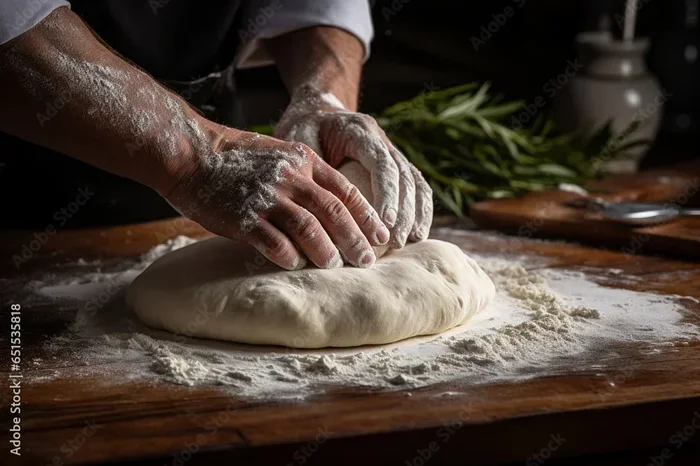
Turn the dough out onto a lightly floured surface. Knead it for about 10-15 minutes. You are looking for a smooth, elastic dough that springs back when you press it.
Gluten development happens during kneading. This is what gives your crust its chew and structure. If the dough is too sticky, add a tiny bit of flour. If it is too dry, wet your hands and continue kneading.
Quick Tip: The windowpane test is a great way to check if your dough is ready. Take a small piece and stretch it thin. If it stretches without tearing, your gluten is well developed.
Step 4: First Rise and Bulk Fermentation
Place the dough in a lightly oiled bowl. Cover it with a damp towel or plastic wrap. Let it rise at room temperature for about 1-2 hours, or until it has doubled in size.
For better flavor, try cold fermentation. After the first rise, place the dough in the refrigerator for 24-72 hours. The cold temperature slows down the yeast, allowing complex flavors to develop. This is the secret behind professional-quality pizza dough for pizza oven.
Step 5: Divide and Shape Into Balls
Once the dough has fermented, turn it out onto a lightly floured surface. Divide it into equal portions, usually about 200-250 grams each for a personal-sized pizza.
Shape each portion into a tight ball by tucking the edges underneath. Place the balls on a lightly oiled tray, cover them, and let them rest for 1-2 hours at room temperature. This dough proofing step relaxes the gluten and makes shaping easier.
You can also refrigerate the dough balls overnight. Cold dough is easier to shape and produces a better rise in a hot oven.
Step 6: Stretch and Shape Your Pizza
When you are ready to bake, take a dough ball and press it flat from the center outward. Leave a slightly thicker edge for the crust. Use your hands, not a rolling pin, to preserve the air bubbles in the dough.
A pizza peel dusted with flour or cornmeal makes it easy to slide the pizza into the oven. The peel also prevents sticking and gives you a smooth launch into the heat.
Baking Pizza Dough in a Pizza Oven
The baking stage is where all your hard work pays off. A pizza oven reaches temperatures of 800-900°F, which is much hotter than a home oven. This extreme heat cooks the pizza in 60-90 seconds, creating a crust that is crispy on the outside and soft on the inside.
Preheating Your Pizza Oven
Preheat your oven for at least 30-45 minutes before baking. If you are using a pizza stone, place it inside while the oven heats up. The stone absorbs and radiates heat, which helps create a crispy pizza crust.
For wood-fired ovens, wait until the fire has burned down and the dome is white. The floor temperature should be around 800-900°F for Neapolitan-style pizza.
The Baking Process
Slide your pizza onto the hot stone or floor of the oven using a pizza peel. Rotate it every 15-20 seconds to ensure even cooking. The pizza is done when the crust is puffed and charred in spots, the cheese is bubbly, and the bottom is golden brown.
High-temperature pizza baking is what gives authentic pizza its signature texture. The intense heat rapidly steams the dough, creating an airy interior while the exterior crisps up.
Common Mistakes to Avoid
- Not preheating long enough: A cold oven or stone leads to a soggy crust.
- Overloading toppings: Too many toppings prevent the dough from cooking through.
- Using cold dough: Always let dough balls come to room temperature before stretching.
- Skipping the rest period: Unrested dough is elastic and difficult to shape.
- Using the wrong flour: Cake flour or pastry flour lacks the protein needed for structure.
Expert Tips for the Best Pizza Dough
Here are some insider tips that separate good pizza from great pizza. These small details make a big difference in your final result.
Use Filtered or Bottled Water
Chlorine and minerals in tap water can affect yeast activity and flavor. Using filtered water ensures your pizza dough for pizza oven rises properly and tastes clean.
Experiment with Hydration Levels
Once you master the basic recipe, try adjusting the water content. A 70% hydration dough will be more open and airy. A 55% hydration dough will be denser and more bread-like. Each style has its place depending on the pizza you want to make.
Invest in a Kitchen Scale
Baking by weight is far more accurate than measuring by volume. A simple digital scale ensures your flour-to-water ratio is precise every time. This consistency is what professional pizza makers rely on.
Try Different Fermentation Methods
Besides cold fermentation, you can try warm bulk fermentation or a retarded fermentation. Each method produces a different texture and flavor profile. Experiment to find what works best for your taste.
Keep a Dough Journal
Write down your recipes, hydration levels, fermentation times, and results. Over time, you will develop a personal recipe that is perfectly tuned to your oven and preferences. This is how professional Italian pizza makers refine their craft.
Quick Tips Summary
- Always use high-quality Tipo 00 or bread flour for the best texture.
- Aim for 60-65% hydration for a balanced, easy-to-handle dough.
- Cold ferment your dough for 24-72 hours for deeper flavor.
- Knead for at least 10 minutes to develop strong gluten.
- Let dough balls rest at room temperature before shaping.
- Preheat your pizza oven and stone for at least 30 minutes.
- Use a pizza peel and rotate the pizza frequently while baking.
Common Mistakes When Preparing Pizza Dough
Even experienced home cooks make mistakes with pizza dough for pizza oven. Here are the most common ones and how to avoid them.
Using Too Much Flour
Adding too much flour during kneading or shaping makes the dough dry and dense. If your dough is sticky, resist the urge to add more flour. Instead, lightly oil your hands and work surface. The dough will become more manageable as it develops gluten.
Rushing the Fermentation
Patience is the most important ingredient in great pizza dough. Rushing the rise or skipping cold fermentation produces a flat, bland crust. Give your dough the time it needs to develop flavor and structure.
Overworking the Dough When Shaping
When you stretch your pizza by hand, be gentle. Overworking the dough pops the air bubbles and results in a tough, chewy crust. Use slow, deliberate movements and let the gravity help you stretch the dough.
Not Using a Pizza Stone or Steel
A pizza stone or steel mimics the floor of a traditional oven. It absorbs moisture from the dough and creates a crispy bottom. Without one, your crust will be soft and limp, no matter how good your dough is.
Storing and Using Leftover Pizza Dough
Making extra pizza dough for pizza oven is always a good idea. Leftover dough stores beautifully and gives you quick pizza nights whenever you want.
Refrigerate dough balls in an airtight container for up to 3 days. The cold fermentation continues in the fridge, improving flavor over time. You can also freeze dough balls for up to 3 months. Wrap them tightly in plastic wrap and place them in a freezer bag.
To use frozen dough, thaw it in the refrigerator overnight. Let it come to room temperature before shaping and baking. The result will be almost as good as fresh dough.
Conclusion
Making pizza dough for pizza oven at home is one of the most rewarding skills you can develop. It takes a little practice, but the results are incredible. From choosing the right flour to mastering fermentation, every step brings you closer to a perfect homemade pizza.
Start with the basic recipe. Focus on hydration, kneading, and fermentation. Once you feel confident, start experimenting with different flours, hydration levels, and fermentation times. Before long, you will be baking pizzas that rival any pizzeria in town.
The key is patience and consistency. Great pizza dough for pizza oven does not happen by accident. It happens by following a process, paying attention to details, and enjoying the journey. So grab your flour, fire up your oven, and get baking. Your perfect pizza is waiting.
Frequently Asked Questions
What is the best flour for pizza dough in a pizza oven?
Tipo 00 flour is the best choice for pizza oven baking. It creates a thin, tender crust with a slightly chewy texture. If you cannot find Tipo 00, bread flour is an excellent alternative that produces a sturdier, chewier crust.
How long should I let pizza dough ferment before using it in a pizza oven?
For the best flavor and texture, ferment your pizza dough for pizza oven for at least 24 hours in the refrigerator. This cold fermentation develops complex flavors and creates a lighter, airier crust. You can ferment for up to 72 hours for even deeper taste.
Can I use a home oven instead of a pizza oven for this dough?
Yes, you can. While a home oven does not reach the same temperatures as a wood-fired pizza oven, you can still achieve great results. Use a pizza stone or steel, preheat at the highest setting for at least 30 minutes, and bake as hot as your oven allows.
What hydration level is best for pizza dough baked in a pizza oven?
A hydration level of 60-65% works best for most pizza dough for pizza oven recipes. This ratio creates a dough that is easy to handle and produces a crust with a good balance of crispness and chewiness. Higher hydration doughs are great for experienced bakers.
How do I know when my pizza is done in the pizza oven?
Your pizza is done when the crust is puffed and slightly charred in spots, the cheese is fully melted and bubbling, and the bottom is golden brown. In a hot pizza oven, this usually takes only 60-90 seconds. Watch it closely and rotate frequently.
Can I make pizza dough without yeast for a pizza oven?
Yes, you can use baking powder or baking soda as a quick alternative. However, the crust will not have the same airy, chewy texture as yeast-leavened dough. For authentic results, yeast is the way to go. Sourdough starter is another natural option that adds a unique tangy flavor.