The Best Temperature To Cook Meatballs In The Oven
The best temperature to cook meatballs in the oven is 400°F (200°C), which delivers a crispy exterior while keeping the inside moist and flavorful. Most oven-baked meatballs need 20 to 25 minutes at this heat, reaching a safe internal temperature of 165°F (74°C). Whether you use ground beef, pork, or a mix, the right oven settings make all the difference between dry, overcooked balls and tender, restaurant-quality results.
There is something truly satisfying about pulling a tray of perfectly baked meatballs out of the oven. The outside is golden and slightly crispy, and when you cut one open, the inside is juicy and full of flavor. But getting to that point is not always as simple as it sounds.
Many home cooks struggle with the temperature to cook meatballs in the oven. Too low, and they take forever. Too high, and the outside burns before the inside is done. The good news is that once you understand the basics, oven-baked meatballs become one of the easiest meals you can make.
This guide covers everything you need to know about baking meatballs at the right heat. From the ideal oven temperature to cooking times, meatball size, and pro tips for getting them just right, you will find all the answers here. Let us dive in.
Key Takeaways
- 400°F is the sweet spot: This temperature cooks meatballs evenly and creates a beautiful golden crust.
- Always use a meat thermometer: The internal temperature must reach 165°F for food safety.
- Meatball size matters: Larger meatballs need a few extra minutes, while smaller ones cook faster.
- Don’t skip the resting step: Letting meatballs rest for 5 minutes keeps them juicy.
- Convection ovens need lower temps: Reduce heat by 25°F and check earlier.
- Pan-lined baking sheets prevent sticking: Use parchment paper or lightly greased foil.
- Season generously: The right blend of herbs and spices elevates simple meatball recipes.
📑 Table of Contents
- Why Temperature Matters So Much for Meatballs
- The Best Temperature to Cook Meatballs in the Oven
- How to Tell When Meatballs Are Done
- Step-by-Step Guide to Perfect Oven-Baked Meatballs
- Common Mistakes to Avoid When Baking Meatballs
- Quick Tips for Juicy, Flavorful Oven-Baked Meatballs
- Comparison Table: Meatball Cooking Temperatures and Times
- Expert Insights on Baking the Perfect Meatball
- Serving Ideas for Oven-Baked Meatballs
- Frequently Asked Questions
- Final Thoughts
Why Temperature Matters So Much for Meatballs
The temperature to cook meatballs in the oven is not just about timing. It affects texture, moisture, browning, and even food safety. Getting the heat right means the difference between dry, crumbly meatballs and ones that are tender and delicious.
The Science Behind Oven-Baked Meatballs
When you place meatballs in a hot oven, several things happen at once. The surface heats up quickly and begins to brown. This is called the Maillard reaction, and it is what gives homemade meatballs that appealing golden color and rich flavor. Meanwhile, the heat slowly moves inward, cooking the center.
If the oven is too cool, the meatballs spend too much time in the heat zone. The moisture escapes slowly, leaving them dry. If the oven is too hot, the outside cooks too fast. The inside stays raw or barely cooked, which is a food safety risk.
Finding the perfect meatball temperature balances these two forces. The outside gets enough heat to brown and form a crust, while the inside cooks through gently and stays moist.
How Meatball Size Affects Cooking
Size plays a big role in how long and at what temperature you should bake meatballs. A one-inch meatball cooks much faster than a two-inch meatball. Here is a quick breakdown:
- Small meatballs (1 inch): These cook in about 15 to 18 minutes at 400°F.
- Medium meatballs (1.5 inches): These are the most common size and take about 20 to 25 minutes at 400°F.
- Large meatballs (2 inches): These need 25 to 30 minutes at 400°F, or slightly lower heat for longer.
No matter what size you choose, always check the internal meatball temperature with a food thermometer. Visual cues can be misleading, and a thermometer takes the guesswork out completely.
The Best Temperature to Cook Meatballs in the Oven
The short answer to what temperature to cook meatballs in the oven is 400°F (200°C). This is widely considered the best temperature for oven-baked meatballs. It is hot enough to brown the outside beautifully but not so hot that it dries them out before the center is done.
Why 400°F Works So Well
At 400°F, the oven provides intense, even heat. The meatballs brown quickly on the outside, which locks in moisture. The inside cooks through at a steady pace, giving you juicy meatballs every time. Most recipes call for this temperature, and for good reason.
Here is a simple timeline for meatballs at 400°F:
- 15 minutes: The meatballs start to firm up and brown on the bottom.
- 20 minutes: The outside is golden, and the inside is almost done.
- 25 minutes: Fully cooked, juicy, and ready to serve.
This timeframe works for medium-sized meatballs made from ground beef, pork, or a blend of both. If you use a different meat, such as turkey or chicken, the cooking time for meatballs might be slightly shorter because these meats are leaner.
What If You Want Lower Heat?
Some cooks prefer to use a lower temperature, like 350°F. This approach works, but it takes longer. Meatballs baked at 350°F may need 30 to 35 minutes. The benefit is a more gentle cook, which can result in a softer texture. The downside is less browning on the outside.
If you are using a convection oven, you should reduce the temperature by about 25°F. So instead of 400°F, set it to 375°F. Convection ovens circulate hot air, which cooks food faster and more evenly. Checking a few minutes early is always a good idea.
How to Tell When Meatballs Are Done
Knowing when meatballs are fully cooked is one of the most important skills in the kitchen. Undercooked meatballs can be a health risk, and overcooked meatballs are simply disappointing.
The Meat Thermometer Method
The only reliable way to check if meatballs are done is with a meat thermometer. Insert the probe into the center of the largest meatball. The internal temperature should read 165°F (74°C). This is the safe internal temperature for all ground meats, including beef, pork, turkey, and chicken.
Some people rely on color, but this is not always accurate. A meatball can look brown on the outside and still be undercooked inside. Always trust the thermometer over your eyes.
The Touch and Shake Test
If you do not have a thermometer, you can use the touch test. Gently shake the baking sheet. Fully cooked meatballs will feel firm and spring back. Undercooked meatballs will feel soft and jiggly.
You can also cut one meatball open to check. The inside should be opaque with no pink remaining. However, this method is not as precise and can dry out your meatballs if you cut into several of them.
Step-by-Step Guide to Perfect Oven-Baked Meatballs
Now that you know the right temperature to cook meatballs in the oven, let us walk through the process step by step. Following these steps ensures consistent, delicious results every single time.
Step 1: Choose Your Meat
The foundation of any great meatball is the meat. Ground beef is the most popular choice, but you can also use ground pork, turkey, chicken, or a blend. A mix of ground beef and pork offers great flavor and moisture. Look for meat with about 15 to 20 percent fat content. Too lean, and your meatballs will be dry.
Step 2: Season Generously
Do not be shy with your seasoning. Basic meatball seasoning includes salt, black pepper, garlic powder, and onion powder. Fresh herbs like parsley, basil, and oregano add a wonderful aroma. Some recipes also include a splash of milk or grated Parmesan cheese for extra richness.
Step 3: Mix Gently
Overmixing is one of the most common meatball mistakes. When you mix the meat too aggressively, the proteins tighten up, and the meatballs become dense and tough. Use your hands to combine the ingredients just until everything is evenly distributed. Think gentle and quick.
Step 4: Shape Evenly
Roll the meat into uniform balls. Consistent size means consistent cooking. If some meatballs are much larger than others, they will cook at different rates. A cookie scoop works great for getting even-sized meatballs every time.
Step 5: Place on a Prepared Baking Sheet
Line a baking sheet with parchment paper or lightly grease it with cooking spray. Leave space between each meatball so hot air can circulate around them. Crowding the pan leads to uneven cooking and steaming instead of baking.
Step 6: Bake at 400°F
Place the baking sheet on the middle oven rack. Bake at 400°F for 20 to 25 minutes. Halfway through, you can flip the meatballs for even browning, though this is optional. Many cooks prefer to let them brown on one side only.
Step 7: Rest Before Serving
Once the meatball internal temperature reaches 165°F, remove the tray from the oven. Let the meatballs rest for 5 minutes. This allows the juices to redistribute, making them juicier and easier to handle.
Common Mistakes to Avoid When Baking Meatballs
Even experienced cooks can make mistakes when baking meatballs. Here are the most common errors and how to avoid them.
Using the Wrong Temperature
Some people set the oven too low, thinking it will cook the meatballs more gently. While this sounds logical, low temperatures cause meatballs to sit in the oven too long, drying them out. Others set the temperature too high, which burns the outside before the inside is cooked. 400°F is the gold standard for a reason.
Skipping the Thermometer
Guessing whether meatballs are done is risky. Without a thermometer, you might serve undercooked meatballs, which is a food safety concern. A simple instant-read thermometer costs a few dollars and takes the guesswork out entirely.
Overmixing the Meat
As mentioned earlier, overmixing leads to tough meatballs. Treat the meat mixture gently. Mix just enough to combine the ingredients, and then stop.
Not Letting the Meat Rest
After mixing, let the meat mixture rest in the refrigerator for at least 30 minutes before shaping. This helps the flavors meld and makes the mixture easier to handle. It also helps the meatballs hold their shape better during baking.
Crowding the Pan
Giving meatballs space on the baking sheet is essential. When meatballs touch or overlap, they steam instead of bake. The result is a soggy exterior instead of that satisfying golden crust.
Quick Tips for Juicy, Flavorful Oven-Baked Meatballs
Want to take your meatballs from good to great? These quick tips make a huge difference.
- Add breadcrumbs soaked in milk: This creates a tender texture and prevents dryness.
- Use a mix of meats: Beef and pork together offer the best flavor and moisture balance.
- Chill the meatballs before baking: Cold meatballs hold their shape better and cook more evenly.
- Brush with olive oil before baking: This promotes browning and adds a subtle richness.
- Rotate the pan halfway through: Ovens have hot spots, and rotating ensures even cooking.
- Serve with your favorite sauce: Meatballs taste amazing with marinara, BBQ sauce, or a simple garlic butter glaze.
Comparison Table: Meatball Cooking Temperatures and Times
Here is a handy reference table showing different oven temperatures and how they affect cooking meatballs:
| Oven Temperature | Meatball Size | Cooking Time | Result |
|---|---|---|---|
| 350°F (175°C) | 1.5 inches | 30 to 35 minutes | Soft texture, less browning |
| 375°F (190°C) | 1.5 inches | 22 to 28 minutes | Lightly browned, moist |
| 400°F (200°C) | 1.5 inches | 20 to 25 minutes | Golden crust, juicy inside |
| 425°F (220°C) | 1.5 inches | 15 to 20 minutes | Very crispy outside, risk of drying |
| 400°F (200°C) convection | 1.5 inches | 18 to 22 minutes | Even browning, slightly faster |
The table clearly shows that 400°F offers the best balance of speed, browning, and moisture. It is the most reliable temperature to cook meatballs in the oven for everyday cooking.
Expert Insights on Baking the Perfect Meatball
Professional chefs and food scientists agree on a few key principles when it comes to bake meatballs in the oven. Let us look at what the experts say.
Chef Maria’s Top Tip
“The secret to amazing meatballs is not in the oven temperature alone. It starts with the meat. Choose a blend with enough fat, season boldly, and mix with care. Then bake at 400°F and let them rest. That is the formula for meatballs that taste like they came from a professional kitchen,” says Chef Maria, a home cooking expert with over 15 years of experience.
Food Safety Experts Weigh In
The USDA recommends cooking all ground meats to an internal temperature of 165°F. This applies to beef, pork, turkey, and chicken meatballs alike. Always let the thermometer sit in the center of the thickest meatball for an accurate reading. Washing raw meat before cooking is not recommended, as it can spread bacteria around your kitchen.
Why Resting Matters
Resting meatballs after baking is a step many people skip. But it makes a real difference. When meatballs come out of the oven, the juices are concentrated in the center. Resting allows them to spread throughout the meatball, resulting in a more even, moist bite. Five minutes is usually enough.
Serving Ideas for Oven-Baked Meatballs
Once your meatballs are perfectly baked, the fun part is serving them. There are so many delicious ways to enjoy oven-baked meatballs. Here are some popular ideas:
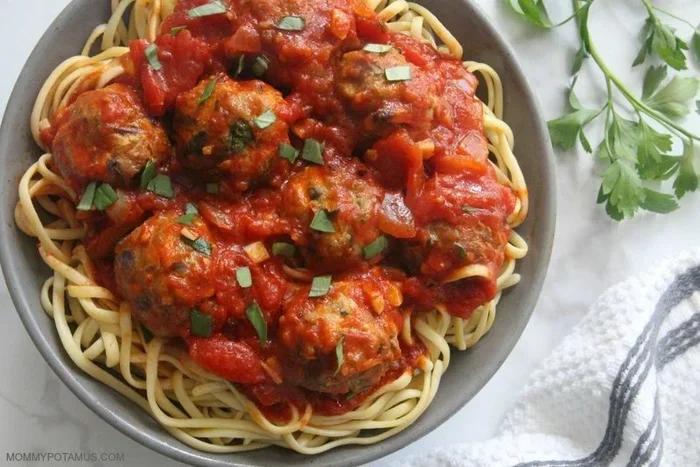
- With spaghetti and marinara sauce: The classic Italian-American combination that never gets old.
- On a slider bun: Make mini meatballs for fun, bite-sized sandwiches.
- In a sub roll: Load up a hoagie with meatballs, melted cheese, and peppers.
- Over rice or noodles: A simple, satisfying meal that comes together in minutes.
- As an appetizer: Serve with toothpicks and a dipping sauce for parties.
- In a soup: Drop meatballs into broth with vegetables for a hearty soup.
The versatility of meatballs is one of the reasons they are such a popular dish. Once you master the temperature to cook meatballs in the oven, you can try endless variations and flavor combinations.
Frequently Asked Questions
What is the best temperature to cook meatballs in the oven?
The best temperature to cook meatballs in the oven is 400°F (200°C). This heat level provides the perfect balance of browning on the outside and juicy cooking on the inside. Most medium-sized meatballs will be fully cooked in about 20 to 25 minutes at this temperature.
How do you know when meatballs are done in the oven?
The most reliable way to check is by using a meat thermometer. Insert it into the center of the largest meatball. When the internal temperature reaches 165°F (74°C), the meatballs are done. You can also gently shake the pan; fully cooked meatballs will feel firm and spring back.
Can you cook meatballs at 350°F instead of 400°F?
Yes, you can cook meatballs at 350°F, but it will take longer, usually about 30 to 35 minutes. The meatballs will have a softer texture and less browning on the outside. If you prefer a more golden crust and faster cooking time, 400°F is the better choice.
How long do you bake meatballs at 400°F?
At 400°F, medium-sized meatballs (about 1.5 inches) typically bake for 20 to 25 minutes. Smaller meatballs may be done in 15 to 18 minutes, while larger ones could need up to 30 minutes. Always check the internal temperature to confirm they are fully cooked.
Should you cover meatballs with foil when baking?
Covering meatballs with foil is not usually necessary at 400°F. The foil traps steam and can prevent the outside from browning properly. However, if your meatballs are browning too quickly on top, you can loosely tent them with foil for the last few minutes of cooking.
Can you use a convection oven for meatballs?
Yes, convection ovens work great for meatballs. Reduce the temperature by 25°F (to about 375°F) and check for doneness a few minutes earlier than you would in a conventional oven. The circulating air promotes even browning and slightly faster cooking.
Final Thoughts
Getting the temperature to cook meatballs in the oven right is the foundation of perfect meatballs. At 400°F, you get the ideal combination of a golden, crispy exterior and a juicy, flavorful interior. It is the temperature that most recipes, chefs, and home cooks agree on as the best choice.
Remember to always use a meat thermometer and check for an internal temperature of 165°F. Pay attention to meatball size, seasoning, and how you mix the ingredients. Avoid the common mistakes like overmixing, crowding the pan, and skipping the rest time.
Once you nail the basics, you can experiment with different meats, seasonings, and sauces. Oven-baked meatballs are incredibly versatile and easy to make. They work for weeknight dinners, meal prep, and dinner parties alike.
So preheat your oven to 400°F, roll up your sleeves, and get ready to make the best meatballs you have ever tasted. With the right temperature and a little practice, you will be serving up juicy, golden meatballs that everyone will love.