How To Clean Oven Door With Bar Keepers Friend Easily
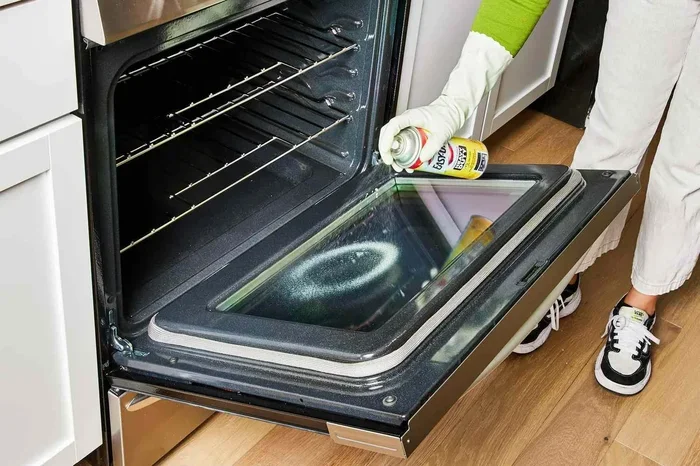
Bar Keepers Friend is one of the best ways to clean oven door glass and remove stubborn grease and burnt-on food. This powerful, fizzy cleaner uses oxalic acid to break down tough stains without harsh chemicals. With just a few simple steps, you can restore your oven door to a like-new shine. Whether you have a standard oven or a self-cleaning model, this method works beautifully. Read on to learn the full process and expert tips for spotless results.
Have you ever opened your oven and noticed a thick layer of grease baked onto the door? It is one of the most frustrating kitchen messes to deal with. Food splatters, grease buildup, and burnt-on stains can make your oven door look terrible. Many people reach for expensive chemical cleaners that smell awful and leave residue behind.
Bar Keepers Friend offers a much better solution. This classic cleaning powder has been around for decades, and for good reason. It works wonders on oven doors without the toxic fumes or harsh ingredients. In this guide, we will walk you through every step of the process. You will learn why this cleaner is so effective, what supplies you need, and how to get your oven door looking brand new.
Whether your oven door has light grime or heavy baked-on grease, this method delivers real results. The best part is that it is simple, affordable, and safe for your kitchen. Let us dive into the details and get your oven door sparkling again.
Key Takeaways
- Bar Keepers Friend is highly effective: Its oxalic acid formula dissolves grease and burnt-on food with ease.
- It is safe and non-toxic: Unlike many oven cleaners, it leaves no harmful residue behind.
- The process is simple: You only need the cleaner, a sponge, and a few minutes of your time.
- It works on all oven door types: Glass, stainless steel, and enamel surfaces all respond well.
- Regular maintenance keeps it easy: Cleaning your oven door every few weeks prevents buildup.
- Avoid common mistakes: Do not use abrasive pads or leave the cleaner on too long.
📑 Table of Contents
- Why Bar Keepers Friend Works So Well for Oven Doors
- What You Need Before You Start
- Step-by-Step Guide to Cleaning Your Oven Door
- Tips for Stubborn Stains and Burnt-On Grease
- How to Maintain a Sparkling Oven Door
- Common Mistakes to Avoid When Cleaning Oven Doors
- How Often Should You Clean Your Oven Door?
- Final Thoughts on Using Bar Keepers Friend for Oven Door Cleaning
Why Bar Keepers Friend Works So Well for Oven Doors
Before you start cleaning, it helps to understand why Bar Keepers Friend is so effective. This cleaner is not just another household product. It has a unique formula that targets tough kitchen stains specifically.
The Science Behind the Cleaner
The main active ingredient in Bar Keepers Friend is oxalic acid. This natural compound is found in many plants and vegetables. Oxalic acid is excellent at breaking down mineral deposits, grease, and organic stains. When you apply it to your oven door, it dissolves the bonds that hold burnt-on food to the surface.
Unlike bleach-based cleaners, Bar Keepers Friend does not produce dangerous fumes. It is also free from chlorine and ammonia. This makes it a safer choice for your kitchen, especially if you have children or pets nearby.
What Makes It Different From Other Cleaners
Most oven cleaners on the market contain strong chemicals that can harm surfaces and air quality. Bar Keepers Friend takes a gentler but equally effective approach. Here is how it compares:
- Non-toxic formula: Safe to use around food preparation areas.
- No harsh fumes: You will not need to open windows or wear gloves for protection.
- Versatile use: Works on glass, stainless steel, and enamel surfaces.
- Residue-free results: Leaves your oven door clean without chemical streaks.
- Affordable price: A single canister lasts through many cleaning sessions.
When it comes to oven door cleaning, few products match the effectiveness and safety of Bar Keepers Friend. It is a go-to choice for many homeowners who want reliable results without the worry.
What You Need Before You Start
Gathering your supplies ahead of time makes the cleaning process smooth and fast. You do not need a lot of products for this job. Here is everything you will need:
- Bar Keepers Friend powdered cleaner (the original formula works best)
- A small bowl or container for mixing
- Warm water
- A soft sponge or microfiber cloth
- A plastic scrub brush (optional, for tough spots)
- Rubber gloves to protect your hands
- A clean dry cloth for wiping dry
Pro tip: Always use the powdered version of Bar Keepers Friend for oven doors. The liquid form works well for other surfaces but is less effective on heavy oven grease. The powder creates a paste that clings to the door and works on the stain longer.
Quick Tips for Preparing Your Workspace
Before you begin the actual cleaning, take a moment to prepare your workspace. This small step saves time and prevents messes.
- Make sure your oven is completely cool. Never clean a hot oven door.
- Remove the oven rack if possible. This gives you better access to the door glass.
- Place a towel or newspaper on the floor below the door to catch any drips.
- Open a window for ventilation, even though Bar Keepers Friend is low-fume.
These simple preparations set you up for success. Once your workspace is ready, you can move on to the actual cleaning process.
Step-by-Step Guide to Cleaning Your Oven Door
Now that you have your supplies and workspace ready, it is time to clean. Follow these steps carefully for the best results.
Step 1: Mix Your Cleaning Paste
In a small bowl, combine three parts Bar Keepers Friend powder with one part warm water. Stir the mixture until it forms a thick paste. The consistency should be similar to toothpaste. If the paste is too thin, add more powder. If it is too thick, add a little more water.
This paste is the key to effective oven grease removal. The oxalic acid in the powder needs time to work on the stains, and the paste form keeps it in place on the vertical door surface.
Step 2: Apply the Paste to the Oven Door
Using your fingers or a spatula, spread the paste evenly across the oven door. Focus on the areas with the most buildup. Pay special attention to the corners, edges, and the center of the door where grease tends to collect most.
For the oven door glass, cover the entire surface with a thin, even layer. Do not be shy about applying it to stained areas. The cleaner needs direct contact with the grime to break it down effectively.
Step 3: Let It Sit for 15 to 20 Minutes
This is where the magic happens. Let the paste sit on the oven door for at least 15 minutes. For heavy stains, you can let it sit for up to 20 minutes. The oxalic acid needs time to dissolve the burnt-on food and grease.
Do not let the paste dry completely on the door. If it starts to dry out, mist it lightly with water. A damp paste works better than a dry one. Keeping it moist allows the cleaner to continue breaking down the tough stains on your oven door.
Step 4: Scrub the Door Gently
After the waiting period, take your soft sponge and start scrubbing in circular motions. Use gentle pressure. The Bar Keepers Friend paste does the hard work, so you do not need to press hard.
For areas with stubborn grime, use a plastic scrub brush. Avoid steel wool or metal scrubbers. These can scratch the glass or the finish of your oven door. A plastic brush provides just enough abrasion to lift the grease without causing damage.
You will likely see the grime lifting almost immediately. This is a great sign that the cleaner is working. Continue scrubbing until the entire door surface is clean.
Step 5: Wipe Away the Residue
Once you have scrubbed the entire door, use a damp cloth to wipe away all the paste and loosened grime. Rinse the cloth frequently and wring it out well. You want to remove all traces of the cleaner and the dissolved grease.
Check for any remaining residue. If you see streaks or cloudy spots, wipe the area again with a clean damp cloth. Residue-free cleaning is important because leftover cleaner can attract new grease over time.
Step 6: Dry the Door Completely
Use a dry, clean cloth to buff the oven door until it is completely dry. This final step prevents water spots and gives the glass a streak-free shine. Your oven door should now look sparkling clean and almost new.
For an extra polished finish, you can spray a glass cleaner on the door and wipe it one more time. This adds a protective layer that helps repel future grease and food splatters.
Tips for Stubborn Stains and Burnt-On Grease
Sometimes, oven doors have really tough stains that do not come out with a single cleaning session. Do not worry. Here are some extra tips for handling the most difficult buildup.
Reapply the Cleaner for Heavy Buildup
If your oven door has layers of baked-on grease, one application may not be enough. Apply a fresh coat of the Bar Keepers Friend paste and let it sit for 30 minutes. For the worst stains, you can even leave it on for an hour. The longer the cleaner sits, the more time it has to dissolve the hardened grease.
Use Heat to Loosen Stubborn Stains
For extremely tough spots, try using gentle heat. Preheat your oven to its lowest setting for just a few minutes. The warmth softens the baked-on grime and makes it easier for the cleaner to penetrate. Turn off the oven and let it cool slightly before applying the paste. This trick works wonders on burnt-on food that has been baked on for weeks.
Create a Baking Soda Booster Paste
For the most challenging stains, you can combine Bar Keepers Friend with baking soda. Mix equal parts of both with a little water to create a powerful cleaning paste. The baking soda adds gentle scrubbing power while the oxalic acid dissolves the grease. This combination tackles even the oldest, most stubborn oven grime.
Quick Tips for Tough Stains
- Always let the cleaner sit long enough. Patience is key for heavy grease.
- Never use metal scrubbers. They scratch surfaces and make future cleaning harder.
- Clean your oven door regularly. Frequent cleaning prevents buildup from becoming severe.
- Wipe up spills immediately. The longer food sits, the harder it is to remove.
How to Maintain a Sparkling Oven Door
Cleaning your oven door once is great, but keeping it clean is even better. Regular maintenance makes each cleaning session faster and easier. Here is how to maintain your sparkling oven door between deep cleans.
Wipe Down After Every Use
After each time you use your oven, take a damp cloth and wipe down the door. This removes fresh splatters before they have a chance to bake on. It takes less than a minute and keeps your door looking clean all the time.
Schedule Monthly Deep Cleans
Set a reminder to do a thorough oven door cleaning once a month. Use the Bar Keepers Friend method described above. Monthly maintenance prevents heavy buildup and keeps your oven looking its best.
Use Oven Liners
Consider placing an oven liner on the bottom of your oven. These silicone mats catch drips and spills before they reach the oven floor. While they do not protect the door directly, they reduce overall grease and food splatter in your oven.
Keep Your Oven Door Slightly Open
After cooking, leave your oven door cracked open for a few minutes. This allows steam and heat to escape, which reduces condensation buildup on the door glass. Less moisture means fewer stains and less grease accumulation over time.
These simple habits make a big difference. Over time, they save you from the frustration of dealing with heavy grease buildup. Your oven door stays cleaner for longer, and each cleaning session is quick and easy.
Common Mistakes to Avoid When Cleaning Oven Doors
Even with the right cleaner, mistakes can happen. Avoid these common errors to get the best results every time.
Using Too Much Water
While you need water to create the paste, too much water dilutes the cleaner. The paste should be thick enough to cling to the door. A runny mixture drips down and does not stay in contact with the stains long enough to work effectively.
Skipping the Dwell Time
One of the biggest mistakes is scrubbing immediately after applying the cleaner. Bar Keepers Friend needs time to react with the stains. Skipping the 15 to 20 minute wait reduces the effectiveness significantly. Let the cleaner do its job before you start scrubbing.
Using Abrasive Tools
Steel wool, metal pads, and rough scrub brushes can scratch your oven door. Scratches create tiny grooves where grease and food particles accumulate. This actually makes future cleaning harder, not easier. Stick to soft sponges and plastic brushes.
Not Rinsing Thoroughly
Leaving cleaner residue on your oven door attracts new grease and creates a sticky film. Always rinse and dry the door completely after cleaning. A thorough rinse ensures your door stays clean longer and looks streak-free.
Using the Wrong Type of Bar Keepers Friend
The powdered formula is best for oven doors. The liquid version is designed for sinks and countertops and does not adhere well to vertical surfaces. Using the right product makes a noticeable difference in your results.
Expert Insights
Professional cleaners recommend applying Bar Keepers Friend to a cool oven door for the best results. Heat can cause the paste to dry too quickly and reduce its effectiveness. Also, experts suggest wearing gloves even though the product is non-toxic. Your hands will feel softer and cleaner after the job is done.
How Often Should You Clean Your Oven Door?
The frequency of cleaning depends on how often you use your oven. For regular home cooks, a deep clean every two to four weeks is ideal. If you bake frequently or cook greasy foods, you may need to clean more often.
Pay attention to your oven door between cleanings. When you notice light haze or slight discoloration, that is the perfect time to act. Catching stains early makes the cleaning process much faster and easier. Waiting until the buildup becomes heavy requires more effort and possibly multiple cleaning sessions.
Remember, oven maintenance is not just about appearance. A clean oven door allows you to monitor your food while it cooks without looking through layers of grime. It also improves the overall hygiene of your kitchen and prevents old grease from affecting the taste of your food.
Final Thoughts on Using Bar Keepers Friend for Oven Door Cleaning
Cleaning your oven door with Bar Keepers Friend is one of the simplest and most effective methods available. The oxalic acid formula dissolves grease and burnt-on food without toxic chemicals or harsh fumes. It is safe, affordable, and delivers professional-quality results in your own kitchen.
By following the step-by-step process outlined in this guide, you can transform a grimy oven door into a sparkling clean surface. The key is patience, the right tools, and regular maintenance. Once you experience how easy and effective Bar Keepers Friend is, you will never go back to harsh chemical oven cleaners.
Start with a regular cleaning schedule, use the paste method for deep cleans, and wipe down after each use. Your oven door will stay looking great, and your kitchen will feel fresher and more welcoming. Take action today and give your oven door the cleaning it deserves.
With just a little effort and the right cleaner, your oven door can look as good as new. Bar Keepers Friend makes it that simple. Enjoy the satisfaction of a spotless oven door and the confidence that comes with a clean, well-maintained kitchen.
Frequently Asked Questions
Is Bar Keepers Friend safe to use on all oven door materials?
Yes, Bar Keepers Friend is safe for glass, stainless steel, and enamel oven doors. It is a non-toxic, acid-based cleaner that does not damage these common surfaces. However, always test on a small hidden area first if you are unsure about a specific material.
How long should I let the Bar Keepers Friend paste sit on the oven door?
Let the paste sit for 15 to 20 minutes for normal grime. For heavy, burnt-on stains, you can extend the dwell time to 30 minutes or even one hour. The longer the paste stays moist on the surface, the better it dissolves tough grease and food residue.
Can I use Bar Keepers Friend on the inside of my oven as well?
Yes, Bar Keepers Friend can be used on the interior oven surfaces too. The same paste method works well for oven walls and floors. Just make sure to remove all cleaner residue after scrubbing, and avoid using it on heating elements directly.
Will Bar Keepers Friend scratch my oven door glass?
No, when used with a soft sponge or plastic brush, Bar Keepers Friend will not scratch glass. The powder is abrasive enough to remove stains but gentle enough for glass surfaces. Avoid using metal pads or rough scrubbers to be safe.
How often should I clean my oven door with Bar Keepers Friend?
For best results, deep clean your oven door every two to four weeks. If you cook frequently or use your oven for greasy foods, monthly cleaning is ideal. Regular maintenance prevents heavy buildup and keeps the cleaning process quick and easy.
Can I mix Bar Keepers Friend with baking soda for tougher stains?
Absolutely. Mixing Bar Keepers Friend with baking soda creates a powerful cleaning paste for stubborn oven stains. Use equal parts of both with a little water, apply to the door, and let it sit for 20 to 30 minutes before scrubbing. This combination tackles the toughest baked-on grease effectively.
=== CONCLUSION ===
Cleaning your oven door with Bar Keepers Friend is straightforward, effective, and safe for your kitchen. The oxalic acid formula breaks down grease and burnt-on food without harsh chemicals or dangerous fumes. By following the steps in this guide, you can achieve professional-level results at home.
Remember to gather your supplies, apply the paste generously, give it enough dwell time, and scrub gently with the right tools. Regular maintenance keeps your oven door looking great and makes each cleaning session faster. Avoid common mistakes like using abrasive tools or skipping the rinse step.
Take the time to care for your oven door today. With Bar Keepers Friend, a sparkling clean oven door is just one simple cleaning session away. Your kitchen will look better, smell fresher, and feel more inviting. Start now and enjoy the difference a properly clean oven door makes.