How To Cook Tomatillos In The Oven For Great Results
Want perfectly roasted tomatillos? This guide shows you how to cook tomatillos in the oven for the best salsa verde and side dishes. You’ll learn simple steps, tips, and tricks to get caramelized, tangy flavor every time.
If you love Mexican cuisine, you already know the bright, tangy punch of tomatillos. These small, green fruits look like tiny tomatoes wrapped in papery husks. They are the base of salsa verde, a staple in kitchens across the world. But raw tomatillos can taste quite tart and firm. Roasting them transforms them into sweet, smoky, and deeply flavorful ingredients. In this guide, you will learn how to cook tomatillos in the oven with simple, foolproof steps.
Whether you are making a quick weeknight salsa or a rich sauce for enchiladas, oven-roasting gives you consistent results. You do not need a grill or a special pan. Just a standard oven, a baking sheet, and a few minutes of hands-on time. I will walk you through every detail, from husk removal to storage. By the end, you will feel confident using roasted tomatillos in all your favorite dishes.
How to cook tomatillos in the oven is easier than you think. The process involves just a few key steps: prep, roast, and blend or serve. Along the way, I will share quick tips, common mistakes, and expert insights. You will also find ideas for using your roasted tomatillos beyond salsa. This guide covers everything you need to get great results every single time.
Key Takeaways
- Easy prep: Remove husks, wash off sticky residue, and dry well before roasting.
- Perfect oven temp: Roast at 425°F (220°C) for 15–20 minutes until charred and soft.
- Versatile use: Roasted tomatillos make amazing salsa verde, taco toppings, and enchilada sauces.
- Quick tips: Use foil for easy cleanup, or a baking sheet for more char.
- Storage: Keep leftovers in the fridge for up to 5 days or freeze for months.
- Common mistake: Skipping the wash leaves a sticky film that affects flavor.
📑 Table of Contents
How To Cook Tomatillos In The Oven: The Basics
Before you turn on the oven, it helps to understand what you are working with. Tomatillos are the backbone of many green sauces and salsas. When you roast them, the natural sugars caramelize. This creates a complex, slightly sweet flavor with a hint of smoke. The texture softens completely, making them perfect for blending.
Roasting tomatillos in the oven is a hands-off method. You can prep other ingredients while they cook. The high heat quickly chars the exterior, which locks in moisture. This method works beautifully for both whole tomatillos and halved ones. The key is not to overcrowd the pan. Give each tomatillo space so the heat can circulate evenly.
What Are Tomatillos?
Tomatillos are actually a type of green tomato in the nightshade family. They grow inside a papery husk that turns papery and dry when ripe. Inside, the fruit is firm, bright green, and covered in a slightly sticky residue. This sticky layer is natural and full of flavor, but it needs to be washed off before cooking. The taste is tart, citrusy, and bright, which is why they shine in salsa verde and other sauces.
Why Roast Them in the Oven?
Oven roasting is one of the most reliable ways to cook tomatillos. It gives you a consistent char without watching a grill. The dry heat concentrates the flavors and softens the flesh. You can roast a large batch at once, which is perfect for meal prep. Unlike boiling, roasting adds a depth of flavor that cannot be replicated. It also brings out a caramelized sweetness that balances the natural tartness.
How to Prep Tomatillos for Roasting
Proper prep is the secret to great results. Taking a few extra minutes here makes a big difference in flavor and texture. The goal is to remove anything that could interfere with roasting or leave a bitter taste.
Removing the Husk and Sticky Residue
Start by peeling back the husk. It should come off easily, but you may need to gently tear it. Inside, you will find the tomatillo still attached to the husk by a small stem. Snap or cut the stem off. Now you will notice a sticky, almost glue-like film covering the skin. This is completely normal. It comes from the husk and is full of natural pectin.
Do not skip washing this off. The sticky residue can make your final dish feel gummy or unpleasant. Place the husked tomatillos in a colander and rinse them under cool running water. Use your hands to gently rub off the stickiness. A soft brush can help with stubborn spots. Once clean, pat them completely dry with a clean kitchen towel or paper towels. Moisture on the surface can cause steaming instead of roasting, which prevents charring.
Washing and Drying Tips
Here is a quick checklist for prepping tomatillos:
- Remove husks: Peel back the papery skin and discard.
- Trim stems: Snap off the stem end with your fingers or a knife.
- Rinse well: Wash under cool water, rubbing off the sticky film.
- Dry thoroughly: Pat dry with a towel. No moisture should remain.
- Inspect: Remove any blemished or soft spots.
Dry tomatillos roast much better than wet ones. If you are in a hurry, you can let them air-dry on a clean towel for 10 minutes. This extra step ensures a better char and deeper flavor.
Step-by-Step: How To Cook Tomatillos In The Oven
Now that your tomatillos are prepped, it is time to roast them. This section breaks down the exact process so you can follow along easily. I will cover temperature, timing, and pan setup.
Oven Temperature and Timing
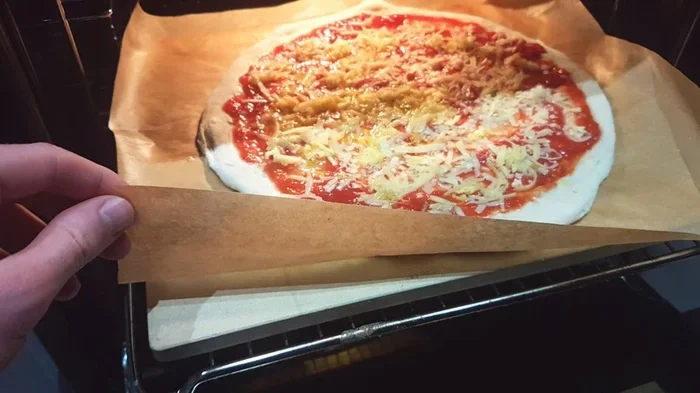
Preheat your oven to 425°F (220°C). This high temperature is ideal for getting a good char without overcooking the inside. While the oven heats, line a baking sheet with parchment paper or aluminum foil. Parchment is best for easy cleanup, but foil works too and can help with even browning.
Arrange the tomatillos on the baking sheet in a single layer. Leave at least half an inch of space between each one. If you are roasting a large batch, use two sheets or work in shifts. Overcrowding the pan traps steam and leads to steaming instead of roasting. That means no char and a softer, less flavorful result.
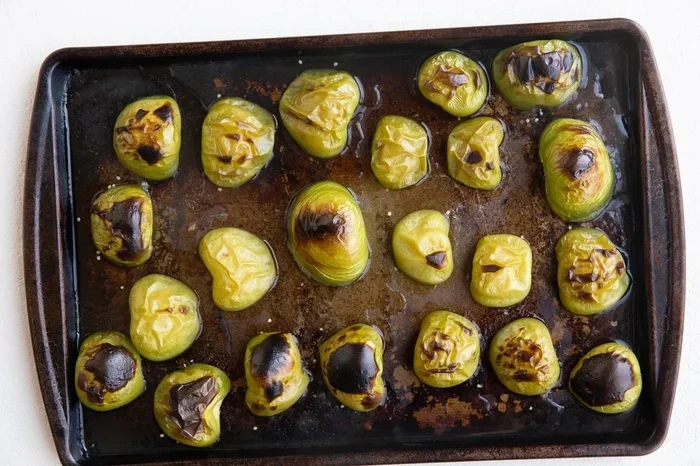
Place the baking sheet on the middle oven rack. Roast for 15 to 20 minutes. You will know they are done when the skin looks blistered, wrinkled, and slightly blackened in spots. The tomatillos should feel soft when you gently press them with a spoon or tongs. If you like a deeper char, you can broil them for an extra 1–2 minutes, but watch them closely so they do not burn.
Using Foil or a Baking Sheet
Both options work, but they give slightly different results. A bare baking sheet promotes more even browning and a crispier exterior. Foil makes cleanup faster, but it can cause the bottom to steam a little. For the best of both worlds, try using a silicone baking mat on top of a foil-lined sheet. This gives you easy cleanup with great browning.
If you prefer a smoky flavor, you can roast tomatillos directly on the oven rack set over a sheet pan below to catch drips. This method allows maximum air circulation and a deeper roasted flavor. Just be careful when placing the rack; the tomatillos may fall through if they are small. Halving them first can help prevent that.
Roasted Tomatillos for Salsa Verde and Other Dishes
Once your tomatillos are roasted, the possibilities are endless. The most classic use is in salsa verde, but they also shine in sauces, soups, and as a side dish. Let me show you how to turn your roasted batch into something delicious.
Classic Salsa Verde Recipe
This simple recipe uses roasted tomatillos as the base. You will need:
- 1 pound roasted tomatillos
- 1–2 jalapeños or serrano peppers (roasted alongside)
- ½ cup fresh cilantro
- 1 clove garlic, roasted
- ¼ cup white onion, roughly chopped
- Juice of 1 lime
- Salt and cumin to taste
Add the roasted tomatillos, jalapeños, garlic, onion, and cilantro to a blender or food processor. Pulse a few times for a chunky salsa, or blend until smooth for a silky sauce. Add lime juice and salt, then pulse again to combine. Taste and adjust the seasoning. If you like a milder salsa, remove the seeds and ribs from the peppers before roasting.
This salsa verde is fantastic with tortilla chips, tacos, grilled chicken, or fish. It keeps well in the fridge for up to 5 days. The roasted flavor deepens overnight, making it even better the next day.
Using Roasted Tomatillos in Tacos and Enchiladas
Beyond salsa, roasted tomatillos add a tangy kick to many dishes. For tacos, simply chop a few roasted tomatillos and scatter them over your filling. They pair beautifully with carnitas, grilled shrimp, or black beans. A sprinkle of fresh cilantro and a squeeze of lime ties everything together.
For enchiladas, blend roasted tomatillos with a little chicken broth, cumin, and chili powder to create a quick green sauce. Pour it over rolled tortillas filled with cheese or shredded chicken, then bake until bubbly. This enchilada sauce is far superior to anything from a jar. The roasted tomatillos give it a rich, complex flavor that will impress your guests.
Tips for Perfectly Roasted Tomatillos
Even a simple recipe can go wrong if you overlook a few details. Here are some expert insights and quick tips to ensure your roasted tomatillos turn out perfectly every time.
Quick Tips for Better Roasting
- Halve large tomatillos: Cutting them in half exposes more surface area and speeds up roasting.
- Add garlic and peppers: Toss whole garlic cloves and whole peppers onto the same sheet. They roast together and add depth.
- Do not skip the dry step: Wet tomatillos steam and never get charred.
- Let them cool before blending: Hot tomatillos can steam up your blender and create a thin sauce.
- Char the peppers separately if needed: If you want more smoke, char jalapeños directly over a gas flame before adding them.
Common Mistakes to Avoid
Here are the most common errors home cooks make when roasting tomatillos, and how to fix them:
- Overcrowding the pan: This causes steaming and pale results. Use two sheets if needed.
- Not washing off the sticky residue: It can make your sauce feel gummy and affect the flavor.
- Roasting at too low a temperature: Low heat dries them out without charring. Stick to 425°F.
- Blending while too hot: This creates excess steam and a watery salsa. Let them cool for 10 minutes.
- Ignoring the husk removal: Even a small piece of husk left on can add a papery taste.
Expert Insight: The Role of Char
According to many Mexican cooks, the char is not a mistake—it is a feature. The blackened spots on roasted tomatillos add a smoky complexity that cannot be achieved any other way. Do not worry if some pieces look a little burnt. That slight bitterness balances the natural sweetness and tartness. This is what gives authentic salsa verde its signature depth. If you are new to this, start with a shorter roast time and add a few extra minutes to build up the char gradually.
Storing and Using Leftover Roasted Tomatillos
Roasted tomatillos keep well and are incredibly versatile for leftovers. You can store them in an airtight container in the refrigerator for up to 5 days. For longer storage, freeze them in a single layer on a baking sheet, then transfer to a freezer bag. They will keep for up to 3 months. Thaw overnight in the fridge before using.
Leftover roasted tomatillos are perfect for quick meals. Toss them into scrambled eggs, fold them into quesadillas, or blend them into a creamy soup base. They also make a flavorful addition to rice or grain bowls. The tangy, charred flavor elevates simple dishes into something restaurant-quality.
Conclusion
How to cook tomatillos in the oven is a simple skill that unlocks a world of flavor. From the moment you remove the husks to the final char on the baking sheet, each step builds toward a bright, smoky, and tangy result. You now know how to prep, roast, and use them in everything from salsa verde to enchilada sauces. The process is forgiving and flexible, so do not be afraid to experiment. Try adding different chilies, roasting extra garlic, or adjusting the roast time to suit your taste. With this guide, you have the foundation to create restaurant-quality Mexican dishes right in your own kitchen. Grab a batch of tomatillos, preheat your oven, and enjoy the process. Your taste buds will thank you.
Frequently Asked Questions
Do I need to peel the skin of tomatillos before roasting?
No, the skin is edible and roasts perfectly fine. Just make sure you wash off the sticky residue thoroughly. The skin helps hold the fruit together during roasting and adds a slight texture to your salsa or sauce.
Can I roast tomatillos with the husks on?
It is not recommended. The husk can burn in the oven and impart a papery, bitter taste. Always remove the husk and wash the fruit before roasting for the best flavor and texture.
What is the best way to store leftover roasted tomatillos?
Store them in an airtight container in the refrigerator for up to 5 days. You can also freeze them on a baking sheet first, then transfer to a freezer bag for up to 3 months. Thaw in the fridge before using.
Can I use roasted tomatillos in a blender while they are hot?
It is better to let them cool for about 10 minutes first. Hot tomatillos create a lot of steam inside the blender, which can make your salsa or sauce thin and watery. Cooling also prevents pressure buildup and potential spills.
How do I know when roasted tomatillos are done?
They are done when the skin looks blistered, wrinkled, and slightly charred in spots. The tomatillos should feel soft when gently pressed with a spoon or tongs. If they still feel firm, give them another 2–3 minutes in the oven.
Can I roast tomatillos on a gas stovetop instead of the oven?
Yes, you can char them directly over a gas flame using tongs. This gives a great smoky flavor and is a traditional method. However, oven roasting is more even and easier to control, especially for larger batches. Both methods work well for making salsa verde.