When To Pull A Turkey Out Of The Oven For Juicy Results
Knowing when to pull a turkey out of the oven is the single most important step in roasting a juicy, flavorful bird. This guide covers the exact internal temperatures, visual cues, and timing tips you need to avoid dry turkey and serve a showstopper. Whether you are cooking for Thanksgiving or a weekend family dinner, these simple methods work every time.
Roasting a turkey in the oven is one of the most rewarding cooking experiences. But it can also be stressful. The difference between a dry, tough bird and a moist, juicy masterpiece often comes down to one simple thing. Knowing exactly when to pull a turkey out of the oven.
Many home cooks make the same mistake every year. They leave the turkey in too long. The result? Dry breast meat and overcooked thighs that taste more like cardboard than the tender, flavorful bird you were hoping for. But it does not have to be this way.
This guide will walk you through everything you need to know. From internal temperatures to visual cues, carryover cooking to resting times. By the end, you will feel confident pulling your turkey at the perfect moment. When to pull a turkey out of the oven will no longer be a mystery. It will become second nature.
Key Takeaways
- Pull the turkey at 160°F for the breast: Carryover cooking will bring it up to the safe 165°F while resting.
- Thighs are done at 170-175°F: Dark meat needs a slightly higher temperature to become tender and juicy.
- Always use a meat thermometer: Guessing leads to overcooked or undercooked turkey every time.
- Rest your turkey for 30-45 minutes: This lets juices redistribute and keeps the meat moist.
- Start checking early: Begin monitoring temperature 30-45 minutes before the expected finish time.
- Golden brown skin is a good sign: But color alone does not tell you if the turkey is done inside.
- Remove the turkey at the right moment: Timing is everything for the juiciest, most flavorful results.
📑 Table of Contents
Understanding Turkey Doneness
Before we talk about timing, let us understand what “done” really means. A turkey is safe to eat when it reaches a minimum internal temperature of 165°F. But safe does not always mean juicy. The real secret lies in pulling the turkey at the right moment before it hits that final temperature in the oven.
Different parts of the turkey cook at different rates. The breast meat is lean and cooks faster. The thigh meat is darker and fattier, so it needs more time. This difference is why timing and temperature matter so much.
What Internal Temperature Means
Internal temperature is the most accurate way to know if your turkey is ready. It tells you exactly what is happening inside the bird. A meat thermometer is the single best tool you can own for roasting turkey.
Here is a simple truth. The temperature inside the turkey will continue to rise even after you take it out of the oven. This is called carryover cooking. It can add 5 to 10 degrees Fahrenheit. So if you wait until the thermometer reads 165°F inside the oven, your turkey will be well over 170°F by the time you slice it. That is how turkey turns dry.
Why Temperature Matters More Than Time
Cooking times on recipes are just estimates. Every oven is different. Every turkey is a different size and shape. Stuffed turkeys cook differently than unstuffed ones. Even the starting temperature of the meat changes things.
Relying on a clock alone is a recipe for disappointment. Instead, trust your thermometer. It removes all the guesswork. You will know exactly when to pull a turkey out of the oven based on real data, not luck.
Here are some quick facts to keep in mind:
- Oven temperature matters: Most recipes call for 325°F to 350°F. Higher temperatures brown the skin faster but dry out the meat.
- Turkey size affects cooking time: A 12-pound bird takes about 3 hours. A 20-pound bird can take 4.5 hours or more.
- Starting temperature counts: A turkey straight from the fridge takes longer than one brought to room temperature first.
- Stuffed vs unstuffed: Stuffed turkeys need extra cooking time because the stuffing inside must also reach 165°F.
The Ideal Internal Temperatures
Now let us get specific. What temperatures should you be looking for? This is the heart of the answer to when to pull a turkey out of the oven.
Turkey Breast Temperature
The breast is the most important part to watch. It is lean and dries out quickly. You want to pull the turkey when the breast reaches 160°F to 162°F. After resting, carryover cooking will bring it up to the safe 165°F. This small difference makes a huge impact on juiciness.
Think of it this way. You are pulling the turkey off the heat 3 to 5 degrees early. That is all it takes to keep the breast meat tender and moist. It is the best-kept secret in oven-roasted turkey recipes.
Some cooks worry about food safety if they pull the turkey at 160°F. Here is the reassuring part. The USDA says that holding meat at 165°F for a few seconds kills harmful bacteria. During resting, the temperature stays in that safe zone long enough. The turkey continues to cook gently from residual heat.
Turkey Thigh Temperature
Thigh meat is different. It is darker, fattier, and more forgiving. You want the thighs to reach 170°F to 175°F before pulling the turkey out. This is the sweet spot where the collagen in the dark meat breaks down. The result is tender, fall-off-the-bone meat with rich flavor.
Because thighs cook slower than breasts, you will often find the breast is done before the thighs. This is normal. It is another reason why a meat thermometer is essential. You cannot judge doneness by looking at one spot on the bird.
Always check both the breast and the thigh. Insert the thermometer into the thickest part of each area without touching bone. Bone conducts heat differently and can give you a false reading.
| Turkey Part | Pull Temp (Out of Oven) | Final Temp (After Resting) |
|---|---|---|
| Breast | 160-162°F | 165°F |
| Thigh | 170-175°F | 175-180°F |
| Whole Bird (Safe Minimum) | 165°F | 165°F+ |
Carryover Cooking: The Secret Most People Miss
Carryover cooking is the reason so many turkeys come out dry. It is also the reason the answer to when to pull a turkey out of the oven is earlier than you think.
What Is Carryover Cooking?
When you take a hot turkey out of the oven, the heat does not just disappear. The outer layers are very hot. That heat continues to move inward. The internal temperature keeps rising for 10 to 15 minutes after removal. Some large birds can see a 10-degree increase.
This is a good thing if you plan for it. It means you can pull the turkey early and still hit the perfect final temperature. It is like turning off the stove a little before the food is “done.” The residual heat finishes the job gently.
How Much Does Temperature Rise?
The carryover rise depends on the size of the turkey. Larger birds retain more heat and see a bigger temperature jump. Here is a general guide:
- Small turkeys (under 12 pounds): 3 to 5 degrees of carryover rise.
- Medium turkeys (12-18 pounds): 5 to 8 degrees of carryover rise.
- Large turkeys (over 18 pounds): 8 to 10 degrees of carryover rise.
Plan for this rise when you decide when to pull a turkey out of the oven. Subtract the expected carryover from your target final temperature. That gives you your pull temperature.
Signs Your Turkey Is Ready To Come Out
A thermometer is the best tool, but there are also visual and physical signs that help. Learning these signs builds your confidence in the kitchen.
Visual Cues
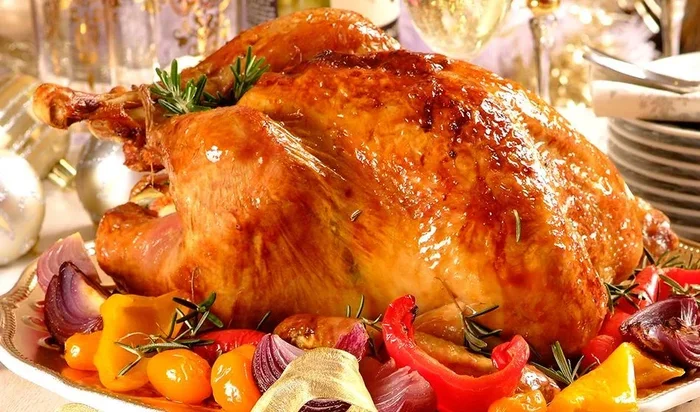
The skin should be deep golden brown all over. If you see pale patches, the turkey may need more time. The juices should run clear when you pierce the thickest part of the thigh. Pink or red juices mean the turkey needs more cooking.
Another visual sign is the position of the leg. When the turkey is done, the leg moves freely in its socket. If it feels tight or stuck, the bird may need a few more minutes.
Touch and Feel Tests
Experienced cooks use touch to check doneness. Press the thickest part of the breast with your finger (or tongs). A done turkey breast feels firm but gives slightly. It should not feel rubbery or soft.
For the thigh, press the meat near the bone. It should feel firm with some give. If it feels loose or jelly-like, it needs more time. These tests are not as precise as a thermometer, but they are helpful when combined with temperature readings.
Common Mistakes That Ruin Turkey
Even experienced cooks sometimes make errors. Knowing what to avoid helps you serve the best turkey roast possible.
Overcooking the Breast
This is the number one mistake. People leave the turkey in until the breast hits 165°F in the oven. By the time they rest and slice it, the breast is dry and stringy. The fix is simple. Pull the turkey when the breast reads 160°F. Let carryover cooking do the rest.
Skipping the Rest Period
Resting is not optional. When you cut into a hot turkey, all the juices run out onto the cutting board. The meat dries out fast. A resting period of 30 to 45 minutes lets the juices redistribute throughout the meat.
During resting, the temperature stays safe while the turkey becomes more tender. Tent the bird loosely with foil. Do not wrap it tightly, or you will steam the skin and lose that beautiful crispness.
Relying on Pop-Up Timers Alone
Many turkeys come with pop-up timers. These are okay as a backup, but they are not precise. The timer pops at 165°F, which is fine for safety but not ideal for juiciness. Always use a separate meat thermometer for the most accurate readings.
Not Bringing the Turkey to Room Temperature
A cold turkey straight from the fridge cooks unevenly. The outside overcooks while the inside is still cold. Take the turkey out of the refrigerator 30 to 60 minutes before cooking. This small step leads to more even turkey cooking time and better results.
Tips For The Perfect Turkey Every Time
Here are practical tips that make a real difference. These will help you master the art of roasting turkey and answer that burning question of when to pull a turkey out of the oven with confidence.
Use a Meat Thermometer
This cannot be stressed enough. A good instant-read thermometer takes the guesswork out of roasting. Insert it into the thickest part of the breast and the thigh. Avoid touching bone, fat pockets, or the pan.
Digital thermometers are faster and more accurate than dial versions. Some even have leave-in probes with wireless alerts. These let you monitor the turkey from across the room. When the temperature hits your target, you get a notification. It is a game changer.
Plan Your Cooking Time
A general rule is about 13 to 15 minutes per pound at 325°F. But again, this is just a starting point. Use your thermometer to track real progress. Start checking the temperature about 30 minutes before you expect the turkey to be done.
Here is a rough guide for planning:
- 8-12 pounds: 2.5 to 3 hours
- 12-16 pounds: 3 to 3.5 hours
- 16-20 pounds: 3.5 to 4 hours
- 20-24 pounds: 4 to 4.5 hours
Brine or Dry Brine for Extra Juiciness
Brining adds moisture to the meat before it ever hits the oven. A wet brine soaks the turkey in saltwater for 12 to 24 hours. A dry brine rubs salt directly on the skin and lets it rest uncovered in the fridge overnight.
Both methods work wonders. They season the meat deeply and help it retain moisture during cooking. Even if you forget to brine, salting the turkey a few hours before roasting still helps. It draws out moisture and then reabsorbs it, creating a juicier result.
Let the Turkey Cool Before Carving
Patience is key. Carving too soon releases all those hard-earned juices. Wait at least 30 minutes after pulling the turkey out. The meat will be easier to slice, and every piece will be moist and flavorful.
Use a sharp carving knife and a sturdy cutting board. Slice against the grain for the most tender pieces. Save the drippings for gravy. They add incredible flavor to any side dish.
Expert Insights On Turkey Roasting
Professional chefs and food scientists agree on one thing. The difference between a good turkey and a great turkey is timing. When to pull a turkey out of the oven is not about hitting a single number on a clock. It is about understanding your specific bird, your oven, and your thermometer.
Chef Thomas Keller once said that cooking is about attention and care. The same applies to turkey. Check the temperature regularly. Stay present in the kitchen. Do not just set a timer and walk away.
Food scientist Harold McGee explains that protein fibers in turkey tighten as they cook. Up to about 165°F, the fibers are tender and juicy. Beyond that, they squeeze out moisture and become dry. This is why pulling the turkey a few degrees early makes such a dramatic difference.
The best turkey recipe in the world cannot save a turkey that is left in the oven too long. Master the timing, and any simple recipe will produce outstanding results.
Key Takeaways
- Pull the turkey at the right temperature: 160°F for the breast, 170-175°F for the thighs, before carryover cooking finishes the job.
- Always use a meat thermometer: It is the only reliable way to know when your turkey is done.
- Account for carryover cooking: The temperature will rise 5-10 degrees after removal from the oven.
- Rest the turkey for 30-45 minutes: This step is essential for juicy, easy-to-slice meat.
- Check multiple spots: The breast and thigh cook at different rates. Monitor both.
- Avoid common mistakes: Overcooking, skipping the rest, and relying on pop-up timers lead to dry turkey.
- Practice makes perfect: Every roast teaches you more about your oven and your bird.
Conclusion
When to pull a turkey out of the oven is the most important decision you make during the entire cooking process. Get this right, and everything else falls into place. The skin will be golden and crispy. The meat will be moist and tender. Your family and guests will rave about the turkey roast for days.
Remember the key numbers. Pull the breast at 160°F. Pull the thighs at 170°F. Let carryover cooking do the final push. Rest the bird for at least 30 minutes. And always, always use a thermometer.
These simple steps transform turkey night from stressful to effortless. You will feel confident, the meat will be perfect, and the compliments will flow. So the next time you roast a turkey in the oven, trust the process. Trust the thermometer. And pull that bird out at exactly the right moment.
Your juicy, flavorful turkey is waiting. Now go make it happen.
Frequently Asked Questions
Can I pull the turkey out at 160°F and still be safe?
Yes, absolutely. The USDA states that heating poultry to 165°F kills harmful bacteria, but the turkey continues to cook during resting. When you pull the breast at 160°F, carryover cooking brings it up to the safe zone. The turkey spends enough time above 160°F during resting to ensure food safety while staying juicy.
How long should I rest my turkey before carving?
Rest your turkey for at least 30 to 45 minutes after pulling it out of the oven. This allows the juices to redistribute throughout the meat. Tent the turkey loosely with foil to keep it warm without steaming the skin. The rest period also makes the turkey easier to carve and more flavorful to eat.
What temperature should a whole turkey be when pulled from the oven?
Pull the whole turkey when the breast reaches 160°F and the thigh reaches 170°F to 175°F. Remember that carryover cooking will raise these temperatures by 5 to 10 degrees after removal. This means the final resting temperatures will be the safe 165°F for the breast and 175°F+ for the thighs.
Does a stuffed turkey need to be pulled out at a different time?
Yes, stuffed turkeys need extra cooking time because the stuffing inside must also reach 165°F. This usually means the turkey needs to stay in the oven longer. However, many food experts recommend cooking stuffing separately for better texture and food safety. If you do stuff the turkey, check the stuffing temperature with your thermometer in the center.
How can I tell if my turkey is done without a thermometer?
While a thermometer is the most reliable method, you can check by piercing the thickest part of the thigh. The juices should run clear, not pink. The leg should move freely in its socket. However, these methods are less precise than using a meat thermometer and can lead to overcooking if you rely on them alone.
Why is my turkey dry even when I followed the cooking time?
Cooking time alone is not a reliable indicator of doneness. Ovens vary in temperature, turkey sizes differ, and starting temperatures change everything. The most common reason for dry turkey is overcooking the breast. Pull the turkey when the breast hits 160°F, not 165°F, and always let it rest before carving. These two steps alone solve most dry turkey problems.
=== CONCLUSION ===
When to pull a turkey out of the oven comes down to three things: temperature, timing, and patience. Use a meat thermometer, pull the turkey early, and let it rest. Follow these steps and you will roast the juiciest, most flavorful turkey every single time. Share this guide with friends and family so they never serve a dry turkey again.