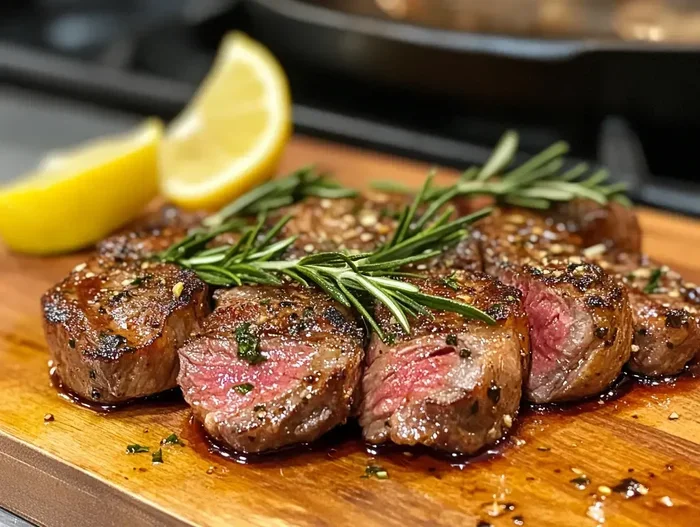
How To Cook Lamb Heart In Oven Perfectly Every Time
How to cook lamb heart in oven is simpler than most people think. This guide walks you through cleaning, marinating, and baking lamb heart for tender, juicy results. You’ll learn the ideal temperature, timing, and serving tips for a delicious, nutrient-packed meal that’s ready in under an hour.
How to cook lamb heart in oven is a skill that turns a humble organ meat into a tender, juicy delicacy. Many people avoid lamb heart because they think it’s tough or gamey. But with the right technique, you get a rich, iron-packed meal that’s ready in under an hour. This guide covers everything from cleaning the heart to slicing it perfectly. You’ll learn the exact oven temperature, marinade ideas, and serving tips that guarantee success every time.
Lamb heart is one of the most nutrient-dense cuts you can eat. It’s loaded with protein, B vitamins, and iron. Yet it costs a fraction of lamb chops or steaks. Cooking it in the oven makes it hands-off and easy. Whether you’re new to offal or a seasoned fan, this lamb heart recipe will become a weeknight staple. So grab your apron, and let’s get started.
Key Takeaways
- Oven-baked lamb heart stays tender: A moderate 375°F (190°C) with a little marinade keeps the meat juicy and easy to slice.
- Cleaning is quick and essential: Removing blood vessels and membranes removes any gaminess and improves texture.
- Resting matters: Let the heart rest for 10 minutes after baking so the juices redistribute and every bite is moist.
- Slice against the grain: This simple step makes each piece tender and perfect for sandwiches or salads.
- It’s a budget-friendly superfood: Lamb heart is packed with protein, iron, and B vitamins at a fraction of the cost of steaks.
- Marinade flexibility: A simple herb mix or a spicy smoky rub both work beautifully for oven-baked lamb heart.
📑 Table of Contents
Why Lamb Heart Deserves a Spot on Your Plate
Lamb heart often gets overlooked, but it’s one of the most flavorful and affordable cuts available. It’s a lamb heart recipe that works for busy weeknights and special occasions alike. The heart is a muscle, so it’s naturally rich in protein and iron. Eating organ meats like heart is a great way to add lamb heart nutrition to your diet without breaking the bank.
The Nutrition Powerhouse
A single serving of lamb heart provides more than 20 grams of protein and high levels of vitamin B12, zinc, and selenium. It’s also a great source of coenzyme Q10, which supports heart health. Because it’s a lamb heart cut, it shares the same rich, mineral profile as other organ meats but with a more tender texture. If you’re looking for a healthy lamb heart dinner, this is the answer.
Lamb Heart vs Other Cuts
Compared to muscle meats like lamb chops, heart is leaner and more affordable. It also has a deeper, more concentrated flavor. Here’s how it stacks up against other common options:
| Cut | Flavor | Texture | Price | Best Cooking Method |
|---|---|---|---|---|
| Lamb Heart | Rich, mineral, slightly gamey | Tender when cooked right | Low | Oven roast or grill |
| Lamb Liver | Strong, mineral | Soft, delicate | Low | Quick pan-sear |
| Lamb Chops | Mild, fatty | Juicy, tender | High | Grill or pan-sear |
| Beef Heart | Beefy, dense | Tough if overcooked | Medium | Slow braise or oven roast |
As you can see, oven-baked lamb heart is a smart choice for flavor, cost, and nutrition. It bridges the gap between organ meats and traditional steaks.
How to Prep and Clean Lamb Heart
Before you start cooking, you need to prepare the cleaned lamb heart. This step is quick and makes a huge difference in the final taste. A properly cleaned heart has no gamey odor and a smooth, uniform texture.
Removing Blood Vessels
Start by rinsing the heart under cold water. Feel for the large blood vessels running through it. Use a sharp knife to cut them out. You’ll see a network of tubes—pull them out gently. This removes any residual blood that can cause a metallic taste. A how to clean lamb heart guide always starts with this step.
Trimming Fat and Membranes
Next, trim away the outer fatty membrane. It can be tough and chewy after cooking. Leave a thin layer of fat on the heart, though—it adds flavor and keeps the meat moist. Slice off any visible gristle or connective tissue. Once cleaned, the heart is ready for marinating.
Quick Tips:
- Work on a clean cutting board with a sharp boning knife.
- Keep the heart cold while cleaning to make it firmer and easier to handle.
- Don’t discard the trimmed fat—you can render it for cooking later.
The Best Marinade and Seasoning
A good lamb heart marinade tenderizes the meat and adds layers of flavor. Because heart is lean, it benefits from a little extra fat and acid. You can keep it simple or go bold with spices.
Simple Herb Marinade
This classic marinade lets the natural flavor of the heart shine. Combine 2 tablespoons of olive oil, 3 cloves of minced garlic, a tablespoon of fresh rosemary, a teaspoon of thyme, salt, and black pepper. Marinate the cleaned heart for at least 30 minutes, or up to 4 hours in the fridge.
Spicy Smoky Option
For a deeper flavor, try a smoky spice rub. Mix smoked paprika, cumin, chili powder, garlic powder, and a pinch of brown sugar. Rub it all over the heart with a little oil. This works great for lamb heart for dinner when you want something with a kick.
Both marinades complement the heart of lamb recipe beautifully. The key is to not skip the marinating step—it makes the meat more tender and flavorful.
Oven Temperature and Cooking Time for Perfect Lamb Heart
This is the most important part of how to cook lamb heart in oven. Getting the temperature and timing right ensures a juicy, not tough, result. The heart is a lean muscle, so it can dry out quickly if you’re not careful.
Low and Slow Method
For the most tender result, bake at 375°F (190°C). This moderate heat cooks the heart evenly without drying it out. A 1-pound heart takes about 25–30 minutes. This method is ideal for beginners because it’s forgiving.
High Heat Sear Option
If you prefer a seared crust, start with a hot skillet on the stovetop. Sear the marinated heart for 2 minutes per side. Then transfer it to a 400°F (200°C) oven for 15–18 minutes. This gives you a seared lamb heart with a flavorful crust and a pink center.
Internal Temperature Guide
Use a meat thermometer for the best results. Here’s a quick reference:
| Doneness | Internal Temperature | Texture |
|---|---|---|
| Rare | 120–125°F (49–52°C) | Very soft, deep red center |
| Medium Rare | 130–135°F (54–57°C) | Pink, juicy, tender |
| Medium | 140–145°F (60–63°C) | Slight pink, firmer |
| Well Done | 155°F+ (68°C+) | Gray, dry, tough |
For the best lamb heart cooking time and texture, aim for medium rare at 130–135°F. This keeps the meat juicy and easy to slice. Overcooking past 145°F will make it tough and chewy.
Expert Insight: Professional chefs often rest lamb heart for 10 minutes after baking. This lets the juices settle back into the meat. Skipping this step is the most common reason heart turns out dry.
Slicing, Resting, and Serving
Once your oven-baked lamb heart is done, it’s time to slice and serve. How you cut the meat affects the texture and presentation. A few simple steps make every piece tender and delicious.
How to Slice Against the Grain
Let the heart rest for 10 minutes. Then place it on a cutting board. Look for the direction of the muscle fibers—these are the “grain.” Slice perpendicular to the grain, about ¼ inch thick. This shortens the muscle fibers and makes each bite tender. Slicing with the grain will result in chewy pieces.
Serving Suggestions
Lamb heart is incredibly versatile. Here are some ideas:
- Thinly sliced on a crusty baguette with arugula and lemon.
- Diced into a salad with roasted vegetables and a balsamic vinaigrette.
- Served alongside mashed potatoes and steamed greens for a classic lamb heart dinner.
- Added to tacos with fresh salsa and cilantro.
The mild, rich flavor pairs well with bright, acidic sides. A simple cucumber salad or a squeeze of lemon brightens every bite.
Common Mistakes to Avoid
Even with a great recipe, small mistakes can ruin the result. Avoid these pitfalls to get perfect lamb heart every time.
Overcooking the Heart
The most common mistake is cooking the heart too long. Because it’s lean, it dries out fast. Use a meat thermometer and pull it out at 130–135°F for medium rare. The temperature will rise a few degrees while resting. If you wait for a gray center, it’s already overcooked.
Skipping the Rest
Resting is non-negotiable. Cutting into the heart immediately releases all the juices onto the board. Give it at least 10 minutes. This is the same principle that applies to steak and roast chicken.
Not Cleaning Properly
Leaving blood vessels or membranes in the heart leads to a metallic taste and unpleasant texture. Take the extra five minutes to clean it thoroughly. A cleaned lamb heart cooks more evenly and tastes much better.
Using a Dull Knife for Slicing
A dull knife tears the meat instead of slicing it cleanly. This makes each piece look ragged and feel tough. Sharpen your knife before you start slicing the rested heart.
Conclusion
How to cook lamb heart in oven is a straightforward process that rewards you with a tender, flavorful, and highly nutritious meal. By cleaning the heart properly, marinating it, and baking at the right temperature, you unlock a cut of meat that’s both affordable and delicious. The key is to not overcook it—aim for medium rare and let it rest before slicing.
This lamb heart recipe is perfect for anyone looking to explore organ meats or add variety to their dinner rotation. It’s quick, healthy, and packed with lamb heart nutrition. Once you master the basics, you’ll wonder why you ever paid extra for expensive steaks. Try it this week, and you’ll see how easy and satisfying cooking lamb heart in the oven can be.
Frequently Asked Questions
Is lamb heart safe to eat?
Yes, lamb heart is safe and nutritious when properly cleaned and cooked to at least 130°F internally. It’s a muscle meat, not a risky organ like liver, and it cooks quickly in the oven.
How do I know if lamb heart is bad?
Fresh lamb heart should smell mildly metallic but not foul. The color should be a deep, bright red. If it has a slimy texture, grayish color, or a strong ammonia smell, discard it immediately.
Can I freeze lamb heart before cooking?
Absolutely. Wrap the cleaned heart tightly in plastic wrap and freezer paper. It keeps for up to 3 months. Thaw it in the fridge overnight before marinating and baking.
What’s the best way to reheat leftover lamb heart?
Slice the leftover heart and reheat gently in a skillet with a little oil over medium-low heat. This keeps it tender. Avoid microwaving, which can dry it out quickly.
Does lamb heart taste like liver?
No. Lamb heart has a milder, more beef-like flavor compared to liver. It’s richer than muscle meat but not as intense as liver. When marinated and baked, it tastes similar to a tender steak.
Can I use a convection oven for lamb heart?
Yes, a convection oven works great. Reduce the temperature by 25°F and check for doneness a few minutes early. The fan circulates heat evenly, which helps the heart cook uniformly.