Can You Cook Pizza On Parchment Paper In Oven Safely
Yes, you can cook pizza on parchment paper in the oven safely and it is one of the easiest ways to get a great pizza at home. Using parchment paper makes transferring pizza in and out of the oven simple and mess-free. It also helps prevent the bottom crust from sticking to your baking tray or pizza stone. The key is to use the right oven temperature and keep an eye on your cooking time. With a few simple tips, your parchment paper pizza will turn out crispy and delicious every single time.
Making pizza at home is one of the most fun and rewarding things you can do in the kitchen. But if you have ever tried sliding a naked pizza dough onto a hot baking sheet, you know how messy and stressful it can be. The cheese sticks, the dough tears, and suddenly your beautiful pizza looks like a disaster.
This is exactly why so many home cooks turn to parchment paper. Whether you are a beginner or a seasoned pizza maker, using parchment paper changes the game completely. It gives you a non-stick surface, makes transfers easy, and takes the fear out of pizza baking. In this guide, we will answer the big question: can you cook pizza on parchment paper in the oven safely?
The short answer is yes. But there is a lot more to know about getting the best results. From oven temperatures to cooking times, from choosing the right parchment paper to avoiding common mistakes, we will cover everything you need. By the end of this article, you will feel confident enough to bake your next pizza on parchment paper like a pro.
Key Takeaways
- Safe to Use: Parchment paper is oven-safe up to 425°F and works great for baking pizza at home.
- Easy Transfer: It lets you slide pizza in and out of the oven without a pizza peel or fancy tools.
- Crispy Crust: Pair parchment paper with a preheated pizza stone or baking sheet for the best bottom crust.
- Watch the Heat: Avoid broiler settings and very high temperatures that can cause parchment paper to brown or burn.
- No Sticking: Parchment paper prevents cheese and toppings from sticking, making cleanup a breeze.
- Best for Home Ovens: It is ideal for standard home ovens but may not work as well in very high-heat pizza ovens.
📑 Table of Contents
- Can You Cook Pizza on Parchment Paper in the Oven?
- How to Bake Pizza on Parchment Paper: Step-by-Step
- Benefits of Using Parchment Paper for Pizza
- Parchment Paper vs. Other Pizza Baking Methods
- Common Mistakes to Avoid When Using Parchment Paper for Pizza
- Expert Tips for the Perfect Pizza on Parchment Paper
- When Should You Avoid Parchment Paper for Pizza?
- Quick Tips for Parchment Paper Pizza Success
- Final Thoughts on Cooking Pizza on Parchment Paper
Can You Cook Pizza on Parchment Paper in the Oven?
The simple answer is yes, you absolutely can. Parchment paper is designed to handle heat, and most brands are safe up to 425 degrees Fahrenheit. That is more than enough for baking a delicious pizza at home. Your typical home oven bakes pizza between 400 and 450 degrees, so parchment paper fits right into that range.
However, there are a few important things to keep in mind. Not all parchment paper is the same. Some lower-quality brands may brown or scorch at high temperatures. Always check the packaging to confirm the maximum heat rating. You should also never place parchment paper under the broiler, since the direct top heat can cause it to ignite.
Why Parchment Paper Works for Pizza
Parchment paper is coated with silicone, which gives it natural non-stick properties. This means your pizza dough will not cling to the surface. The cheese slides right off, the crust releases cleanly, and you do not need to use excess oil or flour to prevent sticking.
Another big benefit is that parchment paper absorbs some of the moisture from the bottom of the pizza. This helps the crust crisp up instead of turning soggy. When combined with a preheated pizza stone or baking sheet underneath, you get a surprisingly crispy bottom crust that rivals what you would get from a professional pizza oven.
Using parchment paper also makes your life much easier when it comes to cleanup. No scrubbing baked-on cheese or sauce off a greasy baking tray. The parchment paper catches everything, and you simply toss it away when you are done.
Is Parchment Paper Oven-Safe?
Most parchment paper is oven-safe up to 420 to 450 degrees Fahrenheit. This is clearly stated on the packaging. For standard pizza baking, this temperature range is perfect. Your oven will typically be set between 400 and 450 degrees, which falls right within the safe zone.
However, you should never exceed the recommended temperature on the package. If you accidentally set your oven too high, the parchment paper can brown, curl, or in rare cases, catch fire. Always keep an eye on your pizza while it bakes, especially the first few times you try this method.
If you are worried about safety, look for parchment paper labeled “oven-safe” or “premium quality.” These brands tend to have higher heat tolerances and are more reliable. Avoid using wax paper in the oven, as it is not heat-resistant and can melt or catch fire.
How to Bake Pizza on Parchment Paper: Step-by-Step
Baking pizza on parchment paper is incredibly easy once you know the steps. Here is a simple guide that anyone can follow, even if you have never made pizza before.
Step 1: Preheat Your Oven
Start by preheating your oven to 425 to 450 degrees Fahrenheit. If you have a pizza stone or baking steel, place it on the middle rack while the oven heats up. Preheating the stone or tray ensures your pizza crust gets crispy from the bottom up.
Give your oven at least 20 to 30 minutes to reach the right temperature. A fully preheated oven makes a huge difference in the quality of your pizza crust. Do not skip this step.
Step 2: Prepare Your Parchment Paper
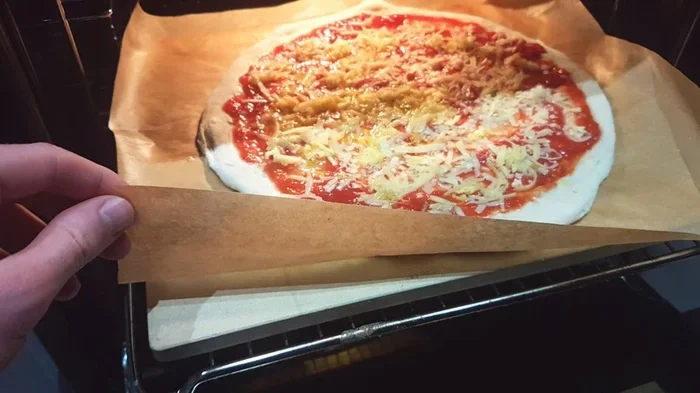
Cut a piece of parchment paper to fit your baking sheet or pizza pan. It should be large enough to hold your pizza with a little extra hanging off the edges. This extra paper makes it easier to slide the pizza in and out of the oven.
Place the parchment paper on your baking sheet or pizza tray. You can also put it directly on top of a preheated pizza stone if your stone is the right size. Some pizza peels come with parchment paper inserts, which work great too.
Step 3: Assemble Your Pizza
Now comes the fun part. Stretch or roll out your pizza dough on a floured surface, then transfer it onto the parchment paper. Add your sauce, cheese, and toppings as you normally would.
Keep the toppings light to medium. Too many toppings can make the pizza heavy and prevent the crust from cooking evenly. A good rule of thumb is to use about one cup of shredded mozzarella and a thin layer of sauce for a 12-inch pizza.
Step 4: Bake Your Pizza
Slide the parchment paper with the assembled pizza onto the preheated baking sheet or pizza stone. Bake for 10 to 15 minutes, or until the crust is golden brown and the cheese is bubbly and slightly browned.
Check your pizza after about 8 minutes. Every oven is different, so keep an eye on it. If the top is browning too fast, you can loosely tent a piece of aluminum foil over the pizza to prevent burning.
Step 5: Remove and Serve
Once your pizza is done, carefully pull it out of the oven using the parchment paper as a handle. The paper will be hot, so use oven mitts or a thick towel. Slide the pizza onto a cutting board, let it cool for a minute or two, and then slice and serve.
Discard the parchment paper or save it for reuse if it is still in good condition. Most parchment paper can be used one or two more times before it starts to break down.
Benefits of Using Parchment Paper for Pizza
There are many reasons why parchment paper has become a favorite tool for home pizza makers. Let us look at the biggest benefits.
Easy Pizza Transfer
This is the number one reason people use parchment paper. Without it, sliding a raw pizza onto a hot baking sheet or pizza stone is a real challenge. The dough sticks, stretches, and sometimes tears. With parchment paper, you simply assemble the pizza on the paper and slide it right onto the oven surface. No stress, no mess.
This is especially helpful if you are making pizza for a group. You can assemble multiple pizzas on parchment paper ahead of time and bake them one after another. It saves a ton of time and keeps things organized.
Non-Stick Surface
Parchment paper is naturally non-stick thanks to its silicone coating. Your pizza will release easily from the surface, and you will not need to use extra oil or flour. This means a cleaner pizza with a better texture. The bottom crust stays crisp instead of sticking and becoming soggy.
Simple Cleanup
Let us be honest. Cleanup after making pizza can be a chore. Baked-on sauce, melted cheese, and greasy dough can make your baking tray a nightmare to clean. With parchment paper, all of that stays on the paper. When you are done, just pull it out and throw it away. Your baking tray stays clean and ready for the next use.
Even Cooking
Parchment paper helps distribute heat evenly across the bottom of your pizza. This prevents hot spots that can cause parts of the crust to burn while other parts stay undercooked. The result is a more evenly baked pizza with a consistent texture from edge to center.
Parchment Paper vs. Other Pizza Baking Methods
There are several ways to bake pizza at home. Let us compare parchment paper with the most popular alternatives so you can decide what works best for you.
| Method | Ease of Use | Crust Quality | Cleanup | Best For |
|---|---|---|---|---|
| Parchment Paper | Very Easy | Good to Great | Very Easy | Beginners and quick cleanup |
| Pizza Stone | Moderate | Excellent | Moderate | Crispy, professional-style crust |
| Pizza Pan | Very Easy | Good | Easy | Deep dish and thick crust |
| Baking Sheet Alone | Easy | Fair | Moderate | Quick weeknight pizzas |
| Pizza Peel with Stone | Advanced | Excellent | Moderate | Enthusiasts and frequent bakers |
As you can see, parchment paper offers a great balance of ease and quality. It is not the absolute best method for crust quality, but it comes very close while being much easier to use. For most home cooks, parchment paper is the sweet spot between convenience and results.
If you want the absolute best crust, a pizza stone or pizza steel is the way to go. But using parchment paper on top of a preheated pizza stone gives you the best of both worlds. You get the crispy crust from the stone with the easy cleanup and transfer from the parchment paper.
Common Mistakes to Avoid When Using Parchment Paper for Pizza
Even though parchment paper is simple to use, there are a few mistakes that can ruin your pizza or even create a safety hazard. Here are the most common ones to watch out for.
Using Wax Paper Instead of Parchment Paper
This is the biggest mistake people make. Wax paper and parchment paper are not the same thing. Wax paper has a wax coating that melts at high temperatures. It can smoke, stick to your pizza, or even catch fire in the oven. Always use parchment paper, which is specifically designed for high-heat cooking.
Exceeding the Temperature Limit
Every parchment paper has a maximum temperature rating, usually around 425 to 450 degrees Fahrenheit. Going above this limit can cause the paper to brown, curl, or ignite. Never use parchment paper under the broiler, where temperatures can spike well above safe limits.
Skipping the Preheat
If you put your pizza on parchment paper without preheating your baking sheet or pizza stone, the bottom crust will be soft and pale. Preheating is essential for getting that crispy, golden bottom that makes pizza so satisfying. Place your baking sheet or stone in the oven while it heats up.
Overloading with Toppings
Too many toppings can make your pizza heavy and wet. The moisture from the sauce and vegetables gets trapped between the pizza and the parchment paper, which can make the bottom crust soggy. Keep your toppings moderate and pat vegetables dry before adding them.
Leaving the Pizza Too Long
Parchment paper can handle normal baking temperatures, but leaving your pizza in the oven for too long can cause the paper to brown or burn. Set a timer and check your pizza regularly. Most pizzas are done in 10 to 15 minutes at 425 to 450 degrees.
Expert Tips for the Perfect Pizza on Parchment Paper
Want to take your parchment paper pizza to the next level? Here are some expert tips that make a real difference.
Preheat the Parchment Paper
One pro trick is to preheat your baking sheet with the parchment paper already on it. This way, the pizza starts cooking the moment it hits the hot surface. The result is a crispier bottom crust that closely mimics what you would get from a pizza stone alone.
Use a Pizza Peel or Flat Tray
A pizza peel makes it easy to slide the parchment paper and pizza onto the hot stone or baking sheet. If you do not have a peel, a flat baking tray or cutting board works too. Just dust it with a little flour or cornmeal to prevent sticking.
Add a Light Brush of Olive Oil
Brushing the edges of the pizza dough with a little olive oil before baking gives you a beautifully golden, slightly glossy crust. It also adds a subtle richness to the flavor. Use just a small amount, about half a teaspoon, and spread it evenly on the dough edges.
Let the Parchment Paper Do the Work
Do not try to remove the parchment paper while the pizza is still hot and the cheese is molten. Wait a minute or two for the pizza to cool slightly. The pizza will release from the parchment paper naturally, and you can just lift the paper away and discard it.
Reuse Parchment Paper When Possible
If your parchment paper is still clean after baking, you can reuse it for another pizza or for other baking projects. Just flip it over to use a fresh side. This saves money and reduces waste, which is always a good thing.
When Should You Avoid Parchment Paper for Pizza?
While parchment paper is great for most home pizza baking, there are situations where it is not the best choice.
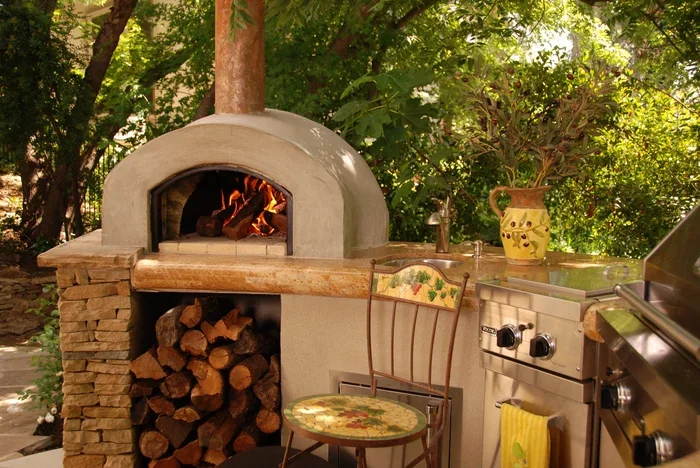
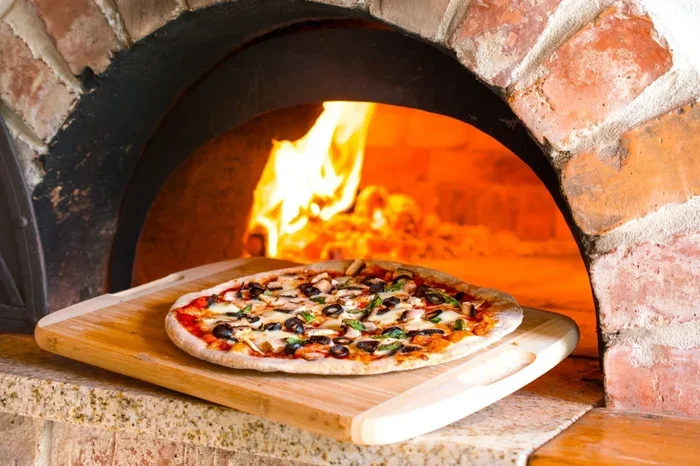
If you are using a pizza oven that reaches temperatures above 500 degrees Fahrenheit, parchment paper is not safe. Wood-fired pizza ovens and some high-end countertop pizza ovens can exceed the heat limit of parchment paper. In these cases, use a pizza peel directly on the hot stone or surface.
Also, if you are going for an ultra-thin, crispy Neapolitan-style crust, parchment paper can sometimes trap too much moisture. Traditional Neapolitan pizza is baked at very high temperatures for a very short time, and the best results come from direct contact with a hot stone or steel.
Finally, if your parchment paper is already browned or frayed from previous use, do not reuse it. Old, worn-out parchment paper is more likely to burn or stick to your pizza. Always use fresh, clean parchment paper for the best results and safest experience.
Quick Tips for Parchment Paper Pizza Success
- Check the package: Always confirm the maximum oven temperature on your parchment paper before using it.
- Use a pizza stone underneath: Place a preheated pizza stone or baking sheet under the parchment paper for a crispier crust.
- Do not use wax paper: Wax paper melts and can cause a fire. Only use parchment paper in the oven.
- Keep an eye on your pizza: Check it after 8 minutes to make sure nothing is burning or sticking.
- Use cornmeal on the parchment: A light dusting of cornmeal adds extra crispiness and makes removal even easier.
- Let it cool slightly: Wait a couple of minutes before removing the parchment paper to avoid tearing the crust.
Final Thoughts on Cooking Pizza on Parchment Paper
So, can you cook pizza on parchment paper in the oven safely? The answer is a resounding yes. Parchment paper is a safe, easy, and effective way to bake pizza at home. It simplifies the entire process, from assembly to transfer to cleanup. Whether you are a beginner just learning to make pizza or a busy parent looking for a quick weeknight dinner solution, parchment paper makes it all so much easier.
The key is to follow a few simple rules. Stay within the recommended temperature range, preheat your baking surface, and never use wax paper in place of parchment paper. With these basics in mind, you will be making delicious homemade pizza on parchment paper in no time.
Give it a try on your next pizza night. You might be surprised at how much easier and more enjoyable the process becomes. Once you start using parchment paper, you may never go back to the old way of juggling a naked pizza dough over a hot baking sheet. Happy baking!
Frequently Asked Questions
Can parchment paper catch fire in the oven?
In normal baking conditions, parchment paper is very unlikely to catch fire. It is designed to handle temperatures up to 425 to 450 degrees Fahrenheit. However, if it touches the oven heating element or is used under the broiler, it can brown or ignite. Always keep an eye on your pizza and never leave the oven unattended.
Can you reuse parchment paper for pizza?
Yes, you can reuse parchment paper if it is still clean and not overly browned. Flip it over to use the other side for a fresh baking surface. However, if the paper is torn, stained, or brittle, it is best to throw it away and use a fresh sheet for safety and quality.
Does pizza crust get crispy on parchment paper?
Yes, it can get crispy, especially if you preheat your baking sheet or pizza stone underneath the parchment paper. The parchment paper absorbs some moisture from the bottom of the crust, which helps it crisp up. For the crispiest results, use a preheated pizza stone or baking steel.
What temperature should you bake pizza on parchment paper?
The ideal temperature is between 425 and 450 degrees Fahrenheit. This range works well with most parchment paper brands and produces a perfectly baked pizza with a golden, crispy crust and bubbly cheese. Always check the temperature limit on your parchment paper packaging.
Is it better to use parchment paper or a pizza stone?
Both have their advantages. A pizza stone alone gives the best crust quality, but parchment paper makes the process much easier and cleaner. The best approach is to use both together. Place parchment paper on top of a preheated pizza stone for easy transfers and excellent crust results.
Can you put parchment paper on a pizza stone directly?
Yes, you can place parchment paper directly on a pizza stone. This makes it much easier to slide the pizza in and out of the oven. Just make sure the parchment paper does not hang over the edges of the stone where it could touch the oven walls or heating element.
=== CONCLUSION ===
Baking pizza on parchment paper in the oven is safe, easy, and incredibly rewarding. It removes the stress of pizza making and gives you a clean, non-stick surface that produces great results every time. From easy transfers to simple cleanup, the benefits are clear for home cooks of all skill levels.
Remember to stay within the safe temperature range, preheat your baking surface, and avoid common mistakes like using wax paper or exceeding the heat limit. With the tips and guidance in this article, you are fully equipped to make delicious homemade pizza on parchment paper whenever the craving strikes. So go ahead, preheat your oven, and enjoy the process of making your perfect parchment paper pizza tonight.