How To Clean An Oven With Self Clean Mode Effortlessly
Cleaning your oven with self clean mode is one of the easiest ways to keep your kitchen fresh and your appliance running smoothly. This guide walks you through every step of the self-cleaning oven process, from prep work to post-cleaning care. You will learn how to clean oven with self clean mode safely, avoid common mistakes, and maintain your oven for long-lasting performance.
Key Takeaways
- Self-clean mode uses high heat: It burns off grease and food residue at extreme temperatures, leaving ash behind that wipes away easily.
- Preparation is essential: Removing racks and wiping large debris before starting the cycle prevents smoke and odors.
- Safety comes first: Always ventilate your kitchen, keep pets away, and never use chemical cleaners during the self-clean cycle.
- Post-cleaning care matters: Wiping away ash with a damp cloth and reinserting clean racks keeps your oven in top shape.
- Avoid common mistakes: Skipping prep, overusing the self-clean feature, and ignoring manual instructions can damage your oven.
- Regular maintenance reduces cleaning frequency: Simple habits like using oven liners and wiping spills early make a big difference.
📑 Table of Contents
- How To Clean An Oven With Self Clean Mode Effortlessly
- How To Prepare Your Oven Before Self Cleaning
- Step-by-Step Guide to Using Self Clean Mode
- What Happens During the Self Clean Cycle?
- Common Mistakes to Avoid When Using Self Clean Mode
- Cleaning Oven Racks After the Self Clean Cycle
- Post-Cleaning Care and Oven Maintenance Tips
- Expert Insights on Self-Cleaning Your Oven
- Key Takeaways
- Conclusion
How To Clean An Oven With Self Clean Mode Effortlessly
Your oven works hard every day. It bakes, roasts, and broils your favorite meals. But over time, grease splatters and food spills build up inside. A dirty oven affects cooking performance and even smells bad. The good news is that most modern ovens come with a built-in self-clean mode. This feature makes oven maintenance much easier. You do not need harsh chemicals or hours of scrubbing. In this guide, we will show you exactly how to clean an oven with self clean mode step by step. You will learn the best prep work, safety tips, and post-cleaning tricks. By the end, you will feel confident tackling this chore like a pro.
The self-cleaning oven function has been around for decades. It uses very high heat to turn food residue into ash. This process is called pyrolytic cleaning. The temperature can reach up to 900 degrees Fahrenheit. At that heat, grease and food particles literally burn away. What remains is a light, powdery ash that wipes out with a damp cloth. It sounds almost too good to be true. But it really works. The key is knowing how to prepare and use the feature correctly. That is exactly what this article covers. We will also share expert tips to make the whole process smooth and safe.
Why Use the Self Clean Mode?
You might wonder why you should bother with the self-clean feature. After all, you can always scrub by hand. But there are real benefits. First, the self-clean oven cycle does the heavy lifting for you. You save time and physical effort. Second, high heat kills bacteria and germs that regular wiping might miss. Third, it removes baked-on grease that is nearly impossible to scrub off. This is especially helpful for tough, crusty spots on the oven floor and walls. Using the self clean mode also helps your oven run more efficiently. A clean interior heats more evenly. That means better cooking results and lower energy bills over time.
How To Prepare Your Oven Before Self Cleaning
Preparation is the most important step. Skipping it can lead to smoke, odors, or even damage. Before you start the oven self clean cycle, follow these simple steps. Good prep ensures a smooth, effective cleaning experience.
Remove the Oven Racks
Take out all oven racks before starting the cycle. The extreme heat can warp or discolor metal racks during the self-cleaning oven process. Most racks are not designed to handle temperatures above 900 degrees. Pull them out gently and set them aside. You will clean them separately using a different method. Soaking them in warm soapy water works great for hand cleaning.
Wipe Out Large Food Debris
Open the oven door and look inside. Use a damp cloth or paper towel to wipe away any large food pieces. You do not need to scrub every spot. Just remove obvious chunks of food and loose debris. This prevents excessive smoke when the oven clean mode activates. A quick wipe takes only a couple of minutes but makes a big difference.
Check the Oven Door Seal
Look at the rubber gasket around the oven door. Make sure it is clean and free of food particles. A dirty seal can affect the self-clean cycle performance. It may also let heat escape during the process. Wipe the seal gently with a damp cloth. If it looks worn or damaged, consider replacing it before running the cycle.
Clear the Area Around the Oven
Move any flammable items away from the oven. This includes towels, paper products, and plastic containers. The self-cleaning oven process produces heat and some smoke. Keeping the surrounding area clear prevents any fire risk. Also, open a window or turn on your exhaust fan. Ventilation helps manage odors during the cleaning cycle.
Step-by-Step Guide to Using Self Clean Mode
Now that your oven is prepped, it is time to run the cycle. The exact steps may vary slightly depending on your oven brand. But the general process is very similar across most models. Here is a detailed walkthrough of how to clean an oven with self clean mode.
Step 1: Remove All Items from the Oven
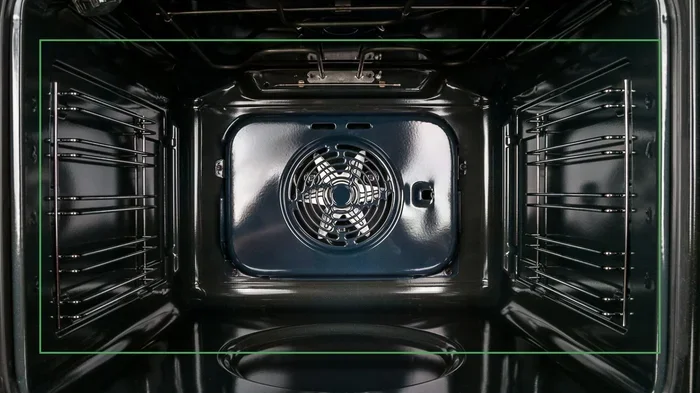
Take out any baking pans, pizza stones, or thermometers inside the oven. These items should never go through the self-clean cycle. They can absorb heat unevenly or even crack under extreme temperatures. Make sure the oven interior is completely empty before you proceed.
Step 2: Lock the Oven Door
Most ovens with pyrolytic cleaning have a self-locking door mechanism. The door locks automatically when you start the cycle. This is a safety feature. It prevents you from opening the door while the interior temperature is dangerously high. If your oven does not lock automatically, refer to the owner manual for instructions on manually engaging the lock.
Step 3: Select the Self Clean Setting
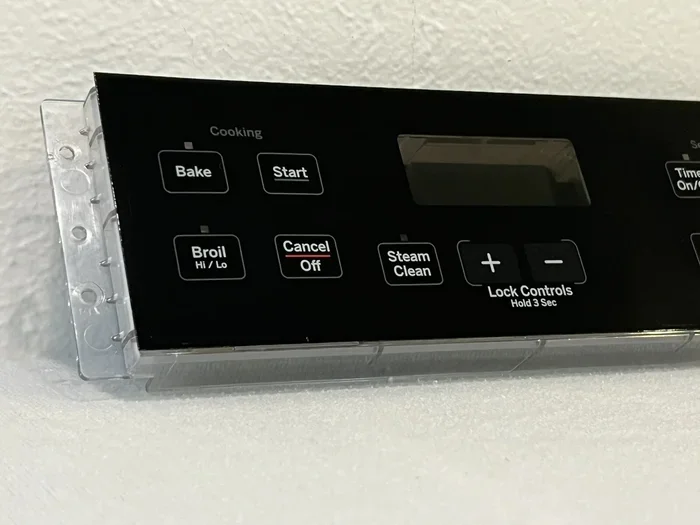
Locate the self-clean button or setting on your oven control panel. Some models have a dedicated self-clean oven button. Others may require you to select a specific mode or cycle. Choose the standard cleaning cycle for most situations. Some ovens offer a light or heavy clean option. The heavy cycle works best for really baked-on grease and grime.
Step 4: Start the Cycle and Wait
Once you press start, the oven begins heating up rapidly. The oven clean mode typically runs for two to four hours. During this time, the temperature climbs to extreme levels. The oven does all the work for you. You should stay nearby and keep an eye on things. Some smoke and odors are completely normal. This is just the food residue burning off. However, if you see flames or excessive smoke, you may need to stop the cycle and troubleshoot.
Step 5: Let the Oven Cool Completely
After the cycle finishes, the oven goes into a cool-down phase. The door remains locked until the interior temperature drops to a safe level. This can take one to three hours. Do not try to force the door open. Wait patiently. The self-cleaning oven will unlock automatically once it is safe. Opening the door too early can expose you to extreme heat and cause burns.
Step 6: Wipe Away the Ash
Once the door unlocks, open it carefully. You will notice a gray or black powdery ash covering the oven interior. This ash is what remains of the burned-off grease and food. Use a damp microfiber cloth or sponge to wipe it all away. A mild dish soap can help if needed. Avoid using abrasive scrubbers or harsh cleaning products. They can scratch the oven’s interior coating. A soft cloth works perfectly for this final step.
What Happens During the Self Clean Cycle?
Understanding the science behind the self-clean mode helps you appreciate how effective it really is. The process is called pyrolysis, which means decomposition through heat. Here is what happens inside your oven during the cycle.
The Heat Process Explained
When you activate the oven self clean cycle, the heating elements reach temperatures between 800 and 900 degrees Fahrenheit. At these extreme temperatures, organic matter like grease and food particles undergoes thermal decomposition. The carbon-based materials break down into ash and small amounts of gas. The gases are vented out through the oven’s exhaust system. This is why you may notice some smoke or smell during the process. It is completely normal and not a cause for concern.
Why the Door Locks
The self-cleaning oven door locks as a critical safety measure. The interior reaches temperatures hot enough to cause severe burns. The lock mechanism prevents accidental opening during the cycle. Modern ovens have electronic locks that engage automatically. Older models may use a mechanical latch. Either way, the lock ensures your safety. Once the oven cools to a safe temperature, the lock releases on its own.
The Role of High Heat in Grease Removal
One of the biggest advantages of pyrolytic cleaning is its ability to handle heavy grease buildup. Regular scrubbing often fails on thick, caked-on grease. The extreme heat of the self-clean mode liquefies the grease first. Then it burns it off completely. This leaves the oven interior looking and smelling much better. For ovens that have not been cleaned in a long time, the self-clean oven cycle is truly a game changer.
Common Mistakes to Avoid When Using Self Clean Mode
Even though the self-clean mode is designed to be easy, people still make mistakes. Avoiding these errors will protect your oven and improve results.
Skipping the Prep Work
One of the biggest mistakes is jumping straight into the cycle without prepping. Leaving large food chunks inside leads to excessive smoke. It can even trigger your smoke alarms. Always remove racks and wipe out debris first. Taking five minutes to prep saves you from a smoky kitchen later.
Using Chemical Cleaners During the Cycle
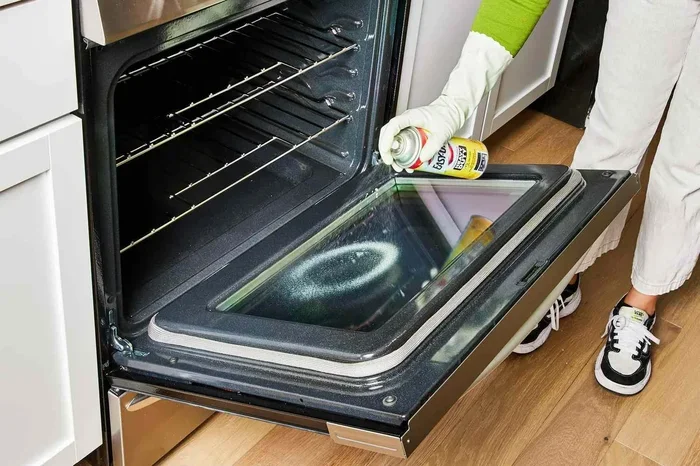
Never use oven cleaner sprays or chemical products before or during the self-clean cycle. These products are not designed to withstand extreme heat. They can produce toxic fumes when exposed to high temperatures. The self-cleaning oven process itself is chemical-free. You do not need any additional cleaning products during the cycle. Save your commercial cleaners for hand-washing the racks afterward.
Running the Self Clean Cycle Too Often
Some people think running the self-clean mode more often is better. That is not true. Frequent high-heat cycles can wear out the oven’s insulation and door seals over time. Most ovens only need the self-clean cycle once every three to six months. If you clean up spills promptly, you may not even need it as often. Moderation is key to keeping your oven in good condition.
Ignoring the Oven Manual
Every oven model is slightly different. The owner manual contains specific instructions for the self-clean oven feature on your particular unit. Skipping the manual can lead to errors or even damage. Take a few minutes to read the self-clean section. It will answer questions about cycle length, temperature, and safety features specific to your appliance.
Cleaning Oven Racks After the Self Clean Cycle
Since you removed the racks before running the self-clean mode, you still need to clean them separately. The high heat inside the oven is not meant for metal racks. Here is how to handle them effectively.
Soak and Scrub Method
Fill your bathtub or a large sink with hot water. Add a generous amount of dish soap or a degreaser. Submerge the racks and let them soak for at least two hours. The hot water loosens grease and baked-on food. After soaking, use a non-abrasive scrub brush or sponge to remove remaining residue. Rinse thoroughly and dry completely before placing them back in the oven.
Using Baking Soda Paste
For really stubborn spots on your oven racks, make a paste from baking soda and water. Apply it to the dirty areas and let it sit for 30 minutes. The baking soda works as a gentle abrasive. Scrub gently with a soft brush, then rinse clean. This method is safe for metal and does not scratch the surface. It is an excellent alternative to harsh chemical cleaners.
Quick Tips for Oven Rack Maintenance
- Clean your racks every one to two months to prevent heavy buildup.
- Line the bottom of the oven with a foil or silicone liner to catch drips.
- Place a baking sheet under dishes that tend to bubble over.
- Wipe up spills as soon as the oven cools down after cooking.
- Never slide racks across the oven floor, as this can scratch the interior.
Post-Cleaning Care and Oven Maintenance Tips
Once you have finished how to clean an oven with self clean mode, a little follow-up care goes a long way. Proper maintenance keeps your oven performing well and extends its lifespan.
Wipe Down the Interior Regularly
After the self-clean cycle, give the oven interior a quick wipe. Use a damp cloth with mild soap. This removes any remaining ash particles. It also helps you spot any areas that may need a second cleaning. Regular light cleaning makes the next self-clean mode session much easier.
Reinsert Racks Properly
Once your racks are completely dry, place them back in the oven. Make sure they slide in smoothly and sit level. Misaligned racks can block heat circulation. This affects cooking performance and can create hot spots. Check that the racks are seated correctly on all support points.
Keep the Oven Vent Clear
Check the ventilation openings near the oven regularly. Grease and dust can accumulate in these areas. A blocked vent reduces airflow and can affect the self-cleaning oven performance during future cycles. Use a damp cloth to wipe the vent openings gently. This simple habit keeps your oven running efficiently.
Schedule Regular Self-Clean Sessions
Set a reminder to run the self-clean oven cycle every three to six months. Mark it on your calendar or set a phone alarm. Consistent maintenance prevents heavy buildup. It also means each cleaning session is quicker and easier. Think of it as routine maintenance, just like changing your oven’s filter if it has one.
Use Oven-Safe Liners
Consider using a silicone or stainless steel oven liner on the bottom of the oven. These liners catch drips and spills before they bake onto the oven floor. They are easy to remove and wash. Using a liner reduces the frequency of deep cleaning sessions. It is a small investment that pays off in less cleaning time over the months.
Expert Insights on Self-Cleaning Your Oven
We asked appliance experts for their top tips on using the self-clean mode effectively. Here is what the professionals recommend.
Run the cycle when you are home. Never start a self-clean cycle and leave the house. The process produces smoke and odors that are normal but can be surprising if you are not expecting them. Stay nearby to monitor the oven and address any issues quickly.
Ventilate your kitchen well. Turn on your range hood fan and open a window before starting the cycle. This helps manage smoke and reduces lingering odors. Good airflow also prevents moisture buildup inside the oven during the cleaning process.
Do not use the self-clean feature on a brand-new oven right away. New ovens may have a manufacturing residue that burns off during the first few uses. Check the manual for specific guidance on when to run the first self-clean cycle on a new unit.
Address spills immediately. The best way to keep your oven clean is to wipe up spills as soon as the oven cools. This prevents food from baking on and hardening. Regular quick wipes reduce the need for intense oven cleaning sessions later.
Key Takeaways
- Self-clean mode uses high heat: It burns off grease and food residue at extreme temperatures, leaving ash behind that wipes away easily.
- Preparation is essential: Removing racks and wiping large debris before starting the cycle prevents smoke and odors.
- Safety comes first: Always ventilate your kitchen, keep pets away, and never use chemical cleaners during the self-clean cycle.
- Post-cleaning care matters: Wiping away ash with a damp cloth and reinserting clean racks keeps your oven in top shape.
- Avoid common mistakes: Skipping prep, overusing the self-clean feature, and ignoring manual instructions can damage your oven.
- Regular maintenance reduces cleaning frequency: Simple habits like using oven liners and wiping spills early make a big difference.
Conclusion
Learning how to clean an oven with self clean mode is a simple but valuable skill. It saves you time, effort, and the hassle of scrubbing baked-on grease. The self-clean cycle does the heavy work for you using nothing but heat. With proper preparation, safety precautions, and post-cleaning care, you can keep your oven spotless and smelling fresh. Remember to remove racks, wipe out debris, and never skip ventilation. Avoid common pitfalls like overusing the feature or using chemical cleaners during the cycle. Regular maintenance and quick spill cleanup make each self-clean oven session faster and more effective. Your oven works hard for you every day. Taking a little time to care for it with the self-clean mode ensures it keeps performing at its best for years to come. Start today, and you will never dread oven cleaning again.
Frequently Asked Questions
How long does the self-clean cycle take?
Most self-cleaning ovens run the cycle for two to four hours. The exact time depends on your oven model and how dirty the interior is. Heavier grease buildup may require a longer cycle. Always check your oven manual for the recommended duration.
Is it safe to use the self-clean mode with pets in the house?
It is best to keep pets in a different room during the self-clean cycle. The process produces smoke and fumes that can be irritating to animals, especially birds and small pets. The high temperatures also pose a burn risk if pets get too close to the oven. Ensure proper ventilation and keep your furry friends safe by isolating them during the cycle.
Can I use oven cleaner on racks after the self-clean cycle?
Yes, you can use commercial oven cleaner on racks after removing them. The self-clean mode only cleans the oven interior. Racks need separate attention. Soak them in hot soapy water first, then apply cleaner to any remaining stubborn spots. Always rinse thoroughly and dry before reinserting.
Why does my oven smell bad during the self-clean cycle?
A strong odor during the self-clean cycle is completely normal. It comes from the burning of food residue and grease at extremely high temperatures. The smell usually dissipates once the cycle finishes and the oven cools. Ventilating your kitchen with an open window or exhaust fan helps reduce the odor significantly.
How often should I run the self-clean cycle?
Most experts recommend running the self-clean oven cycle every three to six months. The frequency depends on how often you cook and how much grease your oven accumulates. If you notice heavy buildup or persistent odors, it is time for a cleaning session. Regular light wiping between cycles reduces the need for frequent deep cleaning.
What should I do if the self-clean cycle does not work properly?
If the self-clean mode does not start or stops midway, check the oven door lock first. The door must be fully engaged for the cycle to begin. Also verify that the control panel is responding correctly. If the issue persists, consult your oven manual or contact a qualified technician. Avoid forcing the cycle to run, as this can cause further damage to the appliance.