How To Know If Your Oven Is Convection Or Conventional
Not sure what kind of oven you have? How To Know If Oven Is Convection Or Conventional is easier than you think. A convection oven uses a fan to circulate hot air, while a conventional oven relies on static heat from top and bottom elements. In this guide, you’ll learn to spot the difference using the control panel, model number, and a simple paper test. You’ll also discover which mode gives you even cooking and faster cooking time. By the end, you’ll confidently identify your oven type every time.
If you’ve ever wondered, How To Know If Oven Is Convection Or Conventional, you’re not alone. Many home cooks use their oven every day without knowing whether it has a fan or not. The difference between a convection oven and a conventional oven affects how your food cooks, bakes, and roasts. Understanding your oven type helps you set the right temperature settings, shorten cooking time, and avoid burnt edges or soggy centers.
Whether you just moved into a new home, bought a secondhand range, or simply lost the manual, figuring out your oven is straightforward. You don’t need technical skills—just a few simple checks. This guide walks you through five reliable methods to identify a fan-assisted oven versus a standard conventional bake unit. By the end, you’ll know exactly what’s inside your oven cavity and how to use it to its full potential.
Let’s start with the most obvious place: the control panel.
Key Takeaways
- Check the control panel: Look for a convection mode button, fan symbol, or “convect” label to identify a fan-forced oven.
- Find the model number: The model plate inside the door or on the back gives you instant access to the oven type online.
- Try the paper test: Hold a thin tissue near the oven cavity while it’s on; if it flutters, you have a convection oven.
- Observe the heating elements: A conventional oven has elements only at the top and bottom, while a convection oven adds a rear fan.
- Read the manual: The user guide explicitly states whether your unit is a convection or conventional oven.
- Know the cooking impact: Convection ovens reduce baking time by about 25% and promote even browning, while conventional ovens excel at gentle, undisturbed rising.
📑 Table of Contents
- How To Know If Oven Is Convection Or Conventional: The Control Panel Clues
- Locate the Model Number and Check the Manual
- Try the Simple Paper or Water Test
- Look Inside the Oven for Design Clues
- Convection vs Conventional Oven: A Side-by-Side Comparison
- When to Use Each Oven Mode for Best Results
- Conclusion
How To Know If Oven Is Convection Or Conventional: The Control Panel Clues
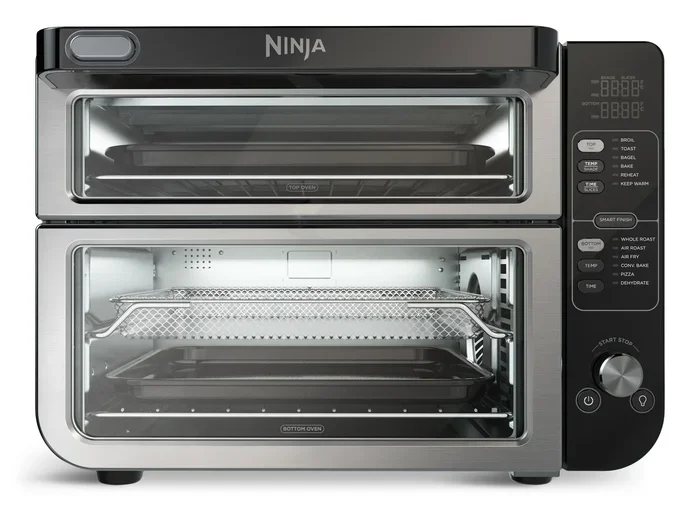
The control panel is the fastest way to determine your oven’s oven type. Modern ranges display symbols and mode names right on the front. If you see a button labeled “Convection,” “Convect,” or “Fan,” you almost certainly have a convection oven. Some brands use a fan icon that looks like a circle with three blades. Pressing that button activates the convection mode, which turns on the rear fan and circulates hot air around the food.
Look for Convection Mode Indicator
On many oven models, the convection mode shares a button with the broil or bake function. You might need to press “Bake” and then “Convect” simultaneously. Check for a small light or icon on the display when you select it. If your oven manual is still available, flip to the section on “Oven Modes” or “Control Settings.” It will clearly list whether the unit is a fan-forced oven or a static heat oven.
Fan Symbol and Settings
A fan symbol is a dead giveaway. It typically appears as a fan blade icon inside a circle. If you see this symbol next to a temperature dial or button, your oven uses a convection fan. Some ovens have multiple fan speeds or a “True Convection” setting, which adds a third heating element behind the fan. This setup delivers even heat distribution and reduces hot spots that plague conventional units.
Quick Tip: If your control panel has a “Fan Bake” or “Fan Grill” option, you own a convection oven. Conventional ovens only show “Bake,” “Broil,” or “Roast.”
Locate the Model Number and Check the Manual
Every oven has a model number printed on a metal plate. This plate is your shortcut to the full spec sheet. Finding the model number tells you the exact oven type without guessing. Manufacturers include this information in their online databases, so you can look up the details in seconds.
Locate the Model Plate
Open the oven door and look inside the upper rim or on the side wall of the cavity. The model plate is usually a white or silver sticker. It lists the model number, serial number, and wattage. You can also check the back of the oven near the electrical panel or underneath the unit if it’s a slide-in range. Write down the model number exactly as it appears.
Search Online with the Model Number
Type the model number into your web browser followed by the brand name. For example, “Whirlpool WOS51EC0HS specs.” The first result is often a PDF of the oven manual. Open it and search for the word “convection.” If the manual mentions a fan, rear element, or convect bake, you have a convection oven. If it only describes top and bottom elements, it’s a conventional oven. This method works even for older units where the control panel has worn off.
Common Mistakes: Don’t assume all stainless steel ovens are convection. Some conventional ovens have a stainless steel finish. The finish tells you nothing about the oven type. Always check the model number or control panel first.
Try the Simple Paper or Water Test
When you can’t find the manual or the control panel is confusing, a hands-on test works wonders. The paper test and the water drop test reveal airflow patterns inside the oven cavity. These methods take less than a minute and require only household items.
The Tissue Test for Convection
Turn on your oven to a low setting, around 200°F (93°C). Hold a thin, lightweight tissue or a single-ply paper towel near the oven door gap or the vent. If the convection fan is running, the tissue will flutter or pull toward the vent. In a conventional oven, the tissue will stay still because there’s no forced airflow. This simple oven test proves whether you have a fan-assisted oven or a static heat unit.
The Water Drop Test for Heat Type
Place a few drops of water on the center of the baking tray and put it inside the cold oven. Set the oven to 350°F (175°C) and watch. In a convection oven, the water drops will begin to move and evaporate quickly due to the circulating air. In a conventional oven, the water will sit still and slowly heat up, taking longer to evaporate. This difference highlights the heat distribution advantage of a fan-forced oven.
Expert Insight: Professional bakers often use the paper test to verify oven airflow before delicate tasks like proofing yeast dough. A convection oven can dry out proofing dough if the fan runs too strongly, so knowing your oven type helps you adjust.
Look Inside the Oven for Design Clues
Sometimes the best way to know if oven is convection or conventional is to look directly at the interior. The placement of heating elements and the presence of a fan are visible clues. You don’t need to disassemble anything—just peer inside with a flashlight.
Fan Location and Heating Element Placement
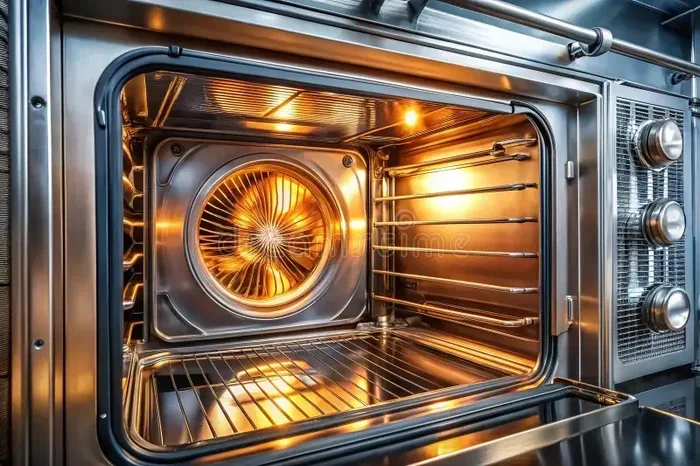
Open the door and look at the back wall of the oven cavity. If you see a round metal disc with a small motor behind it, that’s the convection fan. In a conventional oven, you’ll only see a heating element at the top (for broil) and one at the bottom (for bake). Some convection ovens also have a third element wrapped around the fan. This rear element is a clear sign of a fan-forced oven.
Rack Position and Airflow
The rack design can also hint at the oven type. Convection ovens often have racks with narrower spacing to support the circulating air. The trays and pans in a convection oven are designed to allow air to flow around the food. In a conventional oven, you can use any baking tray because the heat rises passively from the bottom element.
Quick Tips:
- If you see a fan blade visible through a small vent on the back wall, you have a convection oven.
- If the only heating elements are the top and bottom bars, it’s a conventional oven.
- A silent fan running during preheat confirms a convection mode.
Convection vs Conventional Oven: A Side-by-Side Comparison
To make the oven type difference crystal clear, here’s a direct comparison of the two oven models. This table covers key features, cooking behavior, and best uses.
| Feature | Convection Oven | Conventional Oven |
|---|---|---|
| Heat Source | Top element, bottom element, and rear fan | Top element and bottom element only |
| Airflow | Forced circulation with a convection fan | Static, natural heat rise |
| Cooking Time | Reduced by about 25% due to even heat distribution | Longer, especially for multi-rack baking |
| Temperature Settings | Can lower temp by 25°F for same results | Standard temperatures as stated in recipes |
| Browning | Even, golden browning on all sides | Top browning from broil element, bottom from bake element |
| Best For | Roasting, cookies, pastries, energy efficiency | Cakes, custards, bread proofing, broil |
| Hot Spots | Minimal hot spots due to fan | Common hot spots near elements |
| Self-Cleaning | Available in both types; not a differentiator | Available in both types |
This table makes it easy to see why many cooks prefer a convection oven for everyday roasting and baking. The fan-assisted oven delivers even cooking and saves energy by cutting cooking time. However, a conventional oven remains the best choice for recipes that need a gentle, undisturbed environment.
When to Use Each Oven Mode for Best Results
Now that you know how to tell if oven is convection or conventional, let’s talk about when to use each mode. Using the right oven type for the right task improves your results dramatically.
Convection Mode: Ideal Uses
Use the convection mode for roasting vegetables, meats, and poultry. The circulating hot air creates a crispy exterior while keeping the inside moist. It’s also fantastic for baking cookies and pastries because the even heat distribution prevents uneven browning. If you’re baking multiple trays of cookies at once, convection ensures every tray comes out the same golden color. For energy efficiency, convection ovens use less time and lower temperatures, which reduces electricity or gas consumption.
Conventional Bake Mode: Ideal Uses
Stick with standard bake for delicate baked goods that need to rise slowly. Cakes, soufflés, custards, and quick breads benefit from the still air of a conventional oven. The gentle, top-to-bottom heat prevents the crust from setting too fast, which can cause the center to collapse. When you’re proofing bread dough, a conventional oven with just the light on provides a warm, draft-free environment without drying out the dough. For broil tasks like melting cheese on a casserole, the top element in a conventional oven gives you direct, intense heat.
Key Takeaways:
- Choose convection for faster, even roasting and baking.
- Choose conventional bake for delicate rises and gentle cooking.
- Always reduce the temperature by 25°F when using convection mode in a recipe written for a conventional oven.
- Never use convection for custards or creamy pies, or the fan will create a lumpy texture.
Knowing your oven type transforms your cooking experience. You’ll stop guessing why one batch of cookies burns while another stays pale. You’ll trust your temperature settings and enjoy more consistent results every time you step into the kitchen.
Conclusion
Figuring out How To Know If Oven Is Convection Or Conventional doesn’t require a degree in engineering. You can check the control panel, find the model number, run a simple paper test, or look inside the oven cavity. Each method gives you a clear answer about your oven type. Once you know whether you have a convection oven or a conventional oven, you can adjust cooking time, temperature settings, and recipes for perfect results.
Take a moment today to identify your oven using one of the methods above. Write it down on a note inside the oven manual folder or on your fridge. This small step saves you from countless kitchen mistakes and helps you get the most out of your appliance. Whether you rely on a fan-forced oven for quick weeknight roasting or a conventional oven for Sunday cakes, you now have the knowledge to use it with confidence.
Share this guide with a friend who’s always puzzled by their oven settings. Once they learn the simple clues, they’ll never wonder about their oven type again.
Frequently Asked Questions
How can I tell if my oven is convection without the manual?
Check the control panel for a “Convection” or “Fan” button. If you see a fan symbol, it’s a convection oven. You can also perform the paper test: hold a thin tissue near the oven vent while it’s on low heat. If the tissue flutters, the fan is running, confirming a fan-assisted oven.
What does a convection oven look like inside?
Inside a convection oven, you’ll see a rear fan behind a circular metal disc. The fan sits at the back of the oven cavity and often has a third heating element wrapped around it. A conventional oven only has a top broil element and a bottom bake element, with no visible fan.
Can I use aluminum foil in a convection oven?
Yes, but use caution. In a convection oven, the fan can blow lightweight foil into the fan blades, causing damage. If you use foil, secure it tightly and avoid covering more than one-third of the baking tray. Never block the airflow vents.
Is a convection oven better for energy efficiency?
Yes, a convection oven is generally more energy efficient. Because the fan circulates hot air, food cooks faster and at lower temperatures. This reduces overall cooking time and energy consumption compared to a conventional oven, which relies on static heat.
What temperature do I reduce when converting to convection?
Lower the temperature by 25°F (about 15°C) when using convection mode in a recipe written for a conventional oven. This adjustment accounts for the faster, more even heat distribution created by the fan. Keep an eye on your food the first few times you convert a recipe.
Can a conventional oven be converted to a convection oven?
No, you cannot safely convert a conventional oven to a convection oven. It requires adding a fan, a rear heating element, and modified wiring. Always use the oven as designed by the manufacturer. If you want a convection oven, consider purchasing a new oven model with the feature built in.