Can a Convection Oven Actually Work As an Air Fryer
Yes, a convection oven can absolutely work as an air fryer. Both appliances use a fan to circulate hot air around food, creating that crispy, golden texture without submerging anything in oil. You can achieve nearly identical air frying results using your existing oven, saving money and valuable counter space. Keep reading to learn exactly how to make it work, what foods shine, and the few trade-offs you should know about.
Have you ever stood in your kitchen, staring at your countertop air fryer, and thought, “I wish I didn’t need this extra machine”? Or maybe you already own a convection oven and want to know if it can do the same job. The good news is that can convection oven work as air fryer is a question with a very clear and encouraging answer: yes, it really can.
A convection oven and an air fryer share the same basic principle. They both use a fan to blow hot air around food at high speed. This rapid air circulation removes moisture from the surface, which creates that satisfying crispy exterior we all love. The difference mostly comes down to size, speed, and a few design tweaks. But the core cooking method is essentially the same.
In this guide, we will walk you through everything you need to know about using your convection oven as an air fryer. We will cover how the two appliances compare, step-by-step instructions, the best foods to try, and practical tips that will help you get the best results every single time.
Key Takeaways
- Convection ovens and air fryers use the same core technology: a fan that blows hot air to cook food quickly and evenly.
- You can air fry in a convection oven with minimal effort: just adjust the temperature and time, and use a baking sheet or rack.
- Convection ovens handle larger batches better: you can cook more food at once compared to a small countertop air fryer.
- Results may differ slightly in texture: convection ovens take a bit longer and may not get quite as crispy as a dedicated air fryer.
- Using the right accessories makes a big difference: a wire rack or perforated baking sheet helps air flow freely around food.
- You save money and space: no need to buy a separate air fryer if your convection oven already does the job.
📑 Table of Contents
- What Is a Convection Oven and How Does It Work
- How a Convection Oven Compares to an Air Fryer
- How to Use Your Convection Oven as an Air Fryer
- Best Foods to Cook in Convection Air Fry Mode
- Pros and Cons of Using a Convection Oven Instead
- Expert Tips for Perfect Crispy Results
- Key Takeaways
- Conclusion
What Is a Convection Oven and How Does It Work
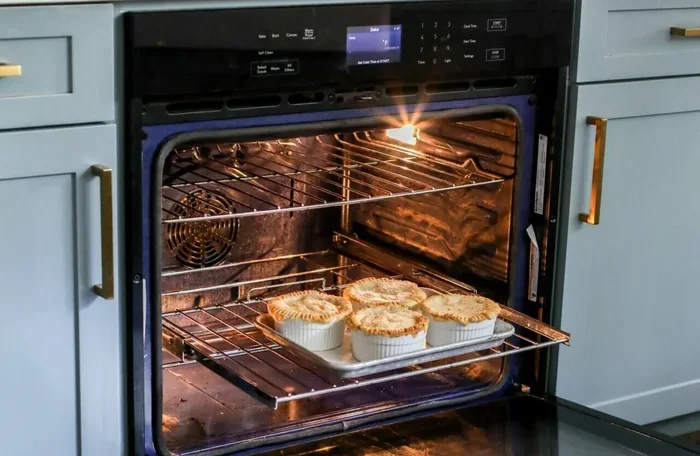
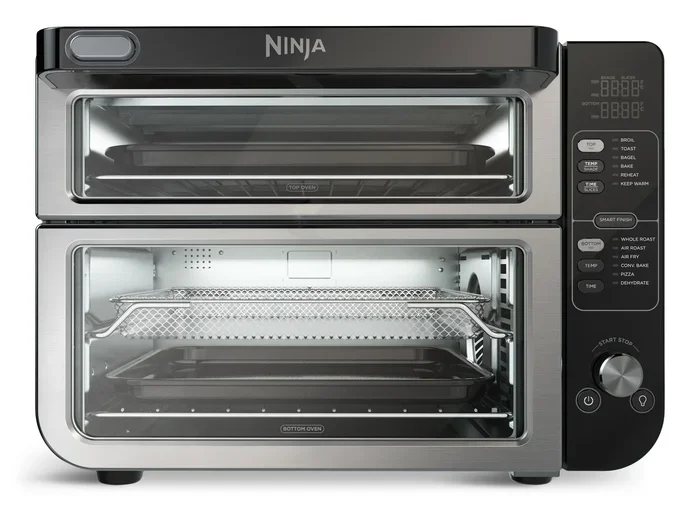
A convection oven is a type of oven that includes a fan and a exhaust system. The fan circulates hot air evenly throughout the oven cavity. This is different from a traditional oven, which relies mostly on radiant heat from heating elements. The moving air in a convection oven transfers heat more efficiently to the food’s surface.
This even heat distribution means food cooks faster and more uniformly. There are no cold spots or hot spots in most cases. Many modern ovens come with a built-in convection setting that activates the fan automatically. Some ovens also have a specific air fry function built right into the control panel.
How the Fan Creates Crispy Results
The fan is the secret behind crispy food. When hot air moves quickly across the surface of food, it strips away the thin layer of moisture. This is exactly what happens inside an air fryer. Without that moving air, food would steam instead of crisp. The faster the air moves, the crispier the outside becomes while the inside stays moist.
This is why convection cooking works so well for foods like roasted vegetables, chicken wings, and frozen fries. The hot air reaches every surface, giving you even browning without flipping or turning the food as often.
How a Convection Oven Compares to an Air Fryer
Now that we understand the basic technology, let us compare the two appliances side by side. Understanding the differences will help you set the right expectations when you swap one for the other.
Size and Capacity
A countertop air fryer has a small basket or tray. You can typically fit 2 to 6 servings at a time. A convection oven, on the other hand, has a much larger interior. You can cook a full meal or multiple dishes at once. This makes a convection oven better for feeding a family or meal prepping for the week.
Speed and Preheating
Air fryers heat up very fast, often in 2 to 3 minutes. A convection oven takes longer to preheat, usually around 5 to 10 minutes. The smaller interior of an air fryer also means the food is surrounded by hot air more quickly, which speeds up cooking time overall.
Crispiness and Texture
A dedicated air fryer tends to produce slightly crispier results. The fan is positioned closer to the food, and the compact space concentrates the hot air. A convection oven can still get very crispy food, but it may take a few extra minutes. The results are close enough that most people cannot tell the difference.
Energy Efficiency
Because air fryers cook faster and use less energy to heat a small space, they are generally more energy-efficient. However, if you are already using your convection oven for other cooking tasks, the energy difference becomes less significant. You are not running an extra appliance.
| Feature | Convection Oven | Air Fryer |
|---|---|---|
| Cooking Capacity | Large, fits multiple dishes | Small, 2-6 servings |
| Preheating Time | 5-10 minutes | 2-3 minutes |
| Crispiness Level | Very good, slightly less | Excellent, ultra-crispy |
| Energy Use | Higher per cycle | Lower per cycle |
| Counter Space | Built into kitchen | Extra appliance needed |
| Price | Already owned | $60-$250+ |
| Versatility | Bake, roast, broil, air fry | Air fry, roast, reheat |
How to Use Your Convection Oven as an Air Fryer
Using your convection oven for air frying is simple. You do not need any special tools or complicated steps. Here is exactly what to do for the best results.
Step 1: Choose the Right Accessories
Start by placing a wire rack on top of a baking sheet. The rack allows hot air to flow underneath the food, which is essential for even crisping. If you do not have a wire rack, you can use a perforated baking sheet or even line a regular baking sheet with aluminum foil and poke small holes in it. Avoid piling food in a single layer inside a deep pan. That traps steam and makes food soggy instead of crispy.
Step 2: Set the Temperature
Reduce the temperature by about 25 degrees Fahrenheit compared to what a recipe calls for in a regular oven. For example, if a recipe says 400 degrees, set your convection oven to 375 degrees. The fan makes the heat more intense, so the food cooks faster and at a lower temperature. This prevents burning while still getting that golden brown finish.
Step 3: Adjust the Cooking Time
Check the food a few minutes earlier than the recipe suggests. Convection ovens cook faster because of the circulating air. Start checking at the halfway point. You can always cook for a few more minutes, but you cannot undo overcooked food.
Step 4: Flip or Shake the Food
For the crispiest results, flip or shake the food halfway through cooking. This ensures both sides get equal exposure to the hot air. With chicken wings or fries, this one simple step makes a noticeable difference in texture.
Step 5: Let the Food Rest
Once the food is done, let it rest on the rack for a couple of minutes. This allows steam to escape, which keeps the outside crispy. Putting hot food directly on a plate traps moisture and softens the crust quickly.
Best Foods to Cook in Convection Air Fry Mode
Not all foods benefit equally from convection air frying. Some items come out fantastic, while others are better left to a traditional oven or stovetop. Here are the foods that shine the most.
Frozen Fries and Potato Wedges
Frozen fries are one of the easiest and most popular things to cook in convection air fry mode. Toss them with a small amount of oil, spread them on a rack, and cook at 400 degrees for about 20 to 25 minutes. Shake the pan halfway through. The result is crispy, golden fries that taste almost identical to deep-fried ones.
Chicken Wings and Drumsticks
Chicken wings get beautifully crispy skin in a convection oven. Season them with your favorite spices, place them on a wire rack, and cook at 425 degrees for 35 to 40 minutes. The skin puffs up and turns golden brown, while the meat stays juicy inside.
Roasted Vegetables
Broccoli, Brussels sprouts, and sweet potatoes all benefit from the hot air circulation. Toss them with olive oil and salt, spread them in a single layer on a rack, and roast at 400 degrees for 20 to 30 minutes. The edges get crispy and caramelized, which is something you rarely get from a regular oven.
Reheating Leftovers
This is one of the best uses for convection air frying. Leftover pizza, fried chicken, and spring rolls come back to life with a crispy exterior. The hot air reheats the food without making it soggy, which is a common problem with a microwave.
Homemade Chicken Tenders and Fish Fillets
Breaded chicken tenders and fish fillets crisp up wonderfully in a convection oven. Use a light coating of oil spray to help the breading brown. Cook at 400 degrees for 12 to 15 minutes, flipping once halfway through.
Pros and Cons of Using a Convection Oven Instead
Before you decide to ditch your air fryer and rely solely on your convection oven, it helps to understand the trade-offs. Every cooking method has its strengths and weaknesses.
Pros of Using a Convection Oven as an Air Fryer
- You already own it: No need to buy a new appliance or spend extra money.
- Larger capacity: You can cook more food at once, which is great for families or gatherings.
- More cooking functions: You get baking, roasting, broiling, and air frying in one appliance.
- Better for big jobs: Cooking a full sheet pan of food is much easier in a convection oven.
- Saves counter space: Your countertop stays clutter-free without an extra machine.
Cons of Using a Convection Oven as an Air Fryer
- Longer preheating time: You need to wait for the oven to heat up before cooking.
- Slightly less crispy results: The larger cavity means less concentrated hot air around the food.
- Takes up more space: You need more room on your baking sheet for proper air circulation.
- Higher energy use: Heating a larger oven uses more electricity or gas than a small air fryer.
- Not as portable: You cannot easily take it to a picnic or use it in a dorm room.
Expert Tips for Perfect Crispy Results
Getting the best results from your convection oven takes a little know-how. Here are some expert-backed tips that make a real difference.
Do Not Overcrowd the Pan
This is the single biggest mistake people make. When food pieces touch or overlap, the hot air cannot reach all surfaces. Leave space between each piece, at least half an inch apart. If you need to cook a large batch, do it in two rounds rather than crowding the pan.
Use a Light Coating of Oil
Even though air frying uses less oil than deep frying, a thin spray or brush of oil helps with browning and crispiness. Too much oil makes food greasy, while too little prevents browning. A light coating is the sweet spot.
Preheat the Oven
Always preheat your convection oven before adding food. Just like with a regular oven, preheating ensures the food starts cooking immediately at the right temperature. This leads to better browning and more even cooking.
Season at the Right Time
Apply salt and spices before cooking, but add any wet coatings like sauces or marinades toward the end. Wet ingredients can steam the food and prevent crispiness. A light brush of sauce in the last 5 minutes of cooking works best.
Invest in Perforated Accessories
A perforated baking sheet or a silicone air fryer liner allows air to flow through and underneath the food. These small accessories cost very little and dramatically improve results. They are especially helpful for smaller items like broccoli or diced vegetables.
Keep an Eye on the Food
Convection ovens can cook faster than you expect, especially at higher temperatures. Set a timer and check the food frequently during the first few times you try this method. Once you learn how your specific oven performs, you will know exactly when to pull things out.
Use the Middle Rack
Place your food on the middle rack for the best air circulation. The top rack is too close to the top heating element, which can cause uneven browning. The bottom rack may not get enough airflow from the fan. The middle position gives you the most balanced results.
Key Takeaways
- Convection ovens and air fryers work on the same principle: a fan circulates hot air to cook food quickly and create a crispy exterior without deep frying.
- You can absolutely use a convection oven as an air fryer: just lower the temperature by 25 degrees, reduce cooking time, and use a wire rack for best results.
- Convection ovens offer larger capacity: you can cook more food at once compared to a small countertop air fryer, making them ideal for families.
- Crispiness may be slightly less: the larger oven cavity means less concentrated airflow, so results are very good but not quite identical to a dedicated air fryer.
- The right accessories matter: a wire rack, perforated baking sheet, or silicone liner dramatically improves air circulation and crispiness.
- You save money and counter space: no need to purchase a separate air fryer if your convection oven handles the job well.
- Best foods for convection air frying include frozen fries, chicken wings, roasted vegetables, reheated leftovers, and breaded proteins.
Conclusion
The answer to can a convection oven work as an air fryer is a resounding yes. Both appliances rely on the same core technology: a fan that blows hot air around food to create that crispy, golden texture we love. While a dedicated air fryer may heat up faster and produce slightly crispier results in a shorter time, a convection oven gets you very close and offers the advantage of larger capacity and versatility.
If you already own a convection oven, you do not need to rush out and buy an air fryer. Simply follow the tips in this guide, use a wire rack or perforated baking sheet, adjust your temperature and timing, and you will be making crispy fries, roasted chicken, and reheated leftovers with ease. The convenience of saving counter space and avoiding an extra appliance is a real bonus for many households.
Give it a try with your next batch of frozen fries or leftover pizza. Once you see the results, you will wonder why you ever needed a separate machine. Your convection oven is more versatile than you probably realized, and mastering the air fry function opens up a whole new way to cook quick, healthy, and delicious meals at home.
Frequently Asked Questions
Can I use aluminum foil in a convection oven when air frying?
Yes, you can use aluminum foil in a convection oven, but be careful not to cover the entire baking sheet. The foil should not block the air vents or cover the fan. Poking a few holes in the foil allows air to pass through and helps food crisp up evenly.
Do I need to add oil when air frying in a convection oven?
A small amount of oil helps with browning and crispiness, but you need far less than deep frying. A light spray or a teaspoon of oil tossed with your food is usually enough. Too much oil will make the food greasy instead of crispy.
Is air frying in a convection oven healthier than deep frying?
Yes, air frying in a convection oven is significantly healthier than deep frying. You use a fraction of the oil, which reduces the overall fat and calorie content of your food. The hot air method still delivers a crispy texture without the excess grease.
Can I air fry frozen food directly in a convection oven?
Absolutely. Frozen food works great in a convection oven. Just spread the items in a single layer on a wire rack, and cook according to the package directions adjusted for convection. You may need to add a few extra minutes since frozen food starts at a lower temperature.
What temperature should I set my convection oven to for air frying?
Set your convection oven about 25 degrees lower than the temperature a regular recipe calls for. Most air frying recipes work well between 375 and 425 degrees Fahrenheit in a convection oven. Always start checking the food a few minutes early.
Can a convection oven replace an air fryer completely?
For most households, yes. A convection oven can handle nearly all the tasks an air fryer performs. The main trade-off is a slightly longer cooking time and a small difference in texture. If you cook large batches or already use your oven frequently, a convection oven is more than enough to replace a countertop air fryer.