Is There A Downside To Convection Oven When You Cook
A convection oven circulates hot air with a fan, which speeds up cooking and promotes even browning. However, there are real downsides to convection oven cooking that many home cooks overlook. Food can dry out faster, delicate baked goods may fall flat, and recipe conversion becomes necessary. Understanding these drawbacks helps you decide when to use the fan setting and when to stick with traditional heat.
This is a comprehensive guide about Is There A Downside To Convection Oven.
Key Takeaways
- Uneven Browning: The fan can cause certain foods to brown too quickly on the outside while staying undercooked inside.
- Drying Out: Convection cooking removes moisture faster, which can ruin delicate dishes like custards and soufflés.
- Recipe Adjustments Needed: You must lower temperatures and shorten cooking times when using a fan-forced oven.
- Not Ideal for All Bakeware: Dark or oversized pans can block airflow and create hot spots.
- Learning Curve: Switching from a conventional oven to a convection oven requires practice and adjustment.
- Noise Factor: The fan motor adds a noticeable hum that some find distracting in the kitchen.
- Energy Use Varies: While faster cooking saves time, the fan uses additional electricity.
[FEATURED_IMAGE_PLACEHOLDER]
You bought a convection oven because everyone said it was better. Faster cooking. Even browning. Crispy edges on every roast. And for the most part, that is true. But here is the thing nobody tells you upfront: there are real downsides to convection oven cooking that can ruin a meal if you are not careful.
Maybe you noticed your cake came out dry. Or your cookies spread too thin and turned darker than expected. Perhaps your roast chicken had perfectly crispy skin but the inside was still raw. These are not random kitchen fails. They happen because a fan-forced oven works differently than a traditional oven, and most recipes are written for the old-school kind.
This article breaks down every disadvantage of using a convection oven so you can cook smarter, not harder. We will cover drying problems, temperature confusion, recipe conversion headaches, and much more. By the end, you will know exactly when to use the fan and when to turn it off. Let us get into it.
What Makes a Convection Oven Different
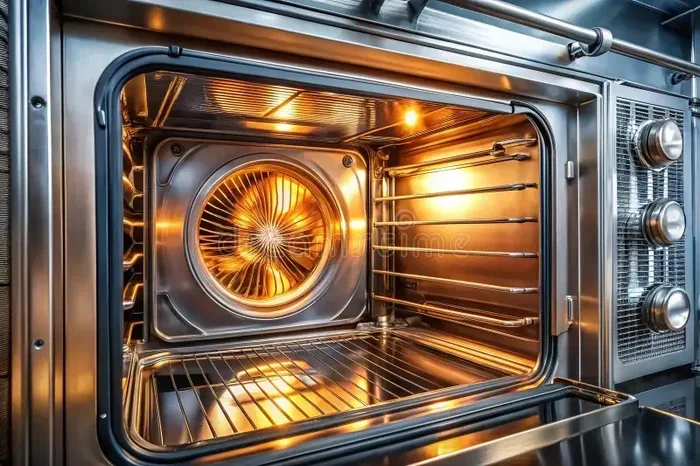
Before we dive into the downsides, it helps to understand what a convection oven actually does. A conventional oven heats food using static heat from elements at the top and bottom. The air inside stays mostly still. A convection oven adds a fan and exhaust system that blows hot air around the food.
This constant airflow has a big impact on cooking. It transfers heat to the food surface more efficiently. That means faster cooking times and more even heat distribution. But it also means your food interacts with heat in a completely different way than it would in a standard oven.
The Fan Changes Everything
Think of it like this. A regular oven is like a warm room. A convection oven is like a warm wind. The wind feels warmer faster, but it also strips moisture away from your skin. The same thing happens to your food. The moving air pulls moisture from the surface of whatever you are cooking, which leads to faster browning and crisping.
For roasts and vegetables, this is a huge advantage. For delicate baked goods, it can be a disaster. The key is learning when the fan helps and when it hurts. That knowledge is what separates a good home cook from someone who keeps blaming the oven.
The Biggest Downsides of Convection Oven Cooking
Now let us talk about the real problems. These are the issues that come up again and again when people switch to a fan-forced oven without adjusting their habits.
Food Dries Out Faster
This is the number one complaint. The constant airflow pulls moisture away from food at a faster rate than a regular oven does. If you roast a chicken the same way you always have, it will likely come out drier. The same goes for pork chops, baked goods, and anything with a delicate interior.
Even something simple like reheating pizza turns into a problem. The fan blows the heat directly onto the slices, and the cheese can turn rubbery while the crust gets rock hard. You have to cover food with foil or use a lower setting to fight this moisture loss.
Uneven Browning and Hot Spots
Here is a frustrating truth. The fan does not always distribute heat perfectly. Depending on where the fan sits inside your oven, some areas get more airflow than others. This creates hot spots that can cause uneven browning.
One cookie on the left side of the tray might be dark golden brown while the one on the right looks pale and underdone. You may need to rotate your baking sheets halfway through cooking to get even results. This extra step defeats the purpose of a hands-off cooking experience.
Delicate Baked Goods Suffer
If you love making soufflés, custards, or angel food cakes, a convection oven can work against you. The fan creates a draft inside the oven that interferes with the way these foods rise. A soufflé might collapse. A delicate pastry might not hold its shape.
Cookies are another victim. The fast-moving hot air causes the edges to set too quickly while the center stays gooey. This leads to cookies that spread out too thin and burn on the edges. Many professional bakers actually prefer conventional ovens for precision baking because the heat is gentle and predictable.
Recipe Conversion Is a Hassle
Almost every recipe you find online or in a cookbook is written for a conventional oven. When you use a convection oven, you need to adjust the temperature and often the cooking time too.
The general rule is to lower the temperature by 25 degrees Fahrenheit. But that is not always enough. Some ovens run hotter than others. Some fans are stronger. You end up guessing and checking, which means burnt dinners while you figure it out. This learning curve frustrates many home cooks and makes them second-guess their purchase.
Not All Bakeware Works Well
Here is something most people do not think about. The type of pan you use matters a lot more in a convection oven. Dark pans absorb heat and can cause over-browning. Oversized pans block the airflow and create cold zones.
Thin cookie sheets warp under the fan’s force and wobble on the oven racks. You need light-colored, lightweight aluminum pans for the best results. If you invest in a lot of dark or heavy-duty bakeware, you may find yourself fighting your own equipment.
The Fan Adds Noise
This sounds minor, but it is worth mentioning. The fan motor in a convection oven makes a constant humming or rushing sound. Some people find it annoying, especially when the oven runs for long periods during slow roasts or overnight dehydrating.
If you have an open kitchen layout, the noise can be noticeable throughout your home. It is not deafening, but it is there. And once you notice it, it is hard to ignore.
When You Should Avoid the Fan Setting
Understanding when to turn off the convection fan is just as important as knowing when to use it. Here are the situations where a conventional oven setting works better.
Baking Cakes and Cupcakes
Cakes rely on steady, gentle heat to rise properly. The fan disrupts the rise and can cause the top to crack or the center to sink. For layer cakes, wedding cakes, or any baked good where a smooth, even crumb matters, skip the fan.
Making Custards and Flans
Custards are all about a silky, smooth texture. The forced air from a convection oven creates too much surface drying and can cause the custard to develop an uneven texture or bubble on top. A gentle conventional bake gives you that perfect set every time.
Baking Bread
Artisan bread benefits from steam and still air during the early stages of baking. The convection fan blows away the moisture that creates that beautiful crispy crust and open crumb structure. Many bread bakers turn off the fan for the first 15 to 20 minutes and then switch it on to finish.
Cooking Delicate Proteins
Thin fish fillets, delicate chicken breasts, and tender cuts of pork can dry out quickly under the fan. The fast-moving hot air strips moisture before the protein has a chance to cook through gently. For these items, a conventional oven setting or a covered dish works much better.
How to Minimize the Downsides of Your Convection Oven
The good news is that most convection oven problems have simple solutions. You do not need to give up your fan-forced oven. You just need to adjust how you use it.
Always Lower the Temperature
Reduce your recipe temperature by 25 degrees Fahrenheit. This single adjustment fixes the most common convection oven problems. Your food will cook more evenly and have a better chance of staying moist on the inside while browning nicely on the outside.
Rotate Your Pans
Get in the habit of turning your baking sheets 180 degrees halfway through the cooking time. This simple trick balances out any hot spots and gives you more even results. It takes five seconds and makes a huge difference.
Use the Right Pans
Stick with light-colored aluminum pans for baking. Avoid dark nonstick pans unless you are specifically going for extra browning. For roasting, use a light-colored sheet pan or a roasting rack that allows air to flow underneath the food.
Cover Food to Retain Moisture
When roasting meats or vegetables, tent them with aluminum foil for the first part of cooking. This traps moisture and prevents the surface from drying out too fast. Remove the foil in the last 10 to 15 minutes to get that perfect crisp finish.
Check Food Earlier Than You Think
Because convection ovens cook faster, your food will be done sooner than the recipe says. Start checking for doneness 10 to 15 minutes before the suggested time. Use a meat thermometer for roasts and a toothpick test for baked goods. This prevents overcooking and saves you from dry, disappointing meals.
Keep the Oven Clean
Grease and food debris on the oven walls and fan can affect airflow and create smoke. A clean convection oven runs more efficiently and cooks more evenly. Wipe down the interior after spills and deep clean every few months to keep your fan-forced oven performing at its best.
Convection Oven vs Conventional Oven: A Side-by-Side Look
Let us put the differences in a clear format so you can see exactly what you are working with.
| Feature | Convection Oven | Conventional Oven |
|---|---|---|
| Heat Source | Fan circulates hot air | Static heat from top and bottom elements |
| Cooking Time | Faster by about 25% | Standard cooking times |
| Temperature | Lower by 25 degrees recommended | Follow recipe temperature exactly |
| Browning | More even and faster | Slower and sometimes uneven |
| Moisture Retention | Lower, food dries faster | Higher, better for moist dishes |
| Best For | Roasts, vegetables, cookies, pastries | Cakes, custards, bread, delicate items |
| Energy Use | Slightly higher due to fan | Standard energy consumption |
| Noise Level | Fan creates noticeable hum | Silent operation |
| Learning Curve | Requires recipe adjustment | Follow recipes as written |
As you can see, neither oven type is perfect for every situation. The convection oven wins for speed and even browning, but the conventional oven wins for gentle, moisture-friendly cooking. Many home cooks end up using both settings depending on what they are making.
Common Mistakes People Make With Convection Ovens
Avoid these beginner mistakes to get the most out of your fan-forced oven.
Mistake 1: Not adjusting recipes. Putting a conventional recipe into a convection oven at the same temperature and time is the fastest way to overcook and dry out your food. Always make the adjustment.
Mistake 2: Overcrowding the oven. The fan needs space to circulate air. If you pack the oven full of pans, the airflow gets blocked and you lose the even cooking benefit. Leave room between pans for air to move freely.
Mistake 3: Ignoring hot spots. Every oven has them. Convection ovens are no exception. Learn where your hot spots are by doing a simple bread crumb test. Spread a single layer of bread crumbs on a tray and bake at 350 degrees for a few minutes. The areas that brown fastest are your hot spots.
Mistake 4: Using the wrong rack position. In a convection oven, the middle rack usually works best because it gets the most balanced airflow. Top racks get too much direct heat from above, and bottom racks can get scorched by the element.
Mistake 5: Forgetting about the exhaust. Convection ovens vent steam and moisture out of the oven. This is great for crisping but terrible for keeping things moist. If you want steam to stay inside, use a covered dish or wrap food in foil.
Expert Insights on Convection Oven Use
Professional chefs and cooking instructors have strong opinions about convection ovens. Here is what the experts say about working with fan-forced ovens.
Chef Michael Ruhlman once noted that convection ovens are fantastic for roasting but can be problematic for baking. The key insight is that the fan changes the way heat interacts with food. It accelerates the Maillard reaction, which is the chemical process responsible for browning and flavor development. This is why convection roasts get beautifully caramelized faster, but it also means cookies and cakes can over-brown on the outside before the inside is done.
Cooking instructor America’s Test Kitchen recommends always starting with the convection setting and then switching to conventional if the food is browning too fast. This gives you the speed benefit while letting you control the browning. Their tests showed that this hybrid approach produced the best results for most home cooks.
The takeaway from the experts is simple. A convection oven is a tool, and like any tool, it works best when you understand its strengths and limitations. The downsides are real, but they are manageable with the right knowledge and a few simple adjustments.
Is a Convection Oven Worth It Despite the Downsides?
This is the question most people really want answered. And the honest answer is yes, with a few conditions. If you roast a lot of vegetables, cook chicken and meats regularly, or love crispy potatoes and caramelized vegetables, a convection oven is a game changer.
If you bake a lot of delicate pastries, custards, and cakes, you will need to use the conventional setting more often or accept that some recipes need tweaking. The good news is that most modern convection ovens let you turn the fan on and off, giving you the best of both worlds.
The downsides to a convection oven are real but manageable. Drying out, uneven browning, and recipe conversion are all solvable problems once you know what you are doing. The speed and even cooking benefits often outweigh the drawbacks for most households.
Final Thoughts
A convection oven is not perfect. No kitchen appliance is. But understanding the downsides to convection oven cooking puts you ahead of most home cooks. You now know why your cookies spread too thin, why your cake collapsed, and why your roast came out dry.
The solutions are simple. Lower the temperature by 25 degrees. Rotate your pans. Use the right bakeware. Cover food to retain moisture. Check for doneness early. These small changes transform a frustrating appliance into your most reliable kitchen tool.
Take what you have learned here and put it into practice this week. Try roasting vegetables with the fan on and compare the results to a conventional bake. Bake a batch of cookies at the adjusted temperature and notice the difference. The more you experiment, the more confident you will become with your fan-forced oven.
The downside to a convection oven is really just a learning curve. Once you climb it, you will wonder how you ever cooked without the fan. Happy cooking.
Is a Convection Oven Harder to Use Than a Regular Oven?
Not really, but it does require some adjustments. The main difference is that you need to lower the temperature by about 25 degrees and check food earlier. Once you get used to these two changes, using a fan-forced oven becomes second nature.
Why Do My Cookies Burn in the Convection Setting?
The fast-moving hot air causes the edges to set and brown too quickly while the center is still soft. Try lowering the temperature by 25 degrees and reducing the baking time by a few minutes. Using light-colored aluminum pans also helps prevent over-browning.
Can I Use My Regular Recipes in a Convection Oven?
You can, but you should adjust them. Lower the temperature by 25 degrees Fahrenheit and start checking for doneness 10 to 15 minutes earlier than the recipe suggests. Most recipes written for conventional ovens need these small tweaks to work well in a convection oven.
Is Convection Oven Cooking Better for Health?
It can be. Because convection ovens cook faster and at lower temperatures, they can help retain more nutrients in vegetables and meats. The even cooking also reduces the risk of undercooking, which is important for food safety. However, the faster moisture loss can dry out some foods, so it depends on what you are cooking.
Should I Always Use the Convection Setting for Roasting?
For most roasts, yes. The fan helps create an even, crispy exterior while cooking the interior more uniformly. However, for very delicate proteins like thin fish fillets or tender chicken breasts, the conventional setting may work better to prevent drying out.
Do Convection Ovens Use More Electricity?
The fan does use extra electricity, but the shorter cooking times often offset that cost. In many cases, a convection oven uses about the same amount of energy or even less than a conventional oven because it finishes cooking faster. The exact savings depend on what you are cooking and how often you use the oven.
Frequently Asked Questions
What is Is There A Downside To Convection Oven?
Is There A Downside To Convection Oven is an important topic with many practical applications.