How To Use Panasonic Microwave Oven With Confidence
Mastering your Panasonic microwave oven is easier than you think. This guide walks you through every feature, setting, and technique so you can cook, reheat, and defrost with total confidence. You will learn smart tips, avoid common mistakes, and get the most out of your kitchen appliance every single day.
A Panasonic microwave oven is one of the most versatile kitchen appliances you can own. It does more than just reheat leftovers. It can defrost frozen meat, cook full meals, and even steam vegetables in minutes. Yet many people use only a fraction of what their oven can do.
If you have recently bought a Panasonic microwave or are thinking about getting one, this guide is for you. We will walk you through everything step by step. You will learn how to use Panasonic microwave oven settings confidently, avoid common errors, and get delicious results every time. No guesswork. No confusion. Just clear, practical advice you can use right away.
By the end of this article, you will feel like a pro. You will understand your oven inside and out. You will know which buttons to press, which power levels to choose, and how to keep your appliance running for years. Let us get started.
Key Takeaways
- Understand Your Oven: Know the key features and settings of your Panasonic microwave oven before you start cooking.
- Setup Matters: Proper first-time setup ensures safe and efficient performance from day one.
- Use Preset Functions: Sensor cooking and turbo defrost make meal prep faster and more consistent.
- Power Levels Are Key: Adjusting power levels helps you cook food evenly and prevents overheating.
- Clean Regularly: Routine maintenance keeps your Panasonic oven running smoothly and extends its lifespan.
- Avoid Common Mistakes: Using the wrong containers or skipping stirring can lead to uneven cooking.
📑 Table of Contents
- Understanding Your Panasonic Microwave Oven
- Setting Up Your Panasonic Microwave Oven for First Use
- Essential Panasonic Microwave Oven Settings and Features
- Cooking Tips and Techniques for Best Results
- Cleaning and Maintaining Your Panasonic Microwave Oven
- Common Mistakes to Avoid When Using a Panasonic Microwave Oven
- Safety Tips for Using Your Panasonic Microwave Oven
- Conclusion
Understanding Your Panasonic Microwave Oven
Before you press any button, it helps to know what is inside that sleek front panel. Panasonic microwave ovens come packed with smart features designed to make cooking easier. Understanding these features is the first step toward using your oven with real confidence.
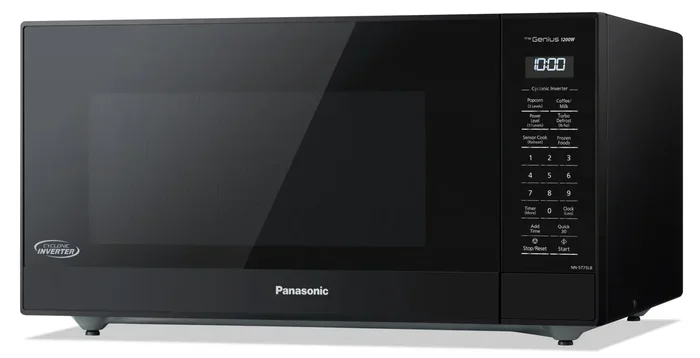
The main control panel on most Panasonic models includes a digital display, a set of preset buttons, and manual controls for time and power. Some models also feature a sensor on the inside ceiling that detects steam and adjusts cooking automatically. This is called sensor cooking, and it is one of the standout features of Panasonic microwave technology.
What Makes Panasonic Microwaves Different
Panasonic uses something called inverter technology in many of its models. Unlike traditional microwaves that pulse power on and off, an inverter delivers a steady stream of energy. This means your food heats more evenly. It also means you can cook at lower power levels without interrupting the cooking process.
This is a big deal for anyone who cares about cooking quality. Traditional microwaves often overcook the edges of food while leaving the center cold. Panasonic inverter technology reduces this problem significantly. The result is more evenly heated meals and better texture in your food.
Another key difference is the turbo defrost function. This feature uses smart algorithms to calculate the right defrosting time based on the weight of your food. It is much faster and more reliable than manual defrosting. You can go from frozen to ready-to-cook in a fraction of the usual time.
Setting Up Your Panasonic Microwave Oven for First Use
Setting up a new microwave oven might seem simple, but a few smart steps at the beginning can make a huge difference. Taking a few minutes to set things up properly ensures safe operation and the best performance from your Panasonic microwave oven.
Unboxing and Placement
When you first unbox your Panasonic microwave, check that all parts are included. You should have the oven cavity, the turntable, the turntable roller ring, and the user manual. Place the oven on a flat, stable surface away from walls and other heat sources. Make sure the ventilation vents are not blocked.
Most Panasonic models need at least a few inches of clearance on all sides. This allows proper airflow and prevents the appliance from overheating. Do not place your microwave inside a closed cabinet unless the manufacturer specifically allows it.
First-Time Cleaning
Even brand-new ovens can have a slight manufacturing smell. Before you cook your first meal, run the oven empty for two minutes with a bowl of water and a slice of lemon inside. This cleans the interior and removes any residual odors. It is a quick step that makes a big difference in the taste of your food.
Setting the Clock and Language
Take a moment to set the clock on your Panasonic microwave. This is important because many preset functions rely on the clock for timing. Follow the quick-start guide in your manual. Most models let you choose your preferred language as well, which makes navigating the menu much easier.
Essential Panasonic Microwave Oven Settings and Features
Now that your oven is set up, let us explore the settings and features you will use most often. Knowing what each feature does will help you cook with confidence and save time every day.
Power Levels Explained
Microwave power levels control how much energy the oven uses during cooking. Most Panasonic models offer power levels from 1 to 10 or 1 to 100 percent. Higher levels deliver more heat and are great for boiling water or cooking dense foods. Lower levels are perfect for gentle reheating or melting butter without burning it.
Here is a quick guide to common power level uses:
- Level 10 (100%): Boiling water, cooking raw vegetables, and heating liquids quickly.
- Level 7-8 (70-80%): Cooking rice, pasta, and reheating casseroles evenly.
- Level 4-6 (40-60%): Melting chocolate, butter, or cheese without overheating.
- Level 1-3 (10-30%): Gentle defrosting and warming delicate foods like baby food.
Understanding power levels is one of the most important skills for using any microwave oven. When you use the right level for the right task, your food tastes better and cooks more evenly.
Sensor Cooking Made Simple
Sensor cooking is one of the best features on a Panasonic microwave oven. The sensor detects steam released from your food and automatically adjusts the cooking time and power. This removes the guesswork from reheating and cooking.
To use sensor cooking, simply place your food in a microwave-safe dish, close the door, and press the sensor cook button. The oven does the rest. It monitors the steam and stops cooking when your food reaches the right temperature. This feature works great for soups, stews, and leftover meals.
Preset Functions for Everyday Cooking
Panasonic microwaves come with built-in preset functions that make everyday cooking a breeze. These one-touch programs are designed for common tasks like heating coffee, making popcorn, or cooking frozen vegetables. Each preset automatically sets the right time and power level for the job.
Here are some of the most useful presets you will find on a Panasonic microwave oven:
- Popcorn: Cooks popcorn perfectly without burning it.
- Beverage: Heats coffee, tea, or milk to a safe drinking temperature.
- Frozen Dinner: Cooks frozen meals using optimized time and power settings.
- Reheat: Warms leftover food evenly without drying it out.
- Steam: Uses steam cooking to preserve nutrients and flavor in vegetables.
These presets are not just convenient. They are also reliable. Panasonic engineers have tested each preset extensively to deliver consistent results. You can trust them to give you great food every time.
Turbo Defrost for Quick Meal Prep
The turbo defrost function is a game-changer for busy weeknights. Instead of waiting hours for meat to thaw in the fridge, you can use turbo defrost to get it ready in minutes. Simply enter the weight of your food, and the oven calculates the exact defrosting time.
This feature works best with individual portions like chicken breasts, fish fillets, or ground meat. For larger items like whole turkeys, you may need to pause and let the heat distribute. Always check that your food is fully thawed before cooking it.
Cooking Tips and Techniques for Best Results
Knowing your settings is only half the battle. How you use them matters just as much. These practical tips will help you get the best results from your Panasonic microwave oven every single time.
Use the Right Containers
Always use microwave-safe containers when cooking with your Panasonic microwave oven. Glass, ceramic, and microwave-safe plastic are all good choices. Avoid metal, aluminum foil, and containers with metallic trim. These can cause sparks and damage your oven.
A quick test to check if a container is microwave-safe: place it empty in the oven next to a cup of water. Heat on high for one minute. If the container stays cool and the water heats up, it is safe to use. If the container gets hot, do not use it in the microwave.
Stir and Rotate for Even Cooking
Even with inverter technology, food can cook unevenly in a microwave oven. The easiest way to fix this is to pause and stir your food halfway through cooking. This redistributes the heat and helps everything cook at the same rate.
If your Panasonic model does not have an automatic turntable, make sure to rotate your dish manually. The turntable in most Panasonic ovens spins automatically, but large or oversized dishes may need a hand. Taking these small steps makes a big difference in cooking quality.
Cover Your Food
Covering your food while microwaving serves two purposes. It traps steam, which cooks food faster and more evenly. It also prevents splatters inside the oven cavity, which makes cleanup much easier.
Use a microwave-safe lid or a microwave-safe paper towel. Avoid sealing the container completely, as steam needs somewhere to escape. A loose-fitting cover works perfectly for most cooking tasks.
Let Food Rest After Cooking
This is a tip many people overlook. After your Panasonic microwave oven finishes cooking, let the food sit for a minute or two. The heat continues to distribute throughout the dish during this resting period. It is especially important for thick foods like casseroles and soups.
Use this resting time to wash your dishes or prepare a simple side salad. It is a small habit that makes a big difference in how your food tastes and feels.
Experiment with Microwave Recipes
Once you are comfortable with the basics, start experimenting with microwave recipes. You can cook oatmeal, scrambled eggs, steamed fish, and even baked potatoes in a Panasonic microwave oven. The possibilities are much wider than most people realize.
Start with simple recipes and work your way up. Each successful dish builds your confidence and teaches you more about how your oven behaves. Over time, you will develop an intuition for timing and power levels that is unique to your specific model.
Cleaning and Maintaining Your Panasonic Microwave Oven
A clean microwave oven performs better and lasts longer. Regular maintenance is simple and takes only a few minutes. Here is how to keep your Panasonic microwave oven in top shape.
Daily Cleaning Routine
After each use, wipe down the inside of the oven with a damp cloth. This prevents food residue from building up and becoming hard to remove. Pay special attention to the ceiling and the walls of the cavity where splatters tend to accumulate.
Clean the turntable and roller ring separately with warm soapy water. These parts can be washed in the sink or placed in the dishwasher if the manufacturer allows it. A clean turntable spins smoothly and ensures even cooking.
Deep Cleaning Once a Week
Once a week, do a deeper clean. Place a bowl of water with a few slices of lemon or a splash of vinegar inside the oven. Heat on high for three to five minutes. The steam loosens grime and grease, making it easy to wipe away. This natural method is safe, effective, and leaves your oven smelling fresh.
For stubborn stains, make a paste of baking soda and water. Apply it to the affected area and let it sit for a few minutes before wiping clean. Avoid using abrasive scrubbers or harsh chemical cleaners, as they can damage the interior coating of your Panasonic oven.
Exterior Maintenance
Do not forget the exterior. Wipe down the door, handle, and control panel with a soft damp cloth regularly. This removes fingerprints, grease splashes, and dust. Clean ventilation openings should also be checked periodically to make sure they are not blocked by dust or debris.
Common Mistakes to Avoid When Using a Panasonic Microwave Oven
Even experienced cooks make mistakes with their microwave oven. Knowing what to avoid helps you get better results and keeps your appliance safe. Here are the most common errors people make and how to prevent them.
Using the Wrong Containers
This is the number one mistake people make with microwave cooking. Metal containers, recycled paper bags, and certain plastics can spark, melt, or release harmful chemicals. Always double-check that your container is labeled as microwave-safe before using it in your Panasonic microwave oven.
Overcrowding the Oven
It can be tempting to heat up a full plate of food all at once. But overcrowding blocks steam circulation and leads to uneven cooking. Heat food in smaller portions if needed. Stir between intervals for the best results.
Ignoring the Turntable
The turntable exists for a reason. It rotates food so that all sides are exposed to microwave energy evenly. Never operate your Panasonic microwave oven without the turntable in place unless your specific model is designed for flatbed cooking.
Skipping the Stir
Microwaves heat from the outside in, which means the edges of your food can be boiling hot while the center is still cold. Skipping the stirring step leads to uneven temperatures and unpleasant textures. Make it a habit to pause and stir at least once during cooking.
Not Reading the Manual
It might seem boring, but your Panasonic microwave oven manual contains valuable information specific to your model. It includes safety warnings, recommended power levels, and troubleshooting tips. Taking a few minutes to read it can save you a lot of frustration down the road.
Safety Tips for Using Your Panasonic Microwave Oven
Safety should always come first when using any kitchen appliance. Panasonic microwave ovens are designed with multiple safety features, but following these simple tips ensures a safe cooking experience every time.
Always supervise your microwave when it is in use, especially when cooking for children. Use the child lock feature if your model has one. This prevents accidental operation and keeps little ones safe. Never operate an empty microwave, as this can damage the magnetron and create a fire hazard.
If you notice any unusual smells, sparks, or sounds, stop the oven immediately and unplug it. Contact Panasonic customer support for assistance. Regular inspection of the door seal and latch also helps ensure your oven continues to operate safely over time.
Conclusion
Using a Panasonic microwave oven with confidence is easier than most people think. You now understand the key features, settings, and techniques that make microwave cooking simple and enjoyable. From inverter technology to sensor cooking, turbo defrost to preset functions, your Panasonic oven has everything you need for everyday meals.
Remember to use the right containers, stir your food, and clean your oven regularly. Avoid the common mistakes that lead to uneven cooking or safety issues. With practice, you will find that your Panasonic microwave oven becomes one of the most-used tools in your kitchen.
Start small, experiment often, and trust the process. The more you use your oven, the more confident you will become. Enjoy the convenience, speed, and versatility that a quality microwave oven brings to your daily cooking routine.
Frequently Asked Questions
Can I use metal containers in a Panasonic microwave oven?
No, you should never use metal containers in a Panasonic microwave oven. Metal causes sparks and can damage the appliance or start a fire. Always use microwave-safe glass, ceramic, or plastic containers labeled for microwave use.
How long does turbo defrost take on a Panasonic microwave?
Turbo defrost time depends on the weight and type of food you are thawing. Most Panasonic models calculate the time automatically once you enter the food weight. A typical chicken breast might defrost in 5 to 10 minutes, while larger items take longer.
Is sensor cooking better than manual cooking?
Sensor cooking is generally more consistent because it adjusts time and power based on steam levels. Manual cooking gives you more control, which can be useful for experienced cooks. Both methods work well, but sensor cooking is ideal for everyday reheating and cooking tasks.
How often should I clean my Panasonic microwave oven?
Wipe the interior after every use to prevent buildup. A deeper clean using the steam method with lemon or vinegar should be done once a week. Regular cleaning keeps your oven performing at its best and extends its lifespan.
Can I cook raw meat in a Panasonic microwave oven?
Yes, you can cook raw meat in a Panasonic microwave oven. Use a microwave-safe dish, cover the meat, and cook at the appropriate power level. Make sure the meat reaches a safe internal temperature before serving. Use a food thermometer if you are unsure.
What is inverter technology and why does it matter?
Inverter technology delivers a steady stream of microwave energy instead of pulsing on and off. This results in more even cooking, better texture, and faster defrosting. It is one of the key features that sets Panasonic microwaves apart from many other brands.