How To Bake Yams In Oven Without Foil And Get Perfect
Baking yams in the oven without foil is a simple game-changer that delivers better texture, richer flavor, and perfectly crispy edges every single time. You will learn the exact temperature, timing, and prep steps to get fluffy baked yams with golden skin. This guide covers everything from selecting the right yams to seasoning tricks that elevate your oven-baked yams to restaurant quality. Follow these easy steps and enjoy foil-free cooking that saves time and tastes amazing.
There is something deeply satisfying about pulling a tray of baked yams out of the oven. The kitchen smells warm and sweet. The skins are slightly crispy. And inside, the flesh is soft and fluffy. Now imagine achieving all of that without a single sheet of foil. It sounds too good to be true, but it is not.
Baking yams in oven without foil is one of the easiest upgrades you can make in the kitchen. Foil might seem convenient. It wraps everything up neatly. But it also traps steam, which softens the skin and prevents that beautiful caramelization you are chasing. When you ditch the foil, you unlock a whole new level of flavor and texture. This guide will walk you through every step, from choosing your yams to pulling them out of the oven perfectly done.
Key Takeaways
- No Foil Means Better Texture: Baking yams without foil allows steam to escape, creating crispy skin and fluffy insides.
- 400°F Is the Sweet Spot: This temperature cooks yams evenly and helps caramelize the natural sugars beautifully.
- Prep Matters: Washing, drying, and lightly oiling your yams before baking makes a huge difference in the final result.
- Timing Varies by Size: Small yams take about 45 minutes while large ones may need up to 90 minutes.
- Seasoning Goes a Long Way: Simple additions like olive oil, salt, and cinnamon can transform plain yams into a crowd-pleasing dish.
- Skip the Foil for Crispier Skin: Foil traps moisture and prevents the skin from crisping up the way it should.
- Rest Your Yams After Baking: Letting them sit for a few minutes helps the inside set and makes them easier to handle.
📑 Table of Contents
- Why Baking Yams Without Foil Works Better
- How To Prep Your Yams for Foil-Free Baking
- Best Oven Temperature and Time for Yams
- Seasoning and Flavor Ideas for Yams Without Foil
- Common Mistakes to Avoid When Baking Yams Without Foil
- Serving Suggestions and Storage Tips
- How To Bake Yams In Oven Without Foil: Final Thoughts
Why Baking Yams Without Foil Works Better
You might be wondering why foil even gets used for baking yams in the first place. Many people reach for it because it seems faster. Wrapping a yam in foil creates a sealed environment. The steam builds up and cooks the yam quickly. The problem is that steam is the enemy of crispy skin. When you trap moisture against the surface of the yam, the skin turns soft and slightly pale. You lose that golden, slightly charred exterior that makes oven-baked yams so irresistible.
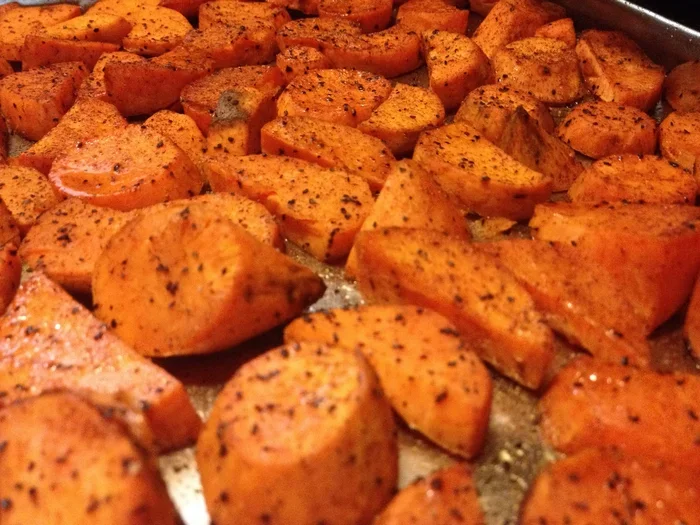
When you bake yams without foil, the heat circulates freely around the vegetable. The skin dehydrates just enough to become crispy. The natural sugars on the surface caramelize, creating a subtle sweetness and a beautiful brown color. Inside, the yam steams gently on its own, becoming tender and fluffy. The result is a whole baked yam with a perfect contrast between crisp skin and creamy interior.
Here are some key reasons to skip the foil:
- Crispier skin: Free air movement dries out the surface, creating a satisfying crunch.
- Better caramelization: The sugars on the yam surface brown more evenly without trapped steam.
- More natural flavor: Foil can sometimes make yams taste slightly metallic or bland.
- Easier cleanup: No foil means no crumpled sheets to throw away or recycle.
- Faster prep: You skip the step of wrapping and unwrapping each yam.
Switching to foil-free baking is one of those small changes that makes a surprisingly big difference. Once you try it, you will not go back.
How To Prep Your Yams for Foil-Free Baking
Preparation is the foundation of great baked yams. The good news is that it takes just a few minutes. The key is to start with clean, dry yams and a light coating of oil. This simple step sets you up for success.
Step 1: Choose the Right Yams
Not all yams are created equal. For the best results, look for yams that are firm and heavy for their size. Avoid any with soft spots, cracks, or sprouts. Medium-sized yams, about 6 to 8 inches long, tend to bake the most evenly. Very large yams can cook unevenly, with the outside overcooking before the center is done.
Here is what to look for when selecting yams:
- Firm texture with no wrinkles or soft areas.
- Even shape for consistent cooking.
- Rich orange or deep purple flesh depending on the variety.
- Skin that is smooth and unbroken.
Step 2: Wash and Dry Thoroughly
Rinse each yam under cool running water. Use a vegetable brush to gently scrub away any dirt. This is especially important if you plan to eat the skin, which many people love. After washing, pat the yams completely dry with a clean towel. Moisture on the surface can interfere with crisping and may cause the yam to steam rather than roast.
Step 3: Prick the Skin
Use a fork to poke several holes into each yam. This is a crucial step. Without these holes, steam builds up inside the yam and has nowhere to go. The result can be a yam that bursts in the oven or one with an uneven texture. Poking the skin also helps the heat penetrate more evenly, which reduces overall yam baking time.
Step 4: Lightly Oil and Season
Drizzle a small amount of olive oil or melted coconut oil over each yam. Use your hands to rub the oil all over the skin. You do not need a lot. Just enough to create a thin, even coating. This helps the skin crisp up and promotes browning. At this stage, you can also sprinkle on salt, pepper, or any dry spices you enjoy.
Common seasoning options for yam recipes include:
- A pinch of cinnamon and brown sugar for a sweet version.
- Smoked paprika and garlic powder for a savory twist.
- Chili flakes and lime zest for a spicy kick.
- Fresh rosemary and olive oil for an herby flavor.
Best Oven Temperature and Time for Yams
Getting the temperature right is essential for how to cook yams in oven without foil. Too low, and the yam will take forever and come out mushy. Too high, and the outside burns before the inside cooks through. The sweet spot is 400°F (200°C). This temperature is hot enough to caramelize the sugars on the surface while gently cooking the interior to a soft, fluffy consistency.
Baking Time by Yam Size
The size of your yam determines how long it needs in the oven. Here is a general guide for baking yams in oven without foil:
- Small yams (4 to 5 inches): 40 to 50 minutes.
- Medium yams (6 to 8 inches): 50 to 65 minutes.
- Large yams (9 inches or more): 65 to 90 minutes.
The best way to check if your yam is done is to insert a fork or knife into the thickest part. If it slides in smoothly with no resistance, the yam is ready. If you feel any firmness, give it a few more minutes. The skin should also look wrinkled and slightly charred in spots, which is a great sign.
Comparison: Foil vs. No Foil Baking
Curious about the real difference between the two methods? Here is a side-by-side look at foil versus foil-free yam baking:
| Factor | With Foil | Without Foil |
|---|---|---|
| Skin Texture | Soft and pale | Crispy and caramelized |
| Cooking Time | Slightly faster | A bit longer |
| Flavor | Milder, sometimes steamed | Richer, more concentrated |
| Cleanup | More (foil to discard) | Less (just a baking sheet) |
| Nutrient Retention | Some nutrients leach into trapped steam | Better retention of natural nutrients |
| Ease of Preparation | Requires wrapping | Simple place-and-bake |
As you can see, the benefits of foil-free cooking clearly outweigh the minor extra time it takes. The flavor, texture, and simplicity make it the better choice for most home cooks.
Seasoning and Flavor Ideas for Yams Without Foil
One of the best things about baking yams without foil is that the skin becomes an edible part of the dish. A well-seasoned skin adds flavor and texture that you simply cannot get when wrapping in foil. The open oven environment lets seasonings toast and meld with the yam surface.
Sweet Yam Recipes
If you love sweet yams, there are endless ways to enhance them. After baking, split the yam open and add a pat of butter. Drizzle with honey or maple syrup. A sprinkle of cinnamon and a few chopped nuts turns a simple baked yam into a dessert-like treat. For something more indulgent, top with a dollop of whipped cream or a scoop of vanilla ice cream.
Savory Yam Recipes
For a savory take, try rubbing the yam with olive oil, garlic, and rosemary before baking. After it comes out of the oven, add a sprinkle of grated parmesan cheese and a squeeze of fresh lemon juice. This pairs beautifully as a yam side dish alongside roasted meats or grilled vegetables.
Spicy and Global Flavors
Do not be afraid to experiment with bold flavors. A blend of cumin, coriander, and a pinch of cayenne creates a smoky, spicy roasted yam that pairs well with grilled chicken. For a Middle Eastern-inspired version, drizzle with tahini and pomegranate seeds after baking. The possibilities are truly endless when you bake without foil, because the open environment lets every flavor develop fully.
Quick Tips for Flavor Boost
- Brush the skin with melted butter before baking for extra richness.
- Add a drizzle of honey during the last 10 minutes of baking for a glaze.
- Sprinkle flaky sea salt on top right after removing from the oven.
- Let the yam cool for 5 minutes before splitting so it holds its shape.
Common Mistakes to Avoid When Baking Yams Without Foil
Even with the best intentions, it is easy to make small mistakes that affect your baked yams. Being aware of these pitfalls helps you avoid them and get consistent results every time.
Skipping the Prick Step
This is the most common mistake people make. If you do not poke holes in the yam skin, steam has no way to escape. The yam can burst in the oven, creating a mess and potentially causing burns. Always use a fork and make several deep pricks before placing the yam on the baking sheet. This step is non-negotiable for safe, even yam cooking.
Using Too Much Oil
A light coating of oil is all you need. If you drench the yam, the excess oil will pool on the baking sheet and create soggy spots. A teaspoon or so per yam is plenty. Rub it in with your hands to ensure even coverage. The goal is a thin layer that promotes crisping, not frying.
Overcrowding the Pan
Give each yam plenty of space on the baking sheet. If you place them too close together, the hot air cannot circulate properly. This leads to uneven cooking and steamed patches instead of crispy skin. Leave at least an inch of space between each yam. If you need to bake more, use a second sheet or work in batches.
Cutting Into the Yam Too Soon
It is tempting to slice open a hot yam the moment it comes out of the oven. Resist that urge. Let the yam rest for at least 5 minutes. This allows the inside to set and makes it much easier to handle. Cutting too early releases steam prematurely, and you lose some of that fluffy texture you worked so hard to achieve.
Ignoring the Skin
Many people peel the skin off before or after baking. But the skin is where a lot of the magic happens when you bake without foil. It becomes crispy, slightly smoky, and full of flavor. Try eating it before peeling. You might be surprised at how much you enjoy it. The skin also holds the yam together during baking, giving it structure.
Expert Insights on Foil-Free Yam Baking
Professional chefs often prefer baking yams without foil because it allows for better Maillard reaction on the skin. This is the same chemical process that makes roasted meats and baked bread so flavorful. The slight dehydration of the skin surface at 400°F creates complex flavor compounds that foil simply cannot replicate. If you want to take your yam baking technique to the next level, ditch the foil and trust the oven to do its work.
Serving Suggestions and Storage Tips
Once your yams are baked to perfection, the fun part is serving them. Whole baked yams make a stunning presentation on a rustic wooden board. You can place them on a platter with a small bowl of butter, a drizzle of olive oil, and a sprinkle of fresh herbs. For a more substantial meal, split the yams open and stuff them with black beans, cheese, and salsa for a hearty yam side dish or light main course.
If you have leftovers, let them cool completely before storing. Place them in an airtight container in the refrigerator. They will keep for up to 5 days. To reheat, wrap the yam in a damp paper towel and microwave for 30 to 60 seconds, or reheat in the oven at 350°F for about 10 minutes. Reheating in the oven helps maintain the crispy skin texture, which is one of the best parts of foil-free baking.
You can also freeze baked yams for up to 3 months. Wrap each one tightly in plastic wrap, then place them in a freezer-safe bag. Thaw overnight in the refrigerator and reheat in the oven for the best results.
Nutrition Benefits of Baked Yams
Baking is one of the healthiest ways to prepare yams. Unlike frying, it does not add extra fat. And because you are not boiling them, you retain more of the water-soluble vitamins and minerals that make yams so nutritious. Yams are rich in vitamin A, vitamin C, fiber, and potassium. They are naturally low in fat and provide sustained energy from complex carbohydrates. Eating oven-baked yams is a smart choice for anyone looking to enjoy a nutritious, satisfying meal.
How To Bake Yams In Oven Without Foil: Final Thoughts
Baking yams in oven without foil is one of the simplest yet most rewarding techniques you can add to your cooking repertoire. It takes just a few extra minutes of preparation and a little patience, but the results speak for themselves. You get crispy, caramelized skin on the outside and soft, fluffy flesh on the inside. The flavor is deeper and more concentrated than what foil-wrapped yams can offer.
Start with the right yams, prep them properly, and bake at 400°F. Keep an eye on the time based on the size of your yams. Season them to your liking, and enjoy the process. Once you experience the difference that foil-free baking makes, you will wonder why you ever used foil at all.
Whether you are making a simple weeknight side dish or an impressive holiday centerpiece, these yam recipes will never let you down. The oven does the heavy lifting. Your job is just to prep, season, and wait. That is the beauty of baking yams in the oven without foil. It is easy, it is rewarding, and the results are absolutely perfect.
Frequently Asked Questions
Can I bake yams without foil at a lower temperature?
Yes, you can bake yams at 350°F without foil, but it will take longer. Expect an additional 15 to 20 minutes compared to baking at 400°F. The lower temperature produces a gentler cook, but you may lose some of the caramelization on the skin. For the best results, stick with 400°F when trying foil-free yam baking for the first time.
Do I need to peel yams before baking them without foil?
No, you do not need to peel yams before baking. In fact, leaving the skin on is one of the best parts of baking without foil. The skin crisps up and becomes delicious. Just make sure to wash the yams thoroughly and scrub off any dirt before baking. The skin also helps hold the yam together during cooking.
How do I know when a yam is fully baked without foil?
The easiest way to check is to insert a fork or knife into the thickest part of the yam. If it slides in smoothly with no resistance, the yam is done. The skin should look wrinkled and slightly charred in spots. You can also gently squeeze the yam (with an oven mitt) and feel for a soft, give-it-way texture.
Can I bake multiple yams at once without foil?
Absolutely. Just make sure to leave at least an inch of space between each yam on the baking sheet. This allows hot air to circulate freely around each yam, which is essential for even foil-free cooking. If your oven is large enough, you can bake multiple trays at once for meal prep.
What is the difference between yams and sweet potatoes for baking?
True yams and sweet potatoes are actually different vegetables, though they are often confused in grocery stores. Most of what is labeled as a yam in the United States is actually a sweet potato. Both can be baked without foil using the same method. Sweet potatoes tend to be sweeter and softer, while true yams have a starchier, drier texture. Either works beautifully for oven-baked yams without foil.
Can I add butter or syrup after baking instead of before?
Yes, adding butter or syrup after baking is a great way to keep the skin crispy while still enjoying a rich flavor. Split the hot yam open, add a pat of butter, and let it melt inside. Drizzle with maple syrup or honey just before serving. This approach gives you the best of both worlds: crispy skin and a sweet, indulgent filling.
=== CONCLUSION ===
Baking yams in oven without foil is a simple technique that transforms an everyday side dish into something truly special. You get crispy skin, fluffy insides, and deeper flavor every single time. The process is straightforward: wash, prick, oil, season, and bake at 400°F until tender. No foil, no fuss, no compromise.
Once you start baking whole baked yams without foil, you will notice the difference immediately. The texture is better. The taste is richer. And cleanup is easier. These yam recipes work for any occasion, from a quiet weeknight dinner to a festive holiday table.
So next time you are in the mood for baked yams, skip the foil and let the oven do its magic. Follow the tips in this guide, experiment with different seasonings, and enjoy the process. You will be rewarded with perfect foil-free yams that everyone at the table will love. Happy baking!