How To Bake Sauerkraut In The Oven With Crispy Results
Learning how to bake sauerkraut in the oven is simple and rewarding. This method transforms tangy fermented cabbage into a crispy, flavorful side dish that pairs perfectly with pork, sausages, and more. You will find a detailed step-by-step recipe, pro tips for crispy results, and delicious variations to try at home.
There is something magical about how to bake sauerkraut in the oven. This humble fermented cabbage turns into something extraordinary when heat meets flavor. If you have only ever eaten sauerkraut straight from the jar, you are missing out on a whole new world of taste and texture.
Baked sauerkraut brings a crispy, caramelized edge that complements so many meals. Whether you are serving it alongside pork chops, sausages, or even as a standalone side, the oven method delivers consistent, delicious results. Today, I will walk you through everything you need to know to make the best oven-baked sauerkraut at home.
This guide covers every detail from preparation to plating. You will learn the ideal oven temperature for sauerkraut, discover tasty variations, and avoid the mistakes that ruin this dish. By the end, you will feel confident enough to make crispy sauerkraut your go-to side dish for any occasion.
Key Takeaways
- Oven baking brings out the best in sauerkraut: It creates a crispy texture and deep, caramelized flavor that stovetop cooking cannot match.
- Draining and rinsing is essential: Excess liquid makes sauerkraut soggy, so proper prep is the key to crispy oven-baked sauerkraut.
- Low and slow works best: Baking at 350°F for 30-45 minutes gives you perfectly tender and crispy results every time.
- Add bacon, onions, or apples for extra flavor: These ingredients elevate your baked sauerkraut recipe into a standout dish.
- Baked sauerkraut is a healthy side dish: It retains probiotics and adds fiber, vitamins, and tangy flavor to any meal.
- Avoid common mistakes like skipping the drain step: Small prep errors can ruin your crispy sauerkraut texture.
📑 Table of Contents
- Why Baking Sauerkraut In The Oven Is A Great Idea
- What You Need Before You Start
- Step-by-Step: How To Bake Sauerkraut In The Oven
- Delicious Sauerkraut Recipe Variations For Your Oven
- Crispy Sauerkraut: Tips And Tricks For Perfect Results
- Common Mistakes And How To Avoid Them
- Health Benefits Of Baked Sauerkraut
- Serving Suggestions And Best Pairings
- Conclusion
Why Baking Sauerkraut In The Oven Is A Great Idea
You might wonder why baking matters when you can eat sauerkraut straight from the jar. The answer is simple: heat changes everything. Baking fermented cabbage in the oven concentrates the flavors and creates textures that are impossible to achieve any other way.
When you bake sauerkraut, the natural sugars in the cabbage begin to caramelize. This process adds a subtle sweetness that balances the tangy, sour notes beautifully. The edges turn golden and crispy, while the center stays tender and full of flavor.
Texture Transformation
The biggest difference between raw and baked sauerkraut is texture. Fresh sauerkraut from a jar feels soft and wet. After baking, it becomes something entirely different. The edges crisp up, and the whole dish takes on a slightly chewy, satisfying bite.
Many people prefer oven-baked sauerkraut because it feels more like a cooked dish. It pairs well with roasted meats, potatoes, and hearty breads. The transformation from raw to baked is one of the most satisfying things you can do in the kitchen.
Flavor Depth
Baking also deepens the flavor profile of your tangy sauerkraut. The sourness mellows out, and new flavor notes emerge. You will notice hints of sweetness, nuttiness, and even a slight smokiness if you add bacon or smoked sausage.
This flavor development happens because of the Maillard reaction. It is the same process that makes roasted vegetables so delicious. When you apply it to German sauerkraut, the results are nothing short of impressive.
Versatility
One of the best things about baked sauerkraut is how versatile it is. You can eat it as a side dish, fold it into a casserole, or use it as a topping for sandwiches and burgers. The oven method gives you a blank canvas to work with.
Some people make a full sauerkraut casserole with layers of meat and vegetables. Others keep it simple with just sauerkraut, onions, and a little butter. No matter your style, the oven gives you control over the final result.
What You Need Before You Start
Before you dive into how to bake sauerkraut in the oven, you need a few things ready. The preparation stage is just as important as the baking itself. Taking a few extra minutes here will save you from soggy or bland results later.
Ingredients You Will Need
Here is a simple list of ingredients for a basic baked sauerkraut recipe:
- Sauerkraut: One 32-ounce jar of store-bought or homemade fermented cabbage. Look for raw, unpasteurized varieties if possible.
- Onion: One medium yellow onion, thinly sliced. Onions add sweetness and depth to your sauerkraut side dish.
- Butter or oil: Two tablespoons of butter or olive oil for sautéing and browning.
- Bacon (optional): Four to six slices of bacon, cooked and crumbled. This is a classic addition to sauerkraut with bacon.
- Seasonings: Salt, black pepper, caraway seeds, and a pinch of sugar to balance the tang.
- Apples (optional): One crisp apple, diced. Apples add a lovely sweetness that complements the sour cabbage.
Equipment You Will Need
You do not need fancy tools to make great oven-baked sauerkraut. Here is what you need:
- A baking dish or oven-safe skillet (9×13 inches works well).
- A colander or strainer for draining the sauerkraut.
- A cutting board and sharp knife.
- A mixing bowl for combining ingredients.
- Aluminum foil or parchment paper for covering during baking.
Preparing the Sauerkraut
This step is crucial and often overlooked. Drain sauerkraut thoroughly before baking. Excess liquid will steam the cabbage instead of roasting it, which means no crispy edges.
Open your jar and pour the sauerkraut into a colander. Let it drain for at least 15 minutes. For even better results, rinse it lightly under cold water to remove excess brine. Then squeeze it gently with your hands to remove as much moisture as possible.
Some people skip this step and wonder why their crispy sauerkraut turns out soggy. Do not make that mistake. Taking five minutes to drain your fermented cabbage makes a huge difference in the final texture.
Step-by-Step: How To Bake Sauerkraut In The Oven
Now comes the fun part. Here is a complete walkthrough of how to bake sauerkraut in the oven for perfect results every time. Follow these steps closely, and you will have a delicious dish ready in less than an hour.
Step 1: Preheat Your Oven
Set your oven to 350°F. This is the ideal oven temperature for sauerkraut. It is hot enough to caramelize the edges but gentle enough to cook the cabbage through without drying it out completely.
While your oven is heating up, prepare your baking dish. A glass or ceramic dish works best because it distributes heat evenly. If you only have a metal pan, that works too, but watch your timing more carefully.
Step 2: Sauté the Aromatics
In a skillet over medium heat, melt your butter. Add the sliced onions and cook until they turn soft and golden. This takes about five to seven minutes. The onions should be slightly caramelized, which adds a natural sweetness to your baked sauerkraut recipe.
If you are using bacon, cook it in the same skillet until crispy. Remove the bacon and set it aside, but keep the rendered fat in the pan. Use that fat to sauté your onions. The smoky flavor from the bacon fat infuses everything beautifully.
Step 3: Combine the Ingredients
Add the drained sauerkraut to the skillet with the onions. Stir everything together and cook for two to three minutes. This helps the flavors meld before they go into the oven.
Transfer the mixture to your prepared baking dish. Spread it out evenly. If you are adding diced apples, caraway seeds, or a pinch of sugar, sprinkle them over the top now. Gently toss everything together.
For a richer sauerkraut casserole, layer the sauerkraut mixture with cooked sliced sausages or pork pieces. This creates a hearty one-dish meal that the whole family will love.
Step 4: Cover and Bake
Cover your baking dish with aluminum foil. This traps moisture and helps the sauerkraut cook through evenly. Place it in the preheated oven and bake for 25 minutes.
The sauerkraut cooking time under the foil is about 25 minutes at 350°F. This gentle steam cooks the cabbage tender while keeping it from drying out. The sauerkraut preparation time before baking adds about 10 minutes, so plan for roughly 45 minutes total.
Step 5: Uncover and Crisp
After 25 minutes, remove the foil. This is the step that creates your crispy sauerkraut. The uncovered surface allows moisture to escape and the edges to brown.
Return the dish to the oven and bake for another 10 to 15 minutes. Check it at the 10-minute mark. You want the top to look golden brown and slightly crispy. If it is not browning fast enough, you can broil it for one to two minutes, but watch it closely to prevent burning.
Step 6: Rest and Serve
Remove the dish from the oven and let it rest for five minutes. This resting period allows the flavors to settle and the texture to firm up slightly.
Give the sauerkraut a gentle stir. You should see golden, crispy edges throughout. Serve it warm as a side dish alongside roasted pork, grilled sausages, or even a hearty stew.
Delicious Sauerkraut Recipe Variations For Your Oven
The beauty of baked sauerkraut is that you can customize it endlessly. Once you master the basic method, you can experiment with different flavors and ingredients. Here are some of the best variations to try.
Sauerkraut with Bacon and Apples
This is perhaps the most popular oven-baked sauerkraut variation. The combination of smoky bacon, sweet apples, and tangy cabbage creates a flavor profile that is hard to beat.
Cook your bacon until crispy, then crumble it. Dice a crisp apple and add it along with the bacon during the final 10 minutes of baking. The apple softens slightly and adds a fruity sweetness that balances the sour sauerkraut perfectly.
German-Style Pork and Sauerkraut
For an authentic German experience, pair your baked sauerkraut with pork. You can use pork chops, smoked pork shoulder, or even kielbasa sausage.
Brown the pork in your skillet before combining it with the sauerkraut. The pork juices add incredible depth to the dish. This variation works beautifully as a complete meal, especially with some crusty bread on the side.
Cheesy Sauerkraut Casserole
If you love cheese, this variation is for you. Layer your sauerkraut mixture in a baking dish and top it generously with shredded cheddar or Swiss cheese.
Cover and bake as usual, then uncover for the final crisping stage. The cheese melts into a golden, bubbly layer that pairs wonderfully with the tangy cabbage. This makes an excellent sauerkraut casserole for potlucks or holiday dinners.
Simple Butter and Onion Sauerkraut
Sometimes less is more. A basic buttery sauerkraut with just onions and a touch of caraway seeds is elegant and delicious.
This minimalist approach lets the flavor of the fermented cabbage shine through. It is the perfect sauerkraut side dish for a simple weeknight dinner. The preparation takes less than 10 minutes, and the oven does all the work.
Crispy Sauerkraut: Tips And Tricks For Perfect Results
Getting crispy sauerkraut in the oven is all about technique. A few small adjustments can take your dish from good to restaurant-quality. Here are the tips that make the biggest difference.
Drain Thoroughly
This cannot be stressed enough. Wet sauerkraut steams instead of roasts. Always drain your sauerkraut in a colander and squeeze out excess liquid with your hands or a clean kitchen towel.
If your sauerkraut comes in a very briny jar, consider rinsing it briefly under cold water. Then drain and squeeze again. The goal is damp but not dripping wet fermented cabbage.
Use a Hot Oven
Make sure your oven is fully preheated before the sauerkraut goes in. A hot oven jumpstarts the caramelization process and helps create those crispy edges you are looking for.
Avoid opening the oven door too frequently during baking. Each time you open it, the temperature drops, and your sauerkraut cooking time effectively increases. Trust the process and check only at the halfway point.
Spread It Thin
Do not pile your sauerkraut too high in the baking dish. A thin, even layer allows more surface area to contact the heat. This means more crispy edges and more even browning.
If you have a large batch, use two smaller dishes instead of one large one. The extra surface exposure makes a noticeable difference in the final texture of your oven-baked sauerkraut.
Add Fat for Browning
A thin layer of butter or oil on the surface of your sauerkraut promotes browning and crispiness. Fat conducts heat more efficiently than air, so it helps the edges crisp up faster.
Brush the top lightly with melted butter before the final uncovered baking phase. You can also drizzle a small amount of olive oil over the sauerkraut before it goes in the oven.
Let It Rest After Baking
Fresh from the oven, your crispy sauerkraut will be at its crispiest. However, letting it rest for five minutes allows the moisture to redistribute. This prevents a soggy layer from forming at the bottom of the dish.
During resting, the edges firm up slightly while the center stays tender. This contrast between crispy and tender is what makes great baked sauerkraut so satisfying.
Common Mistakes And How To Avoid Them
Even experienced cooks make mistakes when learning how to bake sauerkraut in the oven. Here are the most common errors and how to avoid them.
Skipping the Drain Step
This is the number one mistake people make. Putting wet sauerkraut directly into the oven produces steamed, limp cabbage instead of crispy, roasted edges. Always drain and squeeze your sauerkraut before baking.
Using Too Much Liquid
Some recipes call for adding broth or beer to the sauerkraut. While a small amount can add flavor, too much liquid creates a soggy mess. If you add any liquid, use no more than a quarter cup for a full batch.
Baking at Too High a Temperature
It is tempting to crank up the heat to speed things along. But too high a temperature burns the edges before the center cooks through. Stick to 350°F for even, thorough cooking of your baked sauerkraut recipe.
Not Seasoning Enough
Sauerkraut on its own can taste quite sour. Without proper seasoning, your dish may taste one-dimensional. Salt, pepper, caraway seeds, and a touch of sugar all help balance the flavor.
Overcooking
Baked sauerkraut that cooks too long becomes dry and loses its appealing texture. Start checking for doneness at the 35-minute mark. The sauerkraut should be tender but still have some bite and visible crispy edges.
Health Benefits Of Baked Sauerkraut
Beyond its delicious taste, baked sauerkraut offers several health benefits. This traditional food has been enjoyed for centuries, and for good reason.
Sauerkraut health benefits start with its probiotic content. The fermentation process creates beneficial bacteria that support gut health. Baking does reduce some of these live cultures, but sauerkraut still provides fiber and important nutrients.
A serving of sauerkraut nutrition includes vitamin C, vitamin K, iron, and fiber. It is also low in calories, making it a guilt-free side dish for any meal. The fiber content supports digestion and helps you feel full longer.
Many people enjoy homemade sauerkraut because they can control the ingredients. Store-bought varieties often contain added sodium and preservatives. Making your own fermented cabbage lets you avoid those additives and customize the flavor to your preference.
Serving Suggestions And Best Pairings
Oven-baked sauerkraut pairs beautifully with many different foods. Here are some of the best serving suggestions to complete your meal.
- Pork dishes: Roasted pork loin, pork chops, or smoked pork shoulder are classic companions to German sauerkraut.
- Sausages: Bratwurst, kielbasa, or smoked sausage all work wonderfully with baked sauerkraut.
- Potatoes: Roasted or mashed potatoes alongside sauerkraut make a hearty, comforting meal.
- Rye bread: A thick slice of dark rye bread is perfect for soaking up the juices.
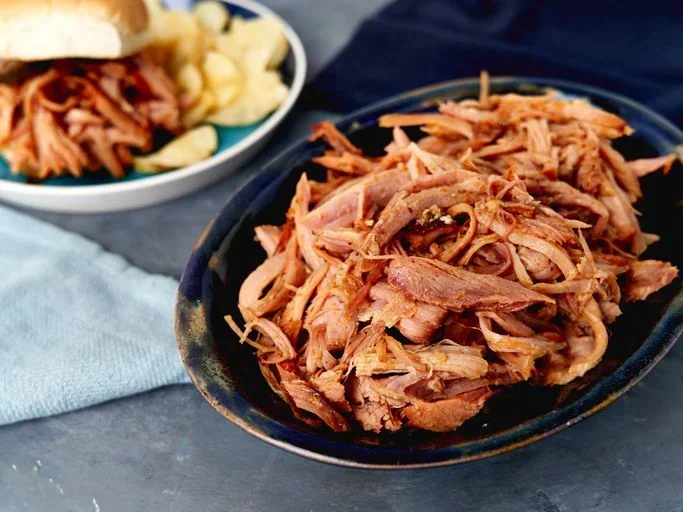
- Sandwiches: Use baked sauerkraut as a topping for pulled pork sandwiches or hot dogs.
- Salads: A small scoop of warm sauerkraut adds tang and crunch to green salads.
The versatility of sauerkraut side dish options means you can serve it at casual weeknight dinners or formal holiday meals. It works equally well in a simple family supper or an elaborate feast.
Conclusion
How to bake sauerkraut in the oven is a simple skill that elevates a humble ingredient into something truly special. The oven method brings out crispy textures and deep, caramelized flavors that make this fermented cabbage a standout side dish for any meal.
By following the steps in this guide, you now have everything you need to make perfect baked sauerkraut at home. Remember to drain your sauerkraut thoroughly, bake at 350°F, and uncover during the final stage for maximum crispiness. Try the different variations to find your favorite combination of flavors.
Whether you keep it simple with just onions and butter or go all out with bacon, apples, and cheese, your oven-baked sauerkraut is sure to become a family favorite. The next time you see a jar of fermented cabbage in your fridge, do not just eat it straight from the jar. Give it the oven treatment and taste the difference for yourself.
Start with the basic recipe, master the technique, and then get creative with your own additions. The beauty of crispy sauerkraut is that it adapts to whatever ingredients you have on hand. Happy baking, and enjoy every bite of your delicious homemade sauerkraut.
Frequently Asked Questions
Can I use store-bought sauerkraut for baking?
Yes, store-bought sauerkraut works perfectly for oven baking. Just make sure to drain it well before putting it in the oven. Look for raw, unpasteurized sauerkraut in the refrigerated section for the best flavor and texture in your baked sauerkraut recipe.
How long does it take to bake sauerkraut in the oven?
The total sauerkraut cooking time is about 40 to 45 minutes. You bake it covered for 25 minutes at 350°F, then uncover it for an additional 10 to 15 minutes to get those crispy edges. The exact timing depends on how much sauerkraut you are baking and how crispy you like it.
Is baked sauerkraut still healthy?
Baked sauerkraut still offers many health benefits, though some live probiotics are reduced by the heat. You still get fiber, vitamin C, vitamin K, and important minerals from your sauerkraut nutrition. The fiber content remains intact, supporting good digestion even after baking.
Can I freeze leftover oven-baked sauerkraut?
Yes, you can freeze leftover oven-baked sauerkraut for up to three months. Let it cool completely, then store it in an airtight container or freezer bag. Reheat it in the oven at 350°F for about 10 minutes to restore the crispy texture.
What is the best way to reheat baked sauerkraut?
The best way to reheat is in the oven at 350°F for 10 to 15 minutes. This helps maintain the crispy texture that makes oven-baked sauerkraut so good. Avoid microwaving if possible, as it tends to make the sauerkraut soggy and soft.
Can I add meat directly to the sauerkraut before baking?
Absolutely. Adding cooked meats like sausage, bacon, or pork directly to the sauerkraut before baking creates a complete meal in one dish. The meat juices flavor the fermented cabbage as everything bakes together. Just make sure the meat is already cooked before it goes into the oven.