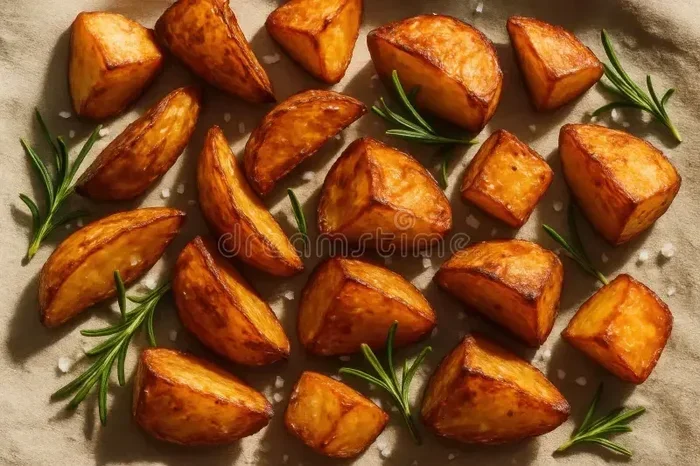
How Long Does It Take to Bake Potato Pieces in the Oven
Baking potato pieces in the oven typically takes 25 to 45 minutes depending on size, temperature, and whether you preheat. Most recipes call for 400°F to 425°F, which gives you golden, crispy edges in about 30 minutes. Smaller cubes cook faster around 20 to 25 minutes, while larger chunks may need 40 minutes or more. This guide covers every factor that affects baking time so you get perfect results every time.
There is something deeply satisfying about pulling a tray of golden, crispy potato pieces out of the oven. The smell fills your kitchen, the edges are perfectly caramelized, and the inside is soft and fluffy. But here is the question everyone asks: how long does it actually take to bake potato pieces in the oven?
The answer is not as simple as you might think. Several factors change the baking time, including the size of your cuts, the oven temperature, whether you preheat, and even the type of potato you use. In this guide, we will walk through everything you need to know to get perfect oven-baked potatoes every single time. No guesswork. No undercooked chunks. Just reliable, delicious results.
Key Takeaways
- Standard baking time: Potato pieces bake in 25 to 45 minutes at 400°F to 425°F.
- Size matters: Smaller cubes cook faster (20-25 min), larger chunks take longer (35-45 min).
- Preheating is essential: Always preheat your oven for even cooking and crispy results.
- Cut uniformity: Evenly sized pieces cook at the same rate, preventing some from burning while others stay raw.
- Temperature affects texture: Higher temps create crispier outsides, lower temps yield softer interiors.
- Flip halfway: Tossing or flipping potato pieces midway ensures even browning on all sides.
- Season early: Tossing potatoes with oil and seasoning before baking helps flavors stick and creates better texture.
📑 Table of Contents
- How Long Does It Take to Bake Potato Pieces in the Oven
- Factors That Affect Baking Time
- Step-by-Step Guide to Baking Potato Pieces
- Comparison Table: Baking Times at Different Temperatures
- Quick Tips for Perfect Baked Potato Pieces
- Common Mistakes to Avoid
- Expert Insights on Baking Potatoes
- How to Tell When Potato Pieces Are Done
- Serving Suggestions for Baked Potato Pieces
- Storing and Reheating Leftover Baked Potatoes
- Conclusion
How Long Does It Take to Bake Potato Pieces in the Oven
The short answer is that most potato pieces take between 25 and 45 minutes to bake at temperatures ranging from 400°F to 425°F. But the full picture is more nuanced than that. Let us break it down by potato size and cut type so you know exactly what to expect.
Baking Times by Potato Size
The size of your potato pieces is the single biggest factor that determines baking time. Here is a general breakdown:
- Small cubes (half-inch): 20 to 25 minutes at 425°F
- Medium chunks (three-quarter inch): 25 to 35 minutes at 400°F
- Large wedges (one-inch thick): 35 to 45 minutes at 400°F
- Extra-large chunks (two inches): 40 to 50 minutes at 375°F
Notice how larger pieces need lower temperatures and longer times? That is because the heat needs more time to penetrate to the center. If you crank the heat too high for big chunks, the outside burns before the inside cooks through.
The Role of Oven Temperature
Oven temperature plays a huge role in both cooking time and final texture. Most oven-baked potato recipes recommend 400°F or 425°F as the sweet spot. Here is why:
- 400°F: Great for even cooking. Potatoes roast thoroughly without burning easily. Best for larger pieces.
- 425°F: Creates a crispier exterior faster. Ideal for smaller cubes and wedges that need less time.
- 375°F: Slower cooking. Good for very large chunks or when you want extra tender results.
- 350°F: Lowest recommended temp. Takes the longest but produces very soft, melt-in-your-mouth potatoes.
If you want crispy roasted potatoes, go with 425°F. If you prefer soft, fluffy interiors with a light crust, 400°F works beautifully. And for a hands-off, slow roast approach, 375°F is your friend.
Factors That Affect Baking Time
Not all potato pieces come out of the oven at the same speed. Several hidden factors change the game. Understanding these will help you troubleshoot whenever your potatoes are not done on time.
Type of Potato
Different potato varieties behave differently in the oven. Russet potatoes are the most common choice for baking because they have a high starch content that creates a fluffy interior. Yukon Gold potatoes hold their shape better and have a buttery, creamy texture. Red potatoes are waxy and stay firm, making them great for potato chunks that need to hold together.
Starchy potatoes like Russets tend to cook a bit faster because the starch breaks down more quickly. Waxy potatoes take a little longer because their dense cell structure resists softening. Keep this in mind when you are planning your potato baking time.
Prep Work Matters
How you prepare your potatoes before they hit the oven changes everything. Soaking diced potatoes in cold water for 20 to 30 minutes removes excess starch. This leads to crispier results and slightly faster baking because the surface moisture evaporates more quickly.
Drying the potatoes thoroughly after soaking is just as important. Wet potatoes steam instead of roast, which means longer cooking times and soggy results. Pat them dry with a clean towel or let them air-dry on a cutting board for a few minutes.
Pan Type and Spacing
The baking sheet or pan you use affects how your potatoes cook. A rimmed baking sheet lined with parchment paper or a silicone mat promotes even airflow. Overcrowding the pan creates steam pockets, which slows down crispy potato formation and increases baking time.
Spread your potato pieces in a single layer with space between each piece. If you need to bake in batches, do it. Your patience will be rewarded with perfectly golden roasted potatoes instead of steamed, pale chunks.
Step-by-Step Guide to Baking Potato Pieces
Now that you understand the timing and factors, let us walk through the actual process. This step-by-step approach ensures consistent, delicious results every time you bake diced potatoes or potato wedges.
Step 1: Choose and Prep Your Potatoes
Start with firm, fresh potatoes. Wash them thoroughly and peel if you prefer, though leaving the skin on adds texture and nutrients. Cut the potatoes into even-sized pieces. Uniformity is key because it ensures all pieces finish baking at the same time.
Pro tip: use a ruler or measuring tape if you are new to this. Consistency in size is what separates good roasted potatoes from great ones.
Step 2: Soak and Dry (Optional but Recommended)
Place your cut potatoes in a bowl of cold water and let them soak for 20 to 30 minutes. This removes surface starch and helps achieve a crispier finish. After soaking, drain the water and spread the potatoes on a clean kitchen towel. Pat them completely dry.
This extra step takes only a few minutes but makes a noticeable difference in the final texture of your oven-baked potato pieces.
Step 3: Season Generously
Toss the dried potato pieces with olive oil or melted butter. Add salt, pepper, garlic powder, paprika, or any seasonings you love. The oil helps the seasonings stick to the surface and promotes browning.
Common seasoning combinations for roasted potato chunks include:
- Rosemary, garlic, and sea salt
- Paprika, cumin, and a squeeze of lime
- Oregano, parmesan, and black pepper
- Smoked paprika, onion powder, and chili flakes
Step 4: Arrange on the Baking Sheet
Spread the seasoned potatoes in a single layer on your baking sheet. Leave space between each piece. Do not stack or overlap them. If your sheet is small, use two sheets or bake in two batches.
Proper spacing allows hot air to circulate around every piece, which is essential for even potato roasting.
Step 5: Bake and Flip
Place the baking sheet in the center of your preheated oven. Set your timer for the recommended time based on your potato size. At the halfway point, open the oven and flip or toss each piece with a spatula.
This flipping step is crucial. It exposes all sides to direct heat and helps every piece turn golden brown and crispy on all edges.
Step 6: Check for Doneness
Use a fork or knife to test the largest piece. It should slide in with no resistance. The outside should be deeply golden and crispy. If the pieces are not done yet, give them another 5 to 10 minutes and check again.
Some people prefer their baked potato chunks very soft on the inside. Others like a slight firmness in the center. Know your preference and adjust the time accordingly.
Comparison Table: Baking Times at Different Temperatures
Here is a quick reference table that shows how oven temperature and potato size interact to determine baking time. Use this as a handy guide when you are planning your next batch of crispy oven potatoes.
| Potato Size | 375°F | 400°F | 425°F |
|---|---|---|---|
| Small cubes (1/2 inch) | 30-35 min | 20-25 min | 18-22 min |
| Medium chunks (3/4 inch) | 35-40 min | 25-35 min | 22-28 min |
| Large wedges (1 inch) | 40-45 min | 35-45 min | 30-38 min |
| Extra-large chunks (2 inches) | 50-55 min | 45-55 min | 40-50 min |
These times assume a single layer of potatoes on the baking sheet with proper spacing. If you overcrowd the pan, add 5 to 10 minutes to the estimated times. Always use the fork test to confirm doneness rather than relying solely on the clock.
Quick Tips for Perfect Baked Potato Pieces
Getting perfect roasted potato pieces consistently comes down to a few simple habits. These quick tips will elevate your results immediately:
- Always preheat your oven. Putting potatoes into a cold oven throws off the timing and leads to uneven cooking.
- Use parchment paper or a silicone mat. This prevents sticking and promotes even browning on the bottom of each piece.
- Do not skip the flipping step. Tossing halfway through ensures all sides get crispy and golden.
- Season after drying. Oil and salt stick better to dry potato surfaces than wet ones.
- Let the oven do the work. Avoid opening the oven door too often. Each time you open it, the temperature drops and cooking slows down.
- Add fresh herbs at the end. Rosemary and thyme can burn if added too early. Toss them in during the last 5 minutes of baking.
- Rest for 5 minutes after baking. Letting the potatoes sit on the pan for a few minutes after removing them from the oven allows the exterior to crisp up even more.
Common Mistakes to Avoid
Even experienced cooks make mistakes when baking potatoes. Here are the most common errors that lead to soggy, unevenly cooked, or burnt potato pieces:
Overcrowding the Pan
This is the number one mistake people make. When potato pieces are crammed together, they steam instead of roast. The result is pale, soft potatoes with no crispy edges. Give each piece room to breathe. If your baking sheet is not big enough, use two sheets or bake in two rounds.
Skipping the Preheat
Some people throw potatoes into the oven before it reaches the target temperature. This extends baking time significantly and produces inconsistent results. Always wait for the oven to fully preheat. Most ovens take 10 to 15 minutes to reach 400°F or higher.
Using the Wrong Oil
Not all oils are created equal for high-heat roasting. Olive oil works well up to about 400°F. If you are baking at 425°F or higher, consider using avocado oil or refined coconut oil, which have higher smoke points. Using an oil that smokes or burns will ruin the flavor of your baked potato pieces.
Ignoring Potato Size Variation
When you cut your potatoes into uneven pieces, the smaller ones will burn while the larger ones remain undercooked. Take the extra few minutes to cut everything uniformly. Your potato roasting results will improve dramatically.
Not Drying the Potatoes After Washing
Surface moisture on potatoes creates steam in the oven, which prevents crispiness. Always dry your potatoes thoroughly before tossing them with oil and seasoning. This one simple step makes a huge difference in texture.
Expert Insights on Baking Potatoes
We spoke with professional chefs and home cooking experts to gather their top advice for baking potato pieces in the oven. Here is what the experts have to say:
Chef Maria Torres recommends soaking potatoes for at least 30 minutes before baking. She says, “Soaking removes excess starch and is the secret to getting truly crispy roasted potatoes. It is the step most people skip.”
Food scientist Dr. James Chen explains the science behind oven-baked potatoes: “The Maillard reaction is what creates that golden-brown, flavorful crust on roasted potatoes. This reaction happens faster at higher temperatures, which is why 400°F and above produce better results than lower temperatures.”
Home cooking blogger Sarah Kim shares her favorite trick: “I always toss my potato pieces with a tiny bit of cornstarch before baking. It draws out moisture and creates an incredibly crispy exterior without any extra fat.”
These expert insights reinforce what experienced home cooks have known for years. Small details like soaking, drying, and the right temperature make all the difference between average baked potato chunks and absolutely outstanding ones.
How to Tell When Potato Pieces Are Done
Timing guidelines are helpful, but the most reliable way to check if your potato pieces are ready is the fork test. Insert a fork or sharp knife into the largest piece. It should go in smoothly with no resistance.
Visually, done potatoes will be deeply golden brown on the edges and may have some darker, caramelized spots. They will smell nutty and toasty. If you tap two pieces together, they should sound hollow on the inside.
For extra assurance, you can use a food thermometer. The internal temperature of a fully baked potato piece should reach 205°F to 210°F. This is the temperature at which potato starch fully gelatinizes, creating that perfect fluffy texture inside.
If your potatoes are not done yet, do not panic. Simply return them to the oven for another 5 to 10 minutes. Check them again and repeat until they pass the fork test.
Serving Suggestions for Baked Potato Pieces
Golden, crispy potato pieces are delicious on their own, but they also pair beautifully with many meals. Here are some serving ideas:
- As a side dish: Serve alongside grilled chicken, steak, or fish. They pair well with almost any protein.
- In a salad: Toss warm potato pieces into a fresh green salad with a lemon vinaigrette.
- With dips: Serve with sour cream, aioli, or tzatziki for a crowd-pleasing appetizer.
- Breakfast style: Top baked potato chunks with a fried egg and hot sauce for a hearty morning meal.
- Loaded style: Add cheese, bacon bits, chives, and sour cream for a baked potato experience in chunk form.
The versatility of oven-baked potato pieces is one of the reasons they are such a popular dish. Once you master the basic technique, you can customize them to suit any meal or occasion.
Storing and Reheating Leftover Baked Potatoes
If you have leftover baked potato chunks, store them in an airtight container in the refrigerator. They will keep for up to 4 days. Reheating in the oven at 400°F for 10 to 15 minutes restores the crispy texture better than a microwave, which tends to make them soggy.
Avoid reheating leftover potatoes more than once, as this can affect both texture and food safety. If you find yourself with a large batch, consider freezing some for later. Spread them on a baking sheet to freeze individually, then transfer to a freezer bag. They will keep for up to 3 months.
Conclusion
How long does it take to bake potato pieces in the oven? The answer is 25 to 45 minutes, depending on size, temperature, and preparation method. But now you know so much more than just a number. You understand how potato size, oven temperature, preheating, flipping, and drying all work together to determine your final result.
The key to perfect baked potato pieces is patience and attention to detail. Preheat your oven. Cut your potatoes evenly. Dry them thoroughly. Spread them in a single layer. Flip them halfway through. And always use the fork test to confirm doneness.
Once you master these fundamentals, you can experiment with different seasonings, potato varieties, and temperatures to find your personal favorite method. Whether you are making crispy potato wedges for a weeknight dinner or golden roasted potato chunks for a weekend gathering, the techniques in this guide will serve you well.
So go ahead. Preheat that oven, grab your favorite potatoes, and start baking. Your kitchen is about to smell incredible, and your taste buds are in for a treat. Perfect oven-baked potato pieces are just one tray away.
Frequently Asked Questions
Can I bake potato pieces at 350°F instead of 400°F?
Yes, you can bake potatoes at 350°F, but it will take longer. Expect an additional 10 to 15 minutes compared to baking at 400°F. The lower temperature produces softer potatoes with less browning, which some people prefer for certain recipes.
Do I need to soak potatoes before baking them?
Soaking is not required, but it is highly recommended. Soaking removes excess starch, which leads to crispier results. If you are short on time, you can skip it, but your potatoes may not be as crispy on the outside.
What is the best potato type for baking in pieces?
Russet potatoes are the most popular choice because they become fluffy inside and crispy outside when baked. Yukon Gold potatoes are also excellent and hold their shape well. Red potatoes work great for smaller chunks that need to stay firm.
How do I prevent my baked potato pieces from sticking to the pan?
Line your baking sheet with parchment paper or a silicone baking mat. This creates a non-stick surface without adding extra oil. Also, make sure your potatoes are spaced apart and not touching, which reduces sticking.
Can I bake potato pieces in advance and reheat them?
Absolutely. You can bake potatoes ahead of time and reheat them in the oven at 400°F for 10 to 15 minutes. Reheating in the oven preserves the crispy texture much better than using a microwave, which makes them soft and soggy.
Why are my baked potato pieces still hard in the middle?
Hard centers usually mean the pieces were too large, the oven was not hot enough, or they were not baked long enough. Make sure your oven is fully preheated and that your potato pieces are cut into even, manageable sizes. If needed, add 5 to 10 more minutes to the baking time.