How To Cook Beef Braciole In Oven And Impress Everyone
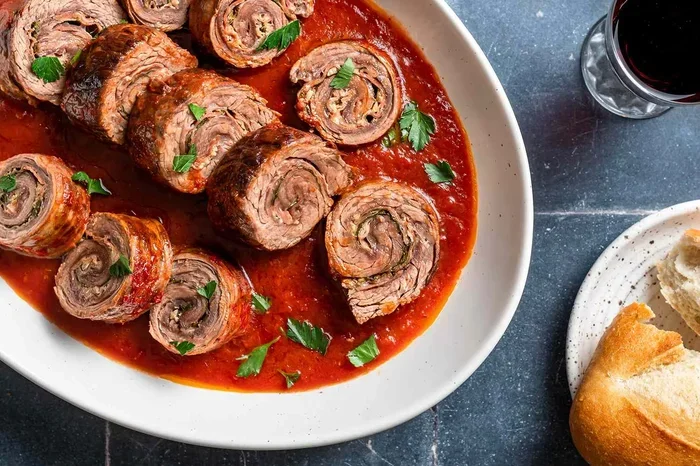
How To Cook Beef Braciole In Oven is easier than you think and results in a stunning Italian classic that fills your kitchen with irresistible aromas. This method uses simple ingredients like flank steak, garlic, and herbs to create tender, flavor-packed beef rolls. You will learn the full process from prep to plate in under two hours of hands-on time. The oven does the heavy lifting, braising the meat low and slow until it falls apart. Whether you are a beginner or a seasoned home cook, this guide will give you everything you need to succeed.
There is something magical about a dish that fills your entire home with the smell of garlic, tomatoes, and slow-cooked beef. How To Cook Beef Braciole In Oven is one of those recipes that feels fancy but is actually very doable. This Italian classic has been a family favorite for generations, and for good reason. The beef rolls are packed with flavorful filling, then braised in a rich tomato sauce until everything becomes tender and juicy.
If you have never made braciole before, do not worry. This guide walks you through every single step. You will learn how to prep the meat, make the filling, roll it up tightly, and let the oven work its magic. By the end, you will have a beautiful, restaurant-quality meal on your table. Your family and guests will be thoroughly impressed.
Key Takeaways
- Simple Ingredients: You only need flank steak, garlic, breadcrumbs, cheese, and a few pantry staples to make amazing beef braciole.
- Oven Braising Is Key: Cooking low and slow in the oven creates fork-tender meat with a rich, deeply flavored sauce.
- Easy to Customize: You can swap herbs, cheeses, and spices to make the recipe your own.
- Meal Prep Friendly: Beef braciole tastes even better the next day and reheats beautifully.
- Impressive Yet Easy: This dish looks elegant on the table but is surprisingly simple to prepare.
- Versatile Serving Options: Serve it over pasta, with mashed potatoes, or alongside crusty bread for a complete meal.
📑 Table of Contents
- What Is Beef Braciole?
- Ingredients You Will Need
- How To Prepare the Beef Rolls
- Cooking Beef Braciole In The Oven
- Making the Perfect Sauce
- Serving and Storing Beef Braciole
- Variations to Try
- Why Beef Braciole Is the Perfect Dinner Party Dish
- Frequently Asked Questions
- Final Thoughts on Cooking Beef Braciole
What Is Beef Braciole?
Beef braciole is a traditional Italian dish made by rolling thin slices of beef around a savory filling. The rolls are then braised in sauce until they become incredibly tender. The word “braciole” comes from the Italian word for “arms,” which refers to the way the meat is rolled. It is a beloved comfort food in Italian households and a staple of Sunday dinner tables.
This dish is different from a regular pot roast. Instead of cooking a large piece of meat, you slice the beef thin, stuff it, and roll it up. This gives you more surface area for flavor and makes each slice perfect for serving. The oven braises the rolls gently, keeping them moist and full of flavor. It is the kind of meal that tastes even better the next day.
Why Is It Called Braciole?
The name comes from the Italian word “braccio,” meaning arm. The rolled shape of the meat resembles a small arm or cuff. In Southern Italy, especially in regions like Calabria and Sicily, braciole is a staple dish. Each family has their own version, with slight variations in the filling and sauce. Some use pine nuts, others add hard-boiled eggs, and some keep it simple with just garlic and cheese. This diversity is what makes the dish so special. There is no single “right” way to make it.
Ingredients You Will Need
Having the right ingredients makes all the difference when you cook beef braciole in the oven. The good news is that most of what you need is affordable and easy to find. Here is a complete list to get you started.
For the Beef Rolls
- Flank steak: About 2 pounds of thin, flat flank steak works best. You can also use top round or chuck steak if that is what you have.
- Garlic: 4 to 5 cloves, minced finely. Fresh garlic gives the best flavor.
- Breadcrumbs: 1 cup of plain breadcrumbs. Italian-style breadcrumbs add extra flavor.
- Parmesan cheese: 1/2 cup, freshly grated. This adds a nutty, salty richness.
- Egg: 1 large egg to bind the filling together.
- Fresh parsley: 1/4 cup, chopped finely.
- Salt and pepper: To taste. Do not skip seasoning the filling.
- Olive oil: 2 tablespoons for drizzling over the rolls.
For the Braising Sauce
- Canned crushed tomatoes: 1 can (28 ounces) of good-quality San Marzano tomatoes.
- Tomato paste: 2 tablespoons for extra depth of flavor.
- Onion: 1 medium yellow onion, diced.
- Carrots: 2 medium carrots, chopped.
- Celery: 2 stalks, chopped.
- Beef broth: 1 cup for a richer braising liquid.
- Red wine: 1/2 cup (optional but highly recommended).
- Bay leaves: 2 to 3 leaves for aromatic flavor.
- Dried oregano: 1 teaspoon.
- Dried basil: 1 teaspoon.
- Sugar: A pinch to balance the acidity of the tomatoes.
How To Prepare the Beef Rolls
Prepping the beef rolls is the most important step in the whole process. Take your time here because the way you prepare and roll the meat affects the final result. Follow these steps carefully and you will have perfect rolls every time.
Step 1: Flatten the Steak
Place the flank steak on a cutting board. Use a meat mallet to pound it evenly to about 1/4-inch thickness. This makes the steak tender and easy to roll. Work from the center outward, flipping the steak halfway through. You want an even thickness so the rolls cook uniformly in the oven.
Step 2: Make the Filling
In a mixing bowl, combine the breadcrumbs, grated Parmesan, minced garlic, chopped parsley, salt, pepper, and the egg. Mix everything together with your hands until it forms a uniform mixture. The filling should be slightly moist but not wet. If it feels too dry, add a tiny splash of olive oil.
Step 3: Spread and Roll
Lay the flattened steak on a clean surface. Spread the filling evenly across the entire surface, leaving about an inch of space on the long edges. This prevents the filling from leaking out during cooking. Now, starting from one long edge, roll the steak up tightly like a jelly roll. The tighter the roll, the better the final shape will be.
Step 4: Secure the Rolls
Use kitchen twine to tie the rolls at 2-inch intervals. This keeps them from unraveling during the long braise. Some cooks also use toothpicks, but twine gives a cleaner result. Make sure the twine is snug but not so tight that it cuts into the meat.
Quick Tips for Perfect Rolls
- Place plastic wrap over the steak before pounding. It prevents the meat from sticking to the mallet.
- Chill the filled rolls in the fridge for 30 minutes before cooking. This helps them hold their shape better.
- Do not overfill. A thin, even layer of filling is better than a thick, messy one.
Cooking Beef Braciole In The Oven
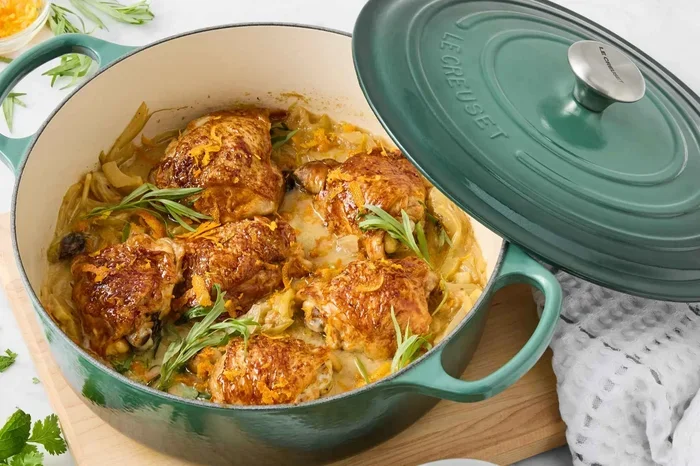
This is where the magic happens. How To Cook Beef Braciole In Oven is all about low and slow heat. The oven gently braises the meat, breaking down the fibers and creating incredibly tender rolls. You do not need to watch it constantly. Once it is in the oven, you can focus on making the sauce or preparing side dishes.
Step 1: Sear the Rolls
Preheat your oven to 325 degrees Fahrenheit. Heat a large Dutch oven or oven-safe pot over medium-high heat. Add a tablespoon of olive oil and sear each beef roll on all sides until they are nicely browned. This step takes about 3 to 4 minutes per side. Searing locks in the juices and adds a deep, caramelized flavor to the final dish.
Step 2: Build the Braising Liquid
Remove the rolls from the pot and set them aside. In the same pot, add the diced onion, carrots, and celery. Sauté for about 5 minutes until they soften. Stir in the tomato paste and cook for another minute. Pour in the red wine and scrape up any browned bits from the bottom of the pot. These bits are packed with flavor, so make sure you get every bit.
Step 3: Add the Tomatoes and Braise
Add the crushed tomatoes, beef broth, bay leaves, oregano, basil, and a pinch of sugar. Stir everything together until the sauce is well combined. Place the seared beef rolls back into the pot. The sauce should come about halfway up the sides of the rolls. If it does not, add a little more broth.
Step 4: Cover and Bake
Cover the pot tightly with a lid or aluminum foil. Place it in the preheated oven. Braise the beef braciole for 2 to 2.5 hours at 325 degrees Fahrenheit. The low temperature ensures the meat cooks evenly and stays juicy. Resist the urge to open the lid too often. Every time you open it, you lose heat and moisture.
How Do You Know When It Is Done?
The rolls are done when a fork slides easily into the meat and the filling is cooked through. The beef should feel tender when you gently press it with a spoon. The sauce should be thick and rich, not watery. If the sauce is too thin, remove the rolls and simmer the sauce on the stovetop for a few minutes to reduce it.
Common Mistakes to Avoid
- Skipping the sear: Searing adds a layer of flavor that cannot be replicated any other way.
- Using the wrong cut of beef: Flank steak or top round works best because they are thin and cook evenly.
- Overfilling the rolls: This causes them to burst open during cooking and the filling falls out.
- Cooking at too high a temperature: High heat dries out the beef. Keep it at 325 degrees for the best results.
- Not letting it rest: Always let the braciole rest for 10 to 15 minutes after removing from the oven.
Making the Perfect Sauce
The sauce is what turns good beef braciole into great beef braciole. After the rolls come out of the oven, you have a rich, flavorful braising liquid that deserves attention. Do not just pour it over the meat and call it done. Take a few extra minutes to make this sauce shine.
Remove the beef rolls from the pot and set them on a cutting board. Place the pot on the stovetop over medium heat. Skim off any excess fat from the surface of the sauce. Add a splash of fresh water or broth if the sauce seems too thick. Let it simmer for about 10 minutes while you remove the twine from the rolls.
Taste the sauce and adjust the seasoning. Add more salt, pepper, or a pinch of red pepper flakes if you like a little heat. Some cooks stir in a handful of fresh basil at this stage for brightness. The sauce should be velvety smooth and deeply savory. This is the moment that brings everything together.
Expert Tips for a Better Sauce
- Let the sauce cool slightly before blending it with an immersion blender for a smoother texture.
- Add a small knob of butter at the end for extra richness and shine.
- Stir in a splash of balsamic vinegar for a subtle tangy depth.
- Save some sauce separately before adding it to the rolls. This gives you extra for serving or freezing.
Serving and Storing Beef Braciole
Beef braciole is a versatile dish that works with many sides. The way you serve it can completely change the feel of the meal. Here are some of the best ways to enjoy it.
Best Ways to Serve
- Over spaghetti: Classic Italian-American style. The sauce soaks into the pasta beautifully.
- With mashed potatoes: Creamy mashed potatoes are the perfect bed for the rich sauce.
- Alongside polenta: Creamy polenta absorbs the sauce wonderfully.
- On crusty bread: Slice the rolls and serve them with warm Italian bread for soaking up every drop.
- With roasted vegetables: Roasted zucchini, peppers, and eggplant make a lighter, healthier pairing.
How to Store Leftovers
Beef braciole stores exceptionally well. Let the dish cool to room temperature before storing. Place the rolls and sauce in an airtight container and refrigerate for up to 4 days. The flavors actually deepen overnight, so it is even better the next day. You can also freeze the rolls for up to 3 months. Reheat gently on the stovetop or in the oven at 300 degrees Fahrenheit until warmed through.
Reheating Without Drying Out
The key to reheating beef braciole is moisture. Add a splash of beef broth or water to the pan before reheating. Cover the pot and heat over low temperature. This keeps the rolls tender and prevents them from drying out. Never reheat on high heat. It toughens the meat and ruins the texture you worked so hard to create.
Variations to Try
Once you master the basic recipe, you can start experimenting with different variations. This is what makes beef braciole such a fun dish to cook regularly.
Classic Southern Italian Style
Add sliced hard-boiled eggs and pine nuts to the filling. This is the traditional version from Southern Italy and it adds a wonderful texture contrast. The eggs create little pockets of richness inside each roll.
Cheese Lover’s Version
Mix mozzarella and ricotta cheese into the filling along with the Parmesan. This creates a creamy, gooey center that is absolutely delicious. Add a little extra baking time to let the cheese melt fully.
Spicy Braciole
Add red pepper flakes to the filling and the sauce. You can also stir in some Calabrian chili paste for a smoky, fiery kick. This version pairs perfectly with a bold red wine.
Slow Cooker Adaptation
If you prefer not to use the oven, you can transfer the seared rolls to a slow cooker. Add the sauce ingredients and cook on low for 6 to 8 hours. The result is similar, but the oven method gives you a slightly richer flavor from the browning.
Why Beef Braciole Is the Perfect Dinner Party Dish
If you have ever wanted to make an impressive meal without spending all day in the kitchen, beef braciole is your answer. The prep takes about 30 minutes. The oven does the rest. You can set the table, make a salad, and pour the wine while the dish cooks itself. When your guests arrive, you simply pull out a beautiful pot of tender, flavorful beef rolls and watch their faces light up.
The dish also scales beautifully. You can double the recipe for a larger gathering and use two Dutch ovens. The flavors only get better when you cook more because the sauce has more meat juices to work with. It is one of those rare dishes that is both impressive and practical. That is why it has stood the test of time in Italian kitchens around the world.
Pairing Wine With Beef Braciole
A medium-bodied red wine pairs perfectly with this dish. Chianti is the classic choice because it complements the tomato sauce without overpowering the beef. If you prefer something a little fruitier, a Barbera or a Nero d’Avola works wonderfully too. For those who do not drink alcohol, a splash of red grape juice in the sauce adds a similar fruity depth.
Frequently Asked Questions
Can I use a different cut of beef for braciole?
Yes, you can use top round, chuck steak, or even sirloin. Flank steak is the most traditional choice because it is thin and easy to roll. The key is to pound the meat to an even 1/4-inch thickness so it cooks uniformly in the oven. Avoid thick cuts because they will not roll properly and will take much longer to cook through.
How long does beef braciole take to cook in the oven?
Total cooking time is about 2.5 to 3 hours, including searing and braising. The actual oven time is around 2 to 2.5 hours at 325 degrees Fahrenheit. The low temperature is essential for breaking down the tough fibers in the beef and creating that melt-in-your-mouth texture. Do not rush this process. Good braised dishes cannot be hurried.
Can I make beef braciole ahead of time?
Absolutely. In fact, beef braciole tastes better the next day because the flavors have time to meld together. You can prepare the rolls and sauce the night before, then simply pop the pot in the oven the next day. You can also freeze the cooked rolls for up to 3 months. Just thaw them overnight in the refrigerator before reheating gently on the stovetop.
What is the difference between braciole and roulade?
Braciole and roulade are essentially the same concept, just with different cultural names. Braciole is the Italian version, typically made with thin beef slices rolled around a breadcrumb and cheese filling. Roulade is a broader term used across European cuisines. The main difference is in the filling and sauce. Braciole is always braised in tomato sauce, while roulade can be served with a variety of sauces including cream-based ones.
Do I need to sear the beef rolls before putting them in the oven?
Yes, searing is highly recommended. It creates a flavorful crust on the outside of the rolls through the Maillard reaction. This browning adds depth and complexity to the final dish that you cannot get by simply braising without searing. If you are short on time, you can skip it, but the flavor will not be as rich. Take the extra 10 minutes to sear the rolls. Your taste buds will thank you.
Can I use store-bought breadcrumbs for the filling?
Yes, store-bought breadcrumbs work perfectly fine. However, fresh breadcrumbs made from stale Italian bread have a better texture and flavor. They absorb more moisture from the filling and create a lighter, more tender result. If you have the time, tear a slice of stale bread into pieces, pulse it in a food processor, and toss it with a little olive oil. It is a small upgrade that makes a noticeable difference.
Final Thoughts on Cooking Beef Braciole
How To Cook Beef Braciole In Oven is one of the most rewarding dishes you can add to your cooking repertoire. It combines simple ingredients with patient technique to create something truly extraordinary. The low oven temperature, the rich tomato sauce, and the carefully prepared filling all work together to produce a meal that is both comforting and elegant.
This dish teaches you the beauty of slow cooking. You do not need fancy equipment or expensive ingredients. You just need good beef, fresh herbs, and the willingness to let time do its work. The result is a meal that brings people together and creates lasting memories around the dinner table.
Start with the basic recipe and build your confidence. Once you have made it a few times, you will naturally start adjusting the flavors to suit your taste. Maybe you will add more garlic. Maybe you will try a cheese-filled version. Maybe you will make it spicy. Whatever direction you take, the foundation remains the same: tender beef rolls braised in a rich, savory sauce.
So pull up your sleeves, gather your ingredients, and give this recipe a try. The first time you pull those perfectly tender beef rolls out of the oven, covered in a glistening, aromatic sauce, you will understand why this dish has been a favorite for so long. It is not just a recipe. It is a tradition worth carrying forward. And with every bite, you will be sharing a piece of Italian culinary history with everyone at your table. Enjoy every moment of it, from the first whiff of garlic hitting the hot pan to the last spoonful of sauce soaked into warm pasta. This is what cooking is all about.