What Temp To Pull Prime Rib Out Of The Oven For Best Results
Discover the exact internal temperature to pull prime rib out of the oven for a juicy, tender roast. This guide covers oven settings, rest time, and common mistakes to ensure perfect prime rib every time.
When you are planning a show-stopping dinner, nothing beats a perfectly roasted prime rib. But the secret to a juicy, tender roast lies in one simple question: what temp to pull prime rib out of oven. Getting that timing right transforms a tough cut into a centerpiece everyone will rave about.
Prime rib is a luxurious cut that benefits from gentle, even heat. If you pull it too early, it will not be done. Pull it too late, and you will end up with dry, overcooked meat. This guide will walk you through the ideal temperatures, oven strategies, and rest times so you can serve a flawless roast every single time.
We will cover everything from the best internal temperature to the oven settings that create a beautiful crust. You will learn how to use a meat thermometer correctly and why resting the roast is just as important as cooking it. By the end, you will feel confident enough to tackle a bone-in prime rib for your next special occasion.
Key Takeaways
- Pull at 125°F for medium-rare: This is the ideal internal temp for a juicy, red center.
- Start oven at 450°F, then drop to 325°F: This sear-and-roast method gives a beautiful crust.
- Rest the roast for 20-30 minutes: The temp will rise 5-10°F, so factor that in.
- Use a meat thermometer: Never guess; probe the thickest part away from the bone.
- Bone-in vs. boneless matters: Bone-in roasts take longer and have different heat distribution.
- Avoid overcooking by pulling early: Let carryover cooking finish the job for perfect doneness.
📑 Table of Contents
Why Pulling Prime Rib at the Right Temperature Matters
The moment you pull prime rib out of the oven, the internal temperature continues to rise. This phenomenon is called carryover cooking. During the rest period, the outer hot layers transfer heat to the cooler center. So the roast you pull at 125°F will finish at around 130°F to 135°F.
If you ignore carryover cooking, you will overshoot your target doneness every time. For a perfect medium-rare prime rib, you need to pull it when the thermometer reads 125°F. That gives you a juicy, red center after resting. Pulling at 130°F would yield a medium doneness, which many people find too cooked.
The Science of Carryover Cooking
Carryover cooking happens because heat migrates from the outside in. A large roast like prime rib has a lot of thermal mass. The exterior gets hot first, then slowly warms the interior. Once the roast leaves the oven, that stored heat keeps moving inward. The bigger the roast, the more carryover you will see.
For a bone-in prime rib weighing 8 to 10 pounds, expect a 5°F to 10°F rise. A boneless roast of the same size might rise 8°F to 12°F. This is why experienced cooks pull the roast early. They let the oven’s residual heat finish the job gently.
How Internal Temp Affects Doneness
The internal temperature determines the doneness of your prime rib. Here is a quick breakdown of what to expect at different pull temperatures:
| Pull Temp (°F) | Final Temp After Rest (°F) | Doneness | Texture |
|---|---|---|---|
| 120°F | 125°F–130°F | Rare | Very red, soft center |
| 125°F | 130°F–135°F | Medium-Rare | Red, juicy, firm-soft center |
| 130°F | 135°F–140°F | Medium | Pink, slightly firmer center |
| 135°F | 140°F–145°F | Medium-Well | Pink-gray, less juicy |
| 140°F | 145°F–150°F | Well-Done | Gray, dry, tough |
Most prime rib lovers aim for medium-rare. That is the sweet spot where the meat stays juicy and tender. The pull temp to aim for is 125°F. If you prefer medium, pull at 130°F. But remember, the final temp will be higher after resting.
The Best Internal Temp to Pull Prime Rib Out of the Oven
The short answer is 125°F for medium-rare. That is the gold standard for a perfect prime rib. But the real answer depends on your oven method and the size of the roast. Let us break it down so you can decide what works best for your dinner.
Quick Tip: Always measure the temperature in the thickest part of the roast, away from the bone. The bone conducts heat differently and can give you a false reading if the probe touches it.
Medium-Rare: The Gold Standard
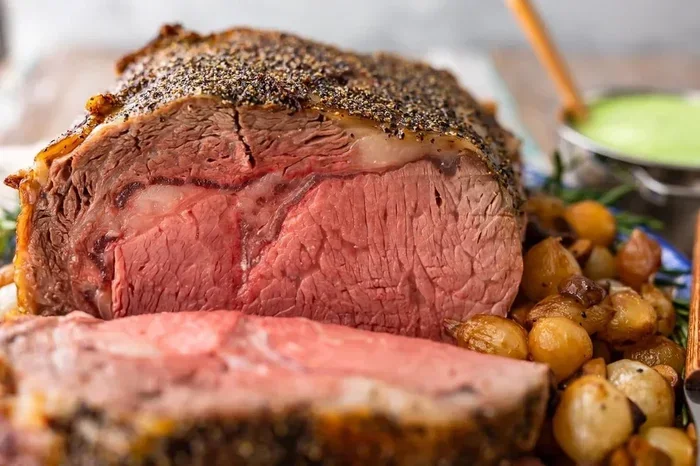
Pulling prime rib at 125°F gives you a beautiful, rosy center. The meat will be juicy and tender, with a slight firmness to the outer layer. This is the doneness that most chefs and meat lovers recommend. It allows the natural beef flavor to shine without drying out.
To hit 125°F, you will need to monitor the roast closely during the last hour. Use an instant-read thermometer and check in several spots. The oven temp at this stage is usually around 325°F. So the roast is cooking gently, which helps prevent a tough exterior.
Medium and Well-Done Options
If you prefer a more well-done roast, you can pull at 130°F for medium or 135°F for medium-well. Keep in mind that well-done prime rib tends to be dry and less flavorful. The high heat of the oven can evaporate the juices, leaving the meat less succulent.
For a medium roast, start checking the temp at 120°F internal. Pull it when it reaches 130°F. The carryover will bring it to a perfect medium. For well-done, pull at 135°F and accept that the texture will be firmer. Many experienced cooks recommend sticking with medium-rare for the best prime rib experience.
Bone-in vs. Boneless Considerations
Bone-in prime rib takes slightly longer to cook because the bone insulates the meat. The area near the bone can be hotter, so check the temp in multiple spots. Boneless prime rib roasts cook more evenly and are easier to slice. Both types pull at the same internal temp, but bone-in roasts may need a few extra minutes in the oven.
Oven Temperature Strategy for Prime Rib
The way you set your oven makes a huge difference in the final result. You want a crusty exterior and a perfectly cooked interior. There are two main approaches: the high-heat sear method and the low-and-slow method. Both work well, but they require different timing and attention.
The High-Heat Sear Method
This method starts with a blast of high heat to create a flavorful crust. You will preheat the oven to 450°F. Place the prime rib inside and let it sear for about 15 minutes. The high heat browns the surface quickly, locking in juices and adding a deep, savory flavor.
After the initial sear, reduce the oven temperature to 325°F. Continue roasting until the internal temp reaches your target pull temp. For medium-rare, that is 125°F. This two-stage approach gives you a beautiful golden-brown crust without overcooking the inside. It is the most popular method for prime rib.
Quick Tip: Place the roast fat-side up on a rack. The fat will baste the meat as it melts, keeping it moist and flavorful. You can also add aromatics like garlic, rosemary, and thyme to the pan for extra flavor.
Low-and-Slow vs. Reverse Sear
The low-and-slow method involves cooking the prime rib at a lower temperature, around 250°F, for a longer time. This gentle approach produces a more uniform doneness from edge to center. It is great for larger roasts because it reduces the risk of a gray band of overcooked meat under the crust.
The reverse sear starts with low heat and finishes with a high-heat blast. You roast the prime rib at 250°F until it is about 10°F below your target internal temp. Then you increase the oven to 450°F or even broil it for a few minutes to develop the crust. This method gives you precise control over the doneness.
For most home cooks, the high-heat sear method is simpler and more forgiving. The reverse sear is excellent if you want a perfect medium-rare edge-to-edge roast. Choose the method that fits your schedule and comfort level.
Approximate Cooking Times
A general rule is about 15 to 20 minutes per pound at 325°F after the initial sear. For a 6-pound roast, that is roughly 1.5 to 2 hours of roasting time. Use the thermometer as your guide rather than the clock. Every oven is different, and the actual time can vary.
How to Use a Meat Thermometer Correctly
A meat thermometer is the single most important tool for perfect prime rib. Without it, you are guessing. Even a few degrees can mean the difference between juicy and dry. Here is how to get accurate readings every time.
Where to Insert the Probe
Insert the thermometer into the thickest part of the roast. Avoid touching the bone, fat pockets, or the pan. The bone can conduct heat and give you a reading that is higher than the actual meat temperature. For bone-in prime rib, angle the probe away from the bone and into the center of the muscle.
Check the temp in at least two spots. The roast can have hot and cool zones, especially if it is a large piece. Take the reading from the geometric center for the most accurate result. If you see the probe touching bone, pull it out slightly and wait a few seconds for the reading to stabilize.
Instant-Read vs. Leave-In Thermometers
An instant-read thermometer is great for checking the temp quickly. You insert it, wait 15 to 30 seconds, and get a reading. It is perfect for spot-checking during the last 30 minutes of cooking. However, you cannot leave it in the oven because it is not designed for high heat.
A leave-in probe thermometer, also called an oven-safe thermometer, stays in the roast the entire time. You can monitor the internal temp from the oven door. This is ideal for prime rib because it lets you track the temperature without opening the door and losing heat. Many digital leave-in probes have alerts that beep when the target temp is reached.
Expert Insight: Professional pitmasters recommend using both types. Use a leave-in probe to monitor the roast continuously, and verify with an instant-read thermometer just before you think it is done. This double-check ensures you never miss the perfect pull moment.
Resting Time and Carryover Heat
Resting the prime rib after it comes out of the oven is just as important as the cooking itself. During rest, the juices redistribute throughout the meat. If you cut too early, the juices will run all over the cutting board, leaving the roast dry and less flavorful.
Why Resting Is Non-Negotiable
When the roast is hot, the muscle fibers are tightly packed and the juices are driven toward the center. As the meat cools, the fibers relax and the juices spread evenly. Resting also allows the internal temperature to equalize. The outer layers, which are hotter, will gently warm the cooler center.
This carryover heat is the reason we pull the roast early. The temperature continues to rise after removal. If you wait until the thermometer reads your final target temp inside the oven, the roast will be overcooked by the time it is done resting.
How Long to Rest Prime Rib
A good rule of thumb is to rest prime rib for 20 to 30 minutes. For a large bone-in roast, aim for 30 minutes. For a smaller boneless roast, 20 minutes is usually enough. Cover the roast loosely with aluminum foil during this time. The foil holds in some heat but does not trap enough steam to soften the crust.
Quick Tip: Do not wrap the roast tightly in foil. That will steam the crust and make it soggy. Instead, tent it loosely or place it on a warm cutting board. The carryover will raise the internal temp by 5°F to 10°F, giving you a perfectly juicy slice.
Common Mistakes That Ruin Prime Rib
Even with the best intentions, it is easy to make mistakes when roasting prime rib. Knowing what to avoid will save you from a dry, disappointing roast. Here are the most common errors and how to prevent them.
Opening the Oven Door Too Often
Every time you open the oven door, you lose heat and temperature fluctuations occur. The oven needs time to recover, and those temperature swings can affect the evenness of the cook. Try to resist the urge to peek. Use the oven light and window to check on the roast instead.
If you are using a leave-in probe, you will not need to open the door at all. Just glance at the display and watch the temperature climb. Only open the door when you are ready to check the final internal temp with an instant-read thermometer.
Skipping the Rest
Cutting into the roast immediately after pulling it from the oven is a classic mistake. The juices will flow out, leaving the meat dry. Resting allows the meat fibers to reabsorb those juices. Without rest, you will have a beautifully cooked roast that tastes dry because the juices are on the cutting board instead of in the meat.
Set a timer for 20 minutes. Use that time to prepare your sides or make a pan sauce. When the timer goes off, slice and serve. You will notice a huge difference in juiciness.
Not Letting the Roast Come to Room Temperature
Placing a cold roast straight into the oven leads to uneven cooking. The outside overcooks while the center is still cold. Take the prime rib out of the refrigerator 1 to 2 hours before cooking. Let it sit on the counter, uncovered, so it can warm up slightly.
This step reduces the cooking time and promotes more even heat distribution. It is a small effort that makes a big difference. The roast will cook more predictably, and you will have better control over the final doneness.
Final Thoughts on Perfect Prime Rib
Now you know exactly what temp to pull prime rib out of the oven for the best results. The magic number is 125°F for a juicy, medium-rare roast. Combine that with the right oven strategy, a reliable meat thermometer, and proper resting time, and you will serve a prime rib that will have everyone asking for seconds.
Remember, carryover cooking is your friend. Pull the roast early and let the oven’s residual heat finish the job. Avoid common mistakes like opening the door too often or skipping the rest. With a little practice, you will master the art of oven-roasted prime rib and become the hero of every holiday dinner or special gathering.
So next time you are planning a show-stopping meal, trust the process. Use this guide, keep an eye on that thermometer, and enjoy the incredible aroma of a perfectly roasted prime rib filling your kitchen. You have got this!
Frequently Asked Questions
What is the best internal temperature to pull prime rib out of the oven?
The ideal pull temperature for medium-rare prime rib is 125°F. This gives you a juicy, red center after resting. If you prefer medium, pull at 130°F and let carryover cooking bring it up to the perfect doneness.
How long should prime rib rest after cooking?
Rest your prime rib for 20 to 30 minutes. A large bone-in roast needs the full 30 minutes. This allows the juices to redistribute and the internal temperature to rise by 5°F to 10°F through carryover heat.
Should I cover prime rib with foil while resting?
Yes, but only loosely. Tent the roast with foil to hold in some warmth without steaming the crust. A tight wrap will make the exterior soggy, which you want to avoid for that perfect crispy outside.
Can I use a leave-in thermometer for prime rib?
Absolutely. A leave-in probe thermometer lets you monitor the internal temperature continuously without opening the oven door. It is the most convenient way to track the roast and alert you when it reaches your target pull temp.
What oven temperature is best for prime rib?
Start at 450°F for a 15-minute sear, then reduce to 325°F for the rest of the cook. This two-stage method creates a beautiful crust while keeping the inside tender. The low-and-slow method at 250°F is also effective for larger roasts.
How do I know when prime rib is done without a thermometer?
It is very difficult to judge doneness without a thermometer. The touch test can be unreliable for a large roast. Always use a meat thermometer to ensure the internal temp hits 125°F for medium-rare. It is the only way to guarantee perfect results every time.