Does Induction Mean Oven Safe Heres What You Should Know
Does induction mean oven safe? The answer is not as simple as yes or no. While induction cookware uses magnetic fields to heat food on the cooktop, oven safety depends on the material, handle type, and lid construction. Not every induction compatible pan can handle high oven temperatures. In this guide, we break down exactly what to look for, which materials work best, and how to avoid costly mistakes. You will learn the difference between induction ready cookware and oven proof cookware, and how to keep your kitchen gear safe and lasting for years.
So you have a beautiful set of induction cookware and you are wondering… does induction mean oven safe? It is a question that catches a lot of people off guard. You buy a nice pan, use it on your induction hob, and then suddenly you want to pop it in the oven for a casserole or a baked dish. But can you? The short answer is: not always. Induction compatibility and oven safety are two different things. Let us break it all down so you never have to guess again.
When you are cooking with induction cookware, you rely on a magnetic field to heat your food. It is fast, efficient, and incredibly convenient. But when it comes to using that same cookware in the oven, the rules change. The cookware material, the handle type, the lid, and the coating all matter. This guide will walk you through everything you need to know about using your induction ready pots and pans in the oven safely.
By the end of this article, you will know exactly what to look for, which materials work best, and how to avoid common pitfalls. Whether you are a beginner cook or a seasoned home chef, this information will help you get the most out of your kitchen gear.
Key Takeaways
- Induction does not automatically mean oven safe: The two are separate features. Always check the manufacturer guidelines.
- Material matters most: Stainless steel, cast iron, and carbon steel are generally oven safe, but non-stick coatings may not be.
- Handle and lid construction are critical: Plastic or wooden handles can melt in the oven even if the pan body is heat resistant.
- Look for oven safe symbols: Check the bottom of your cookware for temperature rating markings or oven safe labels.
- Thermal shock is a real risk: Sudden temperature changes can warp or crack your cookware, especially with glass or ceramic lids.
- Not all bakeware is induction compatible: Some oven-safe bakeware lacks the magnetic base needed for induction cooking.
- When in doubt, check the manual: The manufacturer always provides the most accurate oven safety information for their specific products.
📑 Table of Contents
- What Does Induction Mean for Cookware?
- Does Induction Mean Oven Safe? The Real Answer
- Which Materials Are Oven Safe for Induction Cooking?
- How to Check if Your Induction Cookware Is Oven Safe
- Common Mistakes People Make with Induction Cookware and Ovens
- Best Oven Safe Induction Cookware to Buy
- Final Thoughts
What Does Induction Mean for Cookware?
Before we dive into oven safety, let us clear up what induction actually means. Many people assume that induction is just another type of cooking surface. But it is really a heating technology that works very differently from gas or electric stoves.
How Induction Cooking Works
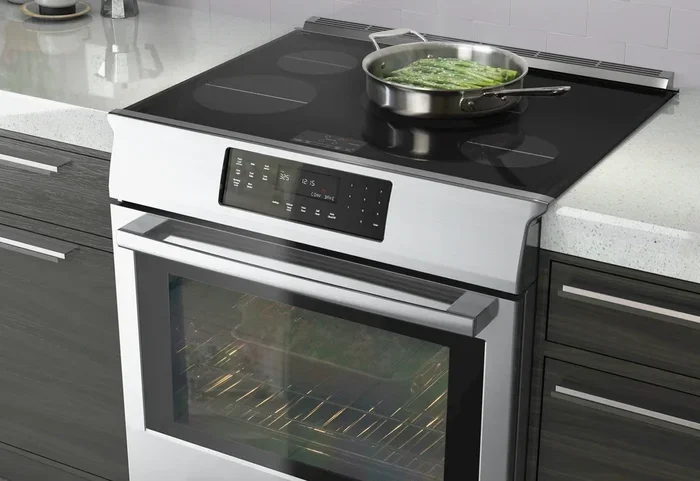
An induction hob uses an electromagnetic coil underneath the cooking surface. When you place magnetic cookware on it, the coil creates a magnetic field that heats the pan directly. The cooktop itself stays relatively cool. This is why induction cooking is so fast and energy efficient.
But here is the key point: induction only works with ferromagnetic materials. That means your pan needs to contain iron or steel to work on an induction cooktop. Aluminum, copper, and glass pans will not work unless they have a magnetic base layer added.
What Makes Cookware Induction Compatible?
Not every pan is induction compatible. To work on an induction hob, your cookware must meet these basic requirements:
- A flat bottom: The pan needs full contact with the cooking surface for the magnetic field to work properly.
- A magnetic base: The bottom must contain ferromagnetic metal like cast iron or magnetic stainless steel.
- The right size: Most induction hobs require a pan base diameter of at least 12 centimeters for optimal detection.
You can test if a pan is induction ready by holding a magnet to the bottom. If the magnet sticks firmly, the pan will work on induction. This is a quick and easy trick every home cook should know.
Quick Tips: Identifying Induction Cookware
- Use a fridge magnet test. If it sticks strongly, your pan is induction compatible.
- Look for the induction symbol on the packaging or the bottom of the pan. It usually looks like a coil with a zigzag line.
- Many modern cookware sets are labeled as induction compatible right on the box. Always check before buying.
- Some pans have a hidden magnetic disc bonded to the base. These work on induction even if the main body is aluminum.
Does Induction Mean Oven Safe? The Real Answer
Here is where things get tricky. Just because a pan works perfectly on your induction hob does not mean it can go in the oven. Does induction mean oven safe? No, it does not. These are two completely separate features, and a pan can be one without being the other.
Why Induction Does Not Automatically Mean Oven Safe
The reason is simple. Induction cooking depends on the magnetic properties of the pan base. Oven safety depends on the entire pan, including the body, the handle, the lid, and any coatings. A pan can have a perfect magnetic base for induction but have a plastic handle that melts at high heat.
Think of it this way. Your induction cookware is built to interact with a magnetic field. But an oven is a completely different environment. It uses dry, ambient heat from all directions. The materials need to handle that kind of heat without warping, cracking, or releasing harmful fumes.
For example, many high-quality stainless steel induction pans are oven safe up to 260 degrees Celsius. But the same pan with a silicone-wrapped handle might only be safe up to 200 degrees. The difference is in the details.
The Role of Cookware Handles and Lids
When checking if your pan is oven proof, the handle is often the weakest link. Many induction pans come with ergonomic handles made from silicone, phenolic resin, or even Bakelite. These materials are heat resistant to a point, but they have limits.
Here is what to look for:
- Metal handles: Usually oven safe to very high temperatures. Stainless steel or cast iron handles can handle most oven temperatures.
- Silicone-wrapped handles: Typically oven safe up to 200 to 230 degrees Celsius. Check the manufacturer’s rating.
- Phenolic or Bakelite handles: These are heat resistant but usually only up to 180 to 200 degrees Celsius.
- Plastic handles: Never oven safe. Remove them or use a different pan if you plan to bake.
The same goes for lids. Glass lids can handle moderate oven temperatures but may crack under thermal shock. Metal lids are generally safer. Knobs on lids are often made of plastic or silicone, which also have temperature limits.
Common Mistakes: Assuming All Induction Cookware Is Oven Safe
- Mistake 1: Checking only the base. People often assume that if the pan works on induction, it is safe for the oven. The handle and lid matter just as much.
- Mistake 2: Ignoring temperature ratings. Even oven-safe pans have limits. Going beyond the rated temperature can damage the pan or release harmful chemicals.
- Mistake 3: Preheating an empty pan in the oven. This can cause thermal shock, especially with non-stick coated pans. Always add food or liquid before heating.
- Mistake 4: Using the broiler setting. The direct, intense heat from a broiler can damage even oven-safe pans. Use the conventional bake setting instead.
Expert Insights: What Professional Chefs Look For
Professional chefs know that induction ready does not mean oven ready. When selecting cookware for oven use, they look for three things: full metal construction, riveted metal handles, and no plastic or wooden parts. They also prefer pans with oven-safe temperature ratings clearly marked on the product. If a pan does not have a clear rating, they err on the side of caution and use a different vessel.
Many chefs also recommend keeping a dedicated set of oven safe pans separate from your everyday induction cookware. This way, you never have to guess whether a pan can handle the heat.
Which Materials Are Oven Safe for Induction Cooking?
The cookware material is the biggest factor in determining oven safety. Some materials handle high heat beautifully, while others can warp, crack, or release harmful fumes. Let us break down the most common materials used in induction cookware and how they perform in the oven.
Stainless Steel and Oven Safety
Stainless steel is one of the most popular materials for induction compatible cookware. It is durable, non-reactive, and generally oven safe. Most stainless steel pans can handle temperatures up to 260 degrees Celsius, and some high-quality brands go even higher.
The great thing about stainless steel is that it is naturally magnetic when used in induction-grade versions. This means you get both induction compatibility and oven safety in one material. Stainless steel pans also tend to have metal handles, making them fully oven proof in most cases.
Cast Iron and Oven Safety
Cast iron is a classic choice for both induction cooking and oven use. It is naturally ferromagnetic, so it works perfectly on induction hobs. And it is incredibly oven safe. Cast iron skillets and Dutch ovens can handle temperatures well above 260 degrees Celsius.
The downside of cast iron is its weight. A full cast iron Dutch oven can be quite heavy to move from stovetop to oven. But for slow baking, braising, and roasting, cast iron is hard to beat. It also retains heat beautifully, making it ideal for dishes that need even, consistent warmth.
Carbon Steel and Oven Safety
Carbon steel is similar to cast iron in many ways. It is magnetic, works great on induction, and is oven safe at high temperatures. Carbon steel pans are lighter than cast iron, which makes them easier to handle when transferring from the stovetop to the oven.
Many professional bakers prefer carbon steel for baking bread and pizza. The pan heats up quickly and distributes heat evenly. Just like cast iron, carbon steel needs proper seasoning and care to maintain its performance over time.
Aluminum and Non-Stick Coatings
Aluminum is lightweight and heats quickly, which makes it great for cooking. But pure aluminum is not magnetic, so it does not work directly on induction hobs. To make it induction compatible, manufacturers bond a magnetic stainless steel or iron disc to the bottom.
The problem with aluminum induction pans comes when you put them in the oven. Many have non-stick coatings that are not designed for high heat. Most non-stick coatings start to break down above 260 degrees Celsius, releasing potentially harmful fumes. Always check the manufacturer’s oven temperature limit before using a non-stick induction pan in the oven.
Copper and Oven Safety
Copper cookware is beautiful and heats evenly, but pure copper is not magnetic. Like aluminum, copper pans for induction have a magnetic base layer. However, copper is generally not recommended for oven use unless specifically rated by the manufacturer. The copper body can react with acidic foods at high temperatures, and many copper pans have handles or decorative elements that are not oven safe.
Comparison Table: Oven Safe Materials for Induction Cookware
| Material | Induction Compatible | Oven Safe | Max Temp (Approx) | Non-Stick Coating Risk |
|---|---|---|---|---|
| Stainless Steel | Yes | Yes | 260 C / 500 F | Low |
| Cast Iron | Yes | Yes | Above 260 C | None (seasoned) |
| Carbon Steel | Yes | Yes | 260 C / 500 F | None (seasoned) |
| Aluminum (with magnetic base) | Yes | Varies | Depends on coating | High if non-stick |
| Copper (with magnetic base) | Yes | Varies | Usually limited | Moderate |
| Ceramic Coated | Yes | Varies | Usually 230 C / 450 F | Moderate |
Key Takeaways: Material Matters
- Stainless steel, cast iron, and carbon steel are your safest bets for oven use with induction cookware.
- Aluminum and copper pans can be oven safe, but only if the manufacturer specifically states so.
- Non-stick coatings are the most common reason induction pans are not oven safe. Always check the temperature rating.
- Ceramic coated pans have lower oven limits than bare metal. Stick to the manufacturer’s guidelines.
How to Check if Your Induction Cookware Is Oven Safe
Figuring out if your favorite pan can go in the oven does not have to be complicated. There are several straightforward ways to find out. Here is your step-by-step guide to checking oven safe status for your induction cookware.
Reading Manufacturer Labels and Symbols
The easiest way to check is to look at the bottom of your pan. Most quality cookware brands print oven safety information directly on the pan. Look for symbols like an oven icon with a temperature number, or text that says “oven safe” or “oven proof.”
If you still have the original packaging or instruction manual, check there too. The manufacturer will list the maximum oven temperature and any special precautions. This is especially important for pans with non-stick coatings or composite handles.
Testing Your Cookware at Home
If your pan does not have clear markings, you can do a few simple checks at home:
- Check the handle material. Remove any detachable handles and feel the material. Metal handles are generally oven safe. Plastic, silicone, or wooden handles may not be.
- Inspect the lid. Check if the lid knob is metal or plastic. Plastic knobs usually cannot handle oven temperatures above 180 degrees Celsius.
- Look for warping or damage. A warped pan should not go in the oven. It can heat unevenly and may leak or spill.
- Check for coating damage. If the non-stick coating is scratched or peeling, do not put it in the oven. Damaged coatings can release harmful particles at high heat.
Expert Insights: The Magnet Test and Beyond
While the magnet test confirms induction compatibility, it does not tell you about oven safety. A pan can stick to a magnet perfectly but still have a plastic handle that melts in the oven. The magnet test is just the first step. Always follow up with a check of the handle material, lid construction, and any coatings before putting your pan in a hot oven.
When to Contact the Manufacturer
If you cannot find oven safety information anywhere, contact the manufacturer directly. Most brands have customer service teams that can confirm whether a specific product is baking safe. Have the model number and product name ready. This is especially important for older pans or pieces from discontinued cookware sets.
Key Takeaways: How to Verify Oven Safety
- Always check the bottom of the pan for oven safe symbols and temperature ratings first.
- The handle and lid are just as important as the pan body when determining oven safety.
- When in doubt, contact the manufacturer. They have the most accurate information for their products.
- Never guess when it comes to oven temperatures. Using a pan that is not oven safe can damage your cookware or create a safety hazard.
Common Mistakes People Make with Induction Cookware and Ovens
Even experienced cooks make mistakes when using induction cookware in the oven. These errors can damage your pans, ruin your food, or even create safety hazards. Let us look at the most common mistakes and how to avoid them.
Overheating and Thermal Shock
Thermal shock happens when a pan is exposed to sudden, extreme temperature changes. For example, taking a cold pan straight from the refrigerator and putting it in a hot oven. This can warp the pan, crack the base, or even cause the non-stick coating to blister and peel.
To avoid thermal shock, always let your pan come to room temperature before placing it in the oven. If you are transferring a pan from the stovetop to the oven, let it cool for a minute or two first. And never place a hot pan on a cold or wet surface.
Ignoring Handle Material Limits
This is the number one mistake people make. They see that the pan body is oven safe and assume the whole pan is safe. But a silicone-wrapped handle can melt at 220 degrees Celsius, even if the stainless steel body handles 260 degrees easily. Always check every component of the pan, not just the cooking surface.
If you love a pan but its handle is not oven safe, consider buying a separate oven mitt or a metal handle sleeve. Some cooks also use a double layer of heavy-duty foil to protect handles that are close to the oven temperature limit.
Using Non-Oven-Safe Lids
A glass lid with a silicone knob might look sturdy, but it can crack in a hot oven. The glass can expand unevenly, and the silicone knob can melt or release fumes. If your induction cookware came with a glass lid, check if the lid is rated for oven use before putting the whole thing in the oven.
A simple workaround is to use a sheet of aluminum foil as a lid instead. It is heat resistant, lets steam escape, and costs almost nothing. Many professional kitchens use this trick all the time.
Quick Tips: Avoiding Common Oven Mistakes
- Never preheat an empty non-stick pan in the oven. The coating can degrade and release harmful fumes at high temperatures.
- Do not use the broiler with induction pans. The direct, intense heat from above can damage coatings and warp thin pans.
- Avoid dishwashers for oven-safe pans. Harsh detergents can degrade non-stick coatings over time, reducing their oven performance.
- Store pans properly. Stacking pans without protectors can scratch surfaces and weaken the structure, making them less oven safe over time.
Best Oven Safe Induction Cookware to Buy
If you are in the market for new induction cookware that is also oven safe, you have plenty of great options. The key is to look for full metal construction, high temperature ratings, and solid build quality. Here are some of the best choices across different budgets.
Top Picks for Every Budget
Budget Option: T-Fal E93808 Ultimate Hard Anodized Nonstick
This affordable cookware set is induction compatible and oven safe up to 260 degrees Celsius. The hard anodized body is durable, and the titanium-reinforced non-stick coating holds up well. The stainless steel handle stays cool on the stovetop but is oven safe for moderate temperatures.
Mid-Range Pick: All-Clad D3 Stainless Steel
All-Clad is a trusted name in professional kitchens. The D3 line features a stainless steel interior and exterior with an aluminum core for even heating. It is fully induction compatible and oven safe up to 260 degrees Celsius. The riveted stainless steel handles are sturdy and heat resistant.
Premium Choice: Le Creuset Enameled Cast Iron
Le Creuset Dutch ovens and skillets are the gold standard for oven-safe induction cookware. The enameled cast iron works beautifully on induction and can handle oven temperatures well above 260 degrees Celsius. The enamel coating is durable, easy to clean, and comes in gorgeous colors.
What to Look for When Buying
When shopping for induction ready cookware that is also oven proof, keep these factors in mind:
- Oven temperature rating: Always check the maximum temperature. Higher is better for versatility.
- Handle material: Full metal handles are the safest choice for oven use.
- Lid construction: Metal lids or glass lids with metal knobs are best for oven cooking.
- Base thickness: A thick, heavy base resists warping and distributes heat more evenly in the oven.
- Warranty: A good warranty often signals quality construction. Premium brands like All-Clad and Le Creuset offer lifetime warranties.
Key Takeaways: Choosing the Right Cookware
- Stainless steel, cast iron, and carbon steel are the most versatile materials for both induction and oven cooking.
- Avoid non-stick pans for high-temperature oven use unless the manufacturer explicitly states they are safe.
- Invest in quality brands that clearly mark their products as both induction compatible and oven safe.
- Consider your cooking habits. If you frequently use the oven, prioritize oven-safe construction over aesthetics.
Final Thoughts
So, does induction mean oven safe? The answer is a clear no. Induction compatibility and oven safety are two separate features, and you need to check both before putting your pan in a hot oven. The cookware material, the handle type, the lid, and the coating all play a role in determining whether a pan can handle oven temperatures.
The good news is that with the right knowledge, it is easy to make smart choices. Stick with stainless steel, cast iron, or carbon steel for the most versatile induction cookware. Always check the manufacturer’s oven temperature rating. And never assume a pan is oven safe just because it works perfectly on your induction hob.
Your kitchen gear is an investment. Taking a few extra minutes to verify oven safety will keep your pans in great shape for years to come. Now you have the knowledge to cook with confidence, whether you are searing on the stovetop or baking in the oven. Happy cooking!
Frequently Asked Questions
Can all induction cookware go in the oven?
No, not all induction cookware is oven safe. Induction compatibility depends on the magnetic base of the pan, while oven safety depends on the entire construction, including the handle, lid, and coating. Always check the manufacturer’s guidelines before using any pan in the oven.
What is the maximum oven temperature for induction cookware?
The maximum oven temperature varies by material and manufacturer. Most stainless steel induction pans are safe up to 260 degrees Celsius. Cast iron can handle higher temperatures. Non-stick coated pans usually have lower limits, often around 230 degrees Celsius. Always check the specific rating for your pan.
Are non-stick induction pans oven safe?
Many non-stick induction pans are not oven safe or have very low temperature limits. The non-stick coating can break down at high temperatures, releasing harmful fumes. If you want to use a pan in the oven, choose one with a bare metal cooking surface like stainless steel or cast iron.
How can I tell if my pan is oven safe?
Look for oven safe symbols or text on the bottom of the pan. Check the manufacturer’s website or instruction manual. Examine the handle material, lid construction, and any coatings. If there is no clear information, contact the manufacturer directly with the product model number.
Can I put a glass lid from induction cookware in the oven?
It depends on the lid construction. Glass lids with metal knobs are usually oven safe to moderate temperatures. Glass lids with silicone or plastic knobs may not be safe. Always check the lid’s temperature rating separately from the pan, as lids often have different limits.
Is cast iron the best induction cookware for oven use?
Cast iron is one of the best options for oven use with induction cooking. It is naturally magnetic, extremely durable, and can handle very high oven temperatures. The main drawbacks are its weight and the need for regular seasoning. If you want lightweight oven-safe induction cookware, carbon steel or stainless steel are excellent alternatives.