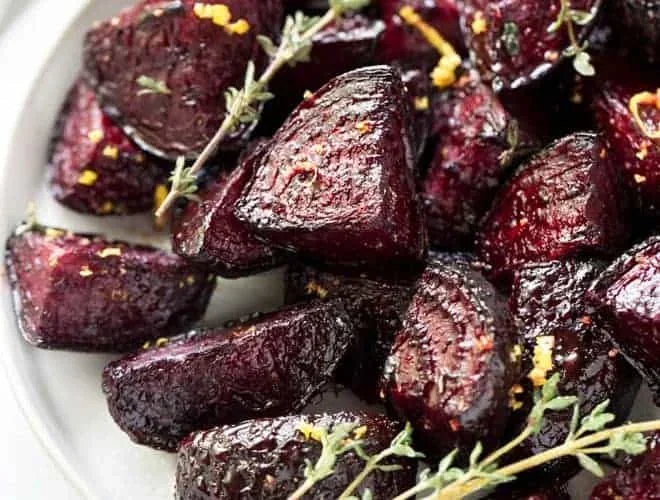
How Long To Cook Beets In Oven At 400 For Perfect Results
Want perfect roasted beets every time? How Long To Cook Beets In Oven At 400 is the key question. This guide gives you exact timing, simple steps, and foolproof tips. You’ll learn how to get tender, sweet beets with a golden edge in under an hour. No more guessing—just easy oven-roasted beets that turn out beautifully.
Roasting beets in the oven is one of the simplest ways to unlock their deep, sweet flavor. Many home cooks shy away from beets because they worry about timing or texture. But once you know how long to cook beets in oven at 400, the process becomes effortless. The high heat caramelizes their natural sugars and creates a tender interior with a slightly crisp edge. In this guide, you will learn exact cooking times, step-by-step prep, and how to avoid common pitfalls.
Whether you are new to oven-roasted beets or looking to perfect your technique, this article covers everything. You will discover the best beet size, whether to peel before roasting, and how to store your roasted beets for later. I will also share quick tips and expert insights that make a big difference. By the end, you will feel confident making perfect beets every time.
Key Takeaways
- Roast at 400°F for 40–60 minutes: Time varies by beet size and whether they are whole or cut.
- Whole beets cook best: They stay moist, hold their shape, and are easier to peel after roasting.
- Wrap in foil: Foil traps steam and ensures even cooking without drying out.
- Use the fork test: A fork should slide in with no resistance when beets are done.
- Cool before peeling: Letting beets rest makes the skin slip right off.
- Store leftovers properly: Keep roasted beets in an airtight container in the fridge for up to 5 days.
- Get creative with servings: Toss them in salads, blend into soups, or enjoy as a side.
📑 Table of Contents
Why Roast Beets at 400°F?
Temperature makes all the difference when roasting beets. 400°F is the sweet spot that balances caramelization and moisture. At this heat, the outside browns nicely while the inside stays soft and sweet. Lower temperatures can leave beets soggy, while higher heat may burn the edges before the center cooks through.
The Magic of High Heat
Roasting at 400 degrees triggers the Maillard reaction, which creates complex flavors. The sugars in beets break down and develop that rich, earthy sweetness we love. This temperature also cooks beets faster than a lower oven setting. A whole medium beet will be fork-tender in about 45 minutes at 400°F.
Roasting vegetables at high heat works well for many root veggies, but beets respond especially well. They hold their shape better than potatoes when roasted at this temperature. The result is a golden beet with a creamy texture inside.
Quick Tips for Even Roasting
- Preheat your oven: Always let the oven reach 400°F before placing beets inside.
- Use a baking sheet: Line it with parchment for easy cleanup.
- Space beets apart: Do not crowd the pan. Air needs to circulate around each beet.
- Flip halfway: Turn beets over at the 25-minute mark for even browning.
Common Mistakes That Ruin Beets
One frequent mistake is skipping the foil wrap. Without foil, beets can dry out and take longer to cook. Another error is cutting beets too small. Tiny pieces can turn mushy and lose their flavor. Also, many people forget to trim the root and stem ends before roasting, which can cause uneven cooking.
Key Takeaways
- 400°F is the ideal temperature for caramelizing beet sugars without drying them out.
- High heat shortens cooking time and improves texture.
- Avoid crowding the pan to ensure even heat distribution.
- Trim roots and stems for uniform cooking.
How Long To Cook Beets In Oven At 400: Timing Guide
The exact beet cooking time depends on size and preparation method. Whole beets take longer than cut wedges, but they retain more nutrients. Below is a clear breakdown of what to expect when you roast beets at 400°F.
Whole Beets vs. Cut Beets
Whole beets cook more evenly because the skin protects the interior. Cut beets expose more surface area, so they roast faster but can dry out. Here is a comparison table to help you decide.
| Beet Type | Size | Time at 400°F | Result |
|---|---|---|---|
| Whole small beets | 1–2 inches | 35–45 minutes | Tender, sweet, easy to peel |
| Whole medium beets | 2–3 inches | 45–60 minutes | Perfectly soft, caramelized edges |
| Whole large beets | 3+ inches | 60–75 minutes | Very tender, may need foil wrap |
| Cut wedges | 1-inch thick | 25–35 minutes | Golden, slightly crisp edges |
For the best results, choose medium whole beets. They offer a great balance of cooking time and texture. If you are short on time, beet wedges are a great alternative.
Beet Size Matters
Not all beets are the same size. A small beet might be done in 35 minutes, while a large one could take over an hour. Always check for doneness using the fork test (more on that later). If you buy beets of varying sizes, group them by size before roasting. This ensures every beet comes out perfectly cooked.
Expert Insight: The 40-Minute Rule
Many experienced cooks follow the 40-minute rule for medium beets at 400°F. After 40 minutes, they insert a fork. If it slides in smoothly, the beets are ready. If there is resistance, they add 10 more minutes. This simple check prevents overcooking and keeps beets from turning mushy.
Quick Tips: Timing Hacks
- Start checking at 35 minutes for small beets.
- Set a timer for 45 minutes when roasting medium whole beets.
- Use a sharp knife to test thick beets if a fork is hard to insert.
- Let beets rest for 10 minutes after removing from the oven. They will continue to soften slightly.
Common Mistakes with Timing
Some people open the oven door too often. Every time you open the door, the temperature drops, which adds to the total cooking time. Another mistake is assuming all beets are done at the same time. Always check each beet individually, especially if they vary in size.
Key Takeaways
- Whole beets take 40–75 minutes depending on size.
- Cut beets take 25–35 minutes and are great for quicker meals.
- Use the fork test to check doneness accurately.
- Group beets by size for even cooking.
Step-by-Step: How to Roast Beets at 400
Now that you know the timing, let’s walk through the process. Roasting beets at 400°F is simple and requires very few ingredients. Follow these steps for oven-roasted beets that taste amazing every time.
Prep Work: Washing and Trimming
Start by rinsing the beets under cool water. Use a vegetable brush to remove any dirt. Do not peel them yet—the skin protects the beet during roasting. Trim off the root tail and cut the green stem to about one inch. Leaving a little stem prevents beet juice from bleeding out during cooking.
Seasoning and Oil
Place the beets on a piece of aluminum foil. Drizzle with olive oil and sprinkle with salt and pepper. You can also add a pinch of garlic powder or thyme for extra flavor. Wrap the foil tightly around the beets, creating a sealed packet. This traps steam and helps the beets cook evenly.
The Roasting Process
Preheat your oven to 400°F. Place the foil packet on a baking sheet and put it in the oven. Set a timer for 40 minutes for medium beets. At the 20-minute mark, carefully open the foil and flip the beets. Then re-seal the foil and continue roasting. This flipping step promotes even browning.
Quick Tips: Foil or No Foil?
Some cooks roast beets without foil for a crispier skin. If you prefer that texture, skip the foil and place beets directly on a parchment-lined baking sheet. However, foil is the best method for tender, sweet beets. It also makes cleanup easier. If you want the best of both worlds, try roasting without foil for the first 30 minutes, then wrap in foil for the rest.
Common Mistakes in Preparation
Do not skip the trimming step. Long stems can burn and create a bitter taste. Also, avoid using too much oil. Beets are naturally moist, and excess oil can make them greasy. A light coating is all you need. Finally, never roast beets on a cold pan. Always use a room-temperature baking sheet to prevent uneven cooking.
Key Takeaways
- Wash and trim beets before roasting.
- Wrap in foil for tender results.
- Flip beets halfway through cooking.
- Use minimal oil to keep beets from getting greasy.
Perfectly Roasted Beets: How to Tell They’re Done
Knowing when roasted beets are done is just as important as timing. Undercooked beets are hard and bitter. Overcooked beets turn mushy and lose their flavor. A few simple tests will tell you exactly when they are perfect.
The Fork Test
The fork test is the most reliable way to check doneness. Insert a fork into the thickest part of the beet. If it slides in with no resistance, the beet is done. If you feel any hardness, return the beet to the oven for 5–10 more minutes. This test works for both whole beets and wedges.
Visual Cues and Texture
Look for caramelized edges and a slightly wrinkled skin. The beet should feel soft when you gently squeeze it with an oven mitt. A knife should go through the center with little effort. If the beet still feels firm in the middle, it needs more time.
Common Mistakes: Undercooking vs. Overcooking
Undercooked beets have a crunchy center and an earthy, unpleasant taste. Overcooked beets fall apart and become waterlogged. Both are easy to avoid by checking at the recommended times and using the fork test. If you are ever in doubt, it is better to add a few more minutes than to serve them too early.
Expert Insight: The Sweet Spot
Experts say the ideal roasted beet should be tender but not falling apart. It should hold its shape when sliced but yield easily to a fork. This texture is perfect for salads and roasting. The skin will slip off effortlessly after a short cooling period, which is a great sign of perfectly cooked beets.
Key Takeaways
- Use the fork test for the most accurate check.
- Look for soft texture and caramelized edges.
- Avoid overcooking to keep beets from turning mushy.
- Let beets cool slightly before peeling for easy skin removal.
Serving and Storing Your Oven-Roasted Beets
Once your beets are roasted, you have many options for serving and storing them. Proper handling keeps their flavor and texture intact. Here is how to make the most of your oven-roasted beets.
Peeling and Slicing
After roasting, let the beets cool for 10–15 minutes. The skin will slip right off when you rub it gently with your fingers or a paper towel. Slice the beets into rounds, wedges, or cubes depending on your recipe. Roasted beet slices look beautiful in salads and on charcuterie boards.
Storing Leftovers
Store leftover roasted beets in an airtight container in the refrigerator. They keep well for up to 5 days. You can also freeze them for up to 3 months. To freeze, place sliced beets on a baking sheet, freeze until solid, then transfer to a freezer bag. Thaw overnight in the fridge before using.
Recipe Ideas
Use your oven-roasted beets in a variety of dishes. Toss them with goat cheese and arugula for a classic salad. Blend them into a smooth beet soup or dip. Add them to grain bowls, pasta, or tacos. Their sweet, earthy flavor pairs well with citrus, feta, nuts, and honey.
Quick Tips: Make Ahead
- Roast beets a day in advance to save time during the week.
- Store peeled beets in water in the fridge to keep them fresh for 3 days.
- Add a splash of lemon juice when storing to prevent browning.
Key Takeaways
- Cool beets before peeling for easy skin removal.
- Store in the fridge for up to 5 days or freeze for longer storage.
- Use roasted beets in salads, soups, and sides for a healthy boost.
- Add lemon juice when storing to maintain color.
Conclusion: Your Path to Perfect Beets
Learning how long to cook beets in oven at 400 opens the door to delicious, healthy meals. With the right timing, simple prep, and a few smart tips, you can roast beets that are tender, sweet, and full of flavor. Remember to use foil for whole beets, flip them halfway, and always check with the fork test. Avoid common mistakes like skipping the trim or overcrowding the pan.
Now you have all the tools to make perfect oven-roasted beets every time. Try different beet sizes, experiment with seasonings, and enjoy the process. Whether you serve them warm or cold, your roasted beets will be a hit. Get started today and discover how easy it is to bring out the best in this humble root vegetable.
Key Takeaways
- Roast at 400°F for the perfect balance of caramelization and tenderness.
- Whole beets take 40–75 minutes depending on size; cut beets take 25–35 minutes.
- Use the fork test to confirm doneness.
- Peel after cooling for easy skin removal.
- Store properly to enjoy your beets for days.
- Experiment with recipes to make the most of your roasted beets.
Frequently Asked Questions
Can I roast beets without foil?
Yes, you can roast beets without foil for a crispier skin. Place them directly on a parchment-lined baking sheet. They may take a few extra minutes to cook through, so check with the fork test. The result is a slightly nuttier flavor and firmer texture.
Do I need to peel beets before roasting?
No, always roast beets with the skin on. The skin protects the beet and keeps it moist during cooking. After roasting, the skin slides off easily once the beets cool down. Peeling before roasting can cause the beet to dry out and lose flavor.
Can I roast beets at 350°F instead of 400°F?
You can, but 400°F is the recommended temperature for the best results. At 350°F, beets take longer to cook and may not develop the same caramelized edges. If you choose a lower temperature, add 10–15 minutes to the cooking time and check for doneness.
How do I store leftover roasted beets?
Store leftover roasted beets in an airtight container in the refrigerator. They stay fresh for up to 5 days. You can also freeze them by placing sliced beets on a baking sheet, freezing until solid, then transferring to a freezer bag. Thaw overnight in the fridge before using.
What is the best way to reheat roasted beets?
The best way to reheat roasted beets is in a 350°F oven for 10–15 minutes. You can also microwave them, but the oven helps retain their texture. Sprinkle a little water or olive oil before reheating to keep them from drying out.
Are roasted beets healthy?
Yes, roasted beets are very healthy. They are rich in fiber, folate, and antioxidants. Roasting at 400°F preserves most of their nutrients. Beets also support heart health and exercise performance. They make a great addition to a balanced diet.