How To Cook Bacon In Oven At 400 For Crispy Results
Learning how to cook bacon in oven at 400 is the easiest way to get crispy, even bacon every single time. This method saves you from messy stovetop splatter and gives you perfectly cooked strips with minimal effort. Oven-baked bacon cooks evenly, cleanup is a breeze, and you can make a big batch all at once. Whether you prefer thin or thick-cut bacon, this guide covers everything you need to know.
There is something deeply satisfying about crispy bacon. The crunch, the aroma, and that salty flavor make it a breakfast staple loved by millions. But if you have ever stood over a hot skillet, juggling bacon strips and popping grease, you know it can be a messy affair. Cooking bacon in the oven at 400 changes everything. It is simple, hands-off, and delivers perfectly even results every time.
Many home cooks are discovering that oven-baked bacon is the best way to go. You line a tray, lay down your strips, and let the oven do the work. No flipping, no splattering, no stress. How to cook bacon in oven at 400 is one of the most searched cooking questions online, and for good reason. It works beautifully for any occasion, from a quiet weekend breakfast to feeding a crowd at a holiday brunch.
This guide walks you through everything you need to know. We will cover the tools you need, the exact steps, cooking times, and pro tips that elevate your bacon recipe game. By the end, you will wonder why you ever cooked bacon any other way. Let us get into it.
Key Takeaways
- 400°F is the sweet spot: This temperature crisps bacon evenly without burning it.
- Line your baking sheet: Parchment paper or foil makes cleanup effortless and prevents sticking.
- Cook time ranges from 15 to 25 minutes: It depends on thickness and how crispy you like it. Thick-cut bacon needs more time: Thin bacon cooks faster and can burn quickly.
- Drain on paper towels: This removes excess grease and keeps your bacon crispy.
- Save the bacon grease: It’s a flavorful cooking fat you can reuse in many recipes.
- Oven-baked bacon beats stovetop: Less mess, more even cooking, and easier batch cooking.
📑 Table of Contents
- Why Cooking Bacon In The Oven At 400 Is The Best Method
- What You Will Need Before You Start
- Step-By-Step Guide To Oven-Baked Bacon
- How Long To Cook Bacon At 400
- Tips For Perfect Crispy Bacon Every Time
- Common Mistakes To Avoid When Baking Bacon
- How To Store And Reheat Oven-Baked Bacon
- Frequently Asked Questions
- Conclusion
Why Cooking Bacon In The Oven At 400 Is The Best Method
Oven-baked bacon has become the go-to method for home cooks and professional chefs alike. There are many reasons why this approach beats frying bacon on the stove. Let us look at the biggest advantages.
Even Cooking Every Time
When you cook bacon on a stovetop, the strips near the edges of the pan get hotter than the ones in the center. This means some pieces burn while others are still flabby. Oven-baked bacon solves this problem completely. The heat surrounds every strip evenly, so all your bacon cooks at the same rate. Crispy bacon with uniform texture is almost guaranteed.
Less Mess And Cleanup
Stovetop bacon creates grease splatter everywhere. Your stovetop, your clothes, your walls, sometimes even your ceiling. Baking bacon in the oven keeps all that grease contained on the sheet pan. Most people line their pan with parchment paper or foil, and cleanup takes just seconds. How to cook bacon in oven at 400 is genuinely one of the least messy ways to prepare it.
Batch Cooking Made Easy
Need to cook bacon for a large group? Frying it in batches on the stove takes forever. With the oven method, you can fit a full dozen or more strips on one sheet pan. Oven-baked bacon scales easily, making it perfect for holiday breakfasts, brunches, or meal prep. You cook once, and everyone gets perfectly crispy strips.
Hands-Off Cooking
Once your bacon goes in the oven, you are free to do other things. Prep your eggs, make coffee, set the table, or even shower. There is no need to stand over the pan and flip strips every few minutes. Baking bacon at 400 gives you the freedom to multitask while your kitchen fills with that incredible breakfast aroma.
What You Will Need Before You Start
How to cook bacon in oven at 400 requires very little equipment. You probably already have everything in your kitchen. Here is a simple list of what you need.
Essential Tools
- A rimmed baking sheet: A flat sheet pan with edges keeps grease from dripping into your oven. This is the most important tool for oven-baked bacon.
- Parchment paper or aluminum foil: Lining the pan prevents sticking and makes cleanup a breeze. Parchment paper is the top choice for many home cooks.
- Tongs or a fork: You will use these to flip and remove the hot bacon strips safely.
- A plate lined with paper towels: This is where you drain the cooked bacon to remove excess grease and keep it crispy.
Choosing Your Bacon
The type of bacon you use matters more than you might think. Thin-cut bacon cooks faster and gets very crispy in about 15 to 18 minutes. Thick-cut bacon takes longer, usually 20 to 25 minutes, and has a chewier, meatier texture. Turkey bacon also works in the oven but tends to dry out faster, so watch it closely. Regular pork bacon from the grocery store is the most popular choice for baking bacon at 400.
When selecting your bacon strips, look for quality over price. Thicker bacon with a good meat-to-fat ratio gives you better results. Avoid bacon that is paper-thin or overly processed if you want the best crispy bacon experience.
Optional Additions
Some people like to add a light drizzle of brown sugar or a sprinkle of black pepper before baking. These extras create a sweet or spicy flavor profile that elevates plain oven-baked bacon. A drizzle of maple syrup on top right after cooking also works wonders. Keep in mind that these additions can cause the sugar to caramelize quickly, so reduce your cook time slightly.
Step-By-Step Guide To Oven-Baked Bacon
Now that you have your tools and bacon ready, let us walk through the actual process. How to cook bacon in oven at 400 is straightforward, but a few small details make a big difference in the final result.
Step One: Preheat Your Oven
Start by preheating your oven to 400 degrees Fahrenheit. Let the oven reach the full temperature before putting the bacon in. This ensures the bacon starts cooking immediately and evenly. While the oven heats, you can prep your pan and lay out the bacon strips.
Step Two: Line Your Baking Sheet
Take your rimmed baking sheet and lay down a sheet of parchment paper or aluminum foil. This layer acts as a barrier between the bacon and the pan. It catches all the rendered fat and makes washing up incredibly easy. Bacon grease cleanup is one of the biggest complaints people have, and lining your pan solves that problem entirely.
Step Three: Arrange The Bacon Strips
Lay the bacon strips flat on the lined pan. Do not overlap them. Each strip should have its own space so the hot air circulates freely around it. Overlapping bacon steams instead of crisps, and you end up with unevenly cooked strips. For a full batch, you can fit about 12 strips on a standard half-sheet pan.
Step Four: Place In The Oven
Slide the pan into the preheated oven on the middle rack. Oven temperature of 400°F is the ideal setting for most bacon types. The high heat renders the fat quickly while crisping the meat evenly. Set a timer so you do not forget about it.
Step Five: Check And Flip
After about 10 to 12 minutes, open the oven and check the bacon. Use tongs to flip each strip. This ensures both sides get equally crispy. The flip is optional for thin-cut bacon, but it makes a noticeable difference with thicker cuts. If you notice some strips browning faster than others, rotate the pan 180 degrees.
Step Six: Remove And Drain
Once the bacon reaches your preferred level of crispiness, pull the pan out of the oven. Use tongs to transfer the strips onto a paper towel-lined plate. Let them rest for a minute or two. The paper towels absorb excess surface grease, which keeps the crispy bacon texture intact. Bacon grease will pool on the plate, and that is perfectly fine.
Step Seven: Save The Grease (Optional)
Do not throw away the bacon grease! It is a flavorful cooking fat that works beautifully for frying eggs, cooking potatoes, or making cornbread. Let the grease cool slightly, then pour it into a heat-safe jar or container. Store it in the refrigerator for up to three months. Saving bacon grease is one of the best kitchen habits you can build.
How Long To Cook Bacon At 400
Cooking time is the detail that makes or breaks oven-baked bacon. The good news is that bacon cooking time at 400 is fairly predictable, but it does vary based on a few factors.
Cooking Time By Bacon Type
Here is a helpful breakdown of how long different types of bacon take at 400 degrees:
- Thin-cut bacon: 15 to 18 minutes. This bacon crisps quickly and can go from perfect to burnt in under a minute. Watch it closely toward the end.
- Regular-cut bacon: 18 to 22 minutes. This is the most common grocery store bacon and hits the sweet spot of crispiness and chew.
- Thick-cut bacon: 22 to 25 minutes. Thick slices need more time to render the fat and reach that satisfying crunch.
- Turkey bacon: 14 to 18 minutes. Turkey bacon dries out faster, so pull it off the sheet a minute or two earlier than you think.
Factors That Affect Cooking Time
Several things influence how long your bacon strips need in the oven. Oven accuracy matters a lot. Some ovens run hot, which means your bacon may cook faster than expected. The starting temperature of the bacon also plays a role. Cold bacon straight from the fridge takes a bit longer than bacon that has been sitting at room temperature. The amount of fat in the bacon matters too. Fattier cuts render more slowly and need a few extra minutes.
How to cook bacon in oven at 400 successfully comes down to watching closely during the last few minutes. Every oven is different, and every batch of bacon is slightly different. The best approach is to start checking at the minimum time and pull the bacon when it looks and feels right to you.
How To Know When Bacon Is Done
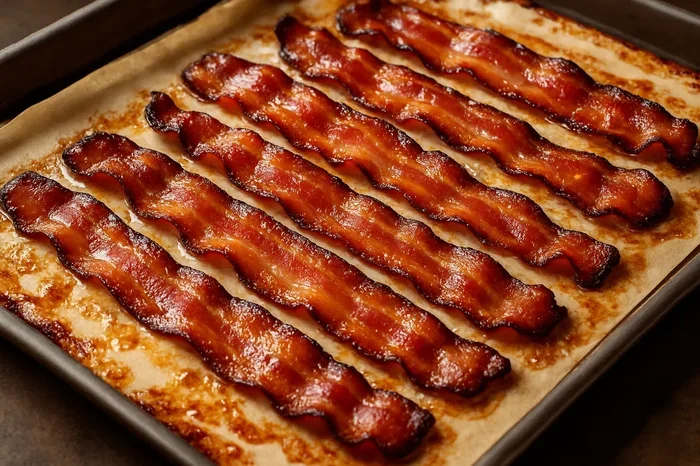
Perfectly cooked crispy bacon should be golden brown to deep brown, depending on your preference. It should feel firm to the touch but not brittle. If the bacon bends easily, it needs more time. If it cracks when you bend it, you have gone too far. The rendered fat should be clear and golden, not milky or dark brown. Trust your eyes and your instincts. After a couple of batches, you will develop a feel for the right timing.
Tips For Perfect Crispy Bacon Every Time
Oven-baked bacon is forgiving, but a few small tweaks can take your results from good to outstanding. Here are the best tips from experienced home cooks and chefs.
Start With Cold Bacon
It might seem counterintuitive, but starting with cold bacon straight from the refrigerator gives you more even cooking. The cold start allows the fat to render slowly, which creates a better texture throughout the strip. Room-temperature bacon tends to cook too fast on the edges while the center stays flabby.
Do Not Crowd The Pan
Give each bacon strip plenty of space. Overcrowding traps steam and prevents proper crisping. If you need to cook a large batch, use two sheet pans and rotate them halfway through. Baking bacon at 400 works best when air flows freely around every strip.
Use Two Sheet Pans For Easy Cleanup
Some cooks swear by placing a second sheet pan on top of the bacon pan. This method, sometimes called the bacon tray method, contains all the grease between the two pans. It also prevents the top of the bacon from getting too crispy. This technique is especially useful when you are cooking a large amount of oven-baked bacon and want to avoid a greasy mess.
Lower The Temperature For Chewier Bacon
If you prefer your bacon on the chewier side, try reducing the oven temperature to 375°F. This slower cook renders the fat more gently and gives you a more pliable strip. It takes a few extra minutes, but the texture difference is noticeable. How to cook bacon in oven at 400 gives you crispy results, while 375°F gives you a more tender bite.
Season Before Baking
A light sprinkle of brown sugar, cracked pepper, or a touch of maple syrup before baking adds a delicious flavor dimension. The sugar caramelizes in the hot oven and creates a subtle glaze on the bacon. Just be careful not to add too much sugar, as it can burn quickly at 400°F.
Let The Bacon Rest
Once you pull the bacon from the oven, let it rest on the paper towels for a minute or two. This resting period allows excess grease to absorb and the bacon to firm up. Rushing this step can leave you with bacon that is greasy instead of crispy. Patience is a simple but powerful oven-baked bacon tip.
Common Mistakes To Avoid When Baking Bacon
Even though how to cook bacon in oven at 400 is a simple process, there are a few common mistakes that can ruin your results. Avoiding these pitfalls keeps your bacon recipe foolproof.
Skipping The Lined Pan
One of the biggest mistakes is putting bacon directly on an unlined sheet pan. The grease sticks to the pan and creates a stuck-on mess that is difficult to clean. Always line your pan with parchment paper or foil. This small step saves you significant cleanup time and prevents the bacon from tearing when you try to remove it.
Overlapping The Strips
It can be tempting to squeeze in as many strips as possible, but overlapping is a recipe for uneven cooking. The strips that overlap steam instead of roast, and you end up with floppy, unevenly cooked pieces. Give each strip its own space on the pan. If you need to cook more, use a second pan.
Not Setting A Timer
Oven-baked bacon can go from perfectly crispy to burnt in just a minute or two. Without a timer, it is easy to forget about it and come back to a pan of carbonized strips. Set a timer for the minimum recommended time and check frequently. Bacon cooking time at 400 varies, so do not just set it and walk away without checking.
Using A Pan Without Edges
A flat sheet pan without a rim allows rendered grease to drip into the bottom of your oven. This creates a fire hazard and a messy cleanup job. Always use a rimmed baking sheet for oven-baked bacon. The edges contain the grease and keep your oven clean and safe.
Flipping Too Early Or Too Late
Flipping the bacon too early can tear the strips, while flipping too late means one side gets much more cooked than the other. The ideal time to flip is around the halfway mark, when the underside is golden brown and the fat has started to render. For thin bacon, flipping once at the 10-minute mark usually works perfectly.
How To Store And Reheat Oven-Baked Bacon
If you have leftovers from your bacon cooking session, you will be happy to know that oven-baked bacon stores well and reheats beautifully.
Let the bacon cool completely before storing it. Place the strips in an airtight container or a zip-lock bag, with paper towels between layers to absorb moisture. Refrigerated oven-baked bacon stays fresh for up to five days. For longer storage, you can freeze cooked bacon for up to three months.
To reheat, place the bacon on a parchment-lined baking sheet and warm it in the oven at 350°F for 5 to 8 minutes. This brings back the crispy bacon texture without making it rubbery or soggy. Avoid microwaving if you can, as it tends to make bacon chewy and unevenly heated.
Frequently Asked Questions
Can I Cook Bacon At 350 Instead Of 400?
Yes, you can cook bacon at 350°F, but it will take longer and the texture will be slightly different. Lower temperatures render the fat more slowly, which can result in chewier bacon. How to cook bacon in oven at 400 is preferred for crispy results because the higher heat crisps the strips faster and more evenly. If you choose to bake at 350, add about 5 to 10 extra minutes to your cook time and watch the bacon closely.
Do I Need To Flip Bacon When Baking It In The Oven?
Flipping is not strictly necessary, but it does improve results. Flipping halfway through ensures both sides of the bacon strips crisp evenly. For thin-cut bacon, you can skip the flip and still get great results. For thick-cut bacon, flipping is highly recommended because it helps the thicker parts render properly. Use tongs to flip carefully and avoid splashing grease.
What Is The Best Way To Line The Baking Sheet For Bacon?
Parchment paper is the best option for lining your baking sheet when making oven-baked bacon. It prevents sticking, makes cleanup effortless, and can handle the high heat of 400°F. Aluminum foil also works well but can cause the bacon to stick slightly more. Avoid using wax paper, as it is not heat-safe and can melt in the oven. Baking bacon at 400 with a lined pan is the simplest cleanup method available.
Can I Use A Wire Rack Instead Of A Baking Sheet?
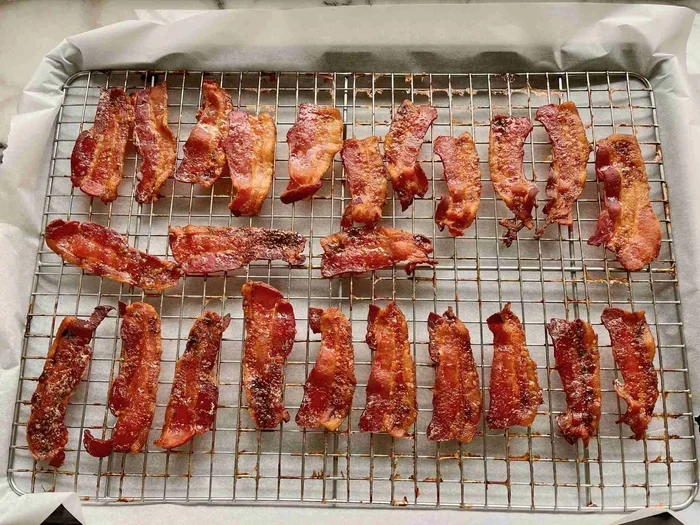
Yes, placing bacon on a wire rack set over a baking sheet is an excellent method. The rack allows grease to drip away from the bacon, which results in even crispier strips. This approach also prevents the bacon from sitting in its own rendered fat. However, it requires more careful placement to prevent strips from falling through the rack. Many people prefer the simplicity of a lined sheet pan for how to cook bacon in oven at 400 because it is more convenient and requires less setup.
How Do I Know When The Bacon Is Done?
Crispy bacon will be golden brown to deep brown and feel firm when you touch it with tongs. If the bacon still bends easily, it needs more time. If it starts to curl excessively or the edges look dark brown and brittle, it may be overcooked. The rendered fat should be clear and golden. Start checking at the minimum cook time for your bacon type, and pull it when it reaches your preferred level of crispiness.
Is Oven-Baked Bacon Healthier Than Pan-Fried Bacon?
Oven-baked bacon does tend to be slightly healthier because the rendering process allows more grease to drip away from the meat. When you bake bacon on a lined sheet, the excess fat collects on the pan rather than being absorbed back into the bacon. This means your final strips have less grease content than pan-fried bacon. Of course, bacon is still a high-fat, high-sodium food, so enjoy it in moderation as part of a balanced diet. The health advantage is modest, but it is a nice bonus when you are making bacon recipe after bacon recipe using the oven method.
Conclusion
How to cook bacon in oven at 400 is one of the simplest and most rewarding cooking techniques you can learn. It delivers crispy bacon with minimal effort, less mess, and perfectly even results every single time. Whether you prefer thin, crunchy strips or thick, meaty pieces, the oven method gives you complete control over the outcome.
The process is straightforward. Preheat to 400°F, line your pan, lay out the strips, bake for 15 to 25 minutes, and drain on paper towels. That is it. Once you try oven-baked bacon, you will never go back to the stovetop method. The hands-off approach, the easy cleanup, and the batch-cooking capability make it the clear winner for everyday breakfasts and special occasions alike.
Remember the key tips: use parchment paper, do not overlap your strips, set a timer, and save that delicious bacon grease for later. With these simple practices, your bacon cooking will reach a whole new level. Try it once, and you will be hooked. Happy baking!