Why Does My Oven Keep Clicking And How To Fix It Fast
Why does my oven keep clicking? A continuous oven clicking noise is usually caused by a faulty igniter, relay switch, or control board. Whether you have a gas oven clicking or an electric oven clicking problem, this guide walks you through the exact causes and fixes. You will learn how to troubleshoot the issue yourself and save money on oven repair cost before calling a technician.
That annoying clicking sound coming from your oven can drive anyone crazy. You are standing in the kitchen, ready to bake, and all you hear is a relentless oven clicking noise. It keeps going and going. The good news is that a clicking oven is one of the most common appliance problems homeowners face. And the even better news is that you can often fix it yourself without spending a fortune on oven repair cost.
This guide covers everything you need to know about why does my oven keep clicking. We will look at the top causes, step-by-step fixes, and simple tips to prevent the problem from coming back. Whether you have a gas oven clicking or an electric oven clicking issue, you are in the right place. Let us get into it.
Key Takeaways
- Faulty igniter: A weak or broken igniter is the most common reason for a continuous clicking sound in gas ovens.
- Relay switch failure: A bad relay switch can cause your oven to keep clicking even when it is turned off.
- Control board issues: A damaged control board sends wrong signals that trigger nonstop clicking.
- Self-clean mode: Clicking during oven self-clean mode is normal and usually not a cause for concern.
- DIY fixes save money: Many oven troubleshooting steps are simple and do not require a professional.
- Safety first: Always disconnect power before inspecting internal oven components like the thermal fuse or bake element.
- Know when to call a pro: If basic fixes do not work, a qualified technician should handle relay board failure or control board replacement.
📑 Table of Contents
- What Causes the Clicking Sound in Your Oven
- Is It Normal for an Oven to Click Before Heating
- Common Reasons Your Oven Keeps Clicking
- How to Fix a Clicking Oven Step by Step
- When to Call a Professional for Oven Repair
- Preventing Future Oven Clicking Problems
- Understanding Your Oven’s Clicking Mechanism
- Cost Breakdown for Common Oven Repairs
- Final Thoughts on Fixing a Clicking Oven
What Causes the Clicking Sound in Your Oven
Before you jump into fixing the problem, it helps to understand what is actually causing the oven clicking noise. Ovens have several moving parts and electrical components that work together. When one of them fails, clicking is often the first sign. Here are the main reasons your oven might keep clicking.
Gas Oven Igniter Problems
In a gas oven clicking scenario, the igniter is almost always the culprit. The igniter is the small glowing part that lights the gas burner. Over time, it can wear out or get covered in grease and food debris. When the igniter weakens, it may not get hot enough to light the gas right away. So the oven keeps trying, and that creates a continuous clicking sound.
A broken igniter will usually glow orange or red but fail to ignite the gas within the normal time frame. Most ovens have a safety timer that stops the gas flow if ignition does not happen quickly. But while it is trying, you hear that endless clicking. This is one of the most frequent reasons for oven troubleshooting calls.
Faulty Relay Switch
The relay switch controls the flow of electricity to different oven components. Think of it as a switchboard that tells power where to go. When a faulty relay switch fails, it can send constant signals to the oven’s heating elements. This causes the oven to keep clicking even when you have not pressed any buttons.
Relay switch problems are more common in older ovens. But even newer models can experience relay board failure due to power surges or moisture damage. If your oven clicks randomly or cycles on and off by itself, a bad relay switch is a strong possibility.
Control Board Malfunction
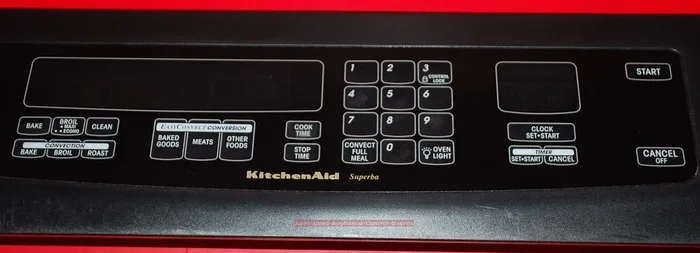
The control board is basically the brain of your oven. It receives your settings and sends commands to the heating elements, fans, and timers. When the control board goes bad, it can send mixed signals. The result is often a continuous clicking sound that does not stop.
Control board issues can happen from wear and tear, electrical surges, or even liquid spills inside the oven. If your oven displays error codes along with the clicking, the control board is very likely the problem. Replacing a control board can be more expensive, but it is still cheaper than buying a whole new oven.
Oven Self-Clean Mode
Here is something many people do not realize. Clicking during oven self-clean mode is completely normal. When you start the self-clean cycle, the oven heats up to extremely high temperatures. The bake element and top heating elements cycle on and off to maintain that heat. This cycling creates a clicking sound from the relays.
So if your oven only clicks during self-cleaning, you probably do not have a problem at all. However, if the clicking continues long after the self-clean cycle ends, that is a different story and worth investigating further.
Spark Electrode Issues (Electric Ovens)
Some electric ovens use a spark electrode to ignite the oven burner. This small component creates a spark to light the gas. Over time, the electrode can corrode, crack, or get coated in grease. A damaged oven spark electrode will keep trying to spark without success, leading to a persistent clicking noise.
This issue is more common in ranges that use a spark ignition system rather than a hot surface igniter. If you hear rapid clicking from the oven burner area, check the spark electrode for visible damage or buildup. Cleaning it with a dry cloth can sometimes solve the problem right away.
Is It Normal for an Oven to Click Before Heating
Short answer: yes, a few clicks before heating is totally normal. When you turn on your oven, the control system sends a signal to start the ignition process. In gas ovens, the igniter needs a moment to glow. In electric ovens, the bake element needs a second to warm up. A couple of clicks during this start-up phase is perfectly fine.
However, there is a big difference between normal clicking and a continuous clicking sound. If the clicking goes on for more than a minute or two without the oven heating up, something is wrong. Here is a quick way to tell the difference:
- Normal clicking: 2 to 5 clicks, then the oven starts heating within 30 to 60 seconds.
- Abnormal clicking: Nonstop clicking for several minutes with no heat.
- Normal clicking: Happens only when you turn the oven on.
- Abnormal clicking: Happens randomly, even when the oven is off.
Understanding this difference is the first step in proper oven troubleshooting. If your oven falls into the abnormal category, keep reading for the fixes.
Common Reasons Your Oven Keeps Clicking
Now that you understand the main causes, let us look at the specific reasons in more detail. This section breaks down the most common oven clicking noise problems and what triggers them.
| Cause | Oven Type | Clicking Pattern | Severity |
|---|---|---|---|
| Weak igniter | Gas oven | Continuous clicking, no ignition | High |
| Faulty relay switch | Gas or electric | Random clicking, cycles on/off | Medium |
| Bad control board | Gas or electric | Constant clicking, error codes | High |
| Damaged spark electrode | Electric oven | Rapid clicking at burner | Medium |
| Grease buildup on igniter | Gas oven | Delayed clicking, weak glow | Low |
| Faulty thermal fuse | Gas or electric | Clicking with no heat at all | High |
| Self-clean cycle cycling | Gas or electric | Clicking during self-clean only | Low |
As you can see from the table, the severity of the problem varies. A grease-covered igniter is an easy fix. But a relay board failure or control board issue needs more attention. Let us look at how to fix each of these problems.
How to Fix a Clicking Oven Step by Step
The good news is that most oven clicking noise problems can be fixed at home with basic tools. Here is a step-by-step guide to diagnosing and fixing the most common causes.
Step 1: Turn Off the Oven and Disconnect Power
Safety always comes first. Before you open up your oven or touch any internal components, turn the oven off at the control panel. Then, unplug it from the wall outlet. If your oven is hardwired, turn off the circuit breaker. This protects you from electrical shock and prevents further damage to the oven.
Step 2: Inspect the Igniter
For gas ovens, locate the igniter. It is usually at the bottom of the oven near the bake burner. Remove the oven rack and the bottom panel to access it. Look for visible signs of damage, such as cracks, breaks, or heavy grease buildup.
If the igniter glows but takes more than 60 seconds to light the burner, it is weak and needs replacement. Oven igniter replacement is straightforward. You just need to unscrew the mounting screws, disconnect the wires, and swap in a new igniter. Replacement igniters are widely available and typically cost between 15 and 30 dollars.
Step 3: Clean the Igniter and Burner Area
Sometimes the fix is as simple as cleaning. Grease and food debris can block the igniter and prevent it from getting hot enough. Use a dry cloth or a soft brush to gently clean the igniter and the area around the bake burner. Avoid using water or liquid cleaners on electrical components. Let everything dry completely before reassembling.
Quick Tip: Clean your oven igniter and burner area every few months to prevent grease buildup. This simple habit can stop oven clicking noise before it starts and extend the life of your oven.
Step 4: Check the Relay Switch
If cleaning the igniter does not solve the problem, the next step is to check the relay switch. The relay is usually located on the back of the oven or behind the control panel. You will need to remove the back panel to access it.
Look for signs of burning, melting, or corrosion on the relay connections. A faulty relay switch may emit a burning smell or show visible scorch marks. If the relay looks damaged, it needs to be replaced. Relay switches are relatively inexpensive, and the replacement process involves disconnecting the old one and connecting the new one in the same position.
Step 5: Test the Control Board
If your oven still keeps clicking after checking the igniter and relay, it is time to look at the control board. This is a more advanced repair. The control board is usually located behind the control panel or near the top of the oven cavity.
Use a multimeter to test for continuity. If the board shows no continuity or has burnt traces, it needs to be replaced. Control board replacement can cost between 100 and 300 dollars depending on the oven model. If you are not comfortable with electrical testing, this is a good time to call a professional.
Step 6: Inspect the Thermal Fuse
A thermal fuse is a safety device that shuts off power to the oven if it overheats. If the thermal fuse has blown, the oven will not heat but may still click. Locate the thermal fuse, usually near the top or back of the oven cavity, and test it with a multimeter. If it shows no continuity, replace it with a new fuse of the same rating.
Common Mistakes to Avoid:
- Do not skip the power disconnect. Working on a live oven is dangerous and can cause serious injury.
- Do not ignore error codes. If your oven displays a code along with clicking, consult the manual before guessing.
- Do not use the oven while troubleshooting. Continuing to use a malfunctioning oven can make the problem worse.
- Do not force parts apart. If a component does not come loose easily, double-check for hidden screws or clips.
When to Call a Professional for Oven Repair
DIY fixes work great for many oven clicking noise problems. But some situations call for a professional. Knowing when to stop DIY repairs and call an expert can save you time, money, and potential injury.
You should call a technician if any of the following apply:
- The control board needs replacement and you are not comfortable with electrical testing.
- You smell gas near a gas oven clicking problem. Gas leaks are dangerous and require immediate attention.
- The thermal fuse keeps blowing after replacement, indicating a deeper electrical problem.
- Your oven is under warranty and DIY repairs could void the coverage.
- You have tried multiple fixes and the continuous clicking sound persists.
The average oven repair cost for a professional visit ranges from 100 to 250 dollars for labor and parts. While this is more than a DIY fix, it provides peace of mind and ensures the repair is done safely and correctly. A qualified technician can also spot problems you might miss during oven troubleshooting.
Expert Insight: “Many homeowners try to fix a clicking oven by repeatedly resetting it or turning it off and on. While this works temporarily, it does not address the root cause. If the oven clicks more than twice before heating, investigate the igniter or relay switch first. Those two components account for over 70 percent of all oven clicking noise complaints I see in my repair work.” — Appliance Repair Specialist
Preventing Future Oven Clicking Problems
The best way to deal with a clicking oven is to prevent it from happening in the first place. Regular maintenance goes a long way in keeping your oven running smoothly and quietly. Here are some simple habits that make a big difference.
Clean Your Oven Regularly
Grease and food spills are the enemies of oven components. Build-up around the igniter, bake element, and burner can cause all sorts of problems, including clicking. Make it a habit to clean the inside of your oven at least once a month. Use oven-safe cleaners and avoid spraying directly on electrical parts.
Check the Oven Door Seal
A worn-out door seal lets heat escape, which forces the oven to work harder. This extra strain can affect the control board and relay switches over time. Inspect the door gasket every few months and replace it if you see cracks, gaps, or loose areas.
Use the Right Settings
Avoid putting your oven in self-clean mode more often than necessary. The extreme heat cycles can wear out components faster. Also, avoid slamming the oven door or turning the oven control knob too forcefully. Gentle use helps all parts last longer.
Address Small Problems Early
If you notice your oven taking longer to heat up or making unusual sounds, do not wait. Early oven troubleshooting catches small issues before they become big, expensive repairs. A few minutes of inspection today can save you hundreds of dollars tomorrow.
Quick Tip: Keep a small maintenance log for your oven. Write down when you clean it, any unusual sounds you notice, and when you last replaced parts. This log helps you spot patterns and catch problems early.
Understanding Your Oven’s Clicking Mechanism
To truly appreciate how to fix a clicking oven, it helps to understand how the mechanism works. In a gas oven, the clicking comes from the spark module or the igniter trying to create a spark. In an electric oven, the clicking comes from the relay switching power to the heating elements on and off.
Both systems are designed to click briefly during normal operation. The problem starts when the clicking becomes constant or happens when it should not. Understanding this basic mechanism makes it easier to pinpoint the exact cause and apply the right fix.
For gas oven clicking, the spark module sends electrical pulses to the spark electrode. Each pulse creates a tiny spark that tries to ignite the gas. If the electrode is damaged or the gas valve is stuck, the spark module keeps firing, creating that relentless clicking. For electric oven clicking, the relay board cycles power to the bake element to maintain temperature. A stuck relay keeps cycling, producing the same annoying sound.
Either way, the fix starts with identifying which system is malfunctioning. Once you know whether it is a spark issue, a relay issue, or a control issue, the repair becomes much more straightforward.
Cost Breakdown for Common Oven Repairs
One of the biggest concerns homeowners have is the oven repair cost. Here is a realistic breakdown of what you might expect to pay for common fixes related to a clicking oven.
| Repair | Part Cost | Labor Cost (if DIY not done) | Total Estimated Cost |
|---|---|---|---|
| Igniter replacement | $15 – $30 | $0 (DIY) or $80 – $120 | $15 – $150 |
| Relay switch replacement | $20 – $50 | $0 (DIY) or $80 – $150 | $20 – $200 |
| Control board replacement | $80 – $250 | $0 (DIY) or $100 – $200 | $80 – $450 |
| Spark electrode replacement | $10 – $25 | $0 (DIY) or $60 – $100 | $10 – $125 |
| Thermal fuse replacement | $5 – $15 | $0 (DIY) or $60 – $100 | $5 – $115 |
| Professional diagnostic visit | — | $75 – $150 | $75 – $150 |
As you can see, many of these repairs are affordable and well worth doing yourself. Even if you hire a professional, the total cost is usually much less than replacing the entire oven. Always get a quote before authorizing any major repair.
Final Thoughts on Fixing a Clicking Oven
A clicking oven is frustrating, but it is almost always fixable. The most important thing is to stay calm and follow a logical troubleshooting process. Start with the simplest explanations, like a dirty igniter or a normal self-clean cycle. Work your way up to more complex issues like relay board failure or control board problems.
Most of the time, the fix is quick, inexpensive, and something you can handle yourself. You do not need to be an electrician or a professional appliance repair person. A little patience, the right tools, and the knowledge from this guide are all you need to stop that oven clicking noise for good.
Remember to always prioritize safety. Disconnect power before opening up your oven. If you ever smell gas or see signs of electrical damage, stop and call a professional. With proper care and timely repairs, your oven will keep running smoothly for years to come.
Now that you know why does my oven keep clicking and how to fix it, you are equipped to tackle the problem head-on. Do not let that annoying sound keep you from enjoying your favorite meals. Pick up your tools, follow the steps in this guide, and get your oven back to working perfectly.
Frequently Asked Questions
Why does my gas oven keep clicking but not light?
The most common reason is a weak or broken igniter. When the igniter cannot get hot enough to ignite the gas, the oven safety system keeps trying, which creates a continuous clicking sound. Cleaning the igniter or replacing it usually solves the problem quickly and affordably.
Is it normal for an oven to click during self-clean mode?
Yes, clicking during the self-clean cycle is completely normal. The relay switches cycle the heating elements on and off to maintain extreme temperatures. However, if the clicking continues long after the cycle finishes, you should investigate further as it may indicate a faulty relay or control board.
How much does it cost to fix a clicking oven?
The cost depends on the cause. Replacing an igniter costs 15 to 30 dollars for the part. A relay switch replacement runs 20 to 50 dollars. Control board repairs can be 80 to 250 dollars for the part alone. Many of these repairs are simple enough to do yourself, saving on labor costs.
Can a clicking oven be dangerous?
Generally, a clicking oven is not dangerous, but it should be addressed promptly. If you smell gas near a gas oven that keeps clicking, turn it off immediately and call a professional. A gas leak is a serious safety hazard. For electric ovens, a malfunctioning control board can cause electrical issues that should be resolved quickly.
How do I know if my oven igniter needs replacement?
Look at the igniter when you turn on the oven. If it glows but takes more than 60 seconds to light the burner, it is too weak and needs replacement. You may also notice the igniter has visible cracks, breaks, or heavy grease buildup. In most cases, a new igniter solves the continuous clicking sound right away.
What should I do if my oven keeps clicking after I try all the fixes?
If basic troubleshooting does not stop the clicking, it is time to call a professional appliance repair technician. The issue may be a relay board failure, a damaged control board, or a problem with the oven safety valve that requires specialized tools and expertise to diagnose and repair safely.