The Best Charcoal For Pizza Oven To Get Perfect Results
Finding the right charcoal for pizza oven can transform your homemade pizza from good to extraordinary. The best fuel choice creates intense, even heat that delivers a crispy crust and rich smoky flavor every time you bake. Not all charcoal is created equal, and picking the wrong one can lead to uneven cooking and disappointing results. In this guide, we break down the top charcoal types, brands, and tips to help you get restaurant-quality pizza at home.
Finding the right charcoal for pizza oven can make or break your homemade pizza experience. The best fuel choice creates intense, even heat that gives your pizza a perfect crispy crust and smoky flavor. Whether you own a wood-fired pizza oven or a compact outdoor model, the type of charcoal you use directly impacts taste and cooking results. Not all charcoal is created equal, and picking the wrong one can lead to uneven baking or unwanted flavors. In this guide, we will walk you through everything you need to know about choosing the ideal charcoal for pizza oven to get restaurant-quality results at home.
There is nothing quite like pulling a perfectly baked pizza out of your oven. The crust is crispy, the cheese is bubbly, and the toppings are cooked just right. But did you know that the fuel you use plays a huge role in getting that perfect result? Many pizza lovers focus on dough recipes and toppings but overlook the importance of their fuel source. They spend money on premium flour and fresh mozzarella but settle for whatever charcoal is on sale at the store.
The type of charcoal you choose for your pizza oven affects everything from heat distribution to flavor. A good fuel source burns hot and clean. It gives your pizza that authentic smoky taste without any bitter aftertaste. Whether you are a beginner or a seasoned pizza maker, understanding your charcoal options is the first step toward amazing results. Let us dive into the world of charcoal and find out what works best for your pizza oven.
Key Takeaways
- Lump charcoal is the top choice for most pizza oven owners because it burns hot, clean, and adds natural smoky flavor.
- Always choose additive-free charcoal to avoid chemicals that can affect the taste and safety of your pizza.
- Hardwood charcoal from oak, hickory, or cherry offers the best flavor profiles for different pizza styles.
- Preheat your oven for at least 30 to 45 minutes before baking to ensure even heat distribution.
- Manage your airflow by adjusting vents to control temperature and smoke levels during cooking.
- Avoid briquettes with fillers and chemicals as they can produce bitter smoke and excess ash.
- Use a pizza stone or steel to achieve a perfectly crispy crust every time you bake.
📑 Table of Contents
Why Charcoal Matters for Your Pizza Oven
The fuel you use in your pizza oven is not just a background detail. It is the engine that drives your entire cooking experience. The right charcoal creates the ideal conditions for a perfect pizza. The wrong charcoal can ruin even the best dough and freshest ingredients. Understanding why charcoal matters helps you make smarter choices every time you fire up your oven.
How Heat Affects Your Pizza
The temperature inside your pizza oven determines how your pizza turns out. A proper charcoal fire can reach temperatures between 700 and 900 degrees Fahrenheit. This high heat is what gives Neapolitan-style pizza its signature charred spots and chewy texture. When you use the right charcoal for pizza oven setups, you get consistent heat across the cooking surface. Cheap or low-quality fuel creates hot and cold spots. This leads to uneven cooking and a frustrating experience.
Your pizza dough needs steady, intense heat to bake properly in just 60 to 90 seconds. If the temperature drops too low, the crust becomes soggy instead of crispy. If the heat is too uneven, some parts of the pizza burn while others stay undercooked. This is why the quality of your charcoal directly affects the quality of your pizza. Good fuel maintains a stable, high temperature that cooks your pizza evenly from edge to center.
The Role of Smoke Flavor
Charcoal does more than just provide heat. It also adds flavor to your pizza. Different types of charcoal produce different smoke profiles. Some give a mild, sweet smoke. Others create a stronger, more intense flavor. This is one of the reasons why pizza cooked in a charcoal oven tastes so different from pizza baked in a gas or electric oven.
Hardwood charcoal is especially popular because it burns clean and adds a pleasant aroma. This is why many pizza enthusiasts prefer natural charcoal over chemically treated alternatives. The smoke from quality fuel enhances the taste of your dough, sauce, and toppings. It creates a depth of flavor that gas ovens simply cannot match. The right charcoal for pizza oven fuel adds a subtle smokiness that makes every bite more enjoyable. It is the secret ingredient that takes your homemade pizza to the next level.
Types of Charcoal for Pizza Ovens
Not all charcoal is the same. There are several main types, and each one has its own strengths and weaknesses. Understanding the differences helps you pick the best option for your oven and your cooking style. Let us look at the three most common types used in pizza ovens.
Lump Charcoal
Lump charcoal is made from real wood that has been burned in a low-oxygen environment. It is one of the most popular choices for pizza ovens. This type of fuel burns hot and produces very little ash. The pieces are irregular in shape and size, which allows for good airflow around the coals.
Lump charcoal for pizza oven use has several advantages. It lights quickly and reaches high temperatures fast. The smoke it produces is natural and adds a great flavor to your pizza. It also burns more evenly than other options. You get consistent heat without having to constantly adjust your fire. This makes lump charcoal a favorite among home pizza makers who want reliable results.
However, lump charcoal can vary in quality. Some brands use softwoods that burn too fast. Others use hardwoods that provide a longer, more consistent burn. Always check the ingredients before buying. Look for 100% natural hardwood lump charcoal with no additives. The best charcoal for pizza oven is pure, natural, and free from anything artificial. When you find a good brand, stick with it. Your pizza will thank you.
Briquettes
Charcoal briquettes are the most common type of charcoal found in stores. They are made from compressed charcoal dust and other binding agents. While they are affordable and widely available, they are not always the best choice for pizza ovens.
Many briquettes contain chemical fillers, binders, and accelerants. These additives can affect the taste of your pizza. They may also produce more ash and smoke than you want. The smoke from chemically treated briquettes can taste harsh and unpleasant. It can overpower the natural flavors of your dough and toppings. Nobody wants their homemade pizza to taste like a chemical factory.
However, some high-quality briquettes are free from additives and work well for pizza cooking. If you choose briquettes, look for ones labeled as “natural” or “additive-free.” These burn more cleanly and produce better results. They may take a bit longer to light, but they provide steady heat once going. Natural briquettes for pizza oven use can be a good budget-friendly option if you pick the right brand.
Hardwood Charcoal
Hardwood charcoal is made from dense woods like oak, hickory, maple, or cherry. This type of fuel is excellent for pizza ovens because it burns at very high temperatures. It also adds a wonderful smoky flavor to your food. Hardwood charcoal is the go-to choice for serious pizza enthusiasts who want the best possible results.
Hardwood charcoal for pizza oven cooking is the gold standard among pizza lovers. It produces long-lasting, even heat. The flavor it adds is rich and complex. Different woods create different flavor profiles, which is part of the fun of using a charcoal pizza oven.
Oak charcoal gives a medium smoky taste that works well with most pizza styles. Hickory adds a stronger, more robust flavor that pairs great with bold toppings like sausage and pepperoni. Cherry wood creates a mild, slightly sweet smoke that complements lighter pizzas with chicken or vegetables. You can mix different hardwood charcoals to create your own custom flavor blend. This is one of the most enjoyable parts of using a pizza oven at home. Experimenting with different wood blends lets you fine-tune the flavor of every pizza you bake.
Best Charcoal Brands for Pizza Ovens
With so many charcoal brands on the market, it can be hard to know which ones are worth your money. We have done the research and rounded up some of the best options for pizza oven use. These brands are trusted by pizza makers and barbecue enthusiasts alike.
Top-Rated Lump Charcoal Brands
Several brands stand out when it comes to lump charcoal quality. Here are some of the best options you can buy right now:
- Big Green Egg lump charcoal is known for its high quality and consistent sizing. It burns clean and produces excellent heat for pizza ovens.
- Jealous Devil makes all-natural lump charcoal from hardwood. It has a great reputation for long burn times and low ash production.
- Kababa offers affordable lump charcoal that performs well for pizza oven use. It is a great option for beginners who want to try lump charcoal without spending too much.
- Cowboy Brand is another popular choice. It burns hot and provides good smoke flavor for your pizza without any chemical additives.
- Original Cowboy charcoal is made from 100% natural hardwood and is widely available at most hardware and outdoor stores.
When choosing a brand, look for bags that clearly state they are 100% natural hardwood. Avoid any brand that does not list its ingredients. Transparency is a good sign that a company cares about quality.
Best Briquette Options
If you prefer briquettes, there are some good options that work well for pizza ovens. Here are a few brands to consider:
- Royal Oak All-Natural Briquettes are free from fillers and binders. They burn steadily and produce minimal ash, making them a solid choice for pizza cooking.
- Cowboy Brand Briquettes are another natural option. They light easily and maintain consistent heat throughout your pizza bake.
- Big Green Egg briquettes are designed specifically for their ceramic grills but work in other pizza ovens too. They provide reliable, even heat.
Always read the label to make sure your briquettes do not contain harmful chemicals. Clean-burning fuel is essential for great-tasting pizza. The extra few dollars you spend on quality charcoal pays off in better flavor and better results every time you cook.
How to Choose the Right Charcoal for Your Pizza Oven
Choosing the right charcoal is not just about picking the most expensive option. It is about finding the fuel that works best for your specific oven, your cooking style, and your taste preferences. Here are the key factors to consider when making your decision.
Consider Your Oven Type
Different pizza ovens work best with different types of charcoal. A large wood-fired pizza oven may handle lump charcoal or hardwood logs easily. These ovens have plenty of space for a big fire and can maintain high temperatures for a long time. A smaller portable oven might work better with briquettes because they burn more steadily and are easier to control.
Consider the size of your oven and how much fuel it can hold. A bigger oven needs more fuel to maintain high temperatures. A smaller oven may overheat if you use fast-burning lump charcoal. Match your fuel to your oven for the best results. If you are not sure what works best, start with lump charcoal and adjust from there based on your experience.
Check the Burn Time
Burn time is an important factor when choosing charcoal. You do not want your fuel to burn out in the middle of cooking a pizza. Look for charcoal that provides at least 30 to 45 minutes of steady heat. This gives you enough time to bake several pizzas without needing to add more fuel.
Lump charcoal generally burns faster than briquettes. But high-quality lump charcoal can still provide a good burn time. Briquettes tend to last longer because they are more densely packed. This makes them a good choice for longer cooking sessions or when you are hosting a pizza party and need to keep the oven hot for an extended period.
Look for Additives and Fillers
Always check the ingredients list on your charcoal packaging. Avoid any charcoal that contains added chemicals, lighter fluid, or petroleum-based products. These can release harmful fumes and affect the taste of your pizza. You worked hard on your dough and toppings. Do not let cheap charcoal ruin all that effort.
Natural charcoal is always the safest and best option. Look for terms like “100% natural,” “no additives,” and “no fillers” on the bag. Pure charcoal burns cleaner and produces better flavor for your pizza. It also produces less ash, which means less cleanup after your cooking session. Clean fuel equals clean flavor, and that is what every pizza maker wants.
Tips for Perfect Pizza with Charcoal Ovens
Choosing the right charcoal is only half the battle. How you use it matters just as much. Here are some practical tips to help you get the best results every time you fire up your pizza oven.
Preheat Properly
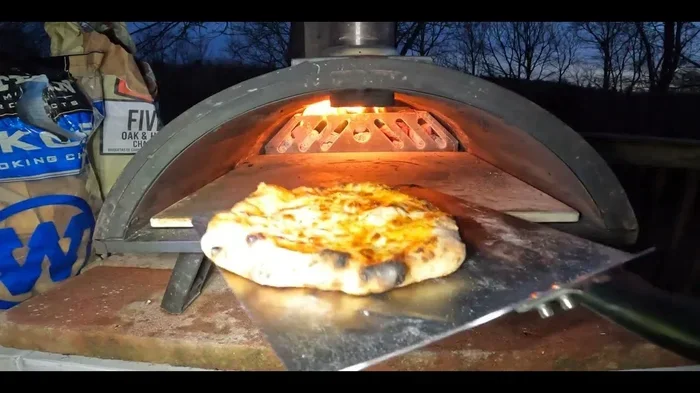
Preheating your pizza oven is one of the most important steps. You want your oven to reach the right temperature before you put any pizza inside. For most pizza ovens, this means heating to at least 700 to 800 degrees Fahrenheit. This is much hotter than a home oven, and that is exactly what gives pizza oven pizza its incredible texture.
Start your charcoal fire about 30 to 45 minutes before you plan to cook. Let the charcoal turn white and ashy on the outside. This means it is ready and glowing hot underneath. Use a thermometer to check the oven temperature if possible. A good pizza oven thermometer takes the guesswork out of preheating. It helps you know exactly when your oven is ready for the first pizza.
Do not rush this step. A properly preheated oven makes all the difference. Cold ovens lead to soggy crusts and undercooked toppings. Take your time, let the charcoal do its work, and your pizza will turn out perfectly.
Manage Your Airflow
Airflow controls how hot your charcoal burns and how much smoke it produces. Most pizza ovens have vents that you can adjust. Open the vents wider to increase heat and reduce smoke. Close them slightly to lower the temperature and add more smoky flavor to your pizza.
Good airflow also helps your charcoal burn more efficiently. It prevents stale smoke from building up inside the oven. Stale smoke can give your pizza a bitter taste. You want fresh, clean smoke that adds flavor without overpowering your ingredients. Keep your vents clean and unobstructed for the best results. A simple habit of checking your vents before every cook can save you from a lot of pizza-making mistakes.
Use a Pizza Stone or Steel
A pizza stone or steel helps distribute heat evenly across the bottom of your pizza. It also absorbs moisture from the dough, which helps create a crispy crust. Place your stone or steel in the oven while it preheats. This allows it to absorb heat along with the oven.
Let the stone or steel get just as hot as the oven before you slide your pizza in. This ensures immediate cooking and a nice bottom crust. If you do not have a pizza stone, you can use an inverted baking sheet as a substitute. It is not quite the same, but it works in a pinch.
Some pizza makers also like to use a pizza peel to slide their pizzas onto the stone quickly. This helps prevent the dough from sticking and keeps your shape intact. A little flour or cornmeal on the peel makes the sliding process even smoother. These small tools and techniques make a big difference in your final result.
Common Mistakes to Avoid
Even experienced pizza makers make mistakes sometimes. Learning from common errors helps you avoid them and improves your results faster. Here are the most frequent mistakes people make when using charcoal in their pizza ovens.
Using the Wrong Charcoal Type
One of the biggest mistakes is using the wrong type of charcoal. Do not use charcoal lighter fluid or instant-light charcoal for your pizza oven. These products contain chemicals that can contaminate your food. They also create a harsh taste that ruins the flavor of your pizza. The whole point of using a charcoal pizza oven is to get better flavor. Using chemical-treated charcoal defeats that purpose entirely.
Always choose natural charcoal without additives. This applies to both lump charcoal and briquettes. The small extra cost is well worth the better flavor and safer cooking experience. Your taste buds will notice the difference right away. Once you switch to quality natural charcoal, you will never go back to the cheap stuff.
Overloading the Fire
It can be tempting to pile on too much charcoal, especially when you are excited to start cooking. But overloading your fire can create uneven heat and waste fuel. A thin, even layer of charcoal is usually all you need. Start with a moderate amount and add more if needed.
You can always add more charcoal during cooking if the temperature drops. It is harder to cool down an oven that has too much fuel. Start small and adjust as you go. This approach gives you more control over your cooking temperature. It also helps you save charcoal and money in the long run. Less is often more when it comes to fueling your pizza oven.
Ignoring Temperature Control
Many beginners do not pay enough attention to temperature. They assume that if the fire is hot, the pizza will cook fine. But inconsistent temperature leads to unevenly cooked pizza. One side might be burnt while the other is still raw. The cheese might be bubbling on one side and cold on the other.
Use a pizza oven thermometer to monitor your temperature. Learn how to adjust your vents to control the heat. Practice makes perfect. After a few bakes, you will develop a feel for how your oven and charcoal work together. Temperature control is the skill that separates good pizza makers from great ones. Take the time to learn it, and your pizzas will improve dramatically with every bake.
Final Thoughts on Charcoal for Pizza Oven
Choosing the right charcoal for pizza oven cooking is one of the simplest ways to improve your results. The fuel you use affects heat, flavor, and overall cooking experience. Whether you choose lump charcoal, briquettes, or hardwood charcoal, always go for natural, additive-free options. The quality of your fuel sets the foundation for every pizza you bake.
Take the time to experiment with different types and brands. Each charcoal brings its own unique qualities to the table. You might find that you prefer the intense heat of lump charcoal or the steady burn of quality briquettes. Some pizza makers like to use a mix of both for the best of both worlds. There is no single right answer. The best charcoal is the one that works for your oven and your taste.
With the right fuel and a little practice, you can bake amazing pizza at home. Your family and friends will not believe you made it yourself. The smoky flavor, the crispy crust, and the perfectly melted cheese all start with the charcoal you choose. So fire up your oven, grab your favorite dough, and start cooking. The perfect pizza is just a charcoal fire away.
Remember, great pizza starts with great fuel. Invest in quality charcoal for pizza oven use, master your technique, and enjoy the process. Every pizza you bake is a chance to improve and try something new. Happy cooking, and may your pizzas always come out golden and delicious.
Frequently Asked Questions
What is the best charcoal for a pizza oven?
Lump charcoal made from 100% natural hardwood is widely considered the best charcoal for pizza oven use. It burns hot, clean, and produces minimal ash. Brands like Jealous Devil, Big Green Egg, and Cowboy Brand are popular choices among pizza enthusiasts.
Can I use briquettes in my pizza oven?
Yes, you can use briquettes, but make sure they are additive-free and all-natural. Briquettes with chemical fillers can affect the taste of your pizza and produce excess ash. Natural briquettes provide steady heat and work well in smaller pizza ovens.
How long should I preheat my pizza oven before baking?
You should preheat your pizza oven for at least 30 to 45 minutes before baking. The charcoal should be covered in white ash and glowing hot. Use a thermometer to confirm your oven has reached the ideal temperature of 700 to 800 degrees Fahrenheit.
Does the type of wood in charcoal affect pizza flavor?
Yes, absolutely. Different hardwoods create different flavor profiles. Oak provides a medium smoky taste, hickory adds a stronger flavor, and cherry wood gives a mild, sweet smoke. You can mix different wood charcoals to create your own custom flavor blend for your pizza.
Is lump charcoal better than briquettes for pizza?
Lump charcoal is generally preferred for pizza ovens because it burns hotter and cleaner than briquettes. It also adds a more natural smoky flavor. However, high-quality natural briquettes can work well too, especially in smaller ovens where steady, controlled heat is needed.
How much charcoal do I need for one pizza bake?
For a standard home pizza oven, you typically need about 4 to 6 pounds of charcoal for a single baking session. This amount provides enough heat to bake 3 to 5 pizzas at the right temperature. You can add more charcoal between bakes if the temperature drops too low.
=== CONCLUSION ===
Finding the best charcoal for pizza oven is one of the most important steps you can take to improve your homemade pizza. The fuel you choose affects everything from heat and flavor to crust texture and cooking time. Whether you go with lump charcoal, natural briquettes, or hardwood charcoal, the key is to always choose a pure, additive-free option.
Take the time to preheat your oven properly, manage your airflow, and use a pizza stone for the best results. Avoid common mistakes like using chemical-treated charcoal or overloading your fire. With the right fuel and a little practice, you will be baking restaurant-quality pizza in your own backyard.
Remember, the perfect pizza starts with the perfect fire. Choose your charcoal wisely, experiment with different brands and wood types, and most importantly, have fun with the process. Every pizza you bake is a chance to learn something new and create something delicious for the people you love.