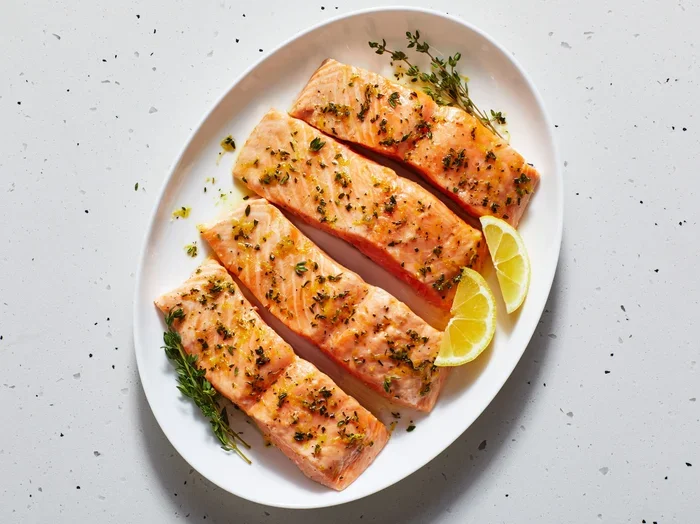
How to Cook Salmon Fillets in Oven for Perfect Results
Discover how to cook salmon fillets in oven perfectly every single time. This guide covers everything from choosing the right fillet to nailing the ideal internal temperature. You will learn simple seasoning tricks, baking times, and expert tips that transform ordinary salmon into a restaurant-quality meal.
There is something magical about a perfectly baked salmon fillet. The skin turns crispy, the flesh flakes beautifully, and the kitchen fills with an irresistible aroma. If you have ever wondered how to cook salmon fillets in oven like a pro, you are in the right place. This guide walks you through every step with clear, simple instructions. Whether you are a beginner or a seasoned home cook, these tips will elevate your salmon game.
Baked salmon is one of the most popular healthy dinner options. It is fast, delicious, and packed with omega-3 fatty acids. Yet many people struggle with dry, overcooked fillets. The good news is that mastering oven-baked salmon is easier than you think. With the right temperature, timing, and seasoning, you can achieve restaurant-quality results at home.
Key Takeaways
- Oven Temperature Matters: Baking salmon at 400°F delivers crispy skin and tender flesh every time.
- Timing Is Everything: Most fillets need only 12 to 15 minutes, depending on thickness.
- Seasoning Simple Works Best: Olive oil, salt, pepper, and lemon create a classic flavor profile.
- Resting the Salmon: Letting the fillet rest after baking keeps it juicy and flavorful.
- Skin-Side Down: Always place the salmon skin-side down on the baking sheet for crispy results.
- Internal Temperature: Aim for 145°F for perfectly cooked salmon fillets.
📑 Table of Contents
- Why Oven-Baked Salmon Is the Best Choice
- Choosing the Best Salmon Fillets
- Essential Tools and Equipment
- Step-by-Step: How to Cook Salmon Fillets in Oven
- Common Mistakes to Avoid
- Quick Tips for Perfect Salmon Every Time
- Comparing Baking Methods
- Flavor Variations to Try
- Storing and Reheating Leftover Salmon
- Health Benefits of Baked Salmon
- Conclusion
Why Oven-Baked Salmon Is the Best Choice
When it comes to baked salmon fillets, the oven offers unmatched convenience and consistency. Unlike stovetop cooking, which requires constant attention, oven baking lets you set it and forget it. You can prep a side dish or set the table while the salmon cooks evenly.
Here is why so many home cooks prefer oven-baked salmon:
- Even Cooking: The oven surrounds the fillet with consistent heat, reducing hot spots.
- Crispy Skin: Baking skin-side down renders the fat and creates a satisfying crunch.
- Minimal Effort: Season, place on a sheet, and bake. That is all it takes.
- Easy Scaling: You can cook multiple fillets at once for the whole family.
- Healthy Preparation: No added oil needed beyond a light coating on the fish.
The beauty of oven roasted salmon lies in its simplicity. You do not need fancy equipment or advanced cooking skills. A basic baking sheet, a little seasoning, and a hot oven are all you need to create a stunning salmon fillet dinner.
Choosing the Best Salmon Fillets
Before you learn how to cook salmon fillets in oven, you need to pick the right fish. The quality of your starting ingredient makes a huge difference in the final result. Fresh, high-quality salmon will always taste better than frozen alternatives, but frozen can work well too.
Fresh vs. Frozen Salmon
Fresh salmon has a bright, vibrant color and a clean ocean smell. The flesh should feel firm and spring back when pressed. If buying fresh, plan to cook it within one to two days of purchase. Frozen salmon, on the other hand, is often flash-frozen at sea, locking in freshness. Thaw frozen fillets overnight in the refrigerator for the best results.
Skin-On vs. Skin-Off
For oven baking, always choose skin-on salmon fillets. The skin acts as a protective layer, keeping the flesh moist during cooking. It also becomes wonderfully crispy when baked correctly. Skin-off fillets can dry out more quickly and lack that satisfying texture.
Thickness and Size
Look for fillets that are about one inch thick. This size cooks evenly and fits perfectly on a standard baking sheet. Thinner fillets may overcook, while very thick ones need longer baking times. A uniform thickness ensures consistent doneness from edge to center.
Essential Tools and Equipment
You do not need much to bake salmon in the oven. A few basic tools make the process smoother and more enjoyable.
Baking Sheet and Parchment Paper
A rimmed baking sheet works best. Line it with parchment paper or aluminum foil for easy cleanup. Parchment paper prevents the salmon from sticking and helps the skin crisp up evenly. Some cooks prefer a wire rack placed over the baking sheet, which allows air to circulate underneath for extra crispy skin.
Oven Thermometer
This is a small but powerful tool. Many ovens run hotter or cooler than the dial indicates. An oven thermometer ensures your salmon cooking temperature is accurate. Even a 10-degree difference can affect how your fillet turns out. Place the thermometer inside the oven and adjust accordingly.
Instant-Read Thermometer
This is the single most important tool for perfect salmon. An instant-read thermometer takes the guesswork out of cooking. Insert it into the thickest part of the fillet to check the internal temperature salmon. You want to pull the salmon off the heat at 125 degrees for medium and 145 degrees for well-done.
Step-by-Step: How to Cook Salmon Fillets in Oven
Now for the part you have been waiting for. Here is the complete process for how to cook salmon fillets in oven with foolproof results. Follow these steps every time, and you will never serve dry salmon again.
Step 1: Preheat Your Oven
Set your oven to 400 degrees Fahrenheit. This temperature is the sweet spot for baked salmon fillets. It is hot enough to crisp the skin quickly but gentle enough to cook the flesh through without drying it out. Allow at least 10 to 15 minutes for the oven to reach the target temperature.
While the oven preheats, prepare your salmon fillets. Pat them dry with paper towels. Removing excess moisture from the surface helps achieve crispy skin. This simple step makes a noticeable difference in texture.
Step 2: Season the Fillets
Seasoning is where you can get creative. For a classic approach, drizzle each fillet with olive oil and sprinkle with salt and pepper. Here are some popular salmon fillet seasoning ideas:
- Lemon Herb: Fresh lemon juice, minced garlic, dill, and a pinch of salt.
- Garlic Butter: Melted butter, garlic powder, paprika, and a squeeze of lemon.
- Asian-Inspired: Soy sauce, sesame oil, ginger, and a touch of honey.
- Simple Mediterranean: Olive oil, oregano, thyme, red pepper flakes, and lemon zest.
Rub the seasoning gently over the top and sides of each fillet. Let the seasoned salmon sit for about five minutes while the oven finishes preheating. This brief rest allows the flavors to start penetrating the fish.
Step 3: Place Fillets on the Baking Sheet
Lay the salmon fillets skin-side down on your prepared baking sheet. Leave space between each fillet for even heat circulation. If your fillets are touching, they may steam instead of roast, which prevents crispy skin.
For extra flavor, place thin lemon slices or fresh herbs on top of each fillet. This adds a beautiful presentation and a subtle aromatic touch.
Step 4: Bake to Perfection
Place the baking sheet on the middle oven rack. For a standard one-inch-thick fillet, bake for 12 to 15 minutes. The exact salmon cooking time depends on several factors:
- Thickness: Thicker fillets need more time. Add two to three minutes for every extra quarter inch.
- Starting Temperature: Room-temperature fillets cook more evenly than cold ones straight from the fridge.
- Oven Accuracy: Always rely on your oven thermometer for precise results.
The salmon is done when it reaches an internal temperature salmon of 125 to 145 degrees Fahrenheit, depending on your preference. The flesh should be opaque and flake easily with a fork. Remove the fillets from the oven and let them rest for three to five minutes before serving.
Step 5: Rest and Serve
Resting is a step many people skip, but it matters. When you let the salmon sit after baking, the juices redistribute throughout the fillet. This makes every bite moist and flavorful. Tent the fillets loosely with foil during resting to keep them warm.
Serve your perfectly baked salmon with a side of roasted vegetables, steamed asparagus, or a simple rice pilaf. A squeeze of fresh lemon juice right before serving brightens all the flavors.
Common Mistakes to Avoid
Even experienced cooks make mistakes when baking salmon. Knowing what to avoid saves you from disappointing results.
Overcooking the Salmon
This is the number one mistake. Salmon continues cooking after you remove it from the oven due to residual heat. Pull the fillet off when it is slightly underdone, and it will reach the perfect temperature during resting. Overcooked salmon turns dry, chalky, and loses its beautiful pink color.
Skipping the Dry-Pat Step
Moisture on the surface of the fish creates steam instead of allowing the skin to crisp. Always pat your salmon fillets completely dry before seasoning. This one small habit transforms the texture of your baked salmon.
Using Too High a Temperature
Some recipes call for very high temperatures to cook salmon quickly. While this works for thin fillets, it often burns the exterior before the interior is cooked through. Stick to 400 degrees for reliable, even results.
Placing Fillets Too Close Together
Crowding the baking sheet blocks airflow and leads to uneven cooking. Give each fillet at least an inch of space. If you are cooking multiple batches, keep the first batch warm in a low oven while the next one bakes.
Forgetting to Let the Salmon Come to Room Temperature
Cold fillets straight from the refrigerator cook unevenly. The outside overcooks while the center stays cold. Take the salmon out 15 to 20 minutes before baking. This small step makes a big difference in oven-baked salmon quality.
Quick Tips for Perfect Salmon Every Time
Want to take your salmon recipe to the next level? These quick tips make a noticeable difference:
- Score the Skin: Make shallow diagonal cuts on the skin side. This prevents curling and allows seasoning to reach deeper.
- Use a Hot Pan First: For extra crispy skin, sear the salmon skin-side down in a hot pan for two minutes before transferring to the oven.
- Add Honey or Maple Syrup: A light glaze adds sweetness and helps the seasoning caramelize beautifully.
- Experiment with Wood Planks: Baking salmon on a cedar plank infuses a subtle smoky flavor that is absolutely delicious.
- Marinate Briefly: A 20-minute marinade adds flavor without breaking down the delicate fish proteins.
- Keep the Skin On: Always bake skin-side down. The skin protects the flesh and becomes a satisfying crispy layer.
Comparing Baking Methods
There are several ways to prepare salmon in the oven. Here is a quick comparison to help you choose the best method for your needs.
| Method | Temperature | Time | Best For |
|---|---|---|---|
| Standard Baking | 400°F | 12-15 min | Everyday weeknight dinners |
| Slow Roasting | 275°F | 20-25 min | Extra tender, delicate texture |
| High-Heat Blast | 450°F | 8-10 min | Thin fillets with crispy skin |
| Parchment Packet | 400°F | 15-18 min | Flavor infusion and easy cleanup |
Each method has its merits. Standard baking at 400 degrees is the most versatile and reliable approach for how to cook salmon fillets in oven. Slow roasting produces incredibly tender fish, ideal for those who prefer a melt-in-your-mouth texture. The high-heat method works best for thin fillets that need a quick, crispy finish. Parchment packets trap steam and infuse the salmon with aromatics like herbs, lemon, and garlic.
For most home cooks, the standard baking method at 400 degrees is the go-to approach. It balances crispy skin, moist flesh, and minimal effort perfectly. Once you master this technique, you can experiment with the other methods based on your preferences.
Flavor Variations to Try
Once you master the basic technique, explore different flavor profiles to keep your salmon fillet dinner exciting. Here are five delicious variations:
Honey Garlic Glaze: Mix honey, minced garlic, soy sauce, and a dash of sesame oil. Brush the glaze on during the last five minutes of baking. The result is a sticky, savory-sweet finish that pairs beautifully with the rich salmon flavor.
Herb Crust: Combine chopped fresh parsley, dill, breadcrumbs, and melted butter. Spread the mixture over the seasoned fillet before baking. The crust adds a wonderful crunch and herbaceous aroma.
Maple Mustard: Whisk maple syrup, Dijon mustard, and a pinch of cayenne pepper. This glaze caramelizes in the oven and creates a beautiful glossy finish on the salmon.
Mediterranean Style: Top the fillet with sliced olives, capers, sun-dried tomatoes, and crumbled feta cheese. Bake as usual and enjoy a burst of Mediterranean flavors.
Citrus Fresh: Layer thin orange and lime slices over the seasoned fillet. The citrus juices steam the salmon gently while adding bright, fresh notes. Garnish with fresh cilantro after baking.
Storing and Reheating Leftover Salmon
If you have leftovers from your baked salmon fillets, proper storage keeps them delicious for the next day. Let the salmon cool to room temperature, then place it in an airtight container. Refrigerate within two hours of cooking. Properly stored baked salmon stays fresh for up to three days in the refrigerator.
To reheat, use a low oven temperature of 275 degrees. Place the salmon on a baking sheet lined with parchment paper and warm for 10 to 15 minutes. This gentle reheating method prevents the fish from drying out. Avoid microwaving leftover salmon, as it tends to make the texture rubbery and unappetizing.
You can also flake leftover salmon into salads, pasta dishes, or sandwiches. Cold salmon works wonderfully in a fresh summer salad with mixed greens, avocado, and a light vinaigrette.
Health Benefits of Baked Salmon
Beyond its incredible taste, baked salmon is one of the healthiest proteins you can eat. A single serving provides a generous dose of omega-3 fatty acids, which support heart health, brain function, and reduced inflammation. Salmon is also an excellent source of high-quality protein, vitamin D, and B vitamins.
Baking is one of the healthiest cooking methods because it requires minimal added fat. Unlike frying, which adds unnecessary calories and unhealthy fats, oven baking preserves the natural nutritional profile of the fish. Pairing your salmon with vegetables and whole grains creates a balanced, nourishing meal that supports overall wellness.
Conclusion
Learning how to cook salmon fillets in oven is one of the most rewarding kitchen skills you can develop. The process is straightforward, the results are impressive, and the health benefits are substantial. With the right temperature of 400 degrees, a baking time of 12 to 15 minutes, and a few simple seasonings, you can create restaurant-quality baked salmon fillets at home.
Remember the key principles: pat the fish dry, season generously, bake skin-side down, and use a thermometer to check doneness. Avoid common mistakes like overcooking and overcrowding the pan. Experiment with different flavor variations to keep meals exciting. With practice, baking perfect salmon will become second nature.
Next time you are planning dinner, reach for a beautiful salmon fillet and your trusty oven. Follow the steps in this guide, and you will serve a dish that impresses everyone at the table. Happy cooking.
Frequently Asked Questions
What is the best temperature to cook salmon fillets in the oven?
The ideal temperature for baking salmon fillets is 400 degrees Fahrenheit. This heat level crisps the skin perfectly while keeping the inside moist and tender. If you prefer a slower, more gentle cook, you can bake at 375 degrees for a few extra minutes.
How long should I bake salmon fillets in the oven?
For a standard one-inch-thick fillet, bake for 12 to 15 minutes at 400 degrees. Thicker fillets may need up to 20 minutes, while thinner ones cook faster. Always use an instant-read thermometer and aim for an internal temperature of 125 to 145 degrees depending on your preference.
Should I bake salmon with the skin on or off?
Always bake salmon with the skin on, placing it skin-side down on the baking sheet. The skin protects the delicate flesh, keeps it moist, and becomes wonderfully crispy during baking. Skin-off fillets tend to dry out more quickly.
How do I know when salmon is done baking?
The best way to check is with an instant-read thermometer inserted into the thickest part. The internal temperature salmon should read 125 degrees for medium or 145 degrees for well-done. The flesh should also appear opaque and flake easily when gently pressed with a fork.
Can I use frozen salmon fillets for oven baking?
Yes, you can bake frozen salmon, but thawing first produces better results. Thaw the fillets overnight in the refrigerator for even cooking. If you must cook from frozen, add about five extra minutes to the baking time and check the internal temperature carefully.
What are the best seasonings for oven-baked salmon?
Simple seasonings work best for salmon. Olive oil, salt, pepper, and lemon create a classic flavor. For more variety, try garlic butter, lemon herb, Asian-inspired soy-ginger, or a maple mustard glaze. Fresh herbs like dill, thyme, and parsley add wonderful aroma and taste.