What Does Conventional Roast Mean On An Oven Explained
The conventional roast setting on your oven uses dry heat from the top and bottom elements to cook food evenly at high temperatures. It is different from convection roast because it does not use a fan to circulate air. Understanding what conventional roast means on an oven helps you cook better meats, vegetables, and casseroles with a crispy, golden finish every time.
Have you ever stood in front of your oven, staring at the buttons, and wondered what on earth “conventional roast” actually means? You are not alone. Many home cooks see that setting and feel confused. Is it the same as baking? Is it the same as broiling? What makes it different from convection roast?
The good news is that understanding the conventional roast setting is simpler than you think. Once you know what it does, you will use it all the time. This guide breaks everything down in plain language. You will learn exactly what conventional roast means on an oven, how it works, when to use it, and how to get the best results every single time.
Whether you are cooking a Sunday roast chicken, a beef brisket, or a big batch of roasted vegetables, this article has you covered. Let us dive in and make sense of your oven settings once and for all.
Key Takeaways
- Conventional roast uses dry heat: Both top and bottom heating elements work together to cook food evenly without a fan.
- It differs from convection roast: No fan means slower, more traditional cooking with a slightly different texture.
- Best for large cuts of meat: Beef roasts, whole chickens, and pork roasts shine with this setting.
- Temperature ranges matter: Most conventional roast recipes call for temperatures between 325°F and 450°F.
- Browning is enhanced: The top element helps create a crispy, caramelized exterior on your food.
- Avoid common mistakes: Opening the door too often and skipping the resting period can ruin your roast.
- Use a meat thermometer: This is the single best tool for ensuring your roast is cooked to perfection.
📑 Table of Contents
- What Is Conventional Roast on an Oven?
- When Should You Use the Conventional Roast Setting?
- Step-by-Step Guide to Using Conventional Roast
- Common Mistakes to Avoid with Conventional Roast
- Tips for Perfect Roasts Using Conventional Heat
- Expert Insights on Conventional Roasting
- Key Takeaways
- FAQ
- Conclusion
What Is Conventional Roast on an Oven?
The conventional roast setting is a cooking mode that uses dry heat from both the top and bottom heating elements inside your oven. Unlike broil, which uses only the top element, or bake, which focuses on even, moderate heat, conventional roast combines high heat from both directions. This creates a powerful cooking environment that browns the outside of your food while cooking the inside thoroughly.
Think of it as a combination of baking and roasting. The bottom element heats the air below your food, while the top element radiates heat downward. Together, they surround your dish with consistent, dry warmth. This is what gives conventional roast its signature ability to produce a beautifully crispy exterior.
Here is what makes the conventional roast setting unique:
- No fan involved: The heat comes purely from the elements, not from circulated air.
- Top and bottom elements work together: This dual-source heat cooks food from both sides.
- Higher temperatures are common: You will often use this setting at 375°F to 450°F.
- Dry heat is the focus: There is no added moisture, which helps achieve browning and caramelization.
When you select conventional roast on your oven, you are choosing a traditional cooking method that has been used in home kitchens for decades. It relies on simple physics — hot air rising and radiant heat from above — to cook your food evenly and deliciously.
How Does Conventional Roast Differ from Bake?
Many people confuse conventional roast with the bake setting. While they are similar, there are important differences. The bake setting typically uses only the bottom element for gentle, even heat. It is ideal for cakes, cookies, and casseroles where you want uniform cooking without much browning on top.
The conventional roast setting, on the other hand, activates both the top and bottom elements. This creates more intense heat. The top element plays a big role here. It browns the surface of your food, giving you that appealing golden crust. The bottom element ensures the base cooks through properly.
So if you want a roasted chicken with crispy skin, conventional roast is your best bet. If you are baking a cake, stick with the regular bake setting.
How Does Conventional Roast Differ from Convection Roast?
This is where things get even more interesting. A convection roast uses a fan to circulate hot air around the food. The fan blows the heated air, creating a more uniform cooking environment. This means food cooks faster and more evenly in a convection oven.
Conventional roast does not have a fan. The heat relies on natural convection — warm air rising and cooler air sinking — to cook your food. This process is slower but produces different results. Many cooks find that conventional roast gives a slightly more textured crust. The lack of forced air means the surface of the meat dries out just enough to develop a deep, flavorful brown exterior.
Here is a quick comparison to help you understand the differences:
- Conventional roast: No fan, top and bottom elements, slower cooking, richer browning.
- Convection roast: Fan circulates air, faster cooking, more even results, slightly less crust formation.
Both settings are valuable. The key is knowing when to use each one. For a traditional roast with a thick, flavorful crust, go with conventional roast. For a faster cook with even browning all around, choose convection roast.
When Should You Use the Conventional Roast Setting?
The conventional roast setting shines in specific situations. Knowing when to use it will elevate your cooking and help you get the best results from every meal.
Roasting Large Cuts of Meat
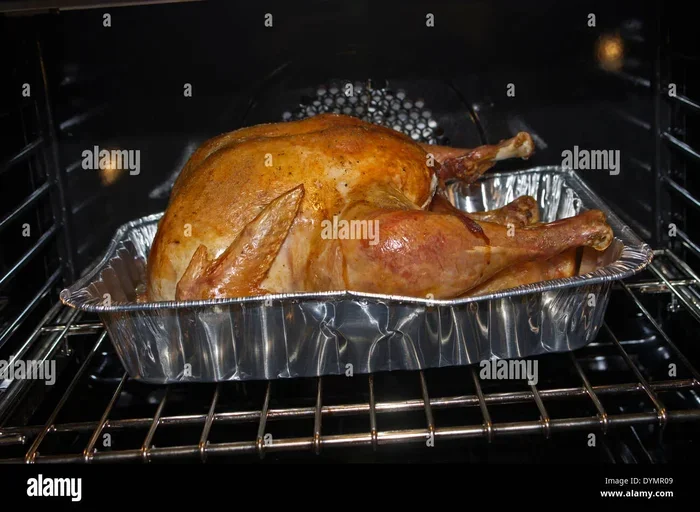
One of the best uses for conventional roast is cooking large cuts of meat. Think beef brisket, pork shoulder, leg of lamb, or a whole turkey. These cuts benefit from the steady, surrounding heat that conventional roast provides. The top element helps render fat on the surface, while the bottom element ensures the meat cooks through without burning.
For example, when you are making a roast chicken for Sunday dinner, the conventional roast setting will give you that perfectly golden, crispy skin everyone loves. The dry heat works to crisp up the exterior while keeping the inside juicy and tender.
Roasting Vegetables
Do not limit conventional roast to meat. Roasted vegetables taste incredible when cooked with this setting. Root vegetables like potatoes, carrots, and parsnips develop a beautiful caramelized exterior when exposed to the dual heat of conventional roast. The high temperature helps create crispy edges while keeping the inside soft and sweet.
Toss your vegetables in olive oil, season them well, and spread them out on a roasting pan. The conventional roast setting will give you evenly browned, delicious vegetables every time.
Baking Casseroles and Gratins
Casseroles and potato gratins also benefit from the conventional roast setting. The top element creates a golden, bubbly crust on the surface of your dish. Meanwhile, the bottom element cooks the layers underneath thoroughly. This dual-action heat is perfect for dishes where you want a crispy top and a fully cooked interior.
Think of baked ziti, lasagna, or a broccoli cheese casserole. Using the conventional roast setting for the last 10 to 15 minutes of cooking will give you that perfect golden finish on top.
Step-by-Step Guide to Using Conventional Roast
Using the conventional roast setting is straightforward once you know the steps. Follow this guide for consistent, great results.
Step 1: Preheat Your Oven
Always preheat your oven before using the conventional roast setting. Give it at least 10 to 15 minutes to reach the desired temperature. Preheating ensures that your food starts cooking immediately when you place it inside. This is especially important for roasting meats, where a hot start helps seal the surface and lock in juices.
Use an oven thermometer if you are unsure about your oven’s accuracy. Many ovens run hot or cold, and knowing the true temperature helps you cook more precisely.
Step 2: Choose the Right Pan
Select an oven-safe pan or roasting pan that fits your food comfortably. For meats, a roasting rack inside the pan works well. It lifts the food off the bottom, allowing hot air to circulate underneath. This promotes even cooking and helps the bottom brown as well.
For vegetables, a large sheet pan with edges works perfectly. Make sure the pan is not overcrowded. Spreading food out in a single layer gives each piece room to breathe and brown properly.
Step 3: Season and Prepare Your Food
Take time to season your food generously. Salt, pepper, garlic, herbs, and olive oil all work well with the conventional roast setting. The dry heat intensifies flavors, so do not be shy with your seasoning.
For meats, consider searing them first on the stovetop before placing them in the oven. Searing creates a flavorful crust that complements the browning from the conventional roast setting. This two-step process — sear on the stove, then finish in the oven — produces restaurant-quality results at home.
Step 4: Set the Temperature and Time
Most conventional roast recipes call for temperatures between 325°F and 450°F. Lower temperatures work well for larger, tougher cuts that need long, slow cooking. Higher temperatures are great for smaller pieces of meat or vegetables where you want quick browning.
Set your timer based on the recipe or the weight of your food. A general rule for meat is about 20 minutes per pound at 350°F, but always check the internal temperature with a meat thermometer. This is the most reliable way to know your food is done.
Step 5: Rest Your Food
Once your food is done, take it out of the oven and let it rest. Resting allows the juices to redistribute throughout the meat. If you cut into a roast immediately, the juices will run out, and the meat will be dry.
Cover the roast loosely with aluminum foil and let it rest for 10 to 20 minutes. This small step makes a huge difference in the final texture and flavor of your dish.
Common Mistakes to Avoid with Conventional Roast
Even experienced cooks make mistakes when using the conventional roast setting. Here are the most common ones and how to avoid them.
Opening the Oven Door Too Often
Every time you open the oven door, you lose heat. The temperature can drop by 25°F or more. This means your food takes longer to cook, and the browning suffers. Resist the urge to peek inside every few minutes. Trust your timer and only open the door when you need to check the temperature or flip your food.
Skipping the Meat Thermometer
This is the single biggest mistake home cooks make. You cannot tell if a roast is done just by looking at it. A meat thermometer takes the guesswork out of cooking. Insert it into the thickest part of the meat, away from the bone, for the most accurate reading.
Here are the safe internal temperatures for common roasts:
- Beef roast: 145°F for medium-rare, 160°F for medium
- Pork roast: 145°F minimum
- Chicken: 165°F throughout
- Lamb roast: 145°F for medium-rare
Overcrowding the Pan
Crowding your pan prevents proper air circulation around the food. Instead of browning, the pieces steam in their own moisture. This is especially true for vegetables. Give each piece plenty of space on the pan. If you need to cook a large quantity, use two pans or cook in batches.
Not Adjusting for Hot Spots
Most ovens have hot spots — areas that run hotter than others. To work around this, rotate your pan halfway through the cooking time. This ensures even browning and cooking on all sides. If you notice that one side of your roast is browning faster than the other, simply turn the pan around.
Tips for Perfect Roasts Using Conventional Heat
Getting the most out of the conventional roast setting comes down to a few simple techniques. These tips will help you achieve consistently great results.
Bring Your Meat to Room Temperature First
Take your meat out of the refrigerator 30 to 60 minutes before cooking. Letting it sit at room temperature helps it cook more evenly. A cold roast placed directly into a hot oven will cook unevenly, with the outside overcooking before the inside is done.
Use the Right Rack Position
Place your roasting pan on the middle rack of the oven. This position allows the best airflow around the food. The top and bottom elements can both do their job effectively from this central location. Avoid placing the pan too close to the top or bottom of the oven, as this can cause uneven cooking or burning.
Let the Browning Do the Talking
The conventional roast setting is designed to promote browning. Embrace it. That golden-brown crust on your roast is not just visually appealing — it also adds incredible flavor. The Maillard reaction, which is the chemical process behind browning, creates hundreds of complex flavor compounds. This is what makes roasted food taste so much better than boiled or steamed food.
Add Liquid for Braising-Style Cooking
If you prefer a moister result, you can add liquid to the bottom of your roasting pan. Beef broth, wine, or even water creates steam that keeps the meat moist during the long cooking process. This technique, known as braising, combines dry heat with moisture for tender, fall-apart results.
Keep a Close Eye on Small Items
Smaller cuts of meat or vegetables cook faster under the conventional roast setting. Check them earlier than you think you need to. A small beef tenderloin or a tray of roasted Brussels sprouts can go from perfectly done to overcooked in just a few minutes.
Expert Insights on Conventional Roasting
Professional chefs and cooking instructors agree on a few key principles when it comes to conventional roast cooking.
Quality Ingredients Matter
The conventional roast setting works best with high-quality ingredients. Since this method relies on dry heat and browning, the natural flavors of your food are front and center. A well-marbled piece of beef will taste incredible when roasted conventionally. The fat renders slowly, basting the meat from the inside and creating a rich, full flavor.
Patience Is Your Best Friend
Conventional roast cooking takes time. The lack of a fan means the heat moves more slowly through the oven. Resist the urge to increase the temperature to speed things up. Low and slow is the name of the game. The patience you invest pays off with tender, flavorful results that no shortcut can replicate.
Resting Is Non-Negotiable
Every professional chef will tell you the same thing: always let your roast rest. Cutting into it too early releases all those precious juices onto your cutting board instead of keeping them in the meat. Give your roast the time it needs, and you will be rewarded with juicy, flavorful results every time.
Key Takeaways
- Conventional roast uses dry heat from top and bottom elements: No fan is involved, making it a traditional cooking method.
- It is different from bake and convection roast: The dual-element heat creates superior browning and crispiness.
- Best for large roasts, whole poultry, and vegetables: The steady, intense heat works wonders on these foods.
- Temperatures typically range from 325°F to 450°F: Choose based on the size and type of food you are cooking.
- Always use a meat thermometer: This is the only way to know your roast is cooked to the right internal temperature.
- Rest your food after cooking: This simple step makes a dramatic difference in juiciness and flavor.
- Avoid common mistakes like overcrowding and opening the door too often: These small habits can ruin an otherwise perfect roast.
FAQ
Can I use the conventional roast setting for chicken?
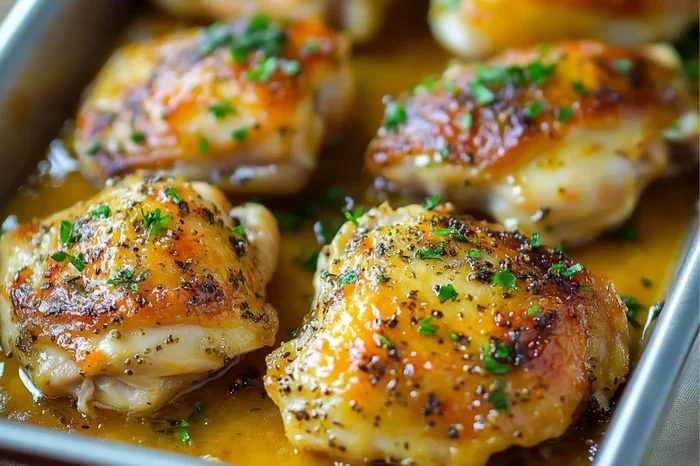
Absolutely. The conventional roast setting is excellent for whole chickens and chicken parts. The dry heat from both elements creates crispy skin and cooks the meat through evenly. Just make sure the internal temperature reaches 165°F for food safety.
Is conventional roast the same as baking?
No, they are different. Baking uses moderate heat, usually from the bottom element only. Conventional roast uses higher heat from both the top and bottom elements, which promotes browning and crisping on the surface of your food.
What temperature should I use for conventional roast?
Most recipes call for temperatures between 325°F and 450°F. The exact temperature depends on what you are cooking. Larger cuts of meat do well at lower temperatures like 325°F, while smaller items and vegetables benefit from higher heat around 400°F to 450°F.
Do I need to cover my food when using conventional roast?
It depends on what you are cooking. For meats where you want a crispy exterior, leave the food uncovered. For dishes that need moisture, like a casserole, you can cover them with foil for part of the cooking time and uncover them at the end for browning.
Can I sear meat on the stove and then finish it with conventional roast?
Yes, this is a great technique. Searing on the stovetop creates a flavorful crust, and finishing in the oven with the conventional roast setting cooks the inside evenly. This two-step method produces restaurant-quality roasts at home.
How long does it take to roast meat using the conventional roast setting?
Cooking time depends on the size and type of meat. A general guideline is about 20 minutes per pound at 350°F. However, always rely on a meat thermometer for accuracy rather than time alone. Each oven may vary slightly in its actual cooking performance.
Conclusion
Now you know exactly what conventional roast means on an oven. It is a straightforward, traditional cooking method that uses dry heat from both the top and bottom elements to cook food evenly and create a beautiful, crispy exterior. Whether you are roasting a beef brisket, a whole chicken, or a tray of golden vegetables, this setting delivers consistent, delicious results.
The key to mastering the conventional roast setting is understanding how it works, avoiding common mistakes, and following a few simple tips. Preheat your oven, use a meat thermometer, give your food enough space, and always let it rest after cooking. These small habits will transform your cooking and impress everyone at your table.
Next time you look at that conventional roast button on your oven, you will know exactly what to do. So go ahead, pick up your favorite roast recipe, and put your new knowledge to work. Your kitchen — and your taste buds — will thank you.