Why Every Kitchen Needs a Large Dutch Oven Right Now
A large Dutch oven is a must-have cooking vessel that transforms how you prepare meals at home. It offers unmatched heat retention, versatility, and capacity for feeding families or meal prepping with ease. Whether you braise, bake, stew, or sear, this heavy-duty pot handles it all beautifully. In this guide, we break down why investing in a large Dutch oven is one of the best decisions you can make for your kitchen today.
Key Takeaways
- Versatile Cooking: A large Dutch oven handles braising, baking, stewing, frying, and slow cooking in one pot.
- Superior Heat Retention: Cast iron construction keeps food warm for hours and distributes heat evenly.
- Feeds a Crowd: The generous size makes it perfect for family dinners, gatherings, and batch cooking.
- Durable Investment: A quality large Dutch oven lasts decades with proper care.
- Easy to Choose: We cover enamel-coated vs. bare cast iron, size options, and top brands.
- Simple Maintenance: Learning proper cleaning and seasoning keeps your pot in top shape for years.
📑 Table of Contents
- What Makes a Large Dutch Oven So Special
- Top Benefits of Cooking with a Large Dutch Oven
- How to Choose the Best Large Dutch Oven for Your Kitchen
- Best Recipes to Try in a Large Dutch Oven
- Caring for Your Large Dutch Oven the Right Way
- Common Mistakes to Avoid with a Large Dutch Oven
- Why a Large Dutch Oven Is Worth Every Penny
What Makes a Large Dutch Oven So Special
Let’s talk about why a large Dutch oven has earned a permanent spot in kitchens around the world. This heavy, thick-walled pot with a tight-fitting lid is not just another piece of cookware. It is a game-changer for anyone who loves to cook.
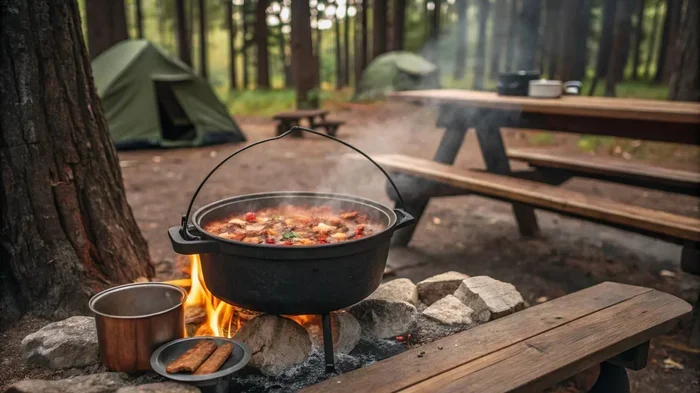
The design of a large Dutch oven is simple but brilliant. Thick cast iron walls trap and distribute heat slowly and evenly. The heavy lid locks in moisture, which makes meats tender and stews rich. You can use it on the stovetop, in the oven, or even over a campfire. That kind of flexibility is rare in cookware.
What really sets a large Dutch oven apart is its capacity. Most standard Dutch ovens hold around 5 to 7 quarts. A large Dutch oven typically starts at 7 quarts and can go all the way up to 13 quarts or more. That extra space means you can cook for a big family, host a dinner party, or prep meals for the entire week in one batch.
If you have ever tried making a big pot of chili or a hearty beef stew in a regular saucepan, you know the frustration. The food cooks unevenly. There is never enough room. A large Dutch oven solves all of those problems in one sweep. It gives you room to move, room to sear, and room to let flavors develop fully.
The weight of the pot is also worth mentioning. A large Dutch oven is heavy by design. That weight is not a flaw. It is the secret to its incredible heat retention. Once your pot heats up, it stays hot. That steady, consistent warmth is exactly what slow-cooked dishes need to turn out perfectly every time.
Why Size Matters When It Comes to Dutch Ovens
Size is one of the most important factors to consider. A small Dutch oven works great for two people. But a large Dutch oven opens up a whole new world of cooking possibilities. You can fit a whole chicken inside. You can brown a large cut of meat without crowding it. You can make enough soup to feed your entire neighborhood.
Here is a quick look at common Dutch oven sizes and what they are best for:
- 3-5 Quart: Perfect for 1-2 people. Great for side dishes and small sauces.
- 5-7 Quart: The most popular size. Handles meals for 3-4 people easily.
- 7-9 Quart: Ideal for families of 4-6. Great for batch cooking and entertaining.
- 10-13 Quart: The true large Dutch oven. Perfect for big gatherings and serious meal prep.
When you step up to a large Dutch oven, you are not just buying a bigger pot. You are investing in a tool that lets you cook more, waste less, and enjoy the process more.
Top Benefits of Cooking with a Large Dutch Oven
Now that you understand what makes a large Dutch oven special, let us dive into the real benefits. These are the reasons why so many home cooks swear by this essential piece of kitchen equipment.
1. Unmatched Heat Retention and Distribution
Cast iron is the gold standard for heat retention. A large Dutch oven made from cast iron holds heat like nothing else. Once it reaches the right temperature, it stays there. This means no hot spots and no uneven cooking.
You can sear a roast on the stovetop, then move the whole pot into the oven without missing a beat. The heat stays consistent from start to finish. This is especially helpful for low-and-slow recipes like pot roasts, braised short ribs, and homemade soups.
2. One-Pot Wonder for Endless Recipes
One of the biggest advantages of a large Dutch oven is its versatility. You can use it for so many different cooking methods:
- Braising: Brown meat on the stovetop, add liquid and aromatics, then slow-cook in the oven.
- Stewing: Build a rich stew with chunks of meat, vegetables, and broth. Let it simmer for hours.
- Baking: Yes, you can bake bread, casseroles, and even desserts inside a Dutch oven.
- Frying: The heavy base holds oil at a steady temperature for perfect fried chicken or doughnuts.
- Slow Cooking: A large Dutch oven works just like a slow cooker but with better browning and searing.
The tight-fitting lid plays a big role here. It traps steam and moisture, which keeps food tender and flavorful. You do not need to add extra liquid or worry about your dish drying out.
3. Perfect for Feeding a Crowd
Let us be honest. Cooking for a large group can be stressful. But with a large Dutch oven, it does not have to be. You can make big batches of chili, lasagna, curry, or pulled pork without running back and forth between pots.
Many people use their large Dutch oven for holiday meals and potlucks. A 12-quart Dutch oven can hold a full turkey or a massive batch of soup. Your guests will be impressed, and you will spend less time in the kitchen and more time enjoying the party.
4. Meal Prep Made Easy
Meal prep is a huge trend right now, and a large Dutch oven is the perfect tool for it. You can cook several servings of one-pot meals in one go. Think grain bowls, pasta bakes, chicken and rice, or hearty vegetable stews.
Once your food is cooked, the Dutch oven doubles as a storage container. Just let it cool, cover it, and store it in the fridge. Many people even cook directly in their Dutch oven and then pop the lid on for easy reheating later. This saves time, dishes, and effort.
5. Long-Lasting Durability
A quality large Dutch oven is built to last a lifetime. We are talking decades of regular use. Cast iron cookware does not warp, scratch, or wear out like thinner pots and pans. With proper care, your Dutch oven can become a family heirloom.
Some brands even offer lifetime warranties on their Dutch ovens. That should tell you something about how long these pots are built to last. When you compare the cost of a large Dutch oven to the cost of replacing cheap cookware every few years, the investment pays for itself many times over.
How to Choose the Best Large Dutch Oven for Your Kitchen
Shopping for a large Dutch oven can feel overwhelming at first. There are so many brands, sizes, materials, and price points to consider. But once you know what to look for, the decision becomes much easier.
Material: Enamel-Coated vs. Bare Cast Iron
The two most common types of large Dutch oven are enamel-coated and bare cast iron. Both have their strengths.
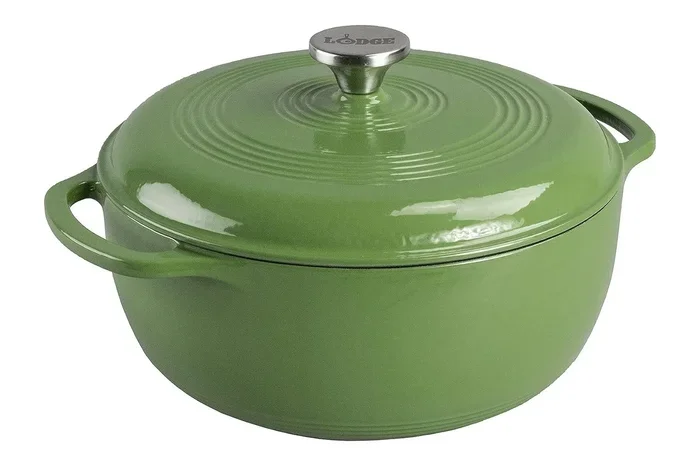
Enamel-Coated Cast Iron: This type has a glass-like coating on the inside and outside. It does not react with acidic foods, so you can make tomato-based sauces without any metallic taste. Cleaning is easier too. Most enamel Dutch ovens are dishwasher safe, though hand washing is always better for longevity.
Bare Cast Iron: This is the traditional option. It needs to be seasoned before use and requires a bit more care. But many cooks prefer bare cast iron because it develops a natural non-stick surface over time. It is also incredibly durable and can handle extreme heat.
Size Guide for Different Households
Choosing the right size is key. Here is a simple guide to help you decide:
- Couples or Singles: A 7-quart large Dutch oven is more than enough. You will rarely use more than half its capacity.
- Small Families (3-4 People): Go with a 7 to 9-quart pot. This gives you plenty of room for family meals and leftovers.
- Large Families or Entertainers: A 10 to 13-quart large Dutch oven is ideal. You can cook for holidays, game days, and dinner parties with ease.
Top Brands to Consider
Several brands stand out when it comes to large Dutch oven quality. Le Creuset is known for its vibrant enamel finishes and legendary durability. Lodge offers excellent value with their bare cast iron options. Staub is another premium brand with a self-basting lid design that keeps food moist. All three are worth considering depending on your budget and preferences.
Price vs. Quality: What to Expect
A large Dutch oven can range from around $50 to $350 or more. Budget options like Lodge deliver solid performance at an affordable price. Premium brands like Le Creuset and Staub offer superior finishes and warranties. Either way, you are making a smart investment. Even a mid-range large Dutch oven will outperform most other cookware in terms of durability and cooking results.
Best Recipes to Try in a Large Dutch Oven
Once you have your large Dutch oven, the fun really begins. This pot can handle a wide range of recipes. Here are some ideas to get you started.
Hearty Beef Stew
This is the classic large Dutch oven recipe. Brown chunks of beef on the stovetop, then add potatoes, carrots, onions, celery, and beef broth. Let it simmer on low heat for a couple of hours. The result is a rich, thick stew that fills your home with an incredible aroma.
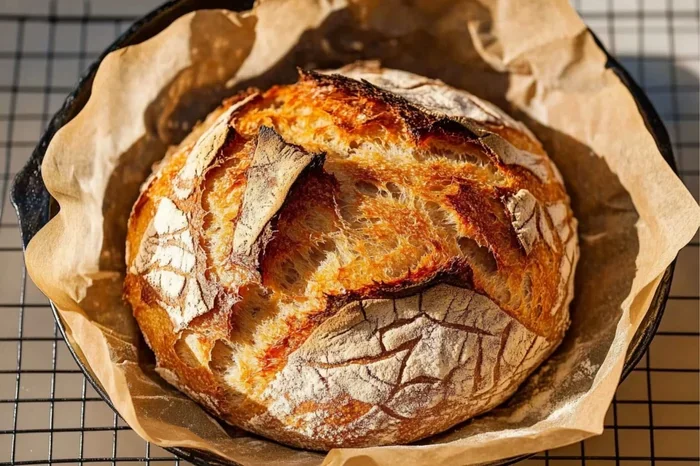
Homemade Sourdough Bread
Yes, you can bake artisan bread in a large Dutch oven. The pot traps steam, which creates a crispy crust and a soft, airy crumb. You do not need a fancy bread oven. Just shape your dough, let it rise, and bake it covered in your Dutch oven at high heat. The results rival any bakery.
One-Pot Chicken and Rice
Brown a whole chicken or chicken thighs in the pot, then add rice, vegetables, and broth. Cover and let it all cook together. In about 45 minutes, you have a complete meal with minimal cleanup. This is one of the best reasons to own a large Dutch oven.
Pulled Pork
A large Dutch oven is perfect for making pulled pork. Season a pork shoulder, sear it, add your favorite BBQ sauce and a bit of liquid, then slow-cook it for hours. The meat becomes so tender it falls apart easily. Serve it on buns, over coleslaw, or with mac and cheese.
Vegetarian Chili
Even if you are not a vegetarian, a hearty bean and vegetable chili is a crowd-pleaser. Sauté onions, garlic, and peppers, then add beans, tomatoes, and spices. Let the large Dutch oven do its magic on low heat for an hour or two. The flavors deepen beautifully over time.
Caring for Your Large Dutch Oven the Right Way
A large Dutch oven can last for generations, but only if you take care of it properly. The good news is that maintenance is not complicated. It just requires a few simple habits.
Cleaning Tips for Cast Iron and Enamel
For bare cast iron Dutch ovens, avoid using soap if possible. Hot water and a stiff brush are usually enough. If food is stuck, scrub it with a paste of coarse salt and water. Always dry your pot completely after washing to prevent rust.
For enamel-coated Dutch ovens, you can use mild dish soap. Avoid abrasive scrubbers that can scratch the coating. If food sticks, soak the pot in warm water for a few minutes before cleaning.
Seasoning Your Large Dutch Oven
If you have a bare cast iron large Dutch oven, seasoning is essential. After cleaning, apply a thin layer of vegetable oil or flaxseed oil to the entire pot, including the lid. Bake it upside down in the oven at 375°F for about an hour. This creates a natural non-stick surface and protects against rust.
You should re-season your Dutch oven every few months, or whenever you notice food sticking or the surface looking dull. Over time, the seasoning builds up and improves with use. Many cooks say their older Dutch ovens cook better than new ones because of this.
Storage and Handling
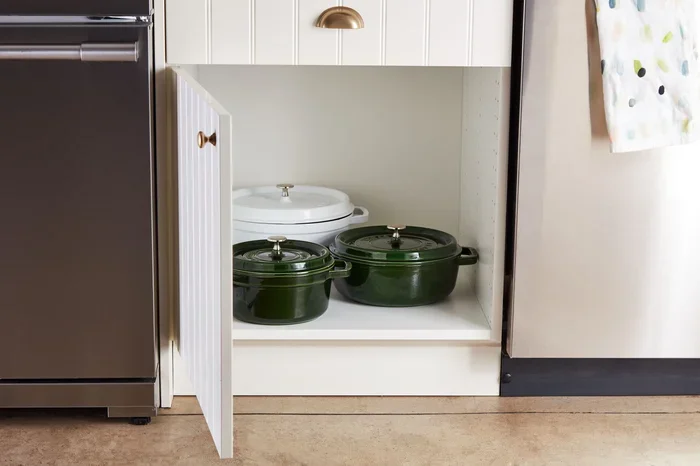
Store your large Dutch oven in a cool, dry place. If you stack it with other pots, place a cloth or paper towel between them to prevent scratching. When handling the pot, always use oven mitts or pot holders. The handles get hot, and a large Dutch oven can weigh 15 pounds or more when full.
Avoid sudden temperature changes. Do not place a cold pot on a hot burner or pour cold water into a hot pot. Thermal shock can crack cast iron or damage the enamel coating. Let your pot heat up gradually for the best results.
Common Mistakes to Avoid with a Large Dutch Oven
Even experienced cooks make mistakes with their large Dutch oven. Here are some common pitfalls and how to avoid them.
Overcrowding the Pot
A large Dutch oven has plenty of space, but that does not mean you should fill it to the brim. Overcrowding prevents proper browning and traps too much steam. Leave at least a quarter of the pot empty to allow heat to circulate freely.
Skipping the Preheat
Cast iron takes time to heat up. Do not rush this step. Preheat your large Dutch oven slowly on medium heat for several minutes before adding oil or food. This ensures even cooking and better searing.
Using the Wrong Heat Setting
A large Dutch oven retains heat so well that you do not need high temperatures. In fact, cooking on too high a flame can burn the bottom of your food. Stick to medium or medium-low heat for most recipes. The pot does the rest of the work.
Neglecting the Lid
The lid is just as important as the pot itself. It traps moisture and creates a self-basting effect. Do not remove the lid too often when slow-cooking. Every time you lift the lid, you release steam and extend the cooking time. Trust the process and let the lid do its job.
Ignoring the Weight
A full large Dutch oven is heavy. Do not place it on a weak stovetop or a small table that cannot handle the weight. Use sturdy, heat-safe surfaces. When moving the pot, use both handles and always wear oven mitts.
Why a Large Dutch Oven Is Worth Every Penny
After all of this, you might be wondering if a large Dutch oven is really worth it. The short answer is absolutely yes. This single pot can replace several other kitchen tools. It braises, bakes, fries, stews, and slow-cooks with ease.
A large Dutch oven saves you time, money, and counter space. You cook bigger batches, which means fewer dishes and less cleanup. The food tastes better because of the even heat and moisture retention. And the pot itself will outlast almost everything else in your kitchen.
If you are serious about cooking at home, a large Dutch oven should be at the top of your shopping list. It is not just a trend or a passing kitchen gadget. It is a timeless tool that has been used by home cooks and professional chefs for generations. Once you start cooking with one, you will wonder how you ever managed without it.
So go ahead and make the investment. Whether you choose enamel-coated or bare cast iron, 7-quart or 13-quart, a large Dutch oven will quickly become the most-used pot in your kitchen. Your family, your dinner guests, and your future self will all thank you.
Frequently Asked Questions
What size is considered a large Dutch oven?
A large Dutch oven typically starts at 7 quarts and can go up to 13 quarts or more. For a family of 4-6, a 7 to 9-quart pot is usually the sweet spot. If you cook for larger groups or do a lot of meal prep, a 10 to 13-quart option gives you plenty of room.
Can I use a large Dutch oven on an induction cooktop?
Yes, many large Dutch oven options work on induction cooktops. Cast iron and enamel-coated cast iron are both magnetic and compatible with induction surfaces. Always check the product specifications before purchasing to be sure.
Is enamel-coated or bare cast iron better for a large Dutch oven?
It depends on your needs. Enamel-coated Dutch ovens are easier to clean and do not react with acidic foods. Bare cast iron is more durable and develops a natural non-stick surface over time. Both types work beautifully for a large Dutch oven cooking experience.
How do I prevent my large Dutch oven from rusting?
To prevent rust, always dry your large Dutch oven completely after washing. For bare cast iron, apply a thin layer of oil after cleaning and store it in a dry place. Avoid soaking the pot in water for long periods, and never put it in the dishwasher if it is bare cast iron.
What dishes work best in a large Dutch oven?
A large Dutch oven excels at braised meats, stews, soups, chili, bread baking, pulled pork, and one-pot meals. It is also great for deep frying, making large batches of soup, and slow-cooking tough cuts of meat until they become tender and flavorful.
How often should I season my large Dutch oven?
If you have a bare cast iron large Dutch oven, season it every 2 to 3 months or whenever you notice food sticking. Enamel-coated Dutch ovens do not need seasoning. A well-seasoned pot develops a natural non-stick surface that improves with regular use and proper care.
=== CONCLUSION ===
A large Dutch oven is one of the most valuable tools you can add to your kitchen. It combines versatility, durability, and incredible cooking performance in one heavy-duty pot. From weeknight dinners to holiday feasts, it handles everything with ease.
Whether you are a beginner cook or a seasoned home chef, a large Dutch oven will elevate your meals and simplify your cooking routine. The benefits are clear: better heat retention, more cooking options, easier meal prep, and a pot that lasts for decades.
So if you have been on the fence about investing in one, now is the perfect time. Choose the right size, pick a brand you trust, and start exploring all the amazing dishes you can create. Your kitchen and your taste buds will thank you. Make the smart move today and bring home a large Dutch oven that will serve you well for years to come.