Why Do You Need A Dutch Oven For Sourdough Bread Now
A Dutch oven is the secret weapon behind every great sourdough bread loaf at home. It traps steam, creates a crispy artisan crust, and delivers oven spring that flat baking sheets simply cannot match. If you are serious about home baking, this simple pot will change everything. Using a Dutch oven for sourdough bread is the easiest way to get professional results without a brick oven.
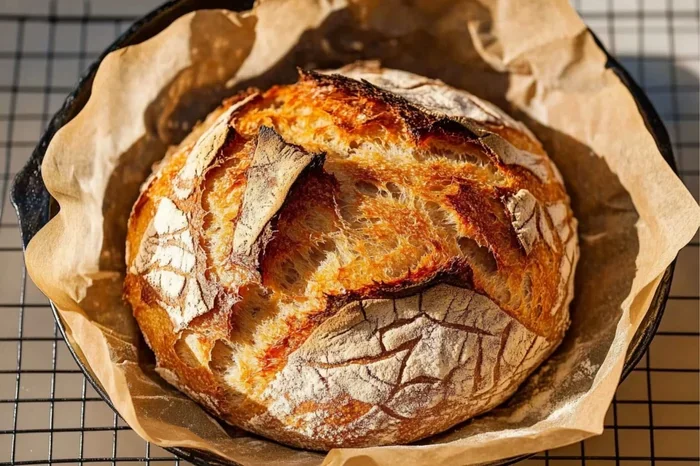
There is something magical about pulling a perfectly baked sourdough bread loaf out of a hot Dutch oven. The crust shatters the moment you touch it. The inside is soft, airy, and full of tiny holes that tell a story of patience and craft. If you have been struggling to get that bakery-quality artisan bread at home, the answer might be simpler than you think.
A Dutch oven is not just another piece of kitchen cookware. It is a game changer for anyone who bakes sourdough bread at home. Whether you are a complete beginner or a seasoned home baker, this one tool can take your loaves from flat and pale to tall, golden, and crusty. In this guide, we will walk you through exactly why you need a Dutch oven for sourdough bread, how it works, and what makes it so much better than other baking methods.
The truth is, most home ovens were not designed to bake artisan bread the way a professional wood-fired oven does. They lack the intense, consistent heat and the steam that bread needs. A Dutch oven solves both of those problems in one simple pot. It creates a mini oven inside your oven, giving your sourdough loaf exactly what it needs to shine.
Key Takeaways
- Steam is the key: A Dutch oven traps moisture and creates the perfect environment for a crispy, golden crust on your sourdough bread.
- Oven spring matters: The enclosed space of a Dutch oven helps your loaf rise beautifully in the oven, giving you that tall, airy crumb.
- Cast iron holds heat: The heavy material maintains steady, even temperatures that regular baking sheets cannot provide.
- You do not need a fancy oven: A Dutch oven makes artisan-quality sourdough bread possible in any standard home kitchen.
- It is simple and affordable: Compared to baking steels or stones, a Dutch oven is a budget-friendly tool that does it all.
- Baking time is shorter: The efficient heat retention means your sourdough bakes faster and more evenly than other methods.
📑 Table of Contents
- What Makes A Dutch Oven Perfect For Sourdough Bread
- How A Dutch Oven Transforms Your Sourdough Loaf
- Dutch Oven Vs Other Baking Methods For Sourdough
- How To Choose The Right Dutch Oven For Sourdough
- Step By Step Guide To Baking Sourdough In A Dutch Oven
- Why Sourdough Bread And A Dutch Oven Are A Perfect Match
- Expert Tips For Dutch Oven Sourdough Success
- Final Thoughts On Why You Need A Dutch Oven For Sourdough Bread
What Makes A Dutch Oven Perfect For Sourdough Bread
The Dutch oven has been around for centuries, but its role in sourdough baking has made it one of the most talked-about tools in the home baking world. Let us break down exactly what makes it so special for baking sourdough bread.
The Steam Trap Effect
One of the biggest secrets behind a great sourdough loaf is steam. During the first part of baking, steam keeps the surface of the dough soft and flexible. This allows the bread to expand fully before the crust sets. A Dutch oven acts like a sealed chamber that traps all the moisture released from the dough. The result is a steamy environment that mimics a professional bread oven right in your kitchen.
Without trapped steam, your sourdough bread crust forms too early. This stops the loaf from expanding properly, and you end up with a flat, dense result. The Dutch oven prevents this by holding in the steam until the crust is ready to crisp up. This is why so many baking experts swear by it for artisan bread at home.
Why Cast Iron Works So Well
Most Dutch ovens are made from cast iron, and that is not an accident. Cast iron is incredibly heavy and dense, which means it holds heat very well. When you preheat a cast iron Dutch oven, it stores a huge amount of thermal energy. The moment your shaped sourdough dough goes into the hot pot, that stored heat hits the dough from all sides.
This even, surround heat is what gives sourdough bread that beautiful, even golden crust. Regular baking sheets only heat from below. A Dutch oven heats from every direction, which leads to more consistent baking results every single time. It also means your bread baking time is often shorter because the heat transfers so efficiently.
How A Dutch Oven Transforms Your Sourdough Loaf
Now that you understand the basics, let us look at the specific ways a Dutch oven improves your sourdough bread. These are the things that make the biggest difference in your final loaf.
Creating A Professional Bakery Crust
The crust of your sourdough bread is what sets it apart from regular sandwich bread. A great crust should be thin, crispy, and deeply caramelized. Getting this at home without a Dutch oven is really difficult. Most home ovens simply do not produce enough direct heat or enough steam to create that professional finish.
A Dutch oven changes the game entirely. The sealed lid traps moisture, and the cast iron radiates intense heat. Together, they create the perfect conditions for a crispy sourdough crust that crackles when you break the loaf apart. This is the same technique that professional bakers use in wood-fired ovens, just adapted for your kitchen.
Understanding Oven Spring
Oven spring is the rapid rise your sourdough loaf undergoes in the first few minutes of baking. It happens when the gases inside the dough expand from the heat. The better your oven spring, the taller and airier your crumb becomes. A Dutch oven is the best tool for maximizing oven spring at home.
Because the Dutch oven holds heat so well, it gives your dough an immediate burst of energy the moment it goes inside. The trapped steam keeps the outer layer of dough soft and stretchy, allowing the loaf to expand freely. Without a Dutch oven, the crust sets too fast and limits how much your bread can rise. This is why sourdough loaves baked in a Dutch oven come out noticeably taller and lighter.
The Even Heat Distribution Advantage
One of the hidden benefits of a Dutch oven is how evenly it distributes heat. Regular baking stones and baking steels are great, but they primarily heat from below. A Dutch oven surrounds your sourdough dough with heat on all sides, including the top (thanks to the lid). This means no hot spots, no uneven browning, and no guessing whether your bread is done on top or underneath.
For home bakers who have dealt with pale tops or burnt bottoms, this even heat is a revelation. Your artisan bread comes out uniformly golden and perfectly baked from edge to center. It is one of the reasons a Dutch oven has become the go-to tool for sourdough baking enthusiasts everywhere.
Dutch Oven Vs Other Baking Methods For Sourdough
You might be wondering how a Dutch oven compares to other ways of baking sourdough bread at home. Let us look at the most common alternatives and see where they fall short.
Baking Stone Comparison
A baking stone is a popular choice for bread baking. It does a decent job of providing bottom heat, and it can help with oven spring to some degree. However, a baking stone does not trap steam. Your sourdough crust will form faster, limiting how much the loaf can expand. The result is often a flatter, denser sourdough loaf compared to what you get from a Dutch oven.
A baking steel is similar but conducts heat even faster. Still, neither a stone nor a steel can replicate the steam-filled environment that a Dutch oven provides. For the best sourdough bread results at home, the Dutch oven wins in nearly every category.
Loaf Pan Limitations
Some home bakers use a standard loaf pan for their sourdough. While this works for sandwich-style bread, it is not ideal for artisan sourdough. A loaf pan restricts the shape of your bread and does not allow for the free expansion that makes sourdough so special. The crust also tends to be soft and pale because the pan blocks steam from escaping and doing its job.
A Dutch oven gives your sourdough bread the freedom to expand naturally. The round shape creates a beautiful boule or batard shape that is the hallmark of great artisan bread. It also allows the crust to develop fully, giving you that signature crackly, golden exterior.
Baking Without Any Special Equipment
Some people try to bake sourdough bread directly on a sheet pan with parchment paper. This is the simplest method, but it produces the weakest results. Without trapped steam or even heat, your loaf will likely be flat, pale, and lacking a proper crust. It is not impossible, but if you want to see what sourdough can truly be, a Dutch oven is essential.
| Baking Method | Crust Quality | Oven Spring | Ease of Use | Cost |
|---|---|---|---|---|
| Dutch Oven | Excellent | Excellent | Very Easy | Moderate |
| Baking Stone | Good | Good | Moderate | Moderate to High |
| Baking Steel | Good | Very Good | Moderate | High |
| Loaf Pan | Fair | Limited | Very Easy | Low |
| Sheet Pan | Poor | Limited | Very Easy | Low |
How To Choose The Right Dutch Oven For Sourdough
Not all Dutch ovens are created equal when it comes to sourdough bread. Choosing the right one makes a big difference in your baking results. Here is what to look for.
Size Matters For Sourdough
For a standard sourdough loaf, you want a Dutch oven that is at least 4 to 5 quarts. This gives your dough enough room to expand without touching the sides too much. A 3.5-quart pot can work for smaller loaves, but a 5-quart Dutch oven is the sweet spot for most home bakers. If you bake larger loaves or bake multiple at once, consider a 6 or 7-quart size.
Material And Brand Considerations
Cast iron is the gold standard for Dutch ovens used in sourdough baking. It retains heat incredibly well and is extremely durable. Brands like Le Creuset and Staub are popular, but there are also excellent budget options from Lodge and other manufacturers. The key is to get a Dutch oven with a tight-fitting lid and sturdy construction. Enamel-coated cast iron is easier to clean, but bare cast iron works just as well for bread baking once it is well seasoned.
Round vs Oval Shape
Most sourdough recipes call for a round boule, so a round Dutch oven is the most common choice. However, if you prefer oval batards or longer loaves, an oval Dutch oven works perfectly. Both shapes perform equally well for steam trapping and heat retention. Choose based on the shape of bread you enjoy baking most.
Step By Step Guide To Baking Sourdough In A Dutch Oven
Now that you know why a Dutch oven is so important, let us look at how to actually use one for sourdough bread. These steps will help you get the best results every time.
Preheating Your Dutch Oven
The most important step is preheating your Dutch oven before the dough goes in. Place your empty Dutch oven with its lid in the cold oven. Then set the temperature to 450 to 500 degrees Fahrenheit and let it preheat for at least 30 to 45 minutes. This gives the cast iron enough time to absorb and store heat. When your sourdough dough is ready, the Dutch oven will be blazing hot and ready to work its magic.
Scoring And Baking Tips
Before baking, score your sourdough loaf with a sharp blade or a lame. This gives the bread a controlled place to expand during oven spring. Carefully remove the hot Dutch oven from the oven, place the scored dough inside, and put the lid back on quickly. The lid traps steam during the first phase of baking, which keeps the crust soft and allows maximum expansion.
After about 20 to 25 minutes with the lid on, remove it to let the crust brown and crisp up. Bake for another 15 to 25 minutes until the sourdough bread is deep golden brown and sounds hollow when you tap the bottom. Let it cool completely on a wire rack before slicing. This is important because cutting into hot bread can make the crumb gummy.
Common Mistakes To Avoid
Even with a Dutch oven, there are a few mistakes that can ruin your sourdough bread. One of the most common is not preheating long enough. A Dutch oven that is not fully preheated will not provide the burst of heat your dough needs for good oven spring. Another mistake is opening the lid too often during baking. Every time you lift the lid, you release the trapped steam that is doing the hard work of keeping your crust soft and flexible.
Some bakers also forget to let their bread cool completely. Cutting into a warm loaf releases steam from the crumb and makes it dense instead of light and airy. Patience is a key ingredient in great sourdough baking, and the Dutch oven rewards those who wait.
Why Sourdough Bread And A Dutch Oven Are A Perfect Match
The relationship between sourdough and a Dutch oven is almost perfect. Sourdough bread relies on a long fermentation process to develop its complex flavor and open crumb structure. The Dutch oven complements this perfectly by providing the ideal baking environment that brings out the best in every sourdough loaf.
The slow fermentation in sourdough creates a dough that is more extensible and flavorful than regular yeast bread. This dough responds beautifully to the intense heat and steam of a Dutch oven. The result is a loaf with a crisp, deeply flavored crust and a tender, hole-filled crumb that is the hallmark of great artisan bread. No other home baking tool comes close to delivering this combination of flavor and texture.
If you have been looking for a way to elevate your home baking and achieve sourdough results that rival your favorite bakery, investing in a Dutch oven is the single best step you can take. It is affordable, versatile, and incredibly effective. Once you bake your first sourdough loaf in a Dutch oven, you will never go back to baking without one.
Expert Tips For Dutch Oven Sourdough Success
Here are a few extra tips from experienced home bakers that will help you get the most out of your Dutch oven for sourdough bread.
- Use a banneton or proofing basket: This helps your sourdough hold its shape before it goes into the Dutch oven. A well-shaped loaf bakes more evenly.
- Try parchment paper: Lining the Dutch oven with parchment makes it much easier to transfer your shaped dough in and out of the hot pot safely.
- Experiment with temperatures: Some bakers start at a higher temperature and reduce it after removing the lid. This gives you both great oven spring and a deeply browned crust.
- Keep your sourdough starter active: A strong, bubbly starter gives your bread the best rise and flavor. Feed it regularly and bake when it is at peak activity.
- Clean your Dutch oven properly: Avoid using soap on cast iron Dutch ovens. Warm water and a stiff brush are usually enough to keep it in great condition for years of bread baking.
Final Thoughts On Why You Need A Dutch Oven For Sourdough Bread
If you love sourdough bread and want to bake it at home, a Dutch oven is not optional. It is essential. The way a Dutch oven traps steam, distributes heat, and creates the perfect baking environment cannot be replicated by any other simple kitchen tool. It is the difference between a flat, pale loaf and a tall, golden, crackly-crusted masterpiece that will have everyone asking for your recipe.
Why do you need a Dutch oven for sourdough bread? Because it gives you bakery-quality results in a standard home oven. It is affordable, easy to use, and produces consistently amazing sourdough every time. Whether you are just starting your sourdough journey or you are a seasoned baker looking to improve your results, a Dutch oven is the one tool that will make the biggest difference.
So go ahead, grab a Dutch oven, feed your sourdough starter, and start baking. Your kitchen is about to smell like a real artisan bread bakery. And once you taste that first slice of perfect sourdough bread with its crispy crust and soft, airy crumb, you will wonder how you ever baked without one.
Frequently Asked Questions
Can I use any Dutch oven for sourdough bread?
Most Dutch ovens work well for sourdough bread, but cast iron is the best choice because it retains heat evenly. Make sure it has a tight-fitting lid and is at least 4 quarts in size. Enamel-coated or bare cast iron both work great for home baking.
Do I really need a Dutch oven to bake sourdough at home?
You can bake sourdough without a Dutch oven, but the results will not be as good. A Dutch oven traps steam and provides even heat, which creates a crispy crust and great oven spring. It is the easiest way to get artisan-quality bread at home.
What size Dutch oven is best for sourdough?
A 5-quart Dutch oven is the most popular size for a standard sourdough loaf. If you bake smaller loaves, a 4-quart pot works well. For larger batches or bigger boule shapes, go with a 6 or 7-quart Dutch oven.
How long should I preheat my Dutch oven before baking sourdough?
Preheat your Dutch oven for at least 30 to 45 minutes at 450 to 500 degrees Fahrenheit. This ensures the cast iron is fully heated and ready to give your sourdough dough the burst of heat it needs for excellent oven spring.
Can I bake sourdough in a Dutch oven without a lid?
The lid is essential during the first part of baking because it traps steam and keeps the crust soft so the loaf can expand fully. You should remove the lid after about 20 to 25 minutes to let the crust brown and crisp up for the remainder of baking.
Is a Dutch oven better than a baking stone for sourdough?
For most home bakers, a Dutch oven is better than a baking stone for sourdough bread. A Dutch oven traps steam and heats from all sides, giving you better crust and oven spring than a stone alone. It is also simpler to use and more forgiving for beginners.
=== CONCLUSION ===
Baking sourdough bread at home is one of the most rewarding things you can do in the kitchen. And a Dutch oven is the tool that makes it all possible. From creating the perfect steamy environment to delivering a crispy, golden crust and beautiful oven spring, the Dutch oven checks every box for sourdough baking. It is affordable, versatile, and incredibly effective. If you have not yet tried baking your sourdough loaf in a Dutch oven, now is the perfect time to start. Your bread will never be the same again.