How To Use Lemons To Clean Oven Quickly And Naturally
Want a clean oven without harsh chemicals? How To Use Lemons To Clean Oven is a quick, natural, and effective method. This guide shows you how to clean oven with lemons in minutes, cutting grease and leaving a fresh citrus scent.
Your oven is one of the hardest-working appliances in your kitchen. It handles pizza, roasts, and baked treats. But over time, grease and food splatters build up. A dirty oven can smell bad and even affect your cooking. Many people reach for harsh chemical cleaners. But there is a better way. You can use lemons to clean oven quickly and naturally. Lemons are cheap, safe, and eco-friendly. They cut through grease with ease. This guide will show you exactly how. You will learn a simple method that works every time. Get ready for a sparkling clean oven with a fresh citrus scent.
Why spend money on expensive sprays? A few lemons can do the same job. The acid in lemons breaks down baked-on food. It also leaves a pleasant smell. This is not just a folk remedy. It is a proven natural oven cleaner. The steam from lemon water loosens grime. Then a quick wipe removes the mess. You can do this in less than an hour. No special skills are needed. Just a few simple steps. Let us dive into the process.
Key Takeaways
- Lemons cut grease naturally: The citric acid in lemons breaks down baked-on grime without toxic fumes.
- It’s a budget-friendly hack: You only need lemons, water, and a little baking soda.
- Quick and easy process: A steam method can loosen grime in under 30 minutes.
- Fresh scent left behind: Lemons deodorize the oven while cleaning it.
- Safe for your home: No harsh chemicals means a safer environment for kids and pets.
- Works on stubborn stains: A lemon paste tackles tough spots with a little elbow grease.
📑 Table of Contents
Why Lemons Work So Well for Oven Cleaning
Lemons are more than a kitchen fruit. They contain citric acid. This acid is a natural degreaser. It dissolves grease and food residue. Unlike chemical cleaners, lemons do not leave toxic fumes. They are completely safe for your home. You can use them around children and pets. The fresh citrus scent also neutralizes odors. A dirty oven often smells like burnt food. Lemons replace that smell with a clean, zesty aroma. This makes your kitchen feel fresh again. The lemon oven cleaning method is gentle on surfaces too. It will not scratch the interior. You get a deep clean without damage.
Using lemons for eco-friendly oven cleaning is smart. Chemical cleaners often contain harsh solvents. They can pollute the air inside your home. Lemon juice is a non-toxic oven cleaner. It breaks down grease naturally. The citrus degreaser power of lemons is well-known. Many professional cleaners use citrus-based solutions. You can do the same at home. It is a homemade oven cleaner that really works. The results are impressive. You will be surprised at how well it performs.
The Science Behind Lemon Power
Citric acid is the key ingredient. It is a natural solvent. It reacts with grease and breaks it apart. The acid also softens baked-on carbon. This makes scrubbing much easier. When you heat lemon water, steam forms. The steam penetrates the grime. It lifts the dirt from the oven walls. This is called the steam cleaning method. It is very effective for oven interior cleaning. The heat opens up the pores of the grease. The acid then dissolves it. You get a deep clean with minimal effort. This is why using lemons to clean oven is so popular.
Benefits Over Chemical Cleaners
Chemical oven cleaners have risks. They release fumes that can irritate your lungs. They often contain ammonia or lye. These are harsh substances. Lemon cleaning avoids all of that. It is a safe oven cleaning method. You do not need to open windows or wear gloves. The process is simple and fast. There is no rinsing required. Lemon water leaves no residue. It is truly a natural oven cleaner. The cost is almost zero. Lemons are affordable and available everywhere. You save money while cleaning effectively.
What You Need Before You Start
Gathering your supplies takes just a few minutes. You do not need anything special. Most items are already in your kitchen. The main ingredient is fresh lemons. You will also need water and a spray bottle. A bowl and a baking tray are helpful. A soft cloth or sponge is essential. Do not use abrasive scourers. They can damage the oven surface. Here is a quick list of what you need.
Ingredients and Tools
- 3-4 fresh lemons – ripe and juicy.
- 2 cups of water – distilled or tap water is fine.
- 1 tablespoon of baking soda – for tough stains.
- A spray bottle – any clean spray bottle works.
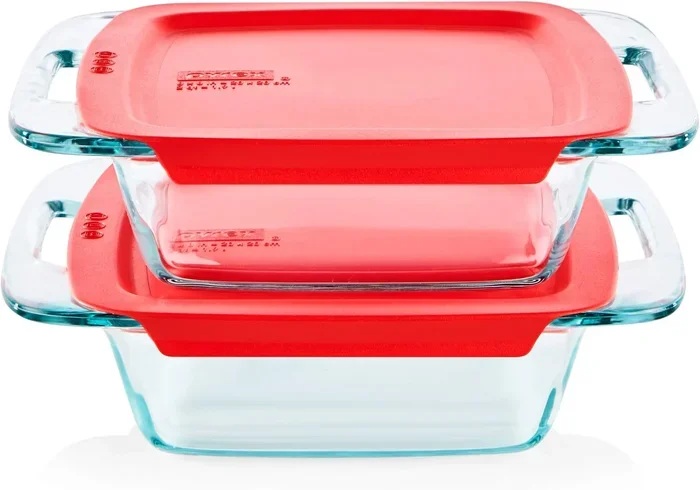
- A heatproof bowl or baking tray – to hold the lemon water.
- A soft microfiber cloth – for wiping.
- A plastic spatula – for scraping loose food.
Quick Tips for Preparation
Before you begin, make sure your oven is cool. Never clean a hot oven. Remove the oven racks. Soak them in warm soapy water separately. This gives you full access to the interior. Squeeze the lemons into a bowl. Add the water and stir. You can also slice the lemon halves. Toss them into the bowl too. The peels add extra cleaning power. The oils in the zest help cut grease. Mix everything well. Your lemon cleaning solution is ready. This homemade oven cleaner is simple but effective.
How To Use Lemons To Clean Oven: Step-by-Step Guide
This is the core of the process. Follow these steps for the best results. The method uses steam to loosen dirt. Then you wipe it away. It is easy and satisfying. You will see a big difference right away.
The Steam Method
- Preheat your oven to 250°F (120°C). Do not go higher. Low heat is all you need.
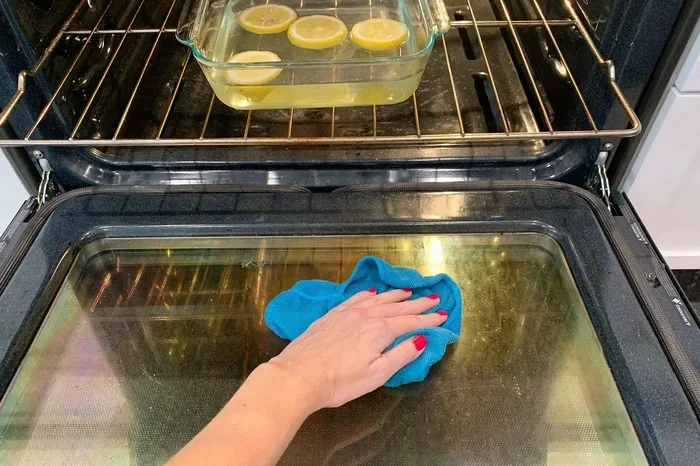
- Pour the lemon water into a heatproof bowl. Place it on the bottom rack of the oven.
- Let it steam for about 15 minutes. The oven will fill with lemon-scented steam.
- Turn off the oven but leave the door closed. Let the steam work for another 15 minutes.
- Open the door carefully. Use oven mitts. The steam will be hot. Let it cool for a few minutes.
- Remove the bowl and take out the racks. You will see the grime is softened.
The steam loosens baked-on food. It makes the cleaning step much easier. You can now wipe the interior with a damp cloth. The grease will come off quickly. This is the magic of using lemons to clean oven. The steam also deodorizes the oven. Any lingering smells are gone.
The Scrub and Wipe Technique
After the steam treatment, you need to wipe the surfaces. Use a soft microfiber cloth. Dip it in the lemon water. Gently wipe the walls and ceiling of the oven. For stubborn spots, make a paste. Mix baking soda with a little lemon juice. Apply the paste to the stain. Let it sit for 5 minutes. Then scrub gently with a damp cloth. The combination of baking soda and lemon is powerful. It acts as a natural abrasive. It lifts dirt without scratching. Wipe away the paste with a clean wet cloth. Repeat if needed. Your oven will look brand new.
Do not forget the oven door. The glass often gets the dirtiest. Use the same lemon water and baking soda paste. Clean the inside and outside of the door. A soft cloth works best for glass. You can also use a squeegee for the door glass. This ensures a streak-free shine. The whole process takes less than an hour. It is a quick oven clean that really works.
Tackling Stubborn Stains with Lemon Power
Sometimes, regular steam and wiping are not enough. Some stains are really baked on. They may be from weeks of cooking. Do not worry. Lemon paste can handle them. This is a deeper cleaning method. It targets the toughest spots. You will need a little more elbow grease. But the results are worth it.
Making a Lemon Paste for Tough Stains
Take the zest from 1-2 lemons. The zest has strong oils. Mix the zest with 2 tablespoons of baking soda. Add just enough lemon juice to form a thick paste. The paste should be like a toothpaste consistency. Apply it directly to the stubborn stains. Cover the area completely. Let the paste sit for 10-15 minutes. The citric acid will work on the grease. The baking soda will absorb odors. After the time is up, scrub the area with a damp cloth. Use circular motions. The stain should lift easily. If it is still there, apply a little more paste. Repeat once or twice. The lemon cleaning solution is strong enough for the job.
Using Heat to Boost the Clean
Heat can enhance the lemon cleaning power. After applying the paste, you can turn the oven on low. Set it to 200°F (90°C) for just 5 minutes. The warmth activates the citric acid. It speeds up the breakdown of grease. Do not overheat. You do not want to burn the lemon paste. Just a gentle warmth helps. After 5 minutes, turn off the oven. Let it cool slightly. Then wipe away the paste. The grime will come off with almost no effort. This is a great trick for oven interior cleaning. It makes the process faster and more effective.
For really burnt-on food, you can also use lemon peels. Toss the peels into the bottom of the oven before steaming. The oils from the peels add extra degreasing power. They also leave a wonderful fresh scent. This is a smart way to use every part of the lemon. The natural oven cleaner method is versatile. You can adapt it to your needs.
Lemon Oven Cleaning vs. Chemical Cleaners
Many people wonder if lemon cleaning really works. It is natural, after all. The answer is yes. It works very well. But how does it compare to store-bought cleaners? Let us look at the differences. This will help you make an informed choice.
| Feature | Lemon Cleaning Method | Chemical Oven Cleaner |
|---|---|---|
| Toxicity | Non-toxic and safe | Contains harsh fumes |
| Cost | Very low (just lemons) | Moderate to high |
| Time Required | 30-45 minutes | 15 minutes (plus soaking) |
| Smell | Fresh citrus scent | Strong chemical odor |
| Surface Safety | Gentle, no scratching | Can damage surfaces if misused |
| Environmental Impact | Biodegradable and eco-friendly | Chemical runoff harms environment |
| Effectiveness on Grease | Excellent with steam and paste | Very strong, but harsh |
As you can see, lemon cleaning wins in many areas. It is safer, cheaper, and smells better. Chemical cleaners may work faster on extreme grime. But they come with risks. Fumes can irritate your eyes and throat. Residue can be harmful if not rinsed well. Lemon cleaning avoids all of that. It is a clean oven naturally approach that you can feel good about. The eco-friendly oven cleaning choice is clear. Lemons are the better option for most households.
Why Choose Natural?
Choosing a natural oven cleaner is better for your health. You breathe in clean air. Your home stays chemical-free. It is also better for the planet. Lemon juice is biodegradable. It does not harm waterways. The homemade oven cleaner method reduces plastic waste too. You reuse a spray bottle. You do not throw away aerosol cans. Small choices make a big difference. Switching to lemon cleaning is a simple step. It makes your home greener. It also saves you money in the long run.
Keeping Your Oven Fresh Between Deep Cleans
A deep clean is great, but maintenance matters too. You can keep your oven fresh with simple habits. Lemon can help with regular care. A little effort goes a long way. This prevents buildup of tough grime. It also keeps your oven smelling nice.
Quick Deodorizing After Cooking
After a big cooking session, your oven may have odors. Place a bowl of lemon water inside. Let it sit for 10 minutes with the oven off. The steam will absorb smells. You can also simmer lemon peels on the stove. This freshens the whole kitchen. It is a simple oven cleaning hack. It takes just a few minutes. The fresh citrus scent replaces any food odors. This is a great way to maintain a clean oven naturally every day.
Monthly Maintenance Routine
Once a month, do a quick wipe down. Remove the racks and wash them. Wipe the interior with lemon water. Use a soft cloth. This prevents grease from hardening. It makes future deep cleans much easier. You can also spray the inside with a lemon-water solution. Mix 1 cup of water with the juice of half a lemon. Spray the surfaces. Let it sit for a few minutes. Wipe it off. This keeps the oven in top shape. The lemon juice cleaner method is perfect for routine care. It takes less than 10 minutes. It is a quick oven clean habit that pays off.
Safety Tips and Common Mistakes
Lemon cleaning is safe, but you should still be careful. Follow these tips to avoid problems. Knowing what not to do is just as important. Let us cover the basics.
What to Avoid
- Never use lemons on a hot oven. The heat can cause steam to burn you. Always let the oven cool completely.
- Do not use lemon on delicate surfaces. Some oven interiors have special coatings. Check your manual first. Lemon is safe for most standard interiors.
- Avoid using too much baking soda paste. A little goes a long way. Excess paste can leave a white residue that is hard to remove.
- Do not mix lemon with bleach. This creates harmful fumes. Stick to lemon and baking soda only.
- Skip abrasive scrubbers. Steel wool or harsh pads can scratch the oven. Use soft cloths or sponges.
Expert Insights
Professional cleaners often share the same advice. They say steam is the secret weapon. The steam cleaning method with lemon is their top tip. They also recommend cleaning spills right away. Do not let food sit for days. A quick wipe after the oven cools prevents buildup. Another expert insight is to use lemon peels. The zest oils add extra cleaning power. They also suggest keeping a lemon in the oven during cooking. It absorbs odors and keeps the oven fresh. This is a simple trick that works wonders. The natural oven cleaner approach is backed by real experience.
Remember, consistency is key. A little lemon cleaning each month prevents tough stains. You will never need a harsh chemical cleaner again. The clean oven naturally method is easy to maintain. It fits into any routine. You will enjoy a fresh-smelling, sparkling oven every day.
Conclusion
How To Use Lemons To Clean Oven is a game-changer. It is simple, effective, and safe. You get a sparkling clean oven without any chemicals. The lemon steam method loosens grease quickly. The paste tackles stubborn stains with ease. You save money and protect your health. This natural oven cleaner is the best choice for your home. You will love the fresh citrus scent. The process is quick and easy. Anyone can do it. Start today and see the difference. Your oven will thank you. Keep it clean, keep it fresh, and enjoy cooking in a sparkling kitchen.
Frequently Asked Questions
Can I use lemon juice instead of whole lemons?
Yes, you can. Fresh lemon juice works just as well. Squeeze the lemons and use the juice with water. The citric acid is the same. You may miss the oils from the zest, but the cleaning power remains strong. It is a great shortcut.
How long does the lemon steam method take?
The steam method takes about 30 minutes total. You steam for 15 minutes, then let the oven sit with the door closed for another 15 minutes. The actual hands-on work is only 10 minutes. It is a very quick oven clean.
Will lemon cleaning remove all baked-on grease?
Most grease will come off easily with steam and wiping. For really tough spots, use a lemon paste with baking soda. Let it sit for 10 minutes. Then scrub gently. The natural acid breaks down the grease effectively.
Is it safe to use lemons in a self-cleaning oven?
You should avoid using any cleaning method during the self-cleaning cycle. The extreme heat can cause fumes. Use the lemon method only after the oven has cooled completely. It is a safe natural oven cleaner for manual cleaning.
Can I leave lemon peels in the oven overnight?
It is not recommended. Lemon peels can dry out and become brittle. They might burn if you turn on the oven later. Use the peels during the steam method only. Remove them after cleaning. This keeps your oven safe and fresh.
How often should I clean my oven with lemons?
A deep clean with lemons every 1-2 months is ideal. For regular maintenance, wipe the interior with lemon water once a month. This prevents buildup and keeps the oven fresh. A little effort goes a long way.