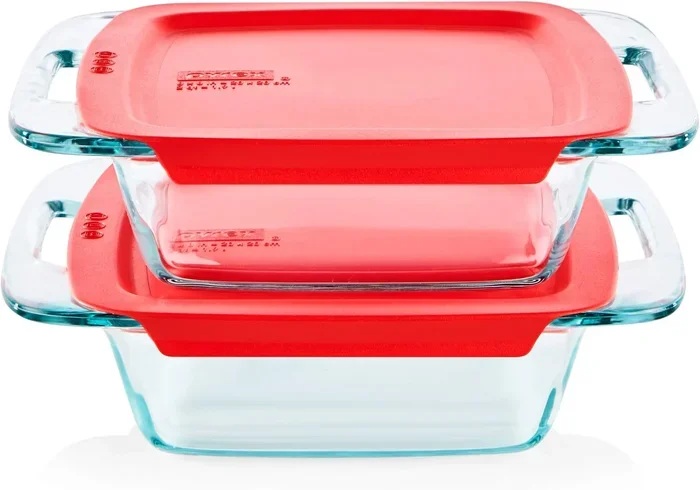
Are Pyrex Glass Dishes Oven Safe What You Need to Know
Are Pyrex Glass Dishes Oven Safe? The short answer is yes, but with important conditions. Pyrex glass bakeware can handle standard oven temperatures, yet thermal shock remains the biggest threat to its durability. Understanding how to properly use and care for your Pyrex dishes will keep them safe and functional for years.
Key Takeaways
- Pyrex is oven safe up to 425°F (220°C): Always stay within this limit to avoid damage.
- Never expose Pyrex to sudden temperature changes: Thermal shock is the leading cause of shattering.
- Do not place cold Pyrex on a hot stove or under a broiler: These direct heat sources are unsafe.
- Inspect your dishes regularly: Chips, cracks, or scratches mean it is time to replace them.
- Let Pyrex cool before washing: Avoid running cold water over hot glass.
- Original Pyrex and modern Pyrex differ: Know which type you own for proper use.
📑 Table of Contents
- Are Pyrex Glass Dishes Oven Safe? Here Is Everything You Need to Know
- Understanding Pyrex Glass and Oven Safety
- What Temperature Can Pyrex Handle?
- Common Mistakes That Damage Pyrex Dishes
- How to Safely Use Pyrex in the Oven
- Pyrex vs Other Glass Bakeware Options
- When to Replace Your Pyrex Dishes
- Conclusion
Are Pyrex Glass Dishes Oven Safe? Here Is Everything You Need to Know
If you love baking casseroles, roasting vegetables, or making desserts, you probably own a Pyrex dish or two. These glass bakeware pieces are kitchen staples in millions of homes. But a question comes up again and again: are Pyrex glass dishes oven safe?
The answer is yes, but it comes with important rules. Not all glass is created equal, and not all oven conditions are safe for your favorite baking dish. Understanding what Pyrex bakeware can and cannot handle will save you from broken dishes, wasted food, and even kitchen injuries.
In this guide, we will walk through everything you need to know about Pyrex oven safety. We will cover temperature limits, common mistakes, proper care, and when it is time to retire an old dish. Whether you are a baking beginner or a seasoned cook, this information will help you use your glass baking dish with confidence.
Let us dive in and make sure your Pyrex dishes are getting the care they deserve.
Understanding Pyrex Glass and Oven Safety
Before you pop your Pyrex into the oven, it helps to understand what it is made of and why that matters. Pyrex glass dishes have a long history, and the material has changed over the decades. Knowing the difference can affect how you use your bakeware.
What Is Pyrex Made Of?
Original Pyrex, made before the 1990s, was crafted from borosilicate glass. This type of glass is famous for its resistance to thermal shock. It can handle sudden temperature changes much better than regular glass. Many collectors and longtime cooks still prefer the old-style Pyrex for this reason.
Modern Pyrex, however, is made from tempered soda-lime glass. This material is strong and durable, but it is more sensitive to rapid temperature shifts. Most Pyrex products sold today fall into this category. The change in material is important for understanding oven safe glass behavior.
Why Does Oven Safety Matter?
Glass bakeware behaves differently than metal pans. Glass heats up more slowly and retains heat longer. This can actually be a benefit for even cooking. But it also means that if the glass gets too hot or cools down too fast, it can crack or shatter.
When you ask are Pyrex glass dishes oven safe, you are really asking about the limits of the material. Stay within those limits, and your Pyrex will serve you well for years. Push past them, and you risk a messy cleanup or even injury from broken glass.
What Temperature Can Pyrex Handle?
This is the most common question people ask about Pyrex glass dishes. The answer depends on a few factors, including the type of Pyrex and what you are doing with it.
The Maximum Temperature for Pyrex
Most modern Pyrex bakeware is rated for oven use up to 425°F (220°C). This is the general guideline from the manufacturer. As long as your oven temperature stays at or below this point, your Pyrex dish should be safe.
Here are some common oven temperatures and how they compare:
- 350°F (175°C): Safe for most baking and roasting tasks.
- 400°F (200°C): Still within the safe range for Pyrex bakeware.
- 425°F (220°C): The maximum recommended temperature.
- 450°F (230°C) and above: Exceeds the safe limit. Do not use Pyrex at these temperatures.
Original Pyrex vs Modern Pyrex
You might hear older cooks say their Pyrex has survived higher temperatures. That is likely true for the original borosilicate glass versions. Those older dishes were more forgiving with heat.
Modern tempered glass Pyrex is still strong, but it has stricter limits. If you inherited a vintage Pyrex dish, treat it with extra care. If you bought it new from the store, stick to the 425°F maximum. When in doubt, check the bottom of the dish for any temperature guidelines printed by the manufacturer.
Can Pyrex Go From Refrigerator to Oven?
This is where things get tricky. Are Pyrex glass dishes oven safe when taken straight from the fridge? The short answer is no. Never place a cold Pyrex dish directly into a hot oven. The sudden change in temperature can cause the glass to crack or explode.
Instead, let the dish come to room temperature first. Take it out of the refrigerator about 30 minutes before baking. This small step makes a big difference in kitchen safety.
Common Mistakes That Damage Pyrex Dishes
Even if your Pyrex is oven safe, certain habits can shorten its life or cause dangerous accidents. Many of these mistakes are easy to avoid once you know what they are.
Thermal Shock: The Biggest Enemy
Thermal shock happens when one part of the glass heats up faster than another part. This creates stress inside the material, which can lead to cracking or shattering. It is the number one reason Pyrex dishes break.
Common causes of thermal shock include:
- Placing a cold dish on a hot oven rack.
- Moving a hot dish to a cold or wet surface.
- Adding cold liquid to a hot Pyrex pan.
- Placing a Pyrex dish under a kitchen broiler.
Avoiding these situations is the best way to protect your glass cookware. Treat your Pyrex gently, and it will last a long time.
Using Pyrex on the Stovetop
Pyrex glass dishes are designed for the oven, not the stovetop. Placing a Pyrex pan on a burner or hot plate can cause it to crack instantly. The direct, concentrated heat from a stovetop is too intense for bakeware glass.
If you need to heat something on the stove, transfer it to a pot or pan made for stovetop use. Pyrex is not a substitute for cookware that is built for direct flame or electric coil contact.
Using the Broiler with Pyrex
The broiler produces intense, direct heat from above. This is far too much for Pyrex glass dishes. The top of the glass can heat up rapidly while the bottom stays cooler, creating dangerous stress.
Never place Pyrex under the broiler. If a recipe calls for a broiler finish, transfer the food to a metal pan first. This is one of the most important Pyrex care tips to remember.
How to Safely Use Pyrex in the Oven
Using Pyrex safely is not complicated. It just requires a little attention to detail. Follow these steps and guidelines to get the best results from your Pyrex bakeware.
Step-by-Step Pyrex Oven Use
Here is a simple process to follow every time you use Pyrex in the oven:
- Check the dish for damage. Look for chips, cracks, or scratches before using it. A damaged dish is more likely to break in the oven.
- Preheat the oven first. Place the oven rack in position and let the oven reach your target temperature before putting the dish inside.
- Place the dish on a dry, room-temperature surface. Use a dry oven mitt or towel when handling the dish. Never place hot Pyrex on a wet or cold countertop.
- Add liquid before baking if the recipe calls for it. If you are roasting something dry, add a small amount of liquid to the bottom of the dish. This helps distribute heat more evenly.
- Keep the oven temperature at or below 425°F. Use an oven thermometer if you are unsure about your oven’s accuracy.
- Let the dish cool before washing. Once you take it out, place it on a dry towel and let it cool completely before washing or submerging it in water.
Pyrex Care Tips for Longevity
Taking care of your Pyrex dishes goes beyond oven use. Proper cleaning and storage also play a role in keeping them safe and functional.
- Wash by hand when possible: While most Pyrex is dishwasher safe, hand washing is gentler and helps prevent micro-damage over time.
- Use non-abrasive sponges: Avoid steel wool or harsh scrubbers that can scratch the glass surface.
- Store carefully: Stack dishes with a cloth or paper towel between them to prevent scratching.
- Do not use damaged dishes: If a dish is chipped or cracked, retire it. A compromised dish is a safety risk in the oven.
Quick Tips for Pyrex Oven Use
Keep these quick reminders in mind every time you bake with Pyrex glass dishes:
- Always let the dish come to room temperature before placing it in the oven.
- Never put a hot Pyrex dish on a cold or wet surface.
- Use oven mitts. Pyrex handles get hot during baking.
- Avoid sudden temperature changes at all costs.
- Follow the manufacturer’s instructions on the bottom of the dish.
Pyrex vs Other Glass Bakeware Options
Pyrex is not the only glass baking dish on the market. Understanding how it compares to other options can help you make informed choices in the kitchen.
Comparing Glass Baking Dishes
There are several types of glass bakeware available. Here is how they stack up:
- Pyrex Tempered Glass: Durable, widely available, oven safe up to 425°F. The most common choice for home bakers.
- Borosilicate Glass (Vintage Pyrex): More resistant to thermal shock. Harder to find but highly prized by collectors and experienced cooks.
- Anchor Hocking Glass: Another popular brand of tempered glass bakeware. Similar oven-safe limits to modern Pyrex.
- Ceramic Bakeware: Heats evenly and looks beautiful for serving. But it is heavier and can be more fragile than glass.
- Metal Pans: Heat up faster than glass and are more durable. However, they do not retain heat as long, which can affect baking results.
Why Choose Pyrex for Baking?
Pyrex glass dishes offer several advantages. They are transparent, so you can watch your food cook. They distribute heat evenly for consistent results. And they are easy to clean. For many home cooks, the benefits of Pyrex bakeware outweigh the limitations.
The key is using them correctly. When you follow the proper guidelines, Pyrex is a reliable and safe choice for oven baking.
When to Replace Your Pyrex Dishes
Even with the best care, Pyrex dishes do not last forever. Knowing when to retire an old dish is an important part of kitchen safety.
Signs Your Pyrex Is No Longer Safe
Watch for these warning signs that your dish needs to be replaced:
- Cracks or chips: Even small cracks can grow during baking and cause the dish to shatter.
- Scratches or cloudiness: Deep scratches weaken the glass structure over time.
- Discoloration: If the glass has turned yellow or cloudy, it may have been exposed to temperatures beyond its limit.
- Warping: If the dish no longer sits flat on the table or counter, the glass has been compromised.
- Previous breakage: If a dish has already cracked or shattered once, do not trust it again.
If you notice any of these signs, it is time to replace the dish. Using a damaged Pyrex dish in the oven is a safety risk that is simply not worth taking.
How Long Does Pyrex Last?
With proper care, a Pyrex glass dish can last for decades. Many people have Pyrex dishes that have been in the family for generations. The key is treating them right. Avoid thermal shock, stay within temperature limits, and store them safely.
If you use your Pyrex regularly, inspect it every few months. Catching damage early can prevent a bigger problem later.
Conclusion
So, are Pyrex glass dishes oven safe? Yes, they are, as long as you follow the rules. Keep your oven temperature at or below 425°F. Never expose your Pyrex to sudden temperature changes. Do not use it on the stovetop or under the broiler. And always inspect your dishes for damage before using them.
Taking care of your Pyrex bakeware is simple. It just requires a little awareness and attention. When you treat your glass dishes with respect, they will reward you with years of reliable, even baking.
Remember that oven safe glass has limits. Understanding those limits is the foundation of safe and successful cooking. Use the tips and guidelines in this article to get the most out of your Pyrex dishes. Your kitchen will be safer, and your baking results will be better.
Now that you know how to use and care for your Pyrex properly, you can bake with confidence. Enjoy your favorite recipes and make the most of this timeless kitchen staple.
Frequently Asked Questions
Can Pyrex go in a preheated oven?
Yes, Pyrex is safe to use in a preheated oven. In fact, placing the dish in a preheated oven is recommended because it avoids the stress of a cold dish meeting a sudden burst of heat. Just make sure the dish is at room temperature before it goes in.
What happens if Pyrex shatters in the oven?
If Pyrex shatters in the oven, it is usually due to thermal shock or exceeding the temperature limit. The glass breaks into small, sharp pieces. Turn off the oven, let it cool, and carefully clean up the debris. Never use a damaged Pyrex dish again.
Is it safe to put hot Pyrex in the dishwasher?
Most modern Pyrex is dishwasher safe, but letting it cool first is the best practice. Placing a very hot Pyrex dish directly into cold dishwasher water can cause thermal shock. Allow the dish to cool on the counter before washing it.
Can I use Pyrex to reheat food in the oven?
Absolutely. Pyrex is excellent for reheating leftovers in the oven. Cover the dish with a Pyrex lid or foil to keep moisture in. Keep the oven temperature moderate, around 350°F, for the best results.
Does Pyrex have a warranty against oven damage?
Pyrex offers a limited warranty on their bakeware. However, damage caused by misuse, such as thermal shock or exceeding temperature limits, is typically not covered. Always follow the manufacturer’s guidelines to keep your warranty valid.
Can I use Pyrex for freezing as well as baking?
Yes, Pyrex glass dishes are safe for both freezing and baking. They are versatile enough to go from the freezer to the oven, but you must let them thaw and reach room temperature first. Never go directly from the freezer to a hot oven.