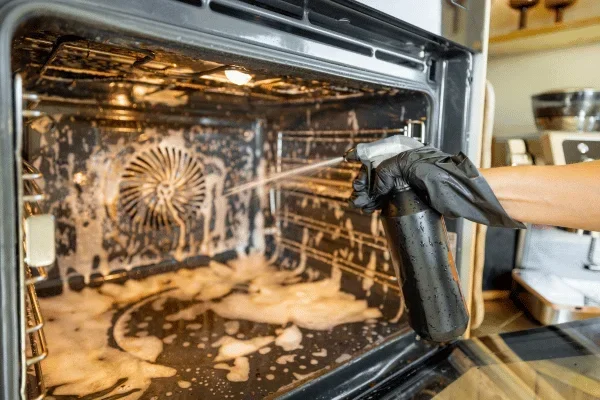
How To Clean Burnt Oven Floor With Easy Cleaning Hacks
Learning how to clean burnt oven floor is easier than you think. You can use simple household items like baking soda, vinegar, and dish soap to tackle tough oven floor stains. These oven cleaning hacks save you money and keep your kitchen fresh without harsh chemicals.
Have you ever opened your oven and been hit by the sight of a black, crusty mess on the floor? Burnt food in oven happens to everyone. Whether you forgot a dish in there too long or dripped grease during a high-heat cook, those stubborn stains can feel impossible to remove.
The good news is that how to clean burnt oven floor does not require expensive products or hours of scrubbing. With the right oven cleaning hacks, you can restore your oven to sparkling condition using items already in your kitchen. This guide walks you through every method, tip, and trick you need for clean oven naturally and safely.
We will cover DIY cleaning solutions, step-by-step instructions, and simple prevention habits. By the end, you will know exactly how to handle oven floor stains and keep your oven looking brand new. Let us get started.
Key Takeaways
- Baking soda and vinegar are the most effective and affordable cleaning burnt oven solutions.
- Soaking oven racks in hot soapy water loosens baked-on grime quickly.
- Preventing burnt messes with foil liners and regular wiping saves future cleaning time.
- Avoiding harsh chemical cleaners keeps your kitchen safe and your oven smell-free.
- Regular oven maintenance makes deep cleaning sessions rare and effortless.
- Steam cleaning is a gentle yet powerful method for greasy oven bottom residue.
- Homemade oven cleaner recipes work just as well as store-bought products.
📑 Table of Contents
Why Your Oven Floor Gets Burnt
Understanding why your oven gets dirty helps you prevent it next time. When food drips or spills, it hits the hot oven floor and carbonizes. This creates black, hardened residue that is tough to wipe away.
Common Causes of Burnt Oven Floors
- Greasy oven bottom buildup from fatty foods like bacon or roasted meats.
- Carbon deposits oven form when sugary or starchy foods spill and burn.
- Burnt food in oven left too long during self-clean cycles or high-temperature cooking.
- Oven grease removal challenges when drips harden over multiple uses.
- Burnt oven smell often comes from old residue heating up again.
Over time, oven floor residue builds up layer by layer. Each cooking session adds another thin coat. This is why regular oven interior cleaning matters so much. A little maintenance goes a long way toward avoiding tough deep cleans later.
Best Cleaning Methods for Burnt Oven Floor
Not all cleaning burnt oven methods are created equal. Some work better for light stains, while others tackle heavy carbon buildup. Here are the most effective approaches you can try right now.
Method 1: Baking Soda and Vinegar Paste
This is the gold standard for easy oven cleaning. Baking soda is a gentle abrasive that lifts stains without scratching. Vinegar adds fizz that breaks down tough grime.
- Mix half a cup of baking soda with two tablespoons of water.
- Spread the paste evenly over the burnt oven floor.
- Let it sit for at least four hours or overnight.
- Spray white vinegar over the paste and watch it fizz.
- Wipe away the loosened grime with a damp cloth.
- Rinse the floor thoroughly with clean water.
This baking soda oven cleaner method works wonders on moderate stains. For heavier buildup, you can double the paste thickness and extend the soak time.
Method 2: Steam Cleaning
Steam is a fantastic way to clean oven naturally without any chemicals at all. The heat and moisture soften burnt-on food, making it easy to wipe away.
- Place a oven-safe dish filled with water on the bottom rack.
- Set your oven to 200 degrees Celsius (400 degrees Fahrenheit).
- Let it run for about 15 minutes until steam fills the interior.
- Turn off the oven and wait 10 minutes with the door closed.
- Remove the dish and wipe the oven floor stains with a clean cloth.
Steam cleaning is perfect for light to medium greasy oven bottom messes. It is also safe for all oven types, including oven self-clean models that you want to avoid using too frequently.
Method 3: Hydrogen Peroxide and Dish Soap
For really tough oven floor residue, hydrogen peroxide adds extra cleaning power. It is a natural bleaching agent that lifts dark stains safely.
- Mix three tablespoons of dish soap with two tablespoons of hydrogen peroxide.
- Apply the mixture directly to the burnt areas.
- Let it sit for 30 minutes.
- Scrub gently with a non-abrasive sponge.
- Wipe clean with a damp cloth.
This oven cleaning solution works well on carbon deposits oven surfaces that refuse to budge. It is stronger than baking soda alone but still much safer than commercial chemical cleaners.
DIY Cleaning Solutions You Can Make at Home
You do not need to buy expensive homemade oven cleaner products. Your kitchen pantry likely has everything you need. Here are three simple recipes for oven grease removal and stain lifting.
Recipe 1: The All-Purpose Oven Floor Cleaner
- Three tablespoons baking soda
- One tablespoon white vinegar
- One tablespoon liquid dish soap
- Warm water to thin the mixture
Combine the baking soda and dish soap first. Add vinegar slowly (it will fizz). Then thin with warm water until you get a spreadable paste. Apply to the burnt oven floor, let it sit for two hours, and wipe clean.
Recipe 2: Lemon and Steam Boost
- Juice of one lemon
- Two cups of water
- Lemon peels for extra fragrance
Place the lemon juice, water, and peels in an oven-safe dish. Heat at 150 degrees Celsius for 20 minutes. The citric acid cuts through grease while the steam loosens grime. This is one of the best oven cleaning hacks for a fresh-smelling oven.
Recipe 3: Ammonia Vapor Method (For Heavy Buildup)
- A small bowl of ammonia
- A damp cloth
- An oven bag or large container
Place the bowl of ammonia on the top rack and a damp cloth on the bottom. Close the oven door and leave overnight. The ammonia fumes break down even the toughest burnt food in oven residue. Wipe everything clean the next morning. Use gloves and ensure good ventilation when using ammonia.
Quick Tip: Always test any cleaning solution on a small hidden area first. This ensures it does not damage or discolor your oven surface.
Step-by-Step Guide to Clean Burnt Oven Floor
Now that you know the methods, here is a complete walkthrough for how to clean burnt oven floor from start to finish. Follow these steps for the best results every time.
Step 1: Remove the Oven Racks
Take out all racks, trays, and any removable parts. You need full access to the oven floor. Soak the racks in hot soapy water while you clean the oven interior. Oven rack cleaning is much easier when the parts are separate.
Step 2: Choose Your Cleaning Method
Pick the method that matches the severity of your oven floor stains. Light residue? Try steam cleaning. Heavy buildup? Go with the baking soda paste or ammonia method.
Step 3: Apply and Let It Work
Spread your chosen cleaning burnt oven solution generously. Do not rush the waiting time. Let the solution penetrate and soften the burnt layers. This is the most important step for oven grease removal.
Step 4: Scrub Gently
Use a non-abrasive sponge or a soft brush. Scrub in circular motions. Do not use steel wool or harsh scrubbers because they can scratch the oven coating. For stubborn spots, reapply the solution and wait another 30 minutes.
Step 5: Wipe and Rinse
Wipe away all the loosened grime with a damp microfiber cloth. Rinse the cloth frequently. Repeat until no residue remains. A clean oven interior cleaning means no white streaks or dark patches.
Step 6: Dry and Replace
Dry the oven floor with a clean towel before replacing the racks. This prevents moisture from trapping odors. Your oven is now ready for its next use.
How to Prevent Burnt Messes in Your Oven
Cleaning is easier when it happens less often. These oven maintenance tips help you avoid heavy burnt oven cleaning sessions in the future.
Use Foil Liners
Place a sheet of aluminum foil on the oven floor before cooking messy foods. The foil catches drips and spills. Just replace the foil after each use. This simple habit makes easy oven cleaning part of your routine.
Clean Spills Immediately
When a spill happens while cooking, let the oven cool slightly, then wipe it up right away. Do not wait until after the food has baked onto the floor. Quick action prevents oven floor residue from hardening.
Use Deep Dishes for Roasting
Deep roasting pans contain drips and juices. They prevent grease from reaching the oven floor. This one change reduces greasy oven bottom buildup significantly.
Run a Self-Clean Cycle Monthly
If you have a oven self-clean feature, use it once a month on a light setting. This burns off light residue before it becomes a thick layer of carbon deposits oven owners struggle with.
Common Mistakes to Avoid When Cleaning Your Oven
Even with the best intentions, people make mistakes that can damage their oven or reduce cleaning effectiveness. Here is what to watch out for.
Using Harsh Chemical Cleaners
Many commercial oven cleaners contain toxic chemicals that leave fumes behind. These fumes can affect your food taste for weeks. Clean oven naturally whenever possible using baking soda, vinegar, or lemon.
Scrubbing Too Hard
Aggressive scrubbing damages the oven lining. It can cause scratches that trap food particles later. Gentle, patient cleaning with the right solution works far better than brute force.
Skipping the Soak Time
The most common cleaning burnt oven mistake is not giving the solution enough time to work. The paste or steam needs time to break down hardened grease. Rushing this step means you will scrub twice as hard for half the results.
Forgetting to Clean the Racks
Dirty racks transfer grime back onto the clean oven floor. Always clean racks separately using hot soapy water or the same baking soda oven cleaner paste you used on the floor.
Ignoring the Burnt Oven Smell
If your oven still smells after cleaning, there is hidden residue somewhere. Check the corners, the back wall, and under the heating elements. A vinegar oven cleaning rinse helps eliminate lingering odors completely.
Expert Insight: Professional cleaners recommend doing a light oven interior cleaning every two weeks. This keeps oven floor stains from building up into major problems. A five-minute wipe-down saves you from a two-hour deep clean later.
Conclusion
How to clean burnt oven floor does not have to be a dreaded chore. With the right oven cleaning hacks and a little patience, you can restore your oven to like-new condition using simple, affordable ingredients. Whether you choose the baking soda oven cleaner method, steam cleaning, or a homemade oven cleaner recipe, each approach delivers excellent results for oven grease removal and stain lifting.
Remember to clean oven naturally whenever possible. Avoid harsh chemicals that leave harmful residues. Follow the oven maintenance tips shared in this guide to prevent heavy buildup before it starts. Regular care makes every future cleaning session faster and easier.
Start with the method that fits your situation best. Try the baking soda paste for moderate stains or steam cleaning for light residue. You will be amazed at how well these simple solutions work. Your oven deserves to be clean, fresh, and ready for your next culinary creation.
Now that you know exactly how to handle burnt oven floor messes, there is no excuse not to tackle that grime today. Grab some baking soda, grab some vinegar, and give your oven the care it needs. Your kitchen will smell better, your food will taste cleaner, and your oven will last longer.
Frequently Asked Questions
Can I use oven cleaner on the oven floor?
Yes, but opt for natural or mild oven cleaners when possible. Harsh chemical oven cleaners can leave toxic fumes that linger in your oven. If you must use a commercial product, choose a non-toxic option and ventilate your kitchen well. Always wipe the floor thoroughly after cleaning to remove any chemical residue.
How long should I let baking soda sit on burnt oven stains?
For best results, let the baking soda paste sit for at least four hours or overnight. The longer it sits, the more the paste breaks down the burnt residue. For light stains, two hours may be enough. For heavy carbon deposits oven buildup, overnight soaking gives the best oven grease removal results.
Is vinegar safe to use inside an oven?
Yes, white vinegar is completely safe and very effective for oven interior cleaning. It cuts through grease, neutralizes odors, and works as a gentle disinfectant. Just avoid mixing vinegar with bleach or ammonia. Use it alone or paired with baking soda for a powerful yet safe cleaning burnt oven solution.
How often should I deep clean my oven floor?
A deep clean every one to two months is ideal for most home cooks. If you cook frequently or use your oven for greasy foods, you may need to clean more often. Regular light cleaning between deep sessions keeps oven floor residue from building up and makes each session much quicker.
What is the easiest way to clean burnt oven floor?
The easiest method is the baking soda and vinegar paste. It requires no special tools, uses items you already have, and works on most stain levels. Simply apply the paste, let it sit, spray vinegar, and wipe clean. This is the go-to easy oven cleaning method for busy home cooks.
Can I use steel wool to scrub my oven floor?
No, avoid steel wool and other abrasive scrubbers on oven floors. They can scratch and damage the oven lining, creating grooves where food and grease accumulate later. Use a soft sponge or non-abrasive brush instead. Let your cleaning burnt oven solution do the hard work so you do not need to scrub aggressively.