How Long To Cook Baked Potato In Microwave And Oven
Wondering how long to cook baked potato in microwave and oven? This guide gives you exact times for both methods so you get a perfectly fluffy interior and crispy skin every time. You’ll learn quick microwave hacks and oven techniques for restaurant-quality results at home.
There is nothing quite like a hot, fluffy baked potato on a chilly evening. Whether you are in a rush or want to slow-cook something delicious, knowing how long to cook baked potato in microwave and oven saves you time and guesswork. This guide walks you through both methods step by step so you can enjoy perfect results every single time.
A russet potato is the go-to choice for baking because its thick skin crisps up beautifully and the inside turns light and fluffy. You can cook it in the microwave for a quick weeknight dinner or use the oven for a more hands-off, classic approach. Both methods produce a tender interior, but the texture of the skin and the overall flavor differ in small but important ways.
In this article, we break down the exact cooking times, temperatures, and prep tips for baked potato microwave and oven-baked potato techniques. You will learn how to prep the potato, what power settings to use, and how to tell when it is perfectly done. By the end, you will never wonder again about the right way to cook a baked potato.
Key Takeaways
- Microwave speed: A baked potato cooks in 5 to 10 minutes in the microwave when you follow the right steps.
- Oven perfection: Oven baking takes 45 to 60 minutes but delivers crispy skin and even fluffier flesh.
- Prep matters: Piercing the skin, using a microwave-safe dish, and rubbing with olive oil make a big difference.
- Know doneness: Use the fork test or a meat thermometer to check if your potato is tender all the way through.
- Toppings elevate: Classic butter, sour cream, cheese, and chives turn a simple potato into a satisfying meal.
- Avoid common errors: Skipping piercing, using low power, or skipping the rest time leads to uneven cooking.
📑 Table of Contents
Microwave Baked Potato: Quick and Easy
The microwave is your best friend when you need a baked potato in under 15 minutes. It is a fast, low-effort method that still delivers a fluffy interior. Once you master the basic steps, you can whip up a hot potato any night of the week.
How to Prep Your Potato for the Microwave
Start by washing your russet potato under cool running water. Use a vegetable brush to scrub away any dirt, then pat it completely dry. A dry surface helps the skin crisp a little even in the microwave. Next, use a fork to pierce the skin several times on all sides. This step is crucial because it lets steam escape and prevents the potato from bursting.
Rub the outside with a thin layer of olive oil and sprinkle salt and pepper evenly. The oil helps the skin dry out slightly, which leads to a better texture. Some people like to add a tiny pinch of garlic powder for extra flavor, but plain salt and pepper work perfectly.
Microwave Cooking Time and Power Settings
Place the prepared potato on a microwave-safe dish. A microwave-safe plate or a shallow glass dish works best. Do not wrap the potato in plastic or foil. Let it cook on high power for 5 minutes, then turn it over carefully. Cook for another 3 to 5 minutes, depending on the size of the potato.
A medium-sized russet potato (about 6 to 8 ounces) will be done in roughly 8 to 10 minutes total. Larger potatoes may need up to 12 minutes. If your microwave has a medium power setting, you can use it for more even cooking, but high power works fine too. The key is to check for tenderness by inserting a fork. If it slides in smoothly, your microwave baked potato is ready.
Let the potato rest for 2 minutes after cooking. This allows the heat to distribute evenly inside. Be careful when handling the dish; it will be hot. Use a towel or oven mitt to hold the potato while you slice it open.
Oven-Baked Potato: The Classic Method
The oven method takes longer, but it gives you that satisfying crispy skin and a uniformly fluffy interior. It is the traditional way to bake a potato, and many people swear by the flavor it produces. The oven also frees up your microwave for other tasks while the potato cooks slowly.
Choosing the Right Potato
Stick with russet potatoes for oven baking. Their high starch content and thick skin create the ideal contrast between a crunchy exterior and a soft, mealy inside. Avoid small or waxy potatoes like red or fingerling types for a classic baked potato; they tend to stay waxy and do not get as fluffy.
Look for potatoes that are roughly the same size so they cook evenly. A good-sized russet will be about 6 to 10 ounces. Wash and dry them thoroughly, then pierce the skin with a fork several times, just as you would for the microwave method.
Oven Temperature and Baking Time
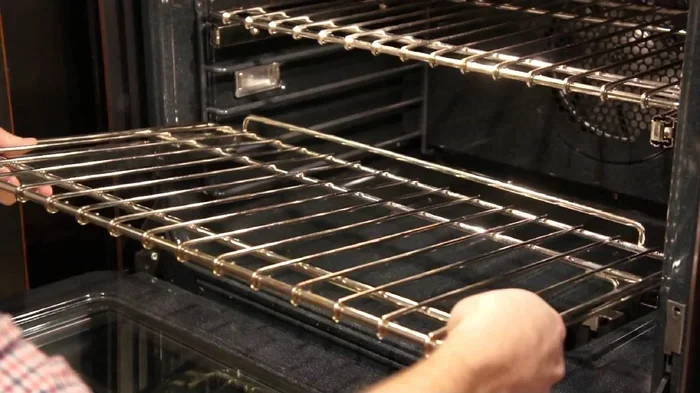
Preheat your oven to 425 degrees Fahrenheit (220 degrees Celsius). A hot oven is essential for crispy skin. Place the potatoes directly on the oven rack or on a baking sheet lined with parchment paper. If you use a baking sheet, you can also add a little olive oil and salt to the sheet before placing the potatoes for extra crispiness.
Bake the potato for 45 to 60 minutes. The exact time depends on the size of the potato and your oven’s accuracy. A large potato may need the full hour, while a medium one could be done in 45 minutes. You will know the oven-baked potato is ready when the skin is tight and wrinkled, and a fork slides in with no resistance.
For an extra-crispy skin, remove the potatoes after 40 minutes and increase the oven temperature to 450 degrees Fahrenheit for the last 10 minutes. This blast of high heat crisps up the exterior beautifully. Let the potato rest for 5 minutes before cutting it open to avoid burning your fingers.
Microwave vs Oven: Which Method Wins?
Both methods produce a delicious baked potato, but they serve different needs. The microwave is unbeatable for speed, while the oven wins on texture and flavor. Understanding the differences helps you choose the right method for your situation.
Speed Comparison
If you are hungry and short on time, the microwave is the clear winner. A potato is ready in 8 to 10 minutes, compared to 45 to 60 minutes in the oven. The microwave uses less energy too, which can matter if you are trying to keep your electricity bill low. For a quick weeknight dinner or a side dish in a hurry, the microwave baked potato cannot be beat.
The oven takes longer, but it requires almost no attention once you set the timer. You can prep other parts of your meal while the potato bakes slowly. This hands-off approach makes the oven method great for dinner parties or when you are cooking multiple dishes at once.
Texture and Flavor Differences
The oven-baked potato has a much crispier, thicker skin because the dry heat of the oven dehydrates the surface evenly. The inside is fluffy and light, with a consistent texture from edge to center. The microwave version can have slightly softer skin and a marginally less even texture, but it is still fluffy and delicious.
Flavor-wise, the oven version wins for a plain baked potato because the slow caramelization of the starches adds a subtle nutty taste. The microwave does not brown the skin as much, so the flavor is a bit more muted. However, with the right toppings, both methods taste fantastic.
| Factor | Microwave | Oven |
|---|---|---|
| Cooking Time | 5–10 minutes | 45–60 minutes |
| Skin Texture | Softer, less crispy | Thick, crispy, and wrinkled |
| Interior Fluffiness | Fluffy, but slightly less even | Very fluffy and uniform |
| Hands-On Effort | Low, but needs flipping | Very low, set and forget |
| Best For | Quick meals, weeknights | Dinner parties, classic results |
How to Tell When Your Baked Potato Is Done
Knowing when your potato is perfectly cooked is just as important as the cooking time itself. An undercooked potato is hard and dense, while an overcooked one turns mealy and dry. A few simple checks ensure you always hit the sweet spot.
The Fork Test
The easiest way to check doneness is the fork test. Gently squeeze the sides of the potato with an oven mitt or towel. If it gives slightly and feels soft all the way through, it is done. You can also insert a fork or sharp knife into the center. If it slides in smoothly with no resistance, the baked potato is ready.
Be careful when squeezing; hot steam will escape from the piercing holes. Use a thick towel to hold the potato, and keep your face away from the opening. If the fork meets firm spots, return the potato to the microwave or oven for a few more minutes.
Internal Temperature Check
For the most accurate result, use a meat thermometer. Insert the probe into the center of the potato. The internal temperature should reach 210 degrees Fahrenheit (99 degrees Celsius). This is the ideal temperature for a fluffy, fully cooked russet potato. If you do not have a thermometer, rely on the fork test and the visual cues of wrinkled skin and slight give.
Perfect Toppings and Serving Ideas
A plain baked potato is wonderful on its own, but toppings turn it into a complete meal. The fluffy interior acts like a blank canvas for butter, cheese, and all your favorite flavors. Here are some classic and creative ideas to try.
Classic Butter and Sour Cream
The simplest and most satisfying way to enjoy a baked potato is with a generous pat of butter and a dollop of sour cream. Cut a cross in the top of the potato and squeeze the ends to open it up. Add a large knob of butter, let it melt into the fluffy flesh, then add a generous spoonful of sour cream. Season with salt and pepper and a sprinkle of chopped chives for a fresh bite.
Loaded Baked Potato Variations
For a heartier dish, try a loaded baked potato. Add cooked bacon bits, shredded cheddar cheese, and a scoop of sour cream. Some people love to add steamed broccoli or sautéed mushrooms for extra nutrition. A drizzle of olive oil and a dusting of garlic powder can elevate any combination. If you have leftover baked potato from the night before, you can reheat it in the microwave or oven for a quick meal the next day.
Another popular option is the loaded potato bar for gatherings. Set out bowls of butter, sour cream, grated cheese, chopped chives, bacon bits, and diced chives. Let everyone build their own perfect potato. It is fun, interactive, and always a crowd-pleaser.
Common Mistakes to Avoid
Even with a simple recipe, small mistakes can lead to disappointing results. Avoiding these pitfalls ensures your baked potato comes out perfect every time.
Skipping the Piercing Step
One of the most common errors is forgetting to pierce the potato skin. When a potato heats up, steam builds up inside. Without holes, the steam has nowhere to go, and the potato can burst open in your microwave or oven. This is not dangerous, but it makes a mess and can unevenly cook the potato. Always use a fork to poke several deep holes in the skin before cooking.
Overcooking or Undercooking
Overcooking dries out the interior, leaving it mealy and flavorless. Undercooking leaves hard, dense spots in the center. To avoid this, start checking for doneness a few minutes before the suggested time. Every microwave and oven is different, so adjust based on your appliance’s power. If you are unsure, use the fork test and the internal temperature method for the most reliable results.
Using the Wrong Potato Type
Waxy potatoes like red or new potatoes do not bake as well as russet potatoes. They hold too much moisture and have a waxy texture that does not become fluffy. Stick with high-starch russet or Idaho potatoes for the best baked potato experience. If you want a slightly different flavor, you can try a Yukon Gold, but the texture will be a bit denser.
Expert Tips for the Best Baked Potato
A few extra steps can take your baked potato from good to great. These expert tips help you achieve consistent, restaurant-quality results at home.
First, soak the prepared potato in cold water for 30 minutes before cooking. This removes excess surface starch and helps the skin crisp up more in the oven. Dry the potato thoroughly before rubbing with oil and salt. Second, rotate the potato halfway through cooking in the microwave or oven. This promotes even cooking and prevents one side from becoming overcooked while the other stays hard.
Third, use a baking sheet or a wire rack in the oven. Elevating the potato allows hot air to circulate all around it, which speeds up cooking and crisps the skin evenly. For the microwave, placing the potato on a paper towel-lined plate absorbs excess moisture and helps keep the skin from getting soggy.
Finally, if you are cooking multiple potatoes, make sure they are not touching. Crowding the oven or microwave plate blocks heat circulation and leads to uneven results. Give each potato plenty of space so air can flow freely around it.
Conclusion
Knowing how long to cook baked potato in microwave and oven gives you the freedom to choose the right method for any occasion. The microwave delivers a fluffy, tender potato in minutes, while the oven creates a crispy-skinned classic with a rich, even texture. Both methods are simple, and with the prep tips and cooking times shared here, you can master them both.
Remember to pierce the skin, use olive oil and salt, and always check for doneness with the fork test or a thermometer. Top your potato with butter, sour cream, cheese, or your favorite loaded toppings for a meal that feels both comforting and satisfying. Whether you are cooking for one or feeding a crowd, a perfectly baked potato is a timeless side dish that never disappoints.
Next time you crave a baked potato, skip the takeout and make it yourself. With the right technique and a little practice, you will enjoy a hot, fluffy, crispy-skinned potato that tastes better than any restaurant version. Happy cooking!
Frequently Asked Questions
Can I bake a potato in the microwave without poking holes?
No, always poke holes with a fork before microwaving. The steam inside the potato needs an escape route, or it can burst open and make a mess. Piercing also helps the potato cook more evenly from the inside out.
How do I reheat a leftover baked potato?
Reheat in the microwave for 1 to 2 minutes on medium power, or wrap it in foil and place it in a 350-degree oven for 15 minutes. The microwave is faster, but the oven helps restore the crispy skin.
What is the best potato type for baking?
Russet potatoes are the best choice because of their high starch content and thick skin. They become fluffy inside and develop a crispy exterior when baked properly. Avoid waxy red or fingerling potatoes for a classic baked potato.
Can I bake multiple potatoes at once in the oven?
Yes, you can bake several potatoes at the same time. Just make sure they are not touching and place them on separate oven racks or a large baking sheet. A standard oven can usually handle 4 to 6 medium potatoes comfortably.
Why is my microwave baked potato hard in the middle?
This usually means the potato was not cooked long enough or was too large. Larger potatoes need more time, and flipping them halfway through helps. Let the potato rest for a couple of minutes after cooking to allow heat to distribute evenly.
Is it safe to microwave a potato in plastic wrap?
No, do not use plastic wrap in the microwave. It can melt and release harmful chemicals. Always use a microwave-safe dish or a paper towel-lined plate to cook your potato safely.