Correct Way Up for Oven Shelves and Why It Matters
Many people don’t realize that the correct way up for oven shelves can change your cooking results completely. Putting racks in the wrong position leads to uneven browning, burnt bottoms, and wasted ingredients. This guide explains everything you need to know about correct way up for oven shelves and how small adjustments make a big difference.
Have you ever pulled a tray of cookies out of the oven only to find one side burnt and the other pale? Or maybe your roast chicken came out perfectly golden on top but raw on the bottom? The problem might not be your recipe. It could be the correct way up for oven shelves. This is one of those kitchen secrets that most people overlook, yet it makes a massive difference in how your food turns out.
Understanding correct way up for oven shelves is simple once you know what to look for. Your oven racks are not symmetrical. They have a raised lip, a smooth side, and a ridged side. Each part serves a purpose. When you place the rack the right way, hot air flows properly, food cooks evenly, and cleanup becomes easier. When you get it wrong, you invite uneven cooking, stuck-on grime, and frustrating kitchen disasters.
This article covers everything you need to know about correct way up for oven shelves. We will walk through the basics, explore why orientation matters, share common mistakes, and give you practical tips for every type of cooking task. By the end, you will never second-guess your rack placement again.
Key Takeaways
- The correct way up for oven shelves means the raised lip faces upward to catch drips and allow proper airflow.
- Proper oven shelf placement ensures even heat distribution and better baking results every time.
- Wrong rack orientation causes uneven cooking, poor browning, and longer cook times.
- Different cooking tasks need different shelf positions for the best outcomes.
- Simple oven rack tips can save you from ruined meals and wasted energy.
- Regular oven maintenance includes checking that your shelves are positioned correctly.
- Small changes in rack placement lead to noticeably better food quality.
📑 Table of Contents
What Is the Correct Way Up for Oven Shelves
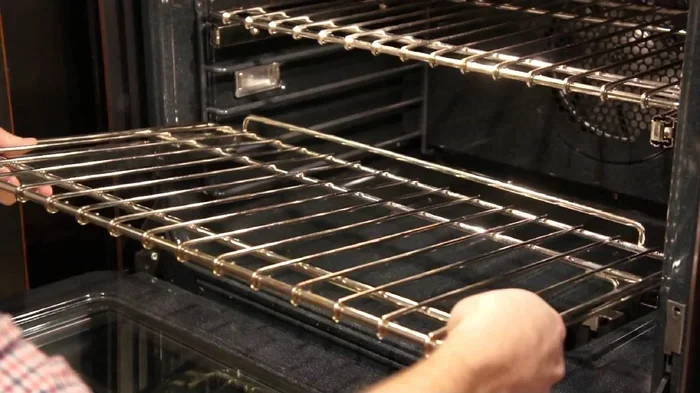
The correct way up for oven shelves is straightforward. The raised lip, also called the rim or edge, should face upward. This creates a small wall that keeps food from sliding off the rack. It also catches drips from meats and baked goods, protecting the bottom of your oven from spills and grease buildup.
When you look at an oven shelf from the side, you will notice one side has a slightly higher edge than the other. That higher side should always face up. The smoother, flatter side goes against your baking tray or cooking dish. This setup gives your food a stable surface while letting hot air circulate freely underneath.
Why the Lip Matters
The lip on an oven shelf does more than just hold food in place. It plays a key role in heat circulation inside your oven. When the lip faces up, it helps direct hot air across the surface of your food. This promotes even browning and consistent cooking. Without the lip in the right position, hot air can get blocked or redirected in ways that create cold spots and hot spots.
Think of it like a windbreak. The lip slows down the upward rush of heat just enough to let it spread sideways across your food. This gentle redistribution is what helps your cakes rise evenly and your cookies bake to a uniform golden color. It is a small design feature with a big impact on oven cooking performance.
Why Oven Shelf Orientation Matters
Placing your oven racks in the correct way up for oven shelves is not just a minor detail. It directly affects how your food cooks. Wrong orientation leads to a range of problems that can ruin even the best recipes.
Even Heat Distribution
Your oven heats from the bottom and top elements. Heat distribution depends on how air moves inside the cavity. When shelves face the right way, they act as barriers that help bounce heat around the oven. This creates a more balanced cooking environment. When shelves are upside down or sideways, they disrupt this flow and create uneven temperatures.
For example, a rack placed upside down can block heat from rising properly. This means the top of your food stays cold while the bottom burns. The correct way up for oven shelves prevents this by allowing heat to move freely and evenly around your dishes.
Better Browning and Crisping
If you love crispy roast potatoes or well-browned bread, shelf orientation matters a lot. The smooth side of the rack should face down, touching your baking tray. This gives your food maximum contact with the heat source. The result is better food browning and a more appealing texture on the bottom of whatever you are cooking.
When the ridged or curved side faces down, it creates air pockets between the tray and your food. These pockets block direct heat and lead to pale, soggy bottoms. Flipping the rack to the correct way up for oven shelves position solves this problem instantly.
Easier Cleanup
Nobody enjoys scrubbing baked-on grease from oven shelves. The correct way up for oven shelves actually helps with cleanup too. When the lip faces up, drips collect in the small space between the lip and the oven floor. This keeps the main cooking surface cleaner. When you pull the shelf out, most debris stays put instead of spreading across the bottom of the oven.
Over time, this small difference adds up. Your oven stays cleaner for longer, and deep cleaning sessions become less frequent and less intense. It is one of those kitchen maintenance habits that pays off quickly.
Common Mistakes People Make with Oven Racks
Even experienced cooks get oven shelf placement wrong from time to time. Here are the most common mistakes and how to avoid them.
Placing Racks Upside Down
This is the number one mistake. Some people assume both sides of the shelf look the same, so it does not matter which way up it goes. But it absolutely does. Placing the shelf upside down means the curved or ridged side faces your food. This creates gaps that block heat and lead to uneven cooking. Always check that the lip faces upward before loading your oven.
Using the Wrong Rack Level
Even with the shelf facing the right way, putting it at the wrong height causes problems. The middle oven rack is generally the best spot for most baking and roasting. It allows hot air to surround food evenly from all sides. The bottom oven rack works well for dishes that need intense bottom heat, like pizza or crusty bread. The top oven rack is ideal for dishes that need strong top browning, such as gratins and broiled items.
Overcrowding the Shelves
Stuffing too many trays onto one shelf blocks heat circulation. Air cannot flow properly, and your food steams instead of baking. Leave space between trays and between food items. A good rule of thumb is to leave at least a few inches of clearance on all sides. This lets hot air move freely and gives you bake evenly results every time.
Ignoring Shelf Condition
Warped, bent, or rusted shelves do not work properly even when placed correctly. A damaged shelf wobbles, creating uneven gaps that mess with airflow. Check your shelves regularly for signs of wear. Replace them if they are bent out of shape or heavily corroded. Good oven maintenance includes keeping your racks in proper condition.
How to Position Oven Shelves for Different Cooking Tasks
Different cooking tasks need different oven shelf placement strategies. Here is a practical guide to help you get the best results every time.
Baking Cakes and Cupcakes
For cakes and cupcakes, place the rack in the middle oven rack position. This gives your batter even heat from above and below. The correct way up for oven shelves ensures the lip catches any overflow and prevents it from dripping onto the oven floor. Your cakes will rise evenly and develop a uniform golden top.
Quick Tip: Rotate your cake pans halfway through baking. This compensates for any minor hot spots in your oven and helps the cook evenly result you want.
Roasting Meat and Vegetables
For roasting, the middle oven rack works best for most cuts. The lip on the shelf holds any juices in place, preventing them from dripping onto the heating element and causing smoke. If you are roasting vegetables on a sheet pan, place the pan directly on the shelf with the smooth side down.
For larger roasts like a whole chicken or pork loin, use the middle rack and make sure there is enough clearance above the food for hot air to circulate. This promotes crispy skin and juicy meat throughout.
Baking Bread and Pizza
Bread and pizza need intense bottom heat for a crispy crust. Move the rack to the bottom oven rack position. Place a baking stone or steel on the shelf if you have one. This stores heat and transfers it directly to the bottom of your dough. The correct way up for oven shelves ensures the lip does not interfere with the heat transfer.
For pizza, you can also use the oven tray up or down trick. Place a baking tray on the bottom rack to catch drips, and bake the pizza directly on the middle rack for the best results.
Broiling and Grilling
When broiling, move the rack to the top oven rack position. The food needs to be close to the top heating element for that intense, direct heat. Always use a baking tray or foil-lined pan to catch any dripping fat. The shelf orientation still matters here, as the lip prevents flare-ups from dripping onto the heating element.
Expert Tips for Better Baking and Cooking Results
Want to take your oven cooking to the next level? These expert tips will help you get the most out of every session.
Use an Oven Thermometer
Many ovens run hot or cold, and the built-in thermometer is not always accurate. Place a standalone oven thermometer inside to check the real temperature. This small tool helps you adjust your cooking times and temperatures for better results. It is one of the best cooking tips for any home baker.
Preheat Properly
Always preheat your oven for at least 15 to 20 minutes before cooking. This allows the oven walls and shelves to absorb heat. When you place food on a preheated shelf, it starts cooking immediately. The correct way up for oven shelves ensures the preheated surface transfers heat evenly to your food from the start.
Invest in Quality Baking Sheets
Thin, flimsy baking sheets warp in high heat. This creates uneven cooking surfaces and hot spots. Invest in heavy-gauge baking sheets or aluminum pans. They hold heat better and distribute it more evenly across the food sitting on top. Combined with proper oven shelf placement, quality bakeware makes a noticeable difference.
Clean Shelves After Every Use
Grease and food residue build up on oven shelves over time. This layer acts as insulation and reduces heat transfer. Wipe down your shelves after each use while they are still warm. For deeper cleaning, remove the shelves and soak them in warm soapy water. Clean shelves conduct heat better, which means improved oven cooking performance over time.
Consider Convection Settings
If your oven has a convection feature, use it. Convection fans circulate hot air around the oven cavity, which dramatically improves heat distribution. When using convection, the correct way up for oven shelves still matters, but the fan helps compensate for minor placement errors. Convection is especially great for roasting and baking multiple trays at once.
How to Tell If Your Oven Racks Are in the Wrong Position
Sometimes you do not realize your racks are wrong until you see the results. Here are signs that your oven shelf placement needs adjusting.
- Food browns on one side only. This usually means the shelf is upside down or the rack position is too high or too low.
- Bottom of food is burnt but top is undercooked. The rack is likely too close to the bottom heating element or the shelf is facing the wrong way.
- Food takes longer to cook than the recipe says. Blocked airflow from wrong shelf orientation slows down cooking and extends bake times.
- Visible smoke or burning smells. Drippings hitting the heating element mean the shelf lip is not catching them properly.
- Uneven rising in baked goods. Cakes and muffins that rise lopsided often have an airflow problem caused by incorrect rack placement.
If you notice any of these issues, check your shelf orientation first. The correct way up for oven shelves fixes many common cooking problems without you needing to change a single ingredient or recipe.
Conclusion
The correct way up for oven shelves is one of the simplest yet most impactful changes you can make in your kitchen. It takes just a few seconds to check the orientation of your racks before each cook, but the results speak for themselves. Better browning, even cooking, easier cleanup, and improved oven cooking performance are all within reach when you get this small detail right.
Remember, the lip goes up, the smooth side goes down, and the rack level matches your cooking task. These tiny adjustments add up to noticeably better meals and fewer kitchen frustrations. Start paying attention to your shelf placement today, and you will wonder how you ever cooked without this knowledge.
Correct way up for oven shelves is not just a tip. It is a habit that transforms the way you cook. Share this guide with friends and family who love baking and roasting. Everyone deserves to get the best results from their oven, and now you can show them how.
Frequently Asked Questions
Can I place oven shelves upside down by mistake?
Yes, it happens to everyone. If you realize your shelf is upside down, simply flip it over and reposition it with the lip facing up. This one adjustment often fixes uneven cooking and poor browning problems instantly. Always double-check shelf orientation before preheating your oven.
Does oven rack position affect how long food takes to cook?
Absolutely. Wrong shelf placement can block heat circulation and cause food to cook unevenly or take longer. The correct way up for oven shelves combined with the right rack height ensures hot air flows freely around your food, reducing cook times and improving results.
Should I remove oven shelves when broiling?
It depends on what you are broiling. For most tasks, keep the shelf in place with the lip facing up. However, for very high-heat broiling, some people prefer to remove lower shelves to prevent grease drips from reaching the heating element. Always check your oven manual for specific guidance on safe oven shelf placement during broiling.
How often should I clean my oven shelves?
You should wipe down shelves after every use and do a deep clean at least once a month. Regular cleaning removes grease buildup that acts as insulation and reduces heat distribution. Clean shelves also make it easier to spot any warping or damage that could affect your bake evenly results.
Is the correct way up different for gas and electric ovens?
The correct way up for oven shelves is the same for both gas and electric ovens. The lip always faces up and the smooth side goes against your food. The main difference is in how heat is generated, but shelf orientation principles remain consistent across both types.
Can warped oven shelves still work properly?
Warped shelves can still function, but they do not perform as well. A bent shelf creates gaps that disrupt heat circulation and lead to uneven cooking. If your shelves are significantly warped, replacing them is the best solution. New shelves are affordable and make a real difference in oven cooking performance.