My Gas Oven Is Not Working Try These Simple Fixes Today
My Gas Oven Is Not Working is a frustrating problem, but the good news is that many common causes have easy fixes you can do yourself. From a dirty igniter to a tripped gas valve, this guide walks you through the most likely reasons your oven stopped heating and how to solve each one. You will learn quick troubleshooting steps, when to call a pro, and simple prevention tips that keep your oven running smoothly for years.
Key Takeaways
- Check the gas supply first: A closed valve or tripped breaker is the most common reason a gas oven stops working.
- Clean the igniter and burner ports: Grease and food debris often block gas flow and spark ignition.
- Test the igniter with a multimeter: A weak igniter may glow but fail to light the oven.
- Know when to call a technician: Gas valve issues and control board problems require professional help.
- Prevent future problems: Regular cleaning and annual inspections keep your gas oven in top shape.
- Safety always comes first: If you smell gas, leave the house and call your gas company immediately.
📑 Table of Contents
- Why Your Gas Oven Might Stop Working
- Common Signs Your Gas Oven Has a Problem
- Simple Fixes You Can Do Right Now
- When to Call a Professional
- How to Prevent Gas Oven Problems
- Quick Tips for Gas Oven Troubleshooting
- Common Mistakes People Make When Their Oven Stops Working
- Expert Insights on Gas Oven Maintenance
- Key Takeaways
- Conclusion
Why Your Gas Oven Might Stop Working
A gas oven that won’t turn on is more common than you think. Whether you are trying to bake cookies or roast a chicken, a dead oven throws off your whole day. The good news is that most causes are simple and fixable without a technician.
Before you panic, take a deep breath. Many people assume the worst when their gas oven is not working. But in most cases, the problem is something minor like a tripped breaker, a dirty igniter, or a closed gas valve. Understanding the basics of how your oven works helps you narrow down the issue fast.
Your gas oven relies on a few key parts to function. The gas supply brings fuel to the oven. The igniter creates a spark to light the gas. The burner distributes heat evenly. The control board manages the temperature. When any one of these parts fails, your oven stops heating. Let us look at each one and what you can do about it.
How a Gas Oven Heats Up
When you turn on your oven, the control board sends power to the igniter. The igniter glows hot and opens the gas valve. Gas flows out and meets the spark. Boom, your oven is heating up. This whole process takes about 30 to 60 seconds. If any step in this chain breaks, the oven will not work.
The most common breakdown points are the igniter, the gas valve, and the burner assembly. These parts wear out over time, especially if you use your oven frequently. Regular use means more wear, which means more chance of a breakdown. But that does not mean you need a replacement right away.
Common Signs Your Gas Oven Has a Problem
Catching problems early saves you time and money. Your oven usually gives you warning signs before it completely stops working. Learning to read these signals helps you act fast.
Oven Not Heating at All
This is the most obvious sign. You turn the dial, set the temperature, and nothing happens. No glow from the igniter. No sound. No heat after several minutes. This usually points to a gas supply issue or a dead igniter.
Oven Takes Too Long to Heat
If your oven is warm but takes forever to reach the set temperature, the igniter might be weak. A failing igniter still glows but does not get hot enough to open the gas valve fully. This causes slow preheating and uneven cooking results.
Oven Heats Unevenly
One side of the oven is hot and the other is cold? This could be a burner issue. The burner ports might be clogged with grease or food residue. When gas cannot flow evenly through the ports, you get hot spots and cold zones inside the oven.
Gas Smell Coming from the Oven
A slight gas smell when you first turn on the oven is normal for a brief second. But if the smell lingers or gets stronger, stop using the oven immediately. This could mean a gas leak or a faulty gas valve. Safety should always come first.
Oven Makes Clicking Sounds but Won’t Light
Clicking sounds mean the spark electrode is trying to ignite the gas. If you hear clicking but see no flame, the igniter might be blocked, the gas valve might be closed, or the gas supply might be low. This is a clear signal that something is wrong with the ignition system.
Simple Fixes You Can Do Right Now
Many oven problems have straightforward solutions. Before you call anyone, try these basic troubleshooting steps. You might be surprised how often the fix is something simple you can do in minutes.
Fix 1: Check the Gas Supply Valve
This is the first thing you should do when your gas oven is not working. Look behind the oven for the gas supply valve. Make sure it is fully open. Sometimes the valve gets bumped or accidentally turned off during cleaning or moving the oven.
Also check your home’s main gas valve. If you have a gas shutoff switch near the oven, make sure it is in the on position. It sounds silly, but a closed valve is one of the top reasons ovens stop working. Many people overlook this simple step.
Fix 2: Check the Circuit Breaker
Even though your oven runs on gas, it still needs electricity for the igniter, control board, and clock. Go to your electrical panel and check if the breaker for the oven has tripped. If it has, flip it back on and try again.
If the breaker keeps tripping, there might be a deeper electrical issue. Do not keep resetting the breaker. Call a professional to inspect the wiring or the oven’s internal electrical components.
Fix 3: Clean the Igniter and Burner Ports
Grease, food crumbs, and grime build up inside your oven over time. This debris can block the igniter and clog the burner ports. When the igniter is covered in grease, it cannot heat up properly. When the burner ports are blocked, gas cannot flow evenly.
To clean the igniter, remove the oven racks and the bottom panel. Locate the igniter, which is usually near the back of the oven. Use a soft brush or compressed air to gently clean away any buildup. Do not use water directly on the igniter. Let it dry completely before turning the oven back on.
For the burner ports, use a thin needle or a paperclip to clear any blockages. Blow out any loose debris. This simple cleaning often restores proper gas flow and solves heating problems.
Fix 4: Test the Oven Igniter
The igniter is the small glow plug that lights the gas. Over time, igniters wear out and lose their strength. A weak igniter may glow but not get hot enough to open the gas valve. This is one of the most common reasons a gas oven stops heating.
To test the igniter, turn the oven on and watch the igniter. If it glows but takes more than 60 seconds to light the gas, or if it never lights the gas at all, the igniter needs replacing. Igniter replacement is relatively inexpensive and easy for most homeowners.
You can also use a multimeter to test the igniter for continuity. If there is no continuity, the igniter is dead and must be replaced. Replacement igniters cost between 30 and 80 dollars depending on your oven model. You can find the right part by checking your oven’s model number.
Fix 5: Check the Oven Temperature Sensor
The temperature sensor tells the oven when to stop heating. If the sensor is faulty or miscalibrated, your oven might not heat at all or might overheat. The sensor is usually a thin metal rod located inside the oven cavity.
Check the sensor for damage or corrosion. If it looks bent or covered in grime, clean it gently with a soft cloth. You can also test the sensor with a multimeter. If the readings are way off, the sensor needs to be replaced. A new temperature sensor is an affordable fix that restores accurate oven temperatures.
Fix 6: Reset the Oven Control Board
Sometimes the oven control board simply needs a reset. Unplug the oven from the wall for 30 seconds. Plug it back in and try turning it on again. This clears any minor electrical glitches that may be preventing the oven from working.
If resetting the control board does not help, the board itself might be damaged. Control board issues are more complex and usually require a professional technician. Signs of a failing control board include error codes on the display, unresponsive buttons, or inconsistent heating patterns.
Fix 7: Check for Gas Line Blockages
In rare cases, the gas line itself may have a blockage. This can happen if the gas line has debris or if there is a buildup of rust inside the line. If you have checked the valve, the igniter, and the breaker, and the oven still will not work, a gas line issue might be the cause.
Do not attempt to inspect or repair the gas line yourself. Gas line work should always be handled by a licensed professional. They have the tools and expertise to safely diagnose and fix gas line problems.
When to Call a Professional
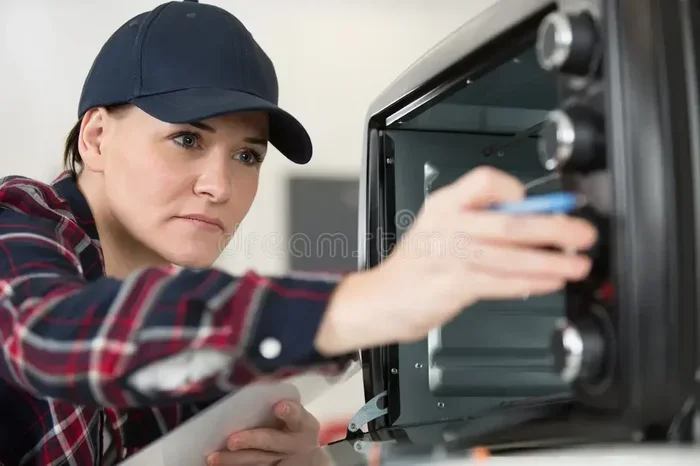
Not every oven problem is a DIY fix. Some issues require the skills and tools of a trained technician. Knowing when to call for help saves you from dangerous mistakes and costly repairs.
Gas Leaks
If you smell gas near the oven or anywhere in the kitchen, do not try to fix it yourself. Leave the house immediately. Do not flip any switches or use any electrical appliances. Call your gas company or emergency services from outside the home. Gas leaks are serious and dangerous.
Persistent Electrical Issues
If the oven breaker keeps tripping or you notice sparks inside the oven, stop using it. Electrical problems inside an oven can cause fires or shocks. A professional technician can safely inspect the wiring and internal components.
Broken Gas Valve
The gas valve controls the flow of gas into the oven. If the valve is faulty, the oven will not receive gas and will not heat. Gas valve replacement is a job for a licensed professional because it involves working with live gas lines.
Control Board Failure
If the control board is damaged, the oven will not respond to any commands. You might see error codes or the display might be completely blank. Replacing a control board requires technical knowledge and the right diagnostic tools. Call a qualified technician for this repair.
Oven Still Under Warranty
If your oven is still under warranty, check with the manufacturer before attempting any repairs. DIY repairs can void your warranty. Contact the manufacturer or an authorized service center for covered repairs.
How to Prevent Gas Oven Problems
Prevention is always better than repair. A little regular maintenance goes a long way in keeping your gas oven working reliably. These simple habits can extend the life of your oven and prevent unexpected breakdowns.
Clean Your Oven Regularly
Wipe up spills and crumbs after every use. Do a deep clean of the oven interior at least once a month. Keep the igniter, burner ports, and oven racks free of grease and food buildup. Clean oven parts heat more efficiently and last longer.
Check the Gas Supply Periodically
Once every few months, check that the gas supply valve is fully open and there are no leaks. You can use a soapy water solution to test for leaks. Apply the solution to the gas connections and look for bubbles. Bubbles mean there is a leak that needs attention.
Do Not Ignore Warning Signs
If your oven starts heating unevenly, taking longer to preheat, or making strange sounds, do not ignore it. Addressing small problems early prevents bigger, more expensive repairs down the road. Early intervention is the key to oven longevity.
Schedule Annual Professional Maintenance
Just like your car needs an annual checkup, your oven benefits from professional maintenance too. A technician can inspect the gas lines, test the igniter, check the control board, and calibrate the temperature sensor. Annual maintenance catches small issues before they become big problems.
Use Your Oven Correctly
Avoid slamming the oven door. Do not use the oven for purposes it was not designed for. Follow the manufacturer’s instructions for cleaning and maintenance. Proper use reduces unnecessary wear and tear on the oven components.
Quick Tips for Gas Oven Troubleshooting
Here are some fast tips to keep in mind when troubleshooting your oven:
- Always start with the simplest check. Is the oven plugged in? Is the gas valve open? Is the breaker on?
- Listen carefully. Clicking sounds mean the spark system is working. No sound at all might mean an electrical problem.
- Watch the igniter. If it glows but does not light the gas, the igniter is likely weak and needs replacement.
- Keep your oven manual handy. It has model-specific troubleshooting tips and error code explanations.
- Keep a flashlight nearby. Inspecting the oven interior is easier with good lighting.
- Take photos before disassembling. This helps you remember how parts go back together.
Common Mistakes People Make When Their Oven Stops Working
Avoid these common mistakes that make oven problems worse or waste your time:
- Assuming the oven is dead. Many people jump to the worst conclusion. Most issues are simple and fixable.
- Ignoring the gas supply. A closed valve is the easiest fix and the most overlooked one.
- Using the oven with a gas smell. Never ignore a persistent gas odor. It could indicate a serious leak.
- Trying to repair gas components yourself. Gas work is dangerous. Leave it to the professionals.
- Buying parts without diagnosing the problem. Test first, then buy the right part. Guesswork wastes money.
- Skipping regular cleaning. Grease buildup causes most ignition and heating problems over time.
Expert Insights on Gas Oven Maintenance
Professional technicians agree that most oven breakdowns come from neglect. A little attention goes a long way. Technicians recommend cleaning the oven interior and burner components every month. They also suggest checking the igniter annually for signs of wear.
Experts also stress the importance of using the right cookware. Warped pans can block airflow inside the oven and cause uneven heating. Using oven-safe, flat cookware helps the oven perform at its best.
Another tip from the pros is to avoid opening the oven door too often while cooking. Every time you open the door, heat escapes and the oven has to work harder to recover the temperature. This puts extra strain on the heating elements and the control board over time.
Key Takeaways
- Always start with the basics: Check the gas valve, breaker, and power supply before assuming anything is broken.
- Clean the igniter and burner ports regularly: Grease and debris are the top causes of oven heating problems.
- Replace a weak igniter: If the igniter glows but does not light the gas, a new igniter is usually the fix.
- Know your limits: Gas valve issues, control board problems, and gas leaks require professional help.
- Prevent problems with regular maintenance: Cleaning, inspections, and proper use keep your oven running smoothly.
- Safety is non-negotiable: If you smell gas, leave the house and call for help immediately.
Conclusion
Dealing with a gas oven that is not working can be stressful, but most problems have simple solutions. By following the steps in this guide, you can troubleshoot and fix many common oven issues yourself. Start with the gas supply, clean the igniter and burner ports, and test the igniter for continuity. These basic steps solve the majority of heating problems.
Remember that your safety matters most. If you ever smell gas, see sparks, or notice anything unusual, stop using the oven and call for professional help. Do not take risks with gas appliances. A qualified technician can handle complex issues safely and effectively.
With regular cleaning, annual maintenance, and prompt attention to warning signs, your gas oven will serve you well for many years. The next time your gas oven is not working, do not panic. Go through this checklist, try the simple fixes, and get back to cooking the meals you love.
Keep this guide saved for future reference. Share it with friends and family who might be dealing with the same problem. A little knowledge goes a long way in keeping your kitchen running smoothly and your meals coming out perfect every time.
Frequently Asked Questions
Why does my gas oven not turn on at all?
The most common reason is a closed gas supply valve or a tripped circuit breaker. Check that the valve behind the oven is fully open and that the breaker has not tripped. If both are fine, the igniter may be faulty and need replacement.
How do I know if my oven igniter is bad?
Turn on the oven and watch the igniter. If it glows but takes more than 60 seconds to light the gas, or if it never produces a flame, the igniter is weak or dead. A multimeter test can confirm whether the igniter has continuity. If not, it needs to be replaced.
Can a dirty oven cause heating problems?
Yes, absolutely. Grease and food buildup can block the igniter and clog the burner ports. This prevents proper gas flow and spark ignition. Regular cleaning of the oven interior, igniter, and burner components helps prevent heating issues.
Is it safe to repair a gas oven myself?
Simple fixes like cleaning the igniter, checking the breaker, or replacing the igniter are generally safe. However, any work involving gas lines, the gas valve, or internal electrical components should be left to a licensed professional. Safety always comes first.
How much does it cost to repair a gas oven?
Simple repairs like igniter replacement cost between 30 and 80 dollars for parts. More complex repairs like gas valve or control board replacement can range from 150 to 400 dollars including labor. Annual maintenance helps keep repair costs low over time.
How often should I have my gas oven professionally inspected?
Experts recommend scheduling a professional inspection at least once a year. Annual maintenance catches small issues before they become major problems. It also ensures that all gas connections are safe and that the oven is operating at peak efficiency.