Will A Dutch Oven Work On An Induction Cooktop 2
Yes, a Dutch oven can work on an induction cooktop 2, but only if it has a magnetic base. Cast iron and certain enameled Dutch ovens are induction compatible, while aluminum and copper models will not work. Check the bottom of your pot for an induction symbol or test it with a magnet to confirm compatibility. Using the right Dutch oven on your induction cooktop 2 ensures even heating, better energy efficiency, and superior cooking results every time.
Cooking with an induction cooktop 2 opens up a world of speed and precision. But if you love your Dutch oven, you might wonder whether it will work on this modern cooking surface. The good news is that many Dutch ovens are fully compatible with induction cooktops. However, not every Dutch oven is created equal when it comes to induction cooking.
In this guide, we will walk you through everything you need to know about using a Dutch oven on an induction cooktop 2. We will cover compatibility, the best options, testing methods, and practical tips to get the most out of your cooking experience. Whether you are a seasoned chef or just starting your kitchen journey, this article has you covered.
Key Takeaways
- Induction Compatibility Depends on Material: Only magnetic cookware like cast iron and stainless steel Dutch ovens work on an induction cooktop 2.
- The Magnet Test Is Your Best Friend: Simply hold a magnet to the bottom of your Dutch oven to check if it is induction safe.
- Flat Bottoms Matter: A Dutch oven must have a perfectly flat base to make proper contact with the induction cooktop 2 surface.
- Enameled Cast Iron Works Great: Most enameled Dutch ovens are induction compatible and offer easy cleanup and even heat distribution.
- Size and Weight Considerations: Choose a Dutch oven that matches the size of your induction cooktop 2 burner for optimal performance.
- Avoid Non-Magnetic Materials: Aluminum, copper, and glass Dutch ovens will not work on an induction cooktop 2.
- Proper Care Extends Lifespan: Season and clean your Dutch oven correctly to maintain its induction cooking performance over time.
📑 Table of Contents
- What Is an Induction Cooktop and How Does It Work?
- Will A Dutch Oven Work On An Induction Cooktop 2
- How to Test If Your Dutch Oven Works on Induction
- Best Dutch Ovens for Induction Cooktop 2
- Cooking Tips for Using a Dutch Oven on Induction Cooktop 2
- Common Mistakes to Avoid
- Maintenance and Care for Your Dutch Oven on Induction
- Final Verdict
What Is an Induction Cooktop and How Does It Work?
An induction cooktop uses electromagnetic energy to heat your cookware directly. Unlike traditional gas or electric stoves, an induction cooktop 2 does not heat the cooking surface itself. Instead, it creates a magnetic field that generates heat inside the pot or pan. This means the cooktop stays relatively cool while your food heats up quickly.
The Science Behind Induction Cooking
Here is how it works in simple terms. An induction cooktop 2 sends an alternating electrical current through a coil beneath the glass surface. This current creates a magnetic field. When you place a magnetic pot on the cooktop, the field causes the metal molecules in the pot to vibrate. That vibration produces heat. The heat then cooks your food evenly and efficiently.
This process is different from electric coils or gas flames that transfer heat from an external source. Induction cooking is faster, more energy efficient, and offers precise temperature control. It is no wonder that more homeowners are switching to induction cooktops for their kitchens.
Why Not All Cookware Works on Induction
For induction cooking to work, your cookware must be magnetic. Materials like aluminum, copper, and glass do not interact with the magnetic field. So if you place an aluminum Dutch oven on an induction cooktop 2, it simply will not heat up. The cooktop might even display an error code.
Materials that work well include cast iron, carbon steel, and certain stainless steel grades. These metals are ferromagnetic, meaning they respond strongly to magnetic fields. When shopping for new cookware, always look for the induction compatibility symbol on the packaging or the bottom of the pot.
Will A Dutch Oven Work On An Induction Cooktop 2
The short answer is yes, but with a condition. Your Dutch oven must have a magnetic base to work on an induction cooktop 2. Most traditional cast iron Dutch ovens are naturally magnetic and will work perfectly. Enameled cast iron Dutch ovens also work great because the magnetic cast iron core sits beneath the enamel coating.
Material Matters Most
The material of your Dutch oven determines whether it will work on an induction cooktop 2. Here is a quick breakdown of common Dutch oven materials:
- Cast Iron: Fully magnetic. Works perfectly on any induction cooktop 2. Excellent heat retention and even cooking.
- Enameled Cast Iron: The enamel coating does not affect magnetism. The cast iron core still interacts with the induction field. A great choice for induction cooking.
- Stainless Steel: Some stainless steel Dutch ovens are induction compatible. Look for ones with a magnetic stainless steel or aluminum disc in the base.
- Aluminum: Not magnetic. Will not work on an induction cooktop 2 unless it has a magnetic base plate added.
- Copper: Not magnetic on its own. Copper Dutch ovens need a magnetic bottom to function on induction surfaces.
Size and Weight Considerations
When using a Dutch oven on an induction cooktop 2, size matters. Most induction cooktops have specific burner zones. A Dutch oven that is too large may not sit properly over the heating element. This can lead to uneven heating or error messages from the cooktop.
Also consider the weight. Cast iron Dutch ovens are heavy, and an induction cooktop 2 needs to support that weight. Make sure your cooktop is rated for the weight of the pot you plan to use. A typical 5 to 7 quart Dutch oven can weigh anywhere from 10 to 15 pounds, so check your cooktop specifications.
How to Test If Your Dutch Oven Works on Induction
Not sure if your Dutch oven is induction compatible? You do not need special tools. A simple magnet test will tell you everything you need to know.
The Magnet Test
Follow these easy steps to check your Dutch oven:
- Grab a refrigerator magnet or any strong magnet from your home.
- Place the magnet flat against the bottom of your Dutch oven.
- If the magnet sticks firmly, your Dutch oven is induction compatible.
- If the magnet does not stick or holds very weakly, your Dutch oven will not work on an induction cooktop 2.
This test takes just a few seconds and gives you a definitive answer. It is the most reliable way to check compatibility without buying any special equipment.
Check for the Induction Symbol
Many Dutch ovens come with an induction compatibility mark on the bottom. Look for a coil or zigzag symbol that resembles the induction icon. If you see this symbol on your Dutch oven, you can be confident it will work on your induction cooktop 2. If your Dutch oven is older or secondhand, the magnet test remains your best option.
What If Your Dutch Oven Is Not Induction Compatible?
Do not worry if your favorite Dutch oven does not work on induction. You have a few options. You can purchase an induction disk or converter plate. This flat magnetic disc sits on the induction cooktop 2 and transfers the magnetic energy to your non-compatible pot. However, this method reduces efficiency and may not provide the same even heating as a truly induction compatible Dutch oven.
Another option is to invest in a new Dutch oven that is induction safe. Many high quality brands now offer induction compatible models across a range of prices. We will explore the best options in the next section.
Best Dutch Ovens for Induction Cooktop 2
Not all Dutch ovens are the same, and some stand out when it comes to induction cooking performance. Here are some of the best options to consider for your induction cooktop 2.
Enameled Cast Iron Dutch Ovens
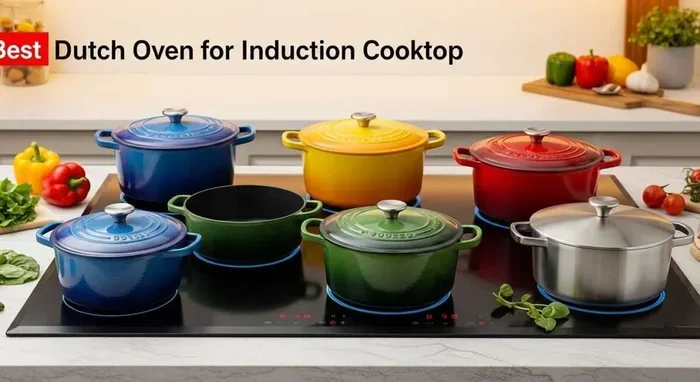
Enameled cast iron Dutch ovens are the top choice for induction cooking. They combine the superior heat retention of cast iron with a smooth, easy to clean enamel surface. Brands like Le Creuset and Staub are famous for their enameled Dutch ovens that work beautifully on an induction cooktop 2.
The enamel coating prevents rust and eliminates the need for seasoning. It also distributes heat evenly across the cooking surface. Whether you are braising meat, baking bread, or simmering soups, an enameled cast iron Dutch oven delivers consistent results on induction.
Traditional Cast Iron Dutch Ovens
Classic cast iron Dutch ovens are induction friendly by nature. They are durable, affordable, and excellent at retaining heat. Lodge is a popular brand that offers high quality cast iron Dutch ovens at accessible price points. These pots work great on an induction cooktop 2 and can last for generations with proper care.
The downside of bare cast iron is that it requires seasoning and careful maintenance. The enameled versions offer more convenience, but traditional cast iron has a loyal following for its unmatched heat retention and natural nonstick properties when well seasoned.
Stainless Steel Dutch Ovens
Some stainless steel Dutch ovens are designed with an induction compatible base. These pots often feature a layered construction with a magnetic stainless steel or aluminum disc sandwiched in the bottom. This disc allows the pot to interact with the induction field while the stainless steel body provides a lightweight and modern option.
Brands like All-Clad and Cuisinart offer stainless steel Dutch ovens that are induction safe. They heat up quickly and offer good temperature control. However, they do not retain heat as long as cast iron Dutch ovens, which can be a consideration for slow cooking and braising.
Cooking Tips for Using a Dutch Oven on Induction Cooktop 2
Using a Dutch oven on an induction cooktop 2 is straightforward once you know a few key tips. These simple guidelines will help you get the best results every time.
Preheat Gradually
Induction cooking heats up fast. Start at a lower setting and gradually increase the temperature. This prevents hot spots and ensures even heat distribution throughout your Dutch oven. Preheating slowly also protects the enamel coating on enameled models from thermal shock.
Use the Right Size Burner
Match the size of your Dutch oven to the induction burner on your cooktop 2. A large Dutch oven on a small burner will not heat evenly. Conversely, a small pot on a large burner wastes energy and may trigger safety sensors on your induction cooktop 2. Most manufacturers recommend that the pot diameter covers at least 70% of the burner zone.
Adjust Cooking Times
Induction cooking is faster than traditional methods. You may need to reduce cooking times or lower temperatures compared to what your Dutch oven recipe suggests. Start checking your food a few minutes earlier than the recipe recommends. You can always cook longer, but you cannot undo overcooking.
Avoid Sliding the Pot
The glass surface of an induction cooktop 2 can scratch if you slide your Dutch oven across it. Always lift the pot when repositioning it on the cooktop. This protects both your cooktop and the bottom of your Dutch oven. It also prevents any enamel chipping that can occur from friction against the glass.
Monitor Heat with Precision
One of the biggest advantages of an induction cooktop 2 is precise temperature control. Use this to your advantage when cooking with a Dutch oven. You can maintain a gentle simmer or a steady sear with much greater accuracy than with gas or electric stoves. This precision is especially helpful for delicate dishes like sauces and custards.
Common Mistakes to Avoid
Even experienced cooks make mistakes when using a Dutch oven on an induction cooktop 2. Here are some common errors to watch out for.
Using Non Magnetic Cookware
The most common mistake is assuming all Dutch ovens work on induction. As we discussed, aluminum and copper Dutch ovens will not heat up on an induction cooktop 2. Always verify compatibility before you start cooking. The magnet test is your simplest safeguard against this mistake.
Overheating an Empty Dutch Oven
Never preheat an empty Dutch oven on high heat on your induction cooktop 2. This can damage the enamel coating and cause warping in some models. Always add oil or food before heating, and start at a moderate temperature setting.
Ignoring the Flat Bottom Requirement
Induction cooktops require a flat bottom for proper contact with the cooking surface. If your Dutch oven has a warped or uneven base, it will not work efficiently on an induction cooktop 2. Check the bottom of your pot regularly for any warping or damage.
Using Abrasive Cleaners
After cooking, avoid using harsh abrasive cleaners on your Dutch oven, especially if it has an enamel coating. These can scratch the surface and affect the appearance and performance of your pot. Warm water and a soft sponge are usually all you need for routine cleaning.
Maintenance and Care for Your Dutch Oven on Induction
Taking care of your Dutch oven ensures it performs well on your induction cooktop 2 for years to come. Proper maintenance also keeps your pot looking great and cooking evenly.
Cleaning Tips
After each use, let your Dutch oven cool down before washing. Avoid plunging a hot pot into cold water, as this can cause thermal shock and crack enamel. Hand wash with warm water and mild dish soap. For stubborn residue, soak the pot in warm water for 15 to 20 minutes before scrubbing gently with a non abrasive sponge.
Seasoning Cast Iron Dutch Ovens
If you own a traditional cast iron Dutch oven, regular seasoning is essential. Rub a thin layer of cooking oil onto the interior after cleaning. Heat the pot on your induction cooktop 2 at a low setting for about 10 minutes to allow the oil to bond with the surface. This creates a natural nonstick layer and protects the iron from rust.
Storage Advice
Store your Dutch oven with the lid slightly ajar to allow air circulation and prevent moisture buildup. If you stack pots or pans on top, place a soft cloth or paper towel between them to prevent scratching. Proper storage keeps your Dutch oven in top condition for your next induction cooking session.
Final Verdict
So, will a Dutch oven work on an induction cooktop 2? The answer is a resounding yes, as long as your Dutch oven has a magnetic base. Cast iron and enameled cast iron Dutch ovens are the best choices for induction cooking. They offer superior heat retention, even cooking, and long lasting durability. Stainless steel Dutch ovens with induction compatible bases are also excellent options.
Always perform the magnet test if you are unsure about compatibility. Choose the right size pot for your burner, preheat gradually, and enjoy the precise temperature control that an induction cooktop 2 offers. With the right Dutch oven and a little care, you will create delicious meals with ease and confidence.
Induction cooking is a game changer for home cooks, and pairing it with a quality Dutch oven takes your culinary skills to the next level. Invest in the right cookware, follow our tips, and your kitchen adventures will be more rewarding than ever.
Frequently Asked Questions
Can I use any Dutch oven on an induction cooktop 2?
No, not every Dutch oven works on an induction cooktop 2. Your Dutch oven must have a magnetic base to function on induction. Cast iron and enameled cast iron Dutch ovens are always compatible. Aluminum and copper Dutch ovens will not work unless they have a magnetic disc built into the base.
How do I know if my Dutch oven is induction compatible?
The easiest way is the magnet test. Place a magnet on the bottom of your Dutch oven. If it sticks firmly, your pot is induction safe. You can also look for the induction compatibility symbol on the bottom of the pot or check the product packaging and manufacturer specifications.
Is enameled cast iron safe for induction cooking?
Yes, enameled cast iron Dutch ovens are completely safe for induction cooking. The enamel coating is a nonstick layer on the outside, but the cast iron core beneath it remains magnetic. This means your enameled Dutch oven will work perfectly on an induction cooktop 2 while offering easy cleanup and beautiful styling.
Will a Dutch oven scratch my induction cooktop 2?
Not if you take proper care. Always lift your Dutch oven instead of sliding it across the glass surface of your induction cooktop 2. Make sure the bottom of your pot is clean and free of debris before placing it on the cooktop. A flat, smooth bottom prevents scratching and ensures even heating.
Can I use an induction converter disk with a non-magnetic Dutch oven?
Yes, an induction converter disk can make a non-magnetic Dutch oven work on an induction cooktop 2. The disk sits between the cooktop and the pot, transferring the magnetic energy. However, this method is less efficient than using a naturally induction compatible Dutch oven. It may also result in slightly less even heating.
What size Dutch oven is best for an induction cooktop 2?
The best size depends on your burner and cooking needs. A 5 to 6 quart Dutch oven is versatile for most households. Make sure the diameter of your Dutch oven covers at least 70% of the induction burner zone for optimal heat transfer. Always check your cooktop manual for recommended pot sizes.
=== CONCLUSION ===
Using a Dutch oven on an induction cooktop 2 is a wonderful combination for any home cook. The key is ensuring your Dutch oven is induction compatible through the magnet test and material check. Cast iron, enameled cast iron, and certain stainless steel Dutch ovens all work beautifully on induction surfaces.
Follow our cooking tips, avoid common mistakes, and maintain your Dutch oven properly to enjoy years of excellent performance. With the right Dutch oven and a little knowledge, your induction cooktop 2 will become your favorite tool for creating hearty, delicious meals. Start experimenting today and discover the joy of induction cooking with your trusted Dutch oven.