Will Baking Soda Harm A Self Cleaning Oven Today
Will baking soda harm a self-cleaning oven? The short answer is no. Baking soda is a gentle, natural cleaning agent that is safe for most oven interiors, including self-cleaning models. Using baking soda correctly will not damage the enamel, heating elements, or the self-cleaning mechanism. However, how you use it matters a lot. This guide covers everything you need to know about safely cleaning your oven with baking soda without causing any harm.
Have you ever opened your oven and felt overwhelmed by the baked-on grease and food splatter staring back at you? It happens to the best of us. And when that happens, the first thing many people reach for is a box of baking soda. But if you own a self-cleaning oven, a question likely popped into your head: will baking soda harm a self-cleaning oven?
The good news is that baking soda is one of the safest and most effective household cleaners you can use. It is gentle, non-toxic, and does a fantastic job cutting through grease. But there are a few important things to know before you start scrubbing. In this article, we will walk you through everything you need to know about using baking soda in a self-cleaning oven. You will learn how these ovens work, why baking soda is safe, and the best methods to get sparkling results without any damage.
Let us clear up the confusion once and for all. By the end of this guide, you will feel confident about your oven cleaning routine and know exactly what to do and what to avoid.
Key Takeaways
- Baking soda is safe: It will not damage a self-cleaning oven when used properly as a manual cleaning method.
- Never mix baking soda with the self-cleaning cycle: The high heat can cause excessive smoke and unpleasant odors.
- Use a paste for best results: A baking soda and water paste lifts grease and food splatter effectively.
- Avoid harsh chemicals: Stick to gentle cleaners to protect the oven’s enamel coating and interior surfaces.
- Rinse thoroughly: Residue left behind can produce smoke during future self-cleaning cycles.
- Prevention is key: Regular wiping reduces the need for heavy-duty cleaning sessions.
📑 Table of Contents
- How Self-Cleaning Ovens Work
- Is Baking Soda Safe for Self-Cleaning Ovens?
- What Happens When You Use Baking Soda in a Self-Cleaning Oven
- How to Safely Clean Your Oven with Baking Soda
- Common Mistakes People Make When Cleaning Ovens
- Expert Tips for Keeping Your Oven Spotless
- Comparison: Baking Soda vs. Commercial Oven Cleaners
- Frequently Asked Questions
- Final Thoughts
How Self-Cleaning Ovens Work
Before we dive into whether baking soda is safe, it helps to understand how a self-cleaning oven actually works. Most modern ovens come with a self-cleaning feature that uses extreme heat to burn off food residue and grease. This process is called pyrolytic cleaning.
During a self-cleaning cycle, the oven heats up to temperatures between 800 and 1000 degrees Fahrenheit. At these temperatures, food splatter and grease turn into ash. Once the cycle finishes, you simply wipe away the ash with a damp cloth. It is a hands-off approach that many homeowners love because it saves time and effort.
The Pyrolytic Cleaning Process
The pyrolytic cleaning process locks in heat and reduces oxygen inside the oven. This combination ensures that organic matter burns away completely. The oven door locks automatically during this cycle for safety reasons. The entire process usually takes about two to four hours depending on how dirty the oven is.
While this feature is incredibly convenient, it does have some limitations. Heavy grease buildup or large food spills may require more than one cycle. And some people worry about the high heat potentially affecting oven components over time. This is where manual cleaning with baking soda becomes a great alternative.
Steam Cleaning vs. Pyrolytic Cleaning
Some newer ovens offer a steam cleaning option instead of the traditional pyrolytic method. Steam cleaning uses lower temperatures and water to loosen grime. It is faster, usually taking about 20 to 30 minutes. However, steam cleaning does not handle heavy grease as effectively as pyrolytic cleaning does.
Regardless of which type of self-cleaning oven you own, manual cleaning with baking soda can be a helpful supplement. It works well for light to moderate grime between self-cleaning cycles. Understanding your oven type helps you choose the best cleaning approach.
Is Baking Soda Safe for Self-Cleaning Ovens?
The short answer is yes. Baking soda will not harm a self-cleaning oven when used correctly. Baking soda, also known as sodium bicarbonate, is a mild abrasive and a natural deodorizer. It has been a go-to household cleaner for decades, and for good reason.
Unlike harsh chemical cleaners, baking soda is gentle on oven surfaces. It will not scratch the enamel coating or corrode metal parts. It also does not leave behind toxic residues that could release harmful fumes during future cooking or cleaning cycles.
Why Baking Soda Works So Well
Baking soda is a natural alkali. This means it can break down acidic grease and food particles effectively. When you mix baking soda with water, it forms a thick paste that clings to surfaces. This paste sits on the grime and slowly loosens it without requiring harsh scrubbing.
Here are some reasons why baking soda is a great choice for oven cleaning:
- It is non-toxic: Safe to use around food preparation areas.
- It is inexpensive: A single box can last for multiple cleaning sessions.
- It deodorizes: Baking soda neutralizes unpleasant oven odors naturally.
- It is gentle: It will not damage enamel, glass, or metal surfaces.
- It is widely available: You can find it in any grocery store or supermarket.
When Baking Soda Might Cause Issues
While baking soda itself is safe, the way you use it can sometimes cause problems. For example, if you apply baking soda and then immediately run the self-cleaning cycle, the high heat can cause excessive smoke. Baking soda decomposes at high temperatures and releases carbon dioxide and water vapor. In a closed oven, this can create a lot of steam and smoke.
This is not dangerous, but it can trigger your smoke detector and leave a lingering smell. So the key takeaway is simple: always clean manually with baking soda first, then rinse thoroughly, and only run the self-cleaning cycle afterward if needed.
What Happens When You Use Baking Soda in a Self-Cleaning Oven
Understanding the interaction between baking soda and your oven helps you make smarter cleaning decisions. Let us break down exactly what happens at each stage of the process.
The Cleaning Phase
When you apply a baking soda paste to the interior of your oven, the mild abrasion starts working on the grease and baked-on food. The paste softens the grime and lifts it away from the surface. You will usually need to let it sit for at least 30 minutes, or even overnight for tough stains.
During this phase, the baking soda is not reacting with the oven in any harmful way. It is simply doing its job as a cleaning agent. The surface of your oven remains completely unaffected.
The Rinsing Phase
After the baking soda paste has had time to work, you need to wipe it away with a damp cloth. This step is critical. If you leave baking soda residue behind, it can bubble and smoke during the next self-cleaning cycle. That is because baking soda breaks down when exposed to high heat.
Always rinse the interior thoroughly with clean water. Wipe away all traces of the paste. You can also use a vinegar solution to help neutralize any remaining baking soda. A quick wipe with a damp cloth should do the trick.
The Self-Cleaning Phase
If you decide to run the self-cleaning cycle after using baking soda, make sure the oven is completely clean and dry. The pyrolytic process will burn away any remaining light residue. But if there is still baking soda paste left behind, expect more smoke and a longer cleaning cycle than usual.
The good news is that this will not damage your oven. The self-cleaning mechanism is designed to handle ash and residue. Just be prepared for some extra smoke the first time you run the cycle after a baking soda clean.
Baking Soda and Oven Racks
Many people also use baking soda to clean oven racks separately. This is perfectly safe. You can soak the racks in a sink filled with warm water and baking soda. The paste also works well for scrubbing racks by hand. Just avoid using steel wool or abrasive pads, as these can scratch the surface.
How to Safely Clean Your Oven with Baking Soda
Now that you know baking soda is safe, let us walk through the proper method step by step. Following the right process ensures you get the best results without any risk to your oven.
Step 1: Remove the Oven Racks
Start by taking out all the oven racks. This gives you full access to the interior walls, floor, and ceiling of the oven. Set the racks aside for separate cleaning.
Step 2: Make a Baking Soda Paste
Mix about half a cup of baking soda with a few tablespoons of water. Stir until you get a thick paste consistency. The paste should be spreadable but not runny. You can adjust the water amount until you reach the right texture.
Step 3: Apply the Paste
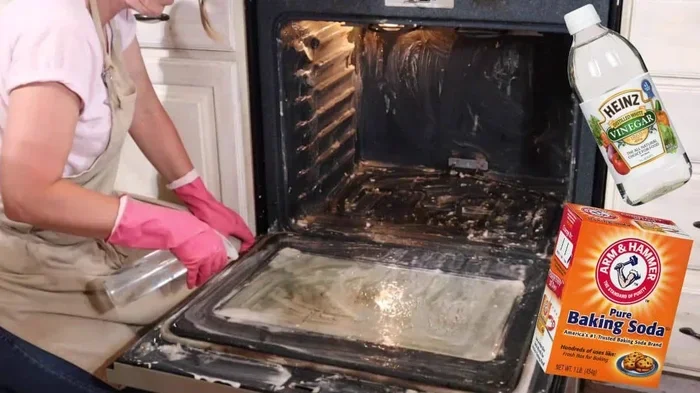
Using your hands or a sponge, spread the baking soda paste all over the inside of the oven. Focus on areas with heavy grease buildup or food splatter. Avoid spreading the paste on the heating elements or the oven thermometer. Let the paste sit for at least 30 minutes. For really tough stains, leave it overnight.
Step 4: Scrub Gently
After the paste has had time to work, use a damp cloth or sponge to wipe away the grime. The baking soda will have softened the grease, making it easy to remove. For stubborn spots, use a soft-bristled brush or an old toothbrush. Do not use abrasive scrubbers, as these can damage the oven interior.
Step 5: Rinse Thoroughly
Wipe the entire interior with a clean damp cloth to remove all baking soda residue. Repeat this step several times if needed. Make sure no white traces of baking soda remain. This is the most important step to prevent smoke during the self-cleaning cycle.
Step 6: Clean the Racks
While the oven interior is drying, clean the racks. Soak them in warm soapy water with a sprinkle of baking soda. Scrub gently with a non-abrasive sponge. Rinse and dry them completely before placing them back inside the oven.
Step 7: Run the Self-Cleaning Cycle (Optional)
If you want a final deep clean, you can now run the self-cleaning cycle. Make sure the oven is completely dry before starting. This step will burn away any remaining light residue and leave your oven smelling fresh.
Common Mistakes People Make When Cleaning Ovens
Even with the best intentions, many people make mistakes that can damage their oven or reduce its effectiveness. Here are some common pitfalls to avoid.
Using Commercial Cleaners Alongside Baking Soda
Some people mix baking soda with commercial oven cleaners. This is a big mistake. Combining chemical cleaners with baking soda can create harmful fumes. Stick to one cleaning method at a time. If you use a commercial cleaner, rinse the oven completely before using baking soda for a follow-up clean.
Skipping the Rinse
As mentioned earlier, leaving baking soda residue behind can cause smoke during the self-cleaning cycle. Always rinse the oven interior thoroughly after applying the paste. This simple step can save you from a lot of smoke and hassle.
Using Too Much Baking Soda
More is not always better. Using too much baking soda paste can leave behind a thick residue that is difficult to rinse away. A thin, spreadable layer is all you need to get the job done effectively.
Scrubbing Too Hard
Baking soda is a mild abrasive. You do not need to scrub aggressively. Let the paste do the work for you. If a stain does not come off easily, let the paste sit longer rather than scrubbing harder. Aggressive scrubbing can scratch the oven interior and damage the enamel coating over time.
Forgetting to Clean the Oven Door
The oven door often gets overlooked during cleaning sessions. Grease and grime build up on the door glass just as much as the interior walls. Use the same baking soda paste on the door and wipe it clean with a damp cloth. This keeps your entire oven looking great.
Expert Tips for Keeping Your Oven Spotless
Prevention is always better than cure. With a few simple habits, you can keep your oven clean and reduce the need for heavy-duty cleaning sessions. Here are some expert-backed tips to help you maintain a spotless oven.
Use an Oven Liner
An oven liner is a simple sheet that sits on the bottom of the oven. It catches food splatter and grease before it can bake onto the oven floor. Oven liners are inexpensive and reusable. They make cleanup a breeze and help extend the time between deep cleaning sessions.
Wipe Spills Immediately
When food spills inside the oven, clean it up as soon as the oven cools down. The longer a spill sits, the harder it becomes to remove. A quick wipe with a damp cloth after each use can prevent buildup and keep your oven in great shape.
Run the Self-Cleaning Cycle Regularly
Even if your oven does not look particularly dirty, running the self-cleaning cycle every few months helps maintain cleanliness. The high heat burns off any light residue that may have accumulated. Just make sure your kitchen is well-ventilated when running this cycle.
Keep the Oven Door Closed When Not in Use
This might sound obvious, but leaving the oven door open can allow dust and debris to accumulate inside. A closed door keeps the interior clean and also helps maintain the oven’s temperature efficiency.
Replace Oven Racks When Needed
Over time, oven racks can become warped or corroded. If you notice rust or bending, it may be time to replace them. New racks not only improve cleaning results but also ensure even heat distribution during cooking.
Comparison: Baking Soda vs. Commercial Oven Cleaners
Many homeowners wonder whether they should use baking soda or a commercial oven cleaner. Both have their pros and cons. Here is a quick comparison to help you decide.
| Feature | Baking Soda | Commercial Cleaner |
|---|---|---|
| Safety | Non-toxic and gentle | Contains harsh chemicals |
| Cost | Very affordable | Moderate to expensive |
| Effectiveness | Great for light to moderate grime | Effective on heavy buildup |
| Residue | Easy to rinse away | May leave chemical residue |
| Oven Safety | Safe for all surfaces | May damage enamel if overused |
| Environmental Impact | Eco-friendly | Contains synthetic chemicals |
| Odor | Neutralizes odors | May leave chemical smell |
For most homeowners, baking soda is the safer and more practical choice. It is gentle, effective, and does not pose any risk to your self-cleaning oven. Commercial cleaners can be useful for extremely tough stains, but they should be used sparingly and with caution.
Frequently Asked Questions
Can I put baking soda directly in the oven during the self-cleaning cycle?
No, you should never place baking soda inside the oven during the self-cleaning cycle. The high heat causes baking soda to decompose rapidly, which creates excessive smoke and steam. Always clean manually with baking soda first, rinse thoroughly, and then run the self-cleaning cycle if desired.
Will baking soda damage the enamel inside my oven?
No, baking soda is gentle enough that it will not damage the enamel coating inside your oven. It is a mild abrasive that safely removes grease and food residue without scratching or corroding the surface. Just avoid using steel wool or harsh scrubbers alongside the baking soda.
How often should I clean my self-cleaning oven with baking soda?
You can use baking soda for manual cleaning whenever you notice grease or food buildup. Most homeowners find that cleaning every four to six weeks keeps the oven in great shape. Running the self-cleaning cycle every two to three months also helps maintain cleanliness between manual sessions.
Can baking soda remove all oven stains?
Baking soda is effective on most light to moderate stains and grease buildup. However, extremely stubborn or long-standing stains may require repeated applications or a stronger cleaning method. For tough stains, let the baking soda paste sit overnight and scrub gently with a soft sponge the next day.
Is it safe to use baking soda on the oven door glass?
Yes, baking soda is completely safe to use on oven door glass. The paste works well on glass surfaces and will not cause scratching or clouding. Apply the paste, let it sit for 15 to 20 minutes, and wipe clean with a damp cloth for streak-free results.
What should I do if baking soda residue causes smoke during the self-cleaning cycle?
If you notice smoke during the self-cleaning cycle, open the kitchen window and turn on the range hood. The smoke is not dangerous, but it can trigger your smoke detector. To prevent this, always rinse the oven thoroughly after applying baking soda. If smoke occurs, let the cycle finish and then wipe away any remaining ash with a damp cloth.
Final Thoughts
So, will baking soda harm a self-cleaning oven? The answer is a clear no. Baking soda is a safe, effective, and affordable way to keep your oven clean between self-cleaning cycles. It gently lifts grease, neutralizes odors, and does not damage any part of your oven, from the enamel interior to the heating elements.
The key is to use it correctly. Always apply the paste, let it sit, wipe it away, and rinse thoroughly before running any self-cleaning cycle. Avoid mixing baking soda with harsh chemical cleaners, and never leave residue behind.
With the tips and methods shared in this guide, you now have everything you need to clean your oven safely and effectively. Baking soda is your best friend when it comes to oven cleaning — simple, natural, and completely safe for your self-cleaning oven. Start using these methods today and enjoy a spotless oven that performs at its best for years to come.