What Is The Best Rack Position In Oven For Turkey
Placing your turkey on the middle oven rack is the best rack position in oven for turkey because it allows hot air to circulate evenly around the bird for consistent cooking. The right rack height ensures crispy skin, juicy meat, and no burning on the bottom. Whether you are roasting a small bird or a large Thanksgiving turkey, rack position in oven for turkey can make or break your results.
So you have a beautiful turkey ready for the oven. Maybe it is a fresh bird from the butcher, or maybe it has been thawing in the fridge for the last couple of days. Either way, you are ready to roast. But before you slide that pan into the oven, there is one thing that can totally change your results.
The rack position in oven for turkey matters more than most people realize. It affects how evenly your bird cooks, how crispy the skin gets, and whether the breast stays juicy or dries out. Getting this one detail right can be the difference between a show-stopping roast and a disappointing meal.
In this guide, we will walk through everything you need to know about oven turkey placement. You will learn which rack to use, why it works, and what mistakes to avoid. By the end, you will feel confident walking up to that oven with your turkey in hand.
Key Takeaways
- Middle Rack Is King: The middle oven rack provides the most even heat distribution for roasting turkey.
- Avoid the Bottom Rack: Placing turkey too low risks burning the bottom and uneven cooking.
- Consider Turkey Size: Larger birds may need slight rack adjustments to fit and cook properly.
- Convection Changes Things: Convection ovens may benefit from a slightly lower rack position.
- Preheat Before Inserting: Always preheat the oven so the rack position matters from the start.
- Use a Roasting Rack: A V-rack or roasting rack elevates the turkey for better air circulation.
- Monitor and Adjust: If the top is browning too fast, tent with foil and check rack placement.
📑 Table of Contents
Why Rack Position Matters When Roasting Turkey
You might be wondering why the rack position even matters. Does it really make that big of a difference? The short answer is yes. Absolutely.
Your oven heats from the bottom and top elements. Hot air rises, which means the top of the oven is usually hotter than the bottom. If you place your turkey too high, the top can overcook or burn before the inside is done. If you place it too low, the bottom can char while the breast stays underdone.
The best oven rack height for turkey balances all of this. It lets the heat wrap around the bird evenly. This means better turkey roasting rack results, more consistent turkey cooking position, and a juicier final product.
How Heat Moves Inside Your Oven
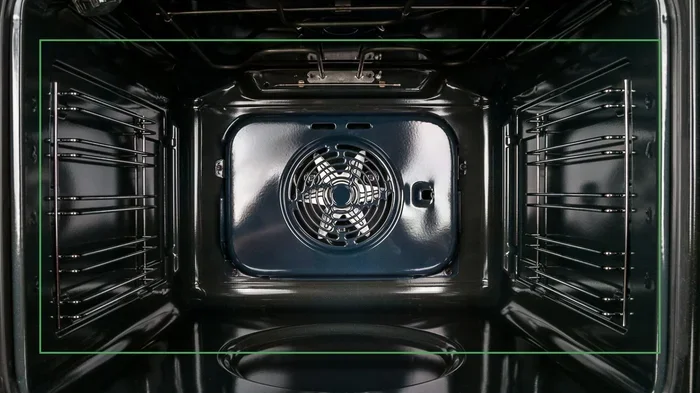
Most home ovens use a bottom heating element as the primary heat source. Hot air rises naturally through convection. The top element kicks on occasionally to maintain temperature. This creates a temperature gradient inside the oven.
Here is what that means for your turkey:
- Bottom of the oven: Hottest area for direct heat. Great for pizza or bread, not ideal for turkey.
- Lower third: Good for dishes that need strong bottom heat. Can work for turkey but risks browning too fast on the bottom.
- Middle of the oven: The sweet spot. Most even heat distribution for roasting.
- Upper third: Closer to the top element. Can cause the top of the turkey to brown too quickly.
- Top of the oven: Usually the hottest zone. Not recommended for turkey at all.
Understanding this heat flow is the first step to mastering oven turkey placement. Once you know how your oven works, you can make smarter decisions about where to place your bird.
The Best Rack Position For Turkey
The middle oven rack is almost always the right answer. It sits in the center of the oven cavity where heat circulates the most evenly. For a standard roasting turkey rack setup, this is your go-to position.
Here is why the middle rack wins:
- Even air circulation: Hot air flows around the turkey from all sides.
- Balanced browning: The skin browns evenly on all sides, not just on top or bottom.
- Lower burn risk: You avoid the intense direct heat from the bottom element.
- Better for large birds: A big turkey fits more comfortably in the middle without touching the top or bottom.
- Easier monitoring: You can check the turkey through the oven window without opening the door too far.
For most home cooks, the middle rack is the turkey cooking position that delivers the best results. It works for small birds and large ones alike.
When to Adjust the Rack Slightly
While the middle rack is the default, there are a few situations where you might want to shift it. These are small adjustments that can make a real difference.
- Very large turkey (over 20 pounds): Lower the rack by one position so the top of the bird has more clearance from the oven ceiling.
- Small turkey (under 10 pounds): You can keep it on the middle rack or even raise it slightly for a shorter cooking time.
- Turkey in a deep roasting pan: Lower the rack so the pan sits flat and the bird does not tip.
- Using a convection setting: Convection ovens cook faster and more evenly. You can keep the turkey on the middle rack or go one notch lower.
These are small tweaks, but they matter. The best oven rack height for turkey depends on your specific setup and the size of your bird.
Rack Position Based on Turkey Size
Not all turkeys are the same. A small turkey and a giant bird need different approaches to rack position in oven for turkey. Here is a simple breakdown.
| Turkey Size | Recommended Rack Position | Notes |
|---|---|---|
| Under 10 lbs | Middle rack | Cook time is shorter. Monitor closely to avoid drying out. |
| 10 to 14 lbs | Middle rack | Standard size. Works perfectly on the middle position. |
| 14 to 18 lbs | Middle rack, slightly lower | Large bird needs more vertical clearance. Lower one notch if needed. |
| 18 to 22 lbs | Lower-middle rack | Ensure the top of the bird clears the oven lid or heating element. |
| Over 22 lbs | Lower-middle rack | May need to trim the neck cavity or use a low-profile pan. |
The key takeaway is simple. Smaller turkeys do fine on the middle rack. Larger turkeys benefit from being placed a little lower. This prevents the top from burning and gives the inside time to cook through.
Always measure your oven cavity before buying a turkey. You want at least 2 to 3 inches of clearance on all sides. This ensures proper turkey roasting rack airflow and prevents the bird from touching the oven walls.
Quick Tip: Use a Roasting Rack
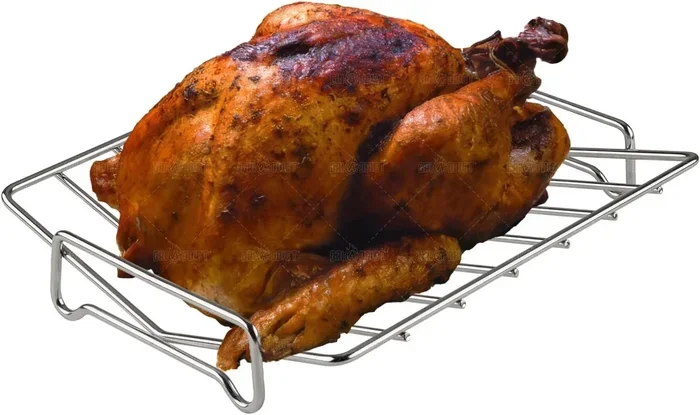
Do not place your turkey directly on the oven rack or the bottom of the pan. Use a V-rack, a wire roasting rack, or a trivet inside your roasting pan. This lifts the bird off the bottom and allows hot air to flow underneath.
A good turkey cooking rack does three things:
- Elevates the bird for even heat exposure on all sides.
- Catches drippings so they do not burn on the pan bottom.
- Promotes crispy skin by allowing fat to drip away from the meat.
This small accessory can seriously improve your oven turkey placement results. It is one of the easiest upgrades you can make.
Rack Position For Different Cooking Methods
Not everyone roasts a turkey the same way. Some people deep-fry, some smoke, and some use a rotisserie. But for those of us using a standard oven, the rack position in oven for turkey changes slightly depending on the method.
Traditional Roasting
This is the most common method. You place the turkey breast-side up in a roasting pan on the middle rack. The oven temperature is usually between 325 and 350 degrees Fahrenheit.
For traditional roasting, the middle oven rack is perfect. It gives you the most balanced heat and the most even cooking. The breast stays moist while the thighs catch up in temperature.
Convection Roasting
Convection ovens use a fan to circulate hot air. This means the heat is more uniform throughout the oven cavity. You can keep the turkey on the middle oven rack or drop it one notch lower.
Because convection cooking is more efficient, you may need to reduce the temperature by 25 degrees. The turkey cooking position stays the same, but the cooking time is usually shorter. Keep an eye on your bird about 30 minutes before the expected finish time.
Turkey Breast Only
If you are roasting just the turkey breast, you have more flexibility. A smaller piece of meat cooks faster and can handle being placed on the upper-middle rack. This helps the skin get extra crispy.
Just be careful not to place it too close to the top element. The skin can go from perfectly golden to burnt in minutes. Turkey oven rack placement for breast-only roasts should stay in the middle or slightly above.
Spatchcocked Turkey
A spatchcocked turkey is flattened out by removing the backbone. This method cooks faster and more evenly because the bird is thinner.
For a spatchcocked turkey, the middle oven rack works great. The flat shape means heat reaches every part of the bird more easily. You can even lower the rack slightly if you want extra crispiness on the skin side.
Common Mistakes People Make With Turkey Rack Placement
Even experienced cooks get the rack position in oven for turkey wrong sometimes. Here are the most common mistakes and how to avoid them.
Placing the Turkey on the Bottom Rack
This is the number one mistake. The bottom rack is too close to the heating element. The bottom of the turkey will burn while the inside stays raw. Avoid this at all costs.
If you accidentally placed your turkey on the bottom rack, move it to the middle rack as soon as you realize the mistake. It might add a little extra cooking time, but it will save the bird.
Overcrowding the Oven
Some people try to cook sides like potatoes or vegetables in the same oven at the same time. While this can work, it can also block airflow around the turkey.
If you are cooking other dishes at the same time, make sure they do not block the heat from reaching the turkey. The turkey roasting rack needs space on all sides for proper oven turkey placement.
Forgetting to Preheat
A cold oven means uneven cooking. Always preheat your oven to the target temperature before putting the turkey in. This ensures the best oven rack height for turkey actually works as intended from the moment the bird goes in.
Opening the Oven Door Too Often
Every time you open the oven door, you lose heat and disrupt the airflow. This can cause uneven turkey cooking position and extend the cooking time.
Use the oven light and window to check on your turkey. Only open the door when you need to baste or check the internal temperature.
Expert Tips For Perfect Turkey Every Time
You now know the best rack position in oven for turkey. Here are some extra tips from experienced cooks and chefs to help you get the best results possible.
Brine or Dry Brine Before Roasting
A brine adds moisture and flavor to the meat. A dry brine seasons the outside and helps the skin crisp up. Either method works well, but do it the night before so the flavors have time to penetrate.
Brining does not change your oven turkey placement, but it does improve the final result significantly. The meat stays juicier throughout the long roast.
Use a Meat Thermometer
Do not rely on the pop-up timer that comes with the turkey. Invest in a good instant-read meat thermometer. Check the temperature in the thickest part of the thigh, not touching the bone.
The turkey is done when the internal temperature reaches 165 degrees Fahrenheit. This is the safest and most accurate way to know your bird is ready.
Let the Turkey Rest
Once the turkey comes out of the oven, let it rest for at least 20 to 30 minutes. This allows the juices to redistribute throughout the meat. If you cut too early, the juices run out and the meat dries up.
While the turkey rests, you can use the drippings to make a quick gravy. It is a win-win.
Quick Tips Summary
- Always use the middle rack for the most even cooking.
- Preheat the oven to 325 to 350 degrees before inserting the turkey.
- Use a roasting rack to elevate the bird and improve airflow.
- Check the internal temperature in the thigh, not the breast.
- Rest the turkey for 20 to 30 minutes before carving.
- Baste every 45 minutes for extra moisture and flavor.
- Tent with foil if the top is browning too quickly.
- Allow 13 to 15 minutes per pound for a standard roast at 325 degrees.
Common Mistakes to Avoid
- Never place the turkey on the bottom rack. The direct heat will burn the bottom.
- Do not skip the roasting rack. The turkey will sit in its own juices and steam instead of roast.
- Do not overcrowd the oven. Blocked airflow leads to uneven cooking.
- Do not skip the thermometer. Visual cues are not reliable for turkey doneness.
- Do not cut into the turkey right away. Resting is essential for juicy meat.
Expert Insight: Why Middle Rack Works Best
Professional chefs and cooking instructors consistently recommend the middle rack for roasting turkey. The reason is simple physics. The middle of the oven cavity receives balanced heat from both the top and bottom elements. The hot air circulates around the bird without any single side getting too much direct heat.
This balanced environment is what creates the ideal turkey cooking position. The skin crisps up evenly, the meat cooks through at a steady pace, and the breast stays moist. It is the most forgiving position, especially for cooks who are still building their roasting confidence.
If you are ever unsure about where to place your turkey, default to the middle rack. You will almost never go wrong with that choice. It is the foundation of great oven turkey placement and the starting point for all your holiday roasting experiments.
Final Thoughts
The rack position in oven for turkey is one of those small details that makes a huge difference. It is not glamorous or exciting, but it is essential. Get this right and everything else falls into place.
Remember the golden rule. The middle rack is your best friend. It gives you even heat, balanced browning, and a juicy finished product. Adjust slightly for very large or very small birds, and always use a roasting rack to lift the turkey off the pan bottom.
Whether you are preparing Thanksgiving dinner or a Sunday roast, these tips will help you serve a turkey that your family will remember. The right rack position in oven for turkey is the first step to roasting perfection. Master this one detail and you are well on your way to becoming the go-to cook in your family.
Now go ahead, preheat that oven, and give your turkey the placement it deserves. You have got this.
Frequently Asked Questions
What is the best rack position in oven for turkey?
The middle oven rack is the best position for roasting turkey. It provides the most even heat distribution, balanced browning, and the lowest risk of burning. This position works for most turkey sizes and oven types.
Can I put the turkey on the bottom rack of the oven?
It is not recommended. The bottom rack is too close to the heating element, which can burn the bottom of the turkey before the inside is fully cooked. Always use the middle rack for the best results.
Does turkey size affect which rack I should use?
Yes, it does. Small turkeys work fine on the middle rack. Very large turkeys over 18 pounds may benefit from being placed one notch lower to ensure the top has enough clearance and cooks evenly without burning.
Should I use a roasting rack for my turkey?
Absolutely. A roasting rack elevates the turkey off the bottom of the pan. This allows hot air to circulate underneath, promotes crispy skin, and prevents the bottom from sitting in grease and burning.
What rack position should I use for a convection oven turkey?
In a convection oven, the middle rack still works best. You can also place it one notch lower if you want extra crispiness on the skin. Convection fans circulate heat more evenly, so rack position is slightly less critical, but the middle rack remains the safest choice.
How long should I cook a turkey per pound?
At 325 degrees Fahrenheit, plan for about 13 to 15 minutes per pound for an unstuffed turkey. Use a meat thermometer to check that the internal temperature reaches 165 degrees Fahrenheit in the thickest part of the thigh before removing from the oven.