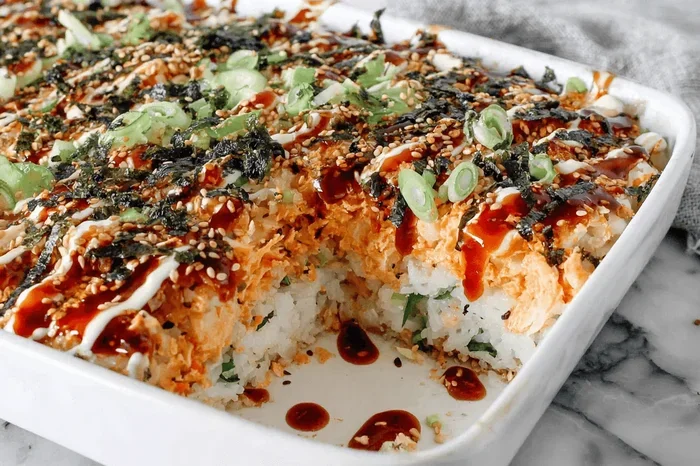
How To Make Sushi Bake Without Oven At Your Home Today
Discover how to make sushi bake without oven at your home today with this simple, step-by-step guide. You will learn the essential ingredients, stovetop techniques, and creative variations that make this Japanese-inspired dish a hit every time. Whether you are a beginner or a seasoned cook, this no-oven sushi bake recipe is easy, fast, and incredibly satisfying.
Sushi bake has taken the food world by storm, and for good reason. It is creamy, savory, and packed with flavor. Best of all, you do not need an oven to make it. If you have been searching for a way to make sushi bake without oven, you have come to the right place. This guide walks you through everything you need to know, from ingredients to serving tips.
Making sushi bake at home is easier than you think. With a few pantry staples and a stovetop, you can create a dish that tastes like it came from a high-end restaurant. Whether you are cooking for yourself, your family, or a group of friends, this no-oven sushi recipe delivers every time. Let us dive in and explore how simple it really is.
Key Takeaways
- No oven needed: You can make delicious sushi bake using just your stovetop and a simple pan.
- Few ingredients required: Sushi rice, cream cheese, seafood, and nori are all you need to start.
- Highly customizable: Swap in your favorite proteins, vegetables, and sauces to make it your own.
- Quick to prepare: Most versions take under 30 minutes from start to finish.
- Perfect for beginners: The recipe is straightforward and forgiving, so mistakes are hard to make.
- Great for gatherings: Sushi bake makes an excellent party dish or family dinner centerpiece.
- Budget-friendly: Making it at home costs a fraction of ordering from a restaurant.
📑 Table of Contents
- What Is Sushi Bake and Why Skip the Oven?
- Ingredients You Need for the Perfect Sushi Bake
- Step-by-Step Guide to Making Sushi Bake on the Stovetop
- Tips for Getting the Best Flavor and Texture
- Creative Variations to Try at Home
- Common Mistakes to Avoid When Making Sushi Bake
- Expert Insights on Stovetop Sushi Bake
- How to Store and Reheat Your Sushi Bake
- Why Sushi Bake Is the Perfect Comfort Food
- Conclusion
What Is Sushi Bake and Why Skip the Oven?
Sushi bake is a deconstructed sushi dish that layers rice, seafood, cream cheese, and seasonings in a pan. You then bake or cook it until everything is warm and bubbly. The result is a creamy, flavorful dish that feels like a cross between sushi and casseroles. It has become a viral trend on social media, and people love it for good reason.
Traditionally, sushi bake goes into the oven. But not everyone has one. Maybe your oven is broken. Maybe you live in a small apartment. Or maybe you just want a faster way to make it. That is where stovetop sushi bake comes in. Cooking on the stove gives you just as much control and delivers the same creamy, delicious results.
There are several reasons to try a no-oven sushi bake:
- Speed: Stovetop cooking is faster than preheating an oven.
- Convenience: You only need one pan and a stove.
- Energy savings: No need to heat up your kitchen.
- Beginner-friendly: Less equipment means fewer chances for errors.
- Flexibility: You can adjust heat instantly if something is cooking too fast.
The beauty of this approach is that it opens up homemade sushi to everyone. You do not need fancy kitchen tools. You just need a good recipe and a willingness to try something new.
Ingredients You Need for the Perfect Sushi Bake
Keeping things simple is the key to great sushi bake without oven. You do not need a long grocery list. Most of these ingredients are probably already in your kitchen. Here is what you will need:
Core Ingredients
- Sushi rice: Short-grain Japanese rice works best. It becomes sticky when cooked, which holds everything together.
- Nori seaweed sheets: These add that classic sushi flavor and ocean aroma.
- Cream cheese: Full-fat cream cheese gives the dish its creamy texture.
- Seafood: Canned tuna, imitation crab, or cooked shrimp all work wonderfully.
- Sushi seasoning: Rice vinegar, sugar, and salt mixed together. You can also buy pre-made sushi vinegar.
- Mayonnaise: Regular or Japanese Kewpie mayo adds richness.
- Spicy mayo: Mix mayo with sriracha for a kick.
- Sesame seeds: White or black sesame seeds for topping.
- Green onions: Chopped scallions add freshness and color.
Optional Add-Ins
Feel free to customize your stovetop sushi bake with any of these extras:
- Avocado slices for creaminess
- Cooked shrimp or imitation eel
- Pickled ginger for tang
- Cucumber strips for crunch
- Salmon or cooked crab meat
- Japanese mayo or teriyaki sauce
- Chili flakes for heat
When you make sushi bake without oven, the ingredient quality matters. Use sushi-grade fish if you are adding raw seafood. If you are using canned tuna, drain it well so your bake is not too watery. Good ingredients make a big difference in the final taste.
Step-by-Step Guide to Making Sushi Bake on the Stovetop
Now comes the fun part. Making sushi bake on your stovetop is a straightforward process. Follow these steps, and you will have a delicious dish in no time.
Step 1: Cook the Sushi Rice
Start by rinsing your rice thoroughly. This removes excess starch and prevents the rice from becoming too sticky. Cook it according to the package directions, or use a rice cooker if you have one. Once cooked, spread the rice out in a large bowl and let it cool for a few minutes. While still warm, drizzle the sushi seasoning over the rice. Gently fold it in using a spatula or wooden spoon. The goal is to coat every grain evenly.
Step 2: Prepare the Seafood Mix
In a separate bowl, combine your seafood with mayonnaise and a touch of sriracha if you like it spicy. Mix in some sushi seasoning for extra flavor. If you are using imitation crab, shred it into smaller pieces. For canned tuna, break it apart with a fork. This mixture will become the savory layer of your bake.
Step 3: Layer the Ingredients
Take a non-stick pan or a deep skillet. Place a sheet of nori on the bottom. Spread half of the seasoned rice evenly over the nori. Next, add a generous layer of the seafood mixture. Top it with small pieces of cream cheese. The cream cheese will melt slightly as it heats, creating a rich, gooey layer.
Repeat the layers. Add the remaining rice, another layer of seafood, and more cream cheese. Finish with a top layer of rice and a few pieces of nori on the very top.
Step 4: Cook on the Stovetop
Place the pan on your stove over low to medium-low heat. Cover it with a lid. Let it cook for about 8 to 10 minutes. The low heat is important here. You want the cream cheese to melt slowly and the flavors to blend together. Resist the urge to increase the heat. Patience is the secret to a perfect sushi bake without oven.
Step 5: Add the Toppings
Once the rice is heated through and the cream cheese has melted, remove the lid. Sprinkle sesame seeds, chopped green onions, and a drizzle of spicy mayo on top. You can also add a few pieces of avocado if you like. The toppings add texture and visual appeal.
Step 6: Serve and Enjoy
Let the bake rest for 2 to 3 minutes before slicing. This helps it hold together better. Use a sharp knife to cut it into squares or rectangles. Serve it warm and enjoy the creamy, savory goodness. It pairs beautifully with miso soup or a simple side salad.
Tips for Getting the Best Flavor and Texture
Making great sushi bake is about more than just following steps. A few small tips can elevate your dish from good to amazing.
Do not skip rinsing the rice. Rinsing removes surface starch that can make your rice gummy. Wash it two to three times until the water runs mostly clear.
Use warm rice, not hot. If the rice is too hot when you layer it, the cream cheese will melt too quickly and turn greasy. Let the rice cool to a warm temperature before assembling.
Low and slow is the way to go. Cooking on low heat ensures the layers meld together without burning the bottom. High heat will scorch the rice and ruin the texture.
Season as you go. Taste the seafood mixture before layering it. Add a little more sushi seasoning or soy sauce if it needs more flavor. The layers should each have their own punch.
Let it rest before cutting. This is a step many people skip. Giving the bake a few minutes to settle makes it much easier to slice clean pieces.
Experiment with sauces. Try drizzling teriyaki sauce or eel sauce on top before serving. These add a sweet, savory glaze that complements the creamy layers perfectly.
Creative Variations to Try at Home
One of the best things about sushi bake without oven is how versatile it is. Once you master the basic recipe, you can get creative with different flavors and ingredients.
Spicy Tuna Sushi Bake
Use spicy tuna as your seafood layer. Mix canned tuna with sriracha, a squeeze of lime juice, and a pinch of sesame oil. This version is bold and fiery, perfect for anyone who loves a little heat in their Japanese dish.
Salmon and Cream Cheese Bake
Swap in cooked salmon flakes for a richer flavor. Smoked salmon works especially well here. The combination of salmon, cream cheese, and sushi rice creates a luxurious taste that feels indulgent but is still simple to make.
Vegetarian Sushi Bake
Not a seafood fan? No problem. Replace the seafood with sautéed mushrooms, steamed asparagus, and diced bell peppers. Add some teriyaki sauce to the rice for extra flavor. This vegetarian version is just as satisfying as the original.
Korean-Inspired Sushi Bake
Give your bake a Korean twist. Use gochujang sauce instead of sriracha in the seafood mix. Add some pickled radish and sesame oil. This fusion version brings a whole new dimension to your stovetop sushi bake.
Crunchy Sushi Bake
For extra texture, top your bake with crispy fried onions or crushed tempura bits. The crunch contrasts beautifully with the soft, creamy layers underneath. It adds a whole new element to the dish.
Common Mistakes to Avoid When Making Sushi Bake
Even easy recipes can go wrong if you make common mistakes. Here are a few pitfalls to watch out for when you make sushi bake without oven:
- Using the wrong rice: Long-grain rice like basmati will not work. You need short-grain sushi rice for the right stickiness and texture.
- Overcooking the rice: Mushy rice makes the bake fall apart. Follow the cooking instructions carefully and drain any excess water.
- Skipping the nori: Nori is what gives sushi bake its signature flavor. Leaving it out changes the dish entirely.
- Using too much cream cheese: A little goes a long way. Too much cream cheese can make the layers greasy and heavy.
- Cooking on high heat: This burns the bottom layer and prevents the cream cheese from melting evenly.
- Assembling while everything is too hot: This melts the cream cheese prematurely and makes layering messy.
- Not draining seafood: Excess moisture from canned tuna or other seafood makes the bake soggy.
Avoiding these mistakes will help you achieve a perfect sushi bake every single time. Keep this list handy, especially if you are making this dish for the first time.
Expert Insights on Stovetop Sushi Bake
Cooking sushi bake on the stovetop is a kitchen hack that many home cooks swear by. Chef and food blogger Maki Matsumoto shares her insight: “The stovetop method gives you more control over the cooking process. You can monitor the heat closely and adjust as needed. This is especially helpful when working with cream cheese, which can go from perfectly melted to overcooked in seconds.”
Another expert, food scientist Kenji Lopez-Alt, notes that the no-oven sushi recipe works so well because the stovetop provides gentle, even heat when you use a lid. “The lid traps steam, which helps warm the rice evenly from top to bottom. This mimics the environment of an oven without actually using one,” he explains.
These insights reinforce what home cooks have discovered: stovetop sushi bake is not just a workaround. It is a legitimate cooking method that produces excellent results.
How to Store and Reheat Your Sushi Bake
If you have leftovers from your homemade sushi bake, you will want to store them properly. Here is what you need to know:
- Refrigerator: Store leftover bake in an airtight container for up to 2 days. The rice may dry out slightly, but it will still taste great.
- Freezer: You can freeze sushi bake for up to 1 month. Wrap it tightly in plastic wrap and foil to prevent freezer burn.
- Reheating on the stovetop: Place the bake in a covered pan over low heat. Add a splash of water to steam the rice back to its original texture.
- Reheating in the microwave: Cover the bake with a damp paper towel before microwaving. This adds moisture back into the rice.
Keep in mind that the nori will soften after storage, which is perfectly normal. The flavor remains intact, and the creamy layers still taste delicious even on day two.
Why Sushi Bake Is the Perfect Comfort Food
There is something deeply satisfying about sushi bake. It combines the best elements of comfort food with the fresh, vibrant flavors of Japanese cuisine. It is warm, creamy, and rich without feeling heavy.
This dish works for so many occasions. It is a great weeknight dinner when you want something easy and delicious. It is perfect for game day gatherings or holiday parties. It even works as a fun lunch option that feels more special than a sandwich.
Making sushi bake without oven at home also means you control what goes into it. You can use sushi-grade fish or affordable canned seafood. You can adjust the spice level to suit your family. You can add more vegetables or keep it indulgent. The choice is entirely yours.
Once you try this recipe, you will wonder why you ever paid restaurant prices for it. It is one of those easy sushi recipes that becomes a staple in your kitchen rotation. The best part is that it gets better every time you make it as you experiment with different flavors and combinations.
Conclusion
Making sushi bake without oven at home is simpler than you ever imagined. With the right ingredients, a stovetop, and this guide, you can create a restaurant-quality dish in under 30 minutes. The no-oven sushi recipe proves that you do not need special equipment to enjoy this viral comfort food.
Remember to use quality sushi rice, layer your ingredients thoughtfully, and cook on low heat for the best results. Experiment with different variations to find your favorite combination. Whether you go classic with tuna and cream cheese or get adventurous with Korean-inspired flavors, your sushi bake will be a crowd-pleaser every time.
So grab your pan, gather your ingredients, and give this recipe a try today. Once you taste how good homemade sushi bake can be, you will never go back to ordering out. Happy cooking!
Frequently Asked Questions
Can I make sushi bake without an oven if I do not have a rice cooker?
Absolutely. You can cook sushi rice on the stovetop in a regular pot. Just rinse it well, use the right water ratio, and simmer it covered for about 15 minutes. A rice cooker is convenient but not required to make sushi bake without oven.
What is the best seafood to use for stovetop sushi bake?
Canned tuna and imitation crab are the most popular choices because they are affordable and easy to prepare. Cooked shrimp and smoked salmon also work wonderfully. If you prefer raw fish, make sure it is sushi-grade and fresh.
Can I prepare sushi bake ahead of time?
Yes, you can assemble the bake ahead of time and store it in the refrigerator. When you are ready to eat, simply cook it on the stovetop over low heat for 10 to 15 minutes. This makes it a great option for easy meal prep and entertaining guests.
Is sushi bake without oven healthy?
It can be. The dish is rich in protein from the seafood and contains carbohydrates from the rice. To make it healthier, use less cream cheese, add more vegetables like avocado and cucumber, and choose sushi-grade fish over processed options. Moderation is key.
Can I use a regular pan instead of a non-stick pan?
Yes, you can. Just make sure to lightly grease the pan with oil or butter before layering the ingredients. A well-greased regular pan works just as well for stovetop sushi bake and prevents the rice from sticking to the surface.
How do I prevent the bottom layer from burning on the stovetop?
The key is to use low to medium-low heat throughout the cooking process. Keep the lid on to trap steam, which helps cook the rice evenly. Stir the bottom gently every few minutes if you are unsure. A heavy-bottomed pan distributes heat more evenly and reduces the risk of burning.