How To Clean Chrome Oven Racks Fast With Baking Soda
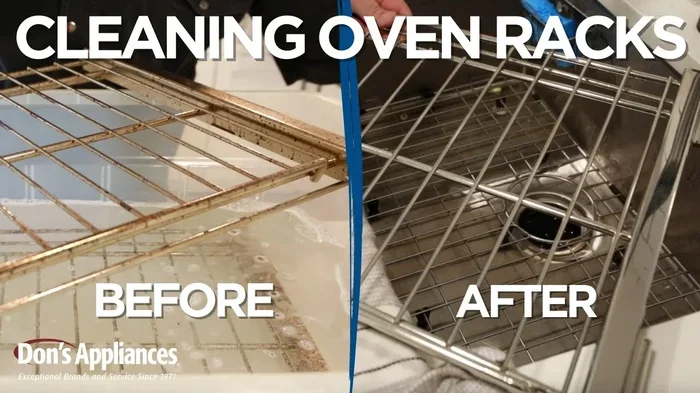
Learning how to clean chrome oven racks fast with baking soda is easier than you think. This guide covers everything from soaking techniques to scrubbing methods that actually work. You will save money, time, and effort by using simple household ingredients. Baking soda is a powerful yet gentle cleaner that tackles tough grease without scratching chrome. Follow these steps and your oven racks will look brand new again.
There is nothing worse than pulling out your oven racks and seeing layers of baked-on grease and grime staring back at you. Dirty oven racks make your whole kitchen look messy, and they can even affect how your food cooks. If you have chrome oven racks, you might worry about scratching or damaging the surface. The good news is that how to clean chrome oven racks does not have to be hard or expensive. Baking soda is one of the most effective and affordable cleaners you can use. In this guide, I will walk you through every step so your racks look brand new again.
Many people spend money on expensive commercial cleaners when simple kitchen ingredients work just as well. Baking soda is gentle on chrome but tough on grease. It is safe, non-toxic, and something you probably already have in your kitchen. Whether your racks are slightly dirty or covered in years of buildup, the methods below will help you get great results. You will learn the best techniques, what to avoid, and how to keep your racks clean for longer.
Key Takeaways
- Baking soda is the best cleaner: It removes baked-on grease and grime from chrome oven racks safely and affordably.
- Soaking is essential: Letting racks soak in a baking soda solution loosens tough grime before you even scrub.
- Avoid harsh chemicals: Chrome coatings can be damaged by abrasive cleaners and bleach-based products.
- Prevention saves time: Regular cleaning after each use keeps racks looking new and reduces deep cleaning sessions.
- DIY solutions work great: Vinegar, dish soap, and baking soda create a powerful cleaning combo without expensive products.
- Patience pays off: Stubborn stains respond better to longer soaking times and gentle scrubbing rather than force.
📑 Table of Contents
- Why Chrome Oven Racks Get Dirty So Fast
- What You Will Need to Clean Chrome Oven Racks
- How To Clean Chrome Oven Racks With Baking Soda
- Alternative Cleaning Methods for Chrome Oven Racks
- Tips to Keep Your Chrome Oven Racks Looking New
- Common Mistakes to Avoid When Cleaning Chrome Oven Racks
- Expert Tips for Stubborn Stains and Heavy Buildup
- Conclusion
Why Chrome Oven Racks Get Dirty So Fast
Chrome oven racks collect grease, food particles, and carbon buildup every time you cook. Over time, this creates a stubborn layer of grime that is hard to remove. Understanding why racks get dirty helps you clean them better and prevent future buildup.
The Science Behind Baked-On Grease
When grease heats up in your oven, it goes through a process called polymerization. This means the grease hardens and bonds to the metal surface. The higher the temperature, the harder the grease becomes. That is why splatters from last week’s cooking can feel almost impossible to remove. Chrome racks are especially prone to this because the smooth surface lets grease stick easily.
Common Culprits That Make Racks Dirty
Several cooking habits lead to dirty oven racks faster than others. Here are the most common causes:
- Greasy foods like pizza, bacon, and roasted meats that drip fat onto the racks.
- High-temperature cooking which bakes spills into a hard crust.
- Not using a baking sheet or foil to catch drips and spills.
- Infrequent cleaning which allows layers of grime to build up over time.
- Spills from sugary or starchy foods that caramelize and bond to the chrome surface.
What You Will Need to Clean Chrome Oven Racks
Before you start cleaning, gather everything you need. Having all your supplies ready makes the process faster and smoother. You do not need anything fancy or expensive.
Essential Cleaning Supplies
- Baking soda — your primary cleaning agent for grease removal.
- White vinegar — helps dissolve grime and boosts the cleaning power of baking soda.
- Dish soap — cuts through grease and lifts dirt from the chrome surface.
- Warm water — for soaking and rinsing the racks.
- A large basin or bathtub — big enough to hold the racks while they soak.
- A soft scrub brush or sponge — for gentle scrubbing without scratching chrome.
- Old towels or rags — for drying the racks after cleaning.
Optional but Helpful Tools
- A non-abrasive scrubbing pad for tough spots.
- Rubber gloves to keep your hands clean and protected.
- A spray bottle for applying cleaning solutions evenly.
- A garden hose or large sink for rinsing oversized racks.
How To Clean Chrome Oven Racks With Baking Soda
Baking soda is the star of this entire cleaning process. It is a mild abrasive that lifts dirt without scratching chrome. When mixed with water, it forms a paste that clings to grease and breaks it down. When combined with vinegar, it creates a fizzing reaction that loosens even the toughest grime. Here is exactly how to do it.
Step 1: Remove the Racks From Your Oven
First, make sure your oven is completely cool. Pull the racks out gently and set them on a protected surface like a towel or old blanket. This prevents scratching your floors or counters. If the racks are heavy, ask someone to help you carry them to your cleaning area.
Step 2: Soak the Racks in Hot Water and Dish Soap
Fill a bathtub, large sink, or basin with the hottest water you can comfortably handle. Add a generous amount of dish soap and stir until it creates suds. Place the racks into the water and make sure they are fully submerged. Let them soak for at least two to four hours. For heavily soiled racks, overnight soaking works best. This step softens the baked-on grease and makes the next steps much easier.
Step 3: Make a Baking Soda Paste
While the racks are soaking, prepare your cleaning paste. Mix about half a cup of baking soda with just enough warm water to form a thick, spreadable consistency. The paste should be thick enough to stick to the rack but not so runny that it drips off immediately. This paste is your main weapon against grease and grime.
Step 4: Scrub the Racks With the Paste
After soaking, remove the racks from the water and place them on a clean surface. Put on your rubber gloves. Apply the baking soda paste generously to all surfaces of each rack. Use a soft sponge or scrub brush to work the paste into the grime. Focus on the worst areas where grease has built up the most. Use circular motions and moderate pressure. The baking soda will gently lift dirt without damaging the chrome coating.
Step 5: Use Vinegar to Boost the Cleaning Power
Once you have scrubbed the racks with the baking soda paste, it is time to bring out the vinegar. Spray white vinegar over the paste-covered racks. You will see a fizzing reaction — this is perfectly normal and actually helps the cleaning process. The fizzing action lifts loosened grime from the chrome surface. Let the vinegar sit for about five to ten minutes before moving to the next step.
Step 6: Rinse Thoroughly
Rinse each rack thoroughly with clean warm water. Make sure to remove all traces of baking soda and vinegar. Any residue left behind can leave a white film on your chrome racks. Use a clean cloth or sponge to wipe down each rack as you rinse. Check for any remaining grime and repeat the scrubbing process on stubborn spots if needed.
Step 7: Dry the Racks Completely
Use clean, dry towels to dry each rack completely. Do not let racks air dry because water spots can form on chrome. Buff the racks with a soft cloth until they shine. Once dry, you can slide them back into your oven.
Alternative Cleaning Methods for Chrome Oven Racks
While baking soda is the best option, there are a few other methods you can try if you need a different approach. Each method has its own benefits, so choose the one that works best for your situation.
Method 1: The Baking Soda and Vinegar Soak
This is a variation of the main method that works well for moderately dirty racks. Fill your basin with hot water, add half a cup of baking soda, and pour in one cup of white vinegar. Let the racks soak for one to two hours. The chemical reaction between baking soda and vinegar helps break down grease faster than soaking alone. After soaking, scrub lightly and rinse well.
Method 2: Dish Soap and Ammonia Soak
For extremely grimy racks, a ammonia soak can work wonders. Place the racks in a large trash bag with a small bowl of ammonia. Seal the bag and let it sit for twelve to twenty-four hours. The ammonia fumes dissolve grease without you having to scrub as hard. After soaking, wash the racks with dish soap and water, then rinse and dry thoroughly. Always use ammonia in a well-ventilated area and never mix it with bleach.
Method 3: Dishwasher Cleaning
If your racks fit in your dishwasher, this can be an easy option. Place the racks on the top rack of your dishwasher and run a heavy wash cycle with hot water. Add a cup of baking soda to the detergent compartment for extra cleaning power. This method works best for racks that are not heavily caked with grease. For really dirty racks, you may still need to scrub afterward.
Method 4: Commercial Oven Rack Cleaners
Store-bought oven rack cleaners can be effective but come with some downsides. They often contain harsh chemicals that can irritate your skin and lungs. Some products can also strip the chrome coating over time. If you prefer commercial cleaners, look for ones that are specifically safe for chrome surfaces. Always follow the manufacturer instructions and wear gloves. However, for most people, the baking soda method works just as well without the harsh chemicals.
Comparison of Cleaning Methods
| Method | Effectiveness | Cost | Safe for Chrome | Effort Level |
|---|---|---|---|---|
| Baking Soda Paste | Excellent for most grime | Very low | Yes | Medium |
| Baking Soda and Vinegar Soak | Good for moderate dirt | Very low | Yes | Low |
| Ammonia Soak | Very good for heavy buildup | Low | Yes with care | Low |
| Dishwasher | Good for light grime | Low (uses water/electricity) | Yes | Very low |
| Commercial Cleaners | Excellent | Moderate to high | Check label | Low |
Tips to Keep Your Chrome Oven Racks Looking New
Cleaning is only half the battle. The best way to keep your chrome oven racks in great shape is to prevent buildup in the first place. A few simple habits can save you hours of deep cleaning in the future.
Clean After Every Use
Get into the habit of wiping down your oven racks after each use. While the oven is still warm (but turned off), use a damp cloth to wipe away any drips or spills. This prevents grease from hardening and bonding to the chrome. Even a quick wipe-down takes less than two minutes and makes a huge difference over time.
Use Foil or Baking Sheets as Barriers
Place a sheet of aluminum foil or a baking sheet on the rack below your food to catch drips. This simple step stops grease from reaching the racks in the first place. Just make sure the foil does not touch the heating elements, as this can be a fire hazard.
Line Your Oven with Parchment Paper
Parchment paper is a great alternative to foil for catching spills. It is safer and works well at temperatures up to 425 degrees Fahrenheit. Replace the parchment paper after each use for the best protection.
Deep Clean Monthly
Even with regular wiping, you should do a thorough cleaning of your oven racks at least once a month. This keeps buildup from becoming a major problem. Set a reminder on your phone or calendar to make it a routine part of your kitchen maintenance.
Avoid Harsh Scrubbing Tools
Never use steel wool, abrasive pads, or harsh scouring powders on chrome racks. These tools scratch the chrome finish and create tiny grooves where grease can accumulate even faster. Stick to soft sponges, microfiber cloths, and non-abrasive brushes for the best results.
Common Mistakes to Avoid When Cleaning Chrome Oven Racks
Knowing what not to do is just as important as knowing the right cleaning steps. Avoid these common mistakes to protect your chrome racks and get better cleaning results.
Using Abrasive Cleaners
Harsh chemical cleaners and abrasive scrubbing tools can permanently damage the chrome finish. Once the chrome is scratched, it becomes more vulnerable to rust and further staining. Always choose gentle cleaners like baking soda and avoid anything labeled “heavy-duty abrasive.”
Skipping the Soaking Step
Some people try to scrub dry racks without soaking them first. This approach requires much more elbow grease and often does not work well on baked-on grease. Soaking softens the grime and makes scrubbing far more effective. Never skip this step if you want the best results.
Using Too Much Water During Cleaning
While soaking is important, excessive water during the scrubbing and rinsing stages can leave moisture trapped in crevices. This can lead to rust over time. Always dry your racks thoroughly after cleaning, paying extra attention to joints and corners.
Ignoring Rust Spots
If you notice rust forming on your chrome racks, address it immediately. Small rust spots can spread quickly if left untreated. Light rust can often be removed with a paste of baking soda and water. For more serious rust, you may need to use a rust remover specifically designed for chrome surfaces.
Not Letting Racks Cool Before Cleaning
Never attempt to clean oven racks while they are still hot. Hot metal can burn your skin, and the sudden temperature change can warp the racks. Always let them cool completely before you start the cleaning process.
Expert Tips for Stubborn Stains and Heavy Buildup
Sometimes, despite your best efforts, you run into racks that just will not come clean. Here are some expert tips for handling the toughest situations.
Double Soak for Heavy Grime
For racks with years of buildup, one soak may not be enough. After the first soak and cleaning, put the racks back in fresh soapy water with baking soda and let them soak again for another few hours. The second soak loosens remaining grime that survived the first round.
Use a Soft Toothbrush for Tight Spots
Grime often hides in the gaps between rack bars and corners. A soft toothbrush is perfect for reaching these tight spaces. Dip the toothbrush in your baking soda paste and gently scrub the problem areas. The small bristles work where larger sponges cannot reach.
Try a Steam Clean Approach
If you have a handheld steam cleaner, it can be a game-changer for dirty oven racks. The heat and steam loosen baked-on grease without any chemicals. After steaming, apply your baking soda paste and scrub as usual. The combination of steam and paste works incredibly well.
When to Replace Your Racks
Sometimes, despite all your efforts, the racks are beyond saving. If you notice deep pitting, severe rust, or flaking chrome, it is time to replace them. New racks are relatively affordable and will make your oven look and perform much better. Measure your racks before purchasing replacements to ensure a proper fit.
Conclusion
How to clean chrome oven racks does not have to be a dreaded chore. With baking soda as your main cleaning tool, you can remove even the toughest baked-on grease without harsh chemicals or expensive products. The key is patience — let the racks soak, apply the paste generously, and scrub gently. By following the steps outlined in this guide, you will restore your oven racks to their original shine.
Remember that regular maintenance is the best way to keep your racks looking great. A quick wipe after each use and a monthly deep clean will prevent buildup from becoming a major problem. Your chrome oven racks are an investment in your kitchen, and with proper care, they will serve you well for years to come. Start with the baking soda method today and see the difference for yourself.
Frequently Asked Questions
Can I use baking soda on chrome oven racks without damaging them?
Yes, baking soda is safe for chrome surfaces when used properly. It is a gentle abrasive that cleans effectively without scratching. Always use a soft sponge or brush with the baking soda paste, and avoid using steel wool or abrasive pads that could damage the chrome finish.
How long should I soak my oven racks in the baking soda solution?
For best results, soak your racks for at least two to four hours in hot soapy water. If the racks have heavy buildup, overnight soaking works even better. The longer the soak, the easier it will be to scrub off the grime. Do not leave racks soaking for more than 24 hours, as prolonged exposure to water can cause rust on some metal types.
What is the best way to remove burnt-on grease from chrome racks?
The best approach is a combination of soaking, baking soda paste, and vinegar. Start by soaking the racks in hot soapy water for several hours. Then apply a thick baking soda paste to the greasy areas and scrub gently. Spray white vinegar over the paste to create a fizzing reaction that lifts the burnt-on grease. Rinse thoroughly and dry completely.
Is it safe to put chrome oven racks in the dishwasher?
Yes, chrome oven racks are generally dishwasher safe. However, the dishwasher may not remove heavy grease and baked-on food as effectively as hand cleaning. If you use the dishwasher, add baking soda to the detergent compartment for extra cleaning power. For heavily soiled racks, hand washing with baking soda still produces better results.
How often should I clean my chrome oven racks?
You should wipe down your racks after every use to prevent grease buildup. A thorough deep clean with baking soda should be done at least once a month, or more often if you cook frequently. Regular cleaning prevents grime from hardening and makes each cleaning session faster and easier.
Can I use vinegar alone to clean chrome oven racks?
Vinegar works well as a degreaser and can help loosen light grime on chrome racks. However, for best results, combine vinegar with baking soda. The baking soda provides the scrubbing action while the vinegar adds dissolving power. Using them together creates a chemical reaction that is more effective than either ingredient alone for tackling tough grease and stains.