How Long To Put Veggies In Oven For Perfect Results
Learning how long to put veggies in oven is the key to perfect roasting every time. Most vegetables need 20 to 45 minutes depending on type and size. Root veggies like potatoes take longer, while soft vegetables like zucchini cook quickly. The right oven temperature for veggies makes all the difference between crispy and mushy results. This guide covers times, temperatures, and tips for roasting vegetables perfectly.
There is something deeply satisfying about roasting vegetables in the oven. The smell fills your kitchen, the edges turn golden brown, and the textures become absolutely irresistible. Yet so many people struggle with how long to put veggies in oven and end up with either burnt or undercooked results.
The truth is, roasting vegetables is simpler than most people think. Once you understand a few basic principles, you will never burn a batch again. This guide breaks down everything you need to know about oven-baked vegetables, from timing and temperature to cutting techniques and seasoning tips.
Whether you are a beginner in the kitchen or someone looking to refine your vegetable roasting guide, you will find practical advice here. We cover every common vegetable type, share expert vegetables roasting tips, and help you avoid the mistakes that ruin a good batch. Let us get into it.
Key Takeaways
- General Roasting Time: Most vegetables roast in 20 to 45 minutes at 400°F to 425°F.
- Root Vegetables Take Longer: Potatoes, carrots, and beets need 30 to 45 minutes due to their density.
- Soft Vegetables Cook Fast: Zucchini, bell peppers, and tomatoes roast in 15 to 25 minutes.
- Temperature Matters: Higher heat (425°F+) creates crispy edges, while lower heat (375°F) cooks more evenly.
- Cut Size Affects Cook Time: Smaller pieces roast faster, so keep sizes uniform for even cooking.
- Don’t Crowd the Pan: Spreading vegetables in a single layer ensures proper browning and crispiness.
- Stir Halfway Through: Tossing veggies midway promotes even roasting and prevents burning.
📑 Table of Contents
Understanding Veggie Roasting Basics
Why Oven-Roasting Works So Well
Roasting vegetables in an oven uses dry, indirect heat. This method caramelizes the natural sugars in vegetables, creating deep flavors and appealing textures. Unlike boiling or steaming, roasting removes moisture from the surface. That moisture loss is exactly what gives you crispy edges and concentrated taste.
The vegetable cook time depends on three main factors. First, the type of vegetable matters a lot. Dense root vegetables need more time than soft, high-moisture veggies. Second, the size of your cuts plays a big role. Smaller pieces cook faster because heat reaches the center more quickly. Third, the oven temperature determines how fast the exterior browns before the interior is fully cooked.
Understanding these three factors helps you answer how long to put veggies in oven with confidence. You stop guessing and start predicting results. That shift changes everything about your cooking experience.
The Role of Temperature in Roasting Vegetables
Oven temperature for veggies typically falls between 375°F and 450°F. Each range serves a different purpose. Lower temperatures around 375°F cook vegetables more gently and evenly. This approach works well for delicate items that might dry out at higher heat.
Medium temperatures around 400°F to 425°F are the sweet spot for most roasted vegetables. This range balances browning with cooking time. You get crispy exteriors without burning the outside before the inside is tender.
High temperatures above 425°F are great for achieving ultra-crispy results. These temperatures work best for vegetables with lower water content. They also reduce overall veggies roasting time, which is perfect when you are in a hurry.
How Long To Put Veggies In Oven By Vegetable Type
The single most important factor in determining roasted vegetables time is the type of vegetable you are cooking. Different vegetables have different water content, density, and sugar levels. All of these affect how long they need in the oven.
Root Vegetables
Root vegetables roasting takes the longest among all categories. These vegetables are dense and packed with starch, which means they need more time to become tender. How long to roast vegetables in this category depends on the specific type and how you cut them.
Potatoes are a classic example. Cubed potatoes roast in about 30 to 40 minutes at 425°F. If you leave them in larger chunks, add 10 to 15 more minutes. Carrots take roughly 25 to 35 minutes when cut into sticks or rounds. Beets need 35 to 45 minutes and benefit from being wrapped in foil first to retain moisture.
Parsnips, turnips, and rutabaga fall into a similar time range. They all roast well between 35 and 45 minutes at 400°F to 425°F. The key to perfect roasted vegetables from this group is cutting them into uniform sizes. Uneven pieces mean some burn while others stay hard.
Cruciferous Vegetables
Broccoli, cauliflower, Brussels sprouts, and cabbage belong to the cruciferous family. These vegetables have a moderate density and roast in about 20 to 30 minutes. How long to put veggies in oven for broccoli florets is typically around 20 to 25 minutes at 425°F.
Brussels sprouts are a favorite for a reason. When halved and roasted at 425°F, they take about 25 to 30 minutes. The cut sides turn beautifully brown and crispy. Cauliflower works similarly and roasts in 20 to 30 minutes depending on floret size.
One great tip for oven roasted vegetables in this group is to soak Brussels sprouts in water before roasting. This removes any bitterness and helps them cook more evenly. A simple step that makes a noticeable difference.
Soft and High-Moisture Vegetables
Zucchini, bell peppers, tomatoes, and mushrooms fall into this category. These vegetables have high water content, which means they cook faster. Vegetables oven temperature for soft veggies can be slightly higher since they need less time overall.
Zucchini and summer squash roast in just 15 to 20 minutes at 425°F. Bell peppers take about 20 to 25 minutes, especially if you want them slightly charred. Tomatoes roast quickly too, needing only 15 to 20 minutes at 400°F to become sweet and concentrated.
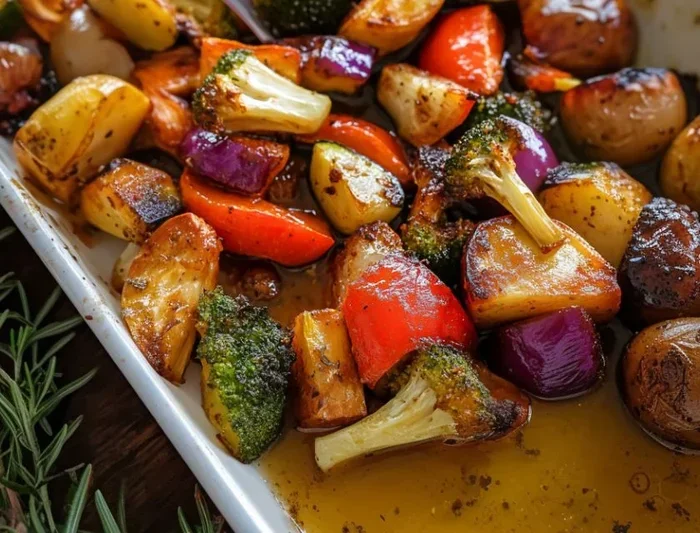
Mushrooms are unique because they release moisture during roasting. This means they start soft and become crispy as the water evaporates. Most mushrooms need 20 to 25 minutes at 425°F. The result is deeply flavorful crispy vegetables in oven that pair well with almost any dish.
Leafy Greens and Herbs
Leafy greens like kale, spinach, and Swiss chard are not traditional roasting candidates, but they can be roasted too. The trick is keeping the veggie roasting time very short. Kale chips, for example, roast in just 10 to 15 minutes at 300°F to 350°F.
Fresh herbs like rosemary and thyme can be roasted alongside vegetables. They crisp up quickly and infuse the other veggies with amazing flavor. Add herbs in the last 10 minutes of roasting to prevent them from burning completely.
Temperature Guide for Perfect Veggie Roasting
Temperature is the second most important variable after time. Getting the oven temperature for veggies right transforms your results from mediocre to restaurant-quality. Here is a closer look at the three temperature ranges and what they do best.
Low Temperature Roasting (350°F to 375°F)
Low-temperature roasting is ideal for vegetables that might dry out at higher heat. This method works beautifully for butternut squash, sweet potatoes, and parsnips. The longer, gentler cook allows the interior to become creamy while the exterior stays moist.
Cooking time for vegetables at low temperatures runs about 40 to 50 minutes. The trade-off is less browning on the surface. If you love crispy edges, low heat is not your best friend. But if you prefer tender, almost mashed textures inside, low roasting is excellent.
Medium Temperature Roasting (400°F to 425°F)
This is the most popular range for how to roast vegetables in oven. Most vegetables hit their sweet spot between 400°F and 425°F. You get a good balance of browning and cooking time. The exterior caramelizes nicely while the interior becomes tender.
At this temperature, root vegetables roast in 30 to 40 minutes, cruciferous vegetables in 20 to 30 minutes, and soft vegetables in 15 to 25 minutes. This range is forgiving and works well for mixed vegetable trays too. You can toss different vegetables on the same sheet pan and they will all come out well.
High Temperature Roasting (450°F and Above)
High-heat roasting creates the crispiest results. This method is perfect for vegetables with lower water content like cauliflower, Brussels sprouts, and root vegetables. The intense heat rapidly caramelizes the surface sugars, creating deep flavor and crunch.
The veggie roasting time drops significantly at high temperatures. Most vegetables roast 5 to 10 minutes faster than at 425°F. However, you need to watch them more closely. High heat can go from perfectly crispy to burnt in just a few minutes.
Tips for Perfectly Roasted Vegetables Every Time
Getting great roasted vegetables time right is only part of the equation. How you prepare the vegetables before they hit the oven matters just as much. These practical tips will elevate your oven roasted vegetables from good to outstanding.
Cutting and Sizing Matters
Uniform cuts are the single most impactful change you can make. When all your pieces are the same size, they cook at the same rate. No more biting into a burnt carrot edge while a raw center sits in the same pan.
Aim for pieces about one inch thick for most vegetables. Smaller pieces will cook faster and may dry out. Larger pieces take longer and might not cook through evenly. A simple knife rule to remember: if you can spear a piece with a fork and it goes in with slight resistance, the size is about right.
Also consider the shape of your cuts. Flat surfaces caramelize better than rounded ones. Cutting Brussels sprouts in half exposes more surface area to heat. Cubing potatoes creates more edges for browning. These small adjustments make a big difference in your final results.
The Power of Seasoning
Seasoning before roasting is essential for flavorful baking vegetables. Salt draws out moisture from the vegetables, which helps create crispier exteriors. Olive oil coats the surface and transfers heat evenly, promoting uniform browning.
Toss your vegetables in oil and seasonings right before they go in the oven. If you prep them too far in advance, the salt starts working and creates excess moisture. That extra moisture leads to steaming instead of roasting, which defeats the purpose.
Fresh herbs, garlic, and a squeeze of lemon after roasting add brightness. Spices like paprika, cumin, and smoked paprika pair wonderfully with oven-baked vegetables. Experiment with different combinations to find your signature flavor profile.
Don’t Crowd the Pan
This is the most common mistake people make with roasting vegetables. When vegetables overlap on a baking sheet, they steam instead of roast. The trapped moisture prevents browning and creates soggy results.
Give each piece space to breathe. A good rule of thumb is to spread vegetables in a single layer with no overlapping. If you have too many vegetables for one sheet pan, use two pans or roast in batches. The extra dishwashing is worth the dramatically better results.
Use a rimmed baking sheet lined with parchment paper or a silicone mat. This prevents sticking and makes cleanup effortless. Dark baking sheets absorb more heat and can cause faster browning, so keep an eye on vegetables when using them.
Common Mistakes to Avoid
Even experienced cooks make mistakes when learning how to bake vegetables in the oven. Understanding these common errors helps you avoid them and consistently achieve tender roasted vegetables with great texture.
Overcrowding the Baking Sheet
We touched on this above, but it deserves emphasis again. Overcrowding is the number one reason vegetables come out soggy instead of crispy. When pieces touch or overlap, moisture gets trapped. Instead of roasting, the vegetables essentially steam in their own juices.
If your pan is full, use a second one. If you do not have two pans, roast in two batches. The wait is worth it. Nobody wants to eat mushy vegetables when perfectly crispy ones are just a few extra minutes away.
Wrong Temperature Settings
Setting your oven too low leads to pale, undercooked vegetables. Setting it too high burns the outside before the inside cooks through. Both scenarios are frustrating and preventable.
Invest in an oven thermometer if you are unsure about your oven’s accuracy. Many ovens run hotter or cooler than their dial suggests. A simple $10 thermometer can transform your vegetable roasting guide results instantly.
Forgetting to Stir or Flip
Vegetables need a gentle toss or stir about halfway through the roasted vegetables time. This ensures all sides get equal exposure to the heat. Without stirring, the bottom side can burn while the top stays pale.
Set a timer for the halfway point. When it goes off, open the oven and use a spatula to flip or toss the vegetables. You will notice an immediate improvement in color and texture. This one simple habit separates good roasting from great roasting.
Quick Reference: Veggie Roasting Times and Temperatures
Having a quick reference guide makes how long to put veggies in oven much easier to remember. Use this table as a starting point and adjust based on your specific vegetables and preferences.
| Vegetable | Cut Size | Temperature | Roasting Time |
|---|---|---|---|
| Potatoes | 1-inch cubes | 425°F | 30 to 40 minutes |
| Carrots | 1/2-inch sticks | 425°F | 25 to 35 minutes |
| Broccoli | Florets | 425°F | 20 to 25 minutes |
| Brussels Sprouts | Halved | 425°F | 25 to 30 minutes |
| Zucchini | 1/2-inch rounds | 425°F | 15 to 20 minutes |
| Bell Peppers | Strips | 425°F | 20 to 25 minutes |
| Sweet Potatoes | 1-inch cubes | 400°F | 35 to 45 minutes |
| Mushrooms | Whole or halved | 425°F | 20 to 25 minutes |
| Tomatoes | Halved | 400°F | 15 to 20 minutes |
| Cauliflower | Florets | 425°F | 20 to 30 minutes |
These times are starting points. Your actual roasted vegetables time may vary based on oven accuracy, vegetable freshness, and personal texture preferences. Use these numbers as a guide and adjust as you learn what works best in your kitchen.
Conclusion
How long to put veggies in oven is a question with a flexible answer. The general range is 15 to 45 minutes depending on the vegetable type, cut size, and oven temperature. Root vegetables need the most time, while soft and high-moisture vegetables cook quickly.
The beauty of roasting vegetables is how forgiving the process is. Even if you are a few minutes off, the results are still delicious. Vegetables are hard to ruin completely in an oven. They might brown a little more or a little less, but they will still taste great.
Start with the guidelines in this article and adjust as you go. Pay attention to how your oven runs, how you like your vegetables textured, and what flavors you enjoy most. Over time, how to roast vegetables in oven becomes second nature. You will develop an instinct for the right time and temperature without even thinking about it.
The next time you prepare a vegetable roasting guide for yourself, remember these tips. Use uniform cuts, give the pan space, and roast at the right temperature. Your perfect roasted vegetables are just one oven cycle away.
Frequently Asked Questions
Can I roast different vegetables on the same sheet pan?
Yes, but group vegetables by similar roasting times. Put root vegetables and soft vegetables on separate pans if possible. If you must combine them, add the faster-cooking vegetables halfway through the roasted vegetables time so everything finishes together.
Do I need to peel vegetables before roasting them?
No, peeling is optional. Many vegetables like carrots, potatoes, and sweet potatoes have nutritious skins that add texture when roasted. Just wash them thoroughly and scrub off any dirt before cutting and roasting.
What is the best oil for roasting vegetables?
Olive oil is the most popular choice for oven roasted vegetables. It has a moderate smoke point and adds great flavor. Avocado oil works well for high-temperature roasting since it has a higher smoke point. Avoid butter for high-heat roasting as it burns easily.
How do I know when vegetables are done roasting?
Check for golden-brown edges and tender texture. Pierce the thickest piece with a fork. If it slides in easily with slight resistance, the vegetables are done. Crispy vegetables in oven should have visible browning on the exposed surfaces and feel firm but not hard when bitten.
Can I roast vegetables ahead of time and reheat them?
Absolutely. Roasted vegetables reheat well in the oven at 400°F for 5 to 10 minutes. Microwaving makes them soggy, so the oven is always the better choice for reheating. This makes oven-baked vegetables great for meal prep during the week.
Why are my roasted vegetables soggy instead of crispy?
The most common cause is overcrowding the pan. When vegetables touch, they steam instead of roast. Another cause is not drying the vegetables after washing. Pat them dry with a towel before tossing with oil. Also, make sure your oven is fully preheated before adding the vegetables for the best crispy vegetables in oven results.