How To Properly Cook Bacon In The Oven For Crispy Perfection
Cooking bacon in the oven is the easiest and most reliable way to achieve perfectly crispy bacon every time. This method allows you to cook large batches evenly while keeping your kitchen grease-free. Whether you prefer thick-cut or thin-sliced strips, oven-baked bacon delivers consistent results with almost no hands-on effort.
There is something deeply satisfying about waking up to the smell of perfectly cooked bacon. For years, people have fought with stovetop pans, splattering hot grease everywhere and praying that their strips cook evenly. But there is a better way. How to properly cook bacon in the oven is a question that has changed breakfast routines for home cooks everywhere. The answer is simple, reliable, and almost effortless.
Oven-baked bacon gives you crispy, evenly cooked strips without the mess and stress of stovetop cooking. You line a pan, lay out your bacon, pop it in the oven, and wait. That is it. No flipping, no splattering, no babysitting the stove. This method works beautifully whether you are cooking for one or feeding an entire family. Once you try oven-baked bacon, you will never go back to the stovetop method again.
The beauty of this approach lies in its consistency. Every strip gets the same heat exposure, which means no more half-cooked, half-burnt pieces. You get crispy perfection from edge to center, and the rendered fat collects neatly in the pan. Let us walk through everything you need to know to master this technique at home.
Key Takeaways
- Oven-baked bacon is the simplest method: It requires minimal effort and produces evenly cooked strips every time.
- The ideal temperature is 400°F: This setting renders fat quickly while keeping the meat tender and crispy.
- Parchment paper or foil makes cleanup a breeze: You will spend less time scrubbing and more time enjoying your breakfast.
- Cooking time ranges from 15 to 25 minutes: Check your bacon frequently to reach your preferred level of crispness.
- You can cook a full batch on one sheet pan: This makes oven bacon perfect for feeding a crowd.
- Leftover bacon stores well: Keep it in the fridge for up to five days or freeze for longer storage.
- Drain excess grease for the healthiest result: Paper towels or a wire rack help reduce grease content significantly.
📑 Table of Contents
- Why Oven-Baked Bacon Is The Best Method
- What You Will Need To Get Started
- Step-By-Step Guide To Cooking Bacon In The Oven
- Temperature And Timing: Finding The Perfect Balance
- Tips For The Crispiest Bacon Every Time
- How To Store And Use Leftover Bacon
- Frequently Asked Questions About Cooking Bacon In The Oven
- Final Thoughts On Oven-Baked Bacon
Why Oven-Baked Bacon Is The Best Method
You might be wondering why so many people are switching to the oven for their bacon recipe. The reasons are straightforward and compelling. First, oven cooking distributes heat evenly across every strip. This means no hot spots, no curling, and no uneven cooking. When you compare oven-baked bacon to stovetop methods, the difference in consistency is remarkable.
Another huge advantage is capacity. A standard sheet pan fits a dozen or more strips comfortably. Stovetop pans limit you to a few pieces at a time, which is fine for a single person but a nightmare when cooking for a group. If you have ever hosted a brunch, you know the struggle of keeping up with demand. Oven bacon solves that problem completely.
Less Mess, Less Stress
Stovetop bacon creates grease splatter that seems to reach every corner of your kitchen. The stove, the backsplash, your clothes, your hair, everywhere. With oven-baked bacon, the grease stays contained on the pan. You can even line the pan with foil or parchment paper for virtually zero cleanup. This alone is a game changer for many home cooks.
There is also the safety factor. Hot grease on a stovetop is a real burn risk, especially with children or pets nearby. The oven keeps all that heat contained and out of your immediate workspace. You can set a timer, walk away, and focus on preparing the rest of your breakfast. Cooking bacon in the oven is simply the safer and more relaxed choice.
What You Will Need To Get Started
One of the best things about oven-baked bacon is that you need very little equipment. You probably already have everything in your kitchen right now. Here is what you will want to gather before you start.
- A rimmed baking sheet: This is essential. The edges prevent grease from dripping into your oven and creating a mess.
- Parchment paper or aluminum foil: Both work great for lining the pan and making cleanup effortless.
- Your favorite bacon: Thick-cut, thin-cut, applewood-smoked, or any variety you prefer. All work well with this method.
- A pair of tongs: These make it easy to transfer the hot bacon to a paper towel-lined plate.
- A paper towel-lined plate or wire rack: This is where you will drain the cooked bacon to remove excess grease.
That is all you need. No special tools, no expensive gadgets. Just a baking sheet and your favorite bacon strips. Some people also like to use a wire cooling rack placed directly on the baking sheet. This allows air to circulate underneath the bacon, which can produce even crispier results. It is a small upgrade that makes a noticeable difference.
Step-By-Step Guide To Cooking Bacon In The Oven
Now that you are prepared, let us walk through the actual process. How to properly cook bacon in the oven is simpler than you might think. Follow these steps and you will have perfect bacon every time.
- Preheat your oven to 400°F. This is the sweet spot for bacon cooking temperature. It is hot enough to render fat quickly but not so hot that the bacon burns before the fat has a chance to melt out.
- Line your baking sheet. Use parchment paper or aluminum foil. This prevents the bacon from sticking and makes cleanup a snap.
- Lay out the bacon strips. Place them in a single layer without overlapping. Overlapping strips will steam instead of crisp, which defeats the purpose of oven cooking.
- Place the pan in the oven. Put it on the center rack for the most even heat distribution.
- Cook for 15 to 25 minutes. The exact time depends on your oven, the thickness of the bacon, and your personal preference for crispness.
- Check the bacon at the 15-minute mark. Every oven is different, so start checking early. You want to pull it out when it reaches your ideal level of crispness.
- Remove and drain. Use tongs to transfer the strips to a paper towel-lined plate or wire rack. Let the grease drip away for a minute or two.
That is the entire process. In less than half an hour, you have a pan full of perfectly cooked crispy bacon ready to enjoy. The simplicity of this method is what makes it so appealing. There is no need to stand over a hot pan, flipping strips every few minutes. Just set it and forget it until the timer goes off.
Understanding Bacon Doneness
Everyone has a different idea of what perfectly cooked bacon looks like. Some people prefer a chewy, slightly flexible strip, while others want it dark and shatteringly crisp. Here is a quick guide to help you find your perfect level of bacon doneness.
- Chewy (15-18 minutes at 400°F): The bacon will be slightly flexible and have a tender bite. It will still have some fat left in the center.
- Medium (18-22 minutes at 400°F): This is the most popular choice. The bacon is mostly crisp but still has a slight give when you bend it.
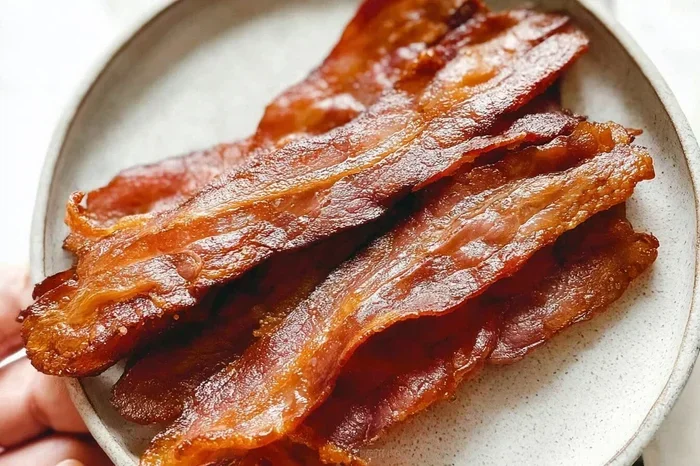
- Extra Crispy (22-25 minutes at 400°F): Deep golden brown and completely rigid. The fat has fully rendered out, leaving a satisfying crunch.
Remember that the bacon will continue to crisp up slightly as it cools on the paper towels. So if you are aiming for medium crispness, pull it out just a touch before you think it is done. This is one of the most important tips for oven-baked bacon success.
Temperature And Timing: Finding The Perfect Balance
The bacon cooking temperature is the single most important factor in getting great results. Too low, and the bacon will take forever and turn out flabby. Too high, and the edges will burn before the fat has fully rendered. 400°F is the gold standard for a reason, and here is why.
What Happens At Different Temperatures
Understanding how heat affects your bacon strips helps you troubleshoot when things do not go as planned. Here is a breakdown of common temperature ranges and what to expect.
| Temperature | Cooking Time | Result | Best For |
|---|---|---|---|
| 350°F | 25-30 minutes | Chewy, slightly under-rendered fat | Thin-cut bacon, chewy lovers |
| 400°F | 15-25 minutes | Evenly crispy, well-rendered fat | Most bacon types and preferences |
| 425°F | 12-18 minutes | Very crispy, slightly risk of burning | Thick-cut bacon, extra crunch |
| 375°F | 20-25 minutes | Balanced crispness and tenderness | Beginners, foolproof results |
As you can see, 400°F hits the sweet spot for most people. It renders the fat efficiently while keeping the cooking time manageable. If you are using thick-cut bacon, you might want to bump the temperature up to 425°F and extend the time slightly. The higher heat helps penetrate the thicker meat and render the fat completely.
The Low And Slow Approach
Some cooks prefer a lower temperature and longer cooking time. Cooking bacon at 325°F to 350°F for 25 to 30 minutes produces a very different texture. The fat renders out more gradually, resulting in a chewier, more bacon-like texture rather than a crispy chip. This method works well if you plan to chop the bacon and use it as a topping for salads, burgers, or baked potatoes.
The low and slow bacon approach also reduces the risk of burning. If you have ever walked away from the stove and come back to a pan of charcoal, you know the frustration. The oven method gives you a wider window of perfection, which is one reason so many people prefer it.
Tips For The Crispiest Bacon Every Time
You have the basics down, but these extra tips will take your crispy bacon from good to absolutely perfect. These are the small details that separate average bacon from outstanding bacon.
Start With Cold Bacon
Do not take the bacon out of the refrigerator and immediately start cooking. Cold bacon holds its shape better during the early stages of cooking, which means it crisps up more evenly. Room temperature bacon starts to soften and can stick to the pan, creating uneven patches of cooked and undercooked meat.
Use The Right Pan Size
Overcrowding is the enemy of crispy oven-baked bacon. If you cram too many strips onto one sheet pan, they will steam instead of crisp. Use a standard half-sheet pan (18×13 inches) and limit yourself to 12 strips maximum. If you need to cook more, use a second pan or work in batches. The extra five minutes of waiting is well worth the results.
Pat The Bacon Dry Before Cooking
This might sound strange, but blotting your bacon strips with a paper towel before placing them on the pan removes surface moisture. Less moisture means less steaming and more crisping. It is a tiny step that makes a surprisingly big difference in the final texture.
Rotate The Pan Halfway Through
Most home ovens have hot spots that can cause uneven cooking. About halfway through the bacon cooking time, rotate the pan 180 degrees. This ensures all the strips get equal exposure to heat and come out uniformly crispy.
Do Not Skip The Draining Step
Once the bacon comes out of the oven, place it on a paper towel-lined plate or a wire rack set over a sheet pan. This draws away excess grease and keeps the bacon crispy as it cools. If you leave the bacon sitting in its own rendered fat, it will become soggy and lose all that hard-earned crunch.
Save That Bacon Grease
Here is a bonus tip that will make you love oven-baked bacon even more. The rendered fat that collects in the pan is liquid gold. Strain it through a fine mesh sieve into a jar and store it in the refrigerator. Bacon grease is incredible for cooking eggs, roasting vegetables, making cornbread, or sautéing potatoes. It adds a rich, smoky flavor that no store-bought cooking oil can match.
How To Store And Use Leftover Bacon
Sometimes you cook a beautiful batch of crispy bacon and simply cannot eat it all in one sitting. The good news is that leftover bacon stores exceptionally well. Here is how to handle your extras so nothing goes to waste.
Refrigerating Bacon
Let the cooked bacon cool completely, then store it in an airtight container in the refrigerator. Properly stored oven-baked bacon stays fresh for up to five days. You can reheat it in the oven at 350°F for a few minutes or in the microwave for 15 to 20 seconds. The oven method keeps the texture closer to the original, while the microwave is faster but can make the bacon slightly softer.
Freezing Bacon For Longer Storage
If you want to keep your bacon for longer, freezing is the way to go. Lay the cooked strips in a single layer on a baking sheet, freeze them until solid, and then transfer them to a freezer bag. Frozen bacon strips keep well for up to three months. To reheat, pop them in the oven at 350°F for about five minutes, or microwave until heated through.
Creative Ways To Use Leftover Bacon
Leftover bacon is incredibly versatile and can elevate all kinds of dishes. Here are some ideas to use up your crispy bacon before it loses its freshness.
- Bacon bits for salads: Chop the cooled bacon into small pieces and sprinkle over green salads, pasta salads, or coleslaw.
- Burger topping: A strip of leftover bacon takes any homemade burger to the next level.
- Bacon mac and cheese: Stir chopped bacon into your favorite mac and cheese recipe for added crunch and flavor.
- Breakfast sandwiches: Layer cold bacon between English muffins with eggs and cheese for a quick grab-and-go meal.
- Bacon-wrapped dates: Wrap leftover strips around stuffed dates for an impressive appetizer.
The versatility of oven-baked bacon extends far beyond breakfast. Once you have a batch ready, you can use it throughout the week in countless recipes. It is one of the most convenient ingredients to have on hand.
Frequently Asked Questions About Cooking Bacon In The Oven
Can I Use Any Type Of Bacon For Oven Cooking?
Yes, virtually any type of bacon works well in the oven. Thin-cut bacon cooks faster and gets very crispy, while thick-cut bacon takes a bit longer but offers a meatier chew. Turkey bacon and Canadian bacon also work, though they may require slightly shorter cooking times. The beauty of oven-baked bacon is that it adapts to whatever variety you prefer.
Do I Need To Flip The Bacon When Cooking It In The Oven?
No, you do not need to flip the bacon at all. One of the greatest advantages of cooking bacon in the oven is that the heat surrounds every strip evenly. Unlike stovetop cooking where you need to flip regularly, the oven does all the work for you. Just check it at the halfway mark and pull it out when it reaches your desired crispness.
What Is The Best Way To Prevent Bacon From Sticking To The Pan?
The easiest way to prevent sticking is to line your baking sheet with parchment paper or aluminum foil before placing the bacon. These barriers create a non-stick surface that allows the bacon to cook freely and slide off effortlessly. Some cooks also lightly grease the pan with a thin layer of oil, but this is usually unnecessary when using parchment or foil.
How Do I Know When The Bacon Is Done?
Bacon doneness depends on your personal preference, but generally, the bacon is done when it is deep golden brown and the fat has turned translucent and bubbly. The strips should feel firm to the touch but still have a slight flexibility if you are aiming for medium crispness. Start checking at the 15-minute mark and pull it out as soon as it reaches your ideal color and texture.
Can I Cook Bacon On A Wire Rack Instead Of Directly On The Pan?
Absolutely, and many people prefer this method. Placing a wire rack on top of the baking sheet and laying the bacon on the rack allows the grease to drip away completely. This produces the crispiest possible texture because the bacon is not sitting in its own rendered fat. It is a small change that makes a noticeable difference in both texture and healthiness.
Is Oven-Baked Bacon Healthier Than Pan-Fried Bacon?
Yes, oven-baked bacon is generally considered healthier than pan-fried bacon. The oven method allows a significant amount of fat to drip away from the meat during cooking, resulting in a lower-fat final product. Additionally, you avoid the risk of overcooking or burning, which can create harmful compounds. Using a wire rack or draining the bacon on paper towels further reduces the grease content.
Final Thoughts On Oven-Baked Bacon
How to properly cook bacon in the oven is one of the simplest and most rewarding kitchen skills you can learn. It removes the guesswork, the mess, and the stress from your breakfast routine. Whether you are a seasoned home cook or a complete beginner, this method delivers consistent, delicious results every single time.
The key points are simple: use a 400°F oven, line your pan, lay the bacon in a single layer, and cook for 15 to 25 minutes. Check it regularly, drain it well, and enjoy every crispy bite. Once you make oven-baked bacon part of your routine, you will wonder how you ever managed without it.
So go ahead, fire up your oven, lay out those bacon strips, and let the magic happen. Your kitchen will smell incredible, your cleanup will be minimal, and your breakfast will be the best it has ever been. Crispy perfection is just one tray of bacon away.