How To Cook Turkey Leg In Oven For Crispy Perfection
This guide reveals the secrets to how to cook turkey leg in oven with golden, crispy skin and tender, juicy meat. You will learn the ideal temperature, timing, and simple tricks to elevate your roast. Perfect for Thanksgiving or any cozy dinner, this method guarantees delicious results every time.
There is something magical about a perfectly roasted turkey leg in the oven. The golden, crackling skin gives way to fall-off-the-bone tender meat. It is the kind of dish that makes the whole house smell amazing and brings everyone to the table. Whether you are preparing a Thanksgiving feast or a simple Sunday dinner, learning how to cook turkey leg in oven is a skill that will impress every time.
Many people think roasting a turkey leg is tricky. They worry about dry meat or soggy skin. The truth is, with the right temperature, a little patience, and a few simple tricks, you can achieve crispy perfection every single time. This guide walks you through everything from choosing the best leg to serving it. You will find easy steps, helpful tips, and answers to common questions. By the end, you will feel confident enough to make this dish your signature roast.
We will cover the entire process in plain, friendly language. No fancy chef terms here. Just clear instructions that anyone can follow. Let us dive in and discover the joy of oven-roasted turkey leg.
Key Takeaways
- Bone-in turkey legs roast best: The bone adds flavor and keeps the meat juicy during cooking.
- High heat creates crispy skin: Start at 425°F for 20 minutes, then reduce to 350°F for even cooking.
- Dry brining is a game-changer: Salt the turkey leg the night before to lock in moisture and season deeply.
- Always use a meat thermometer: The internal temp should reach 165°F in the thickest part for food safety.
- Resting matters: Let the turkey leg rest for 10–15 minutes before carving to keep juices inside.
- Leftovers are versatile: Shredded turkey leg works in sandwiches, soups, and casseroles for days.
📑 Table of Contents
- Why Oven-Roasted Turkey Leg Is a Crowd-Pleaser
- Picking the Best Turkey Leg
- How To Cook Turkey Leg In Oven: Temperature and Time
- Step-by-Step: How To Cook Turkey Leg In Oven From Start to Finish
- Secrets to Ultra-Crispy Skin
- Serving Ideas and Leftover Magic
- Common Mistakes to Avoid
- Expert Insights for Perfect Results
- Conclusion
Why Oven-Roasted Turkey Leg Is a Crowd-Pleaser
The Magic of Dry Heat
An oven uses dry heat to cook food evenly. This method is perfect for roasted turkey leg because it crisps the skin while gently cooking the meat inside. Unlike boiling or steaming, dry heat removes moisture from the surface. That moisture turns into steam, which helps the skin puff up and become beautifully crispy. The result is a contrast between crunchy exterior and juicy interior that is hard to beat.
Why This Cut Wins Every Time
Turkey legs are forgiving. They have more fat and connective tissue than breast meat, which means they stay moist even if you slightly overcook them. The bone adds extra flavor during roasting. Plus, a single turkey leg makes a dramatic, rustic presentation on any dinner table. It is a cut that feels special but is also budget-friendly. Many families reserve turkey legs for holiday meals because they feel like a true celebration dish.
Picking the Best Turkey Leg
Bone-In vs. Boneless
When you shop for turkey legs for oven, you will see both bone-in and boneless options. Bone-in legs are the better choice for roasting. The bone acts as an insulator, distributing heat slowly and keeping the meat juicy. It also adds rich flavor to the pan drippings you can use for gravy. Boneless legs can work, but they cook faster and dry out more easily. If you must use boneless, watch the internal temperature closely and pull it out early.
What to Look for at the Store
Choose a turkey leg that feels heavy for its size. The skin should be smooth and pale, with no tears. A fresh leg will have a mild, clean smell. If buying from a butcher, ask them to remove the excess fat cap if it is very thick, leaving just a thin layer for crispiness. For a classic holiday turkey leg, look for free-range or organic options. These birds often have better flavor and texture. You can also buy turkey drumsticks, which are the lower part of the leg and cook similarly.
How To Cook Turkey Leg In Oven: Temperature and Time
The Ideal Oven Temperature
The best approach is a two-stage roast. Start with a high temperature of 425°F for the first 20 minutes. This blast of heat kick-starts the browning and crisping process. Then, lower the oven to 350°F to cook the meat through gently. This method ensures crispy skin turkey leg without drying out the inside. If you prefer a slower, more hands-off approach, you can roast at 325°F the entire time, but you will need to increase the overall cooking duration.
Cooking Time Chart by Weight
Turkey leg cooking time depends on size. Use this simple chart as a guide. Always confirm doneness with a meat thermometer.
| Turkey Leg Weight | Time at 425°F (First Stage) | Time at 350°F (Second Stage) | Total Approximate Time |
|---|---|---|---|
| 1–1.5 lbs | 20 minutes | 50–60 minutes | 1 hour 10 minutes |
| 1.5–2.5 lbs | 20 minutes | 70–80 minutes | 1 hour 30 minutes |
| 2.5–4 lbs | 25 minutes | 90–110 minutes | 2 hours 15 minutes |
Internal Temperature Safety
The United States Department of Agriculture recommends cooking poultry to an internal temperature of 165°F. Insert a digital meat thermometer into the thickest part of the thigh, avoiding the bone. The bone can conduct heat and give a false reading. Once the temp hits 165°F, the turkey leg is safe to eat. For even juicier meat, you can pull it at 160°F and let carryover cooking bring it up to 165°F while it rests.
Step-by-Step: How To Cook Turkey Leg In Oven From Start to Finish
Prep and Seasoning
Start by taking the turkey leg out of the refrigerator 30 minutes before cooking. This lets it come to room temperature, which promotes even cooking. Pat the skin completely dry with paper towels. Dry skin is the secret to crispy roasted turkey leg. Next, rub the entire leg with a thin layer of olive oil or melted butter. This helps the seasonings stick and promotes browning.
Now it is time for the spice rub. A simple blend of salt, black pepper, garlic powder, and paprika works beautifully. For extra flavor, add a teaspoon of dried thyme or rosemary. Mix the spices together and sprinkle generously over the oiled skin. Gently massage the seasoning into the crevices around the joint. If you like a savory-sweet twist, add a light dusting of brown sugar mixed with smoked paprika.
The Roasting Process
Place a wire rack inside a roasting pan. Set the turkey leg on the rack, skin side up. The rack allows hot air to circulate all around the meat, which helps the skin cook evenly and become crispy. If you do not have a rack, you can nestle the leg on a bed of chopped onions and carrots. These vegetables will steam slightly and keep the base moist, but the skin will not get as crispy.
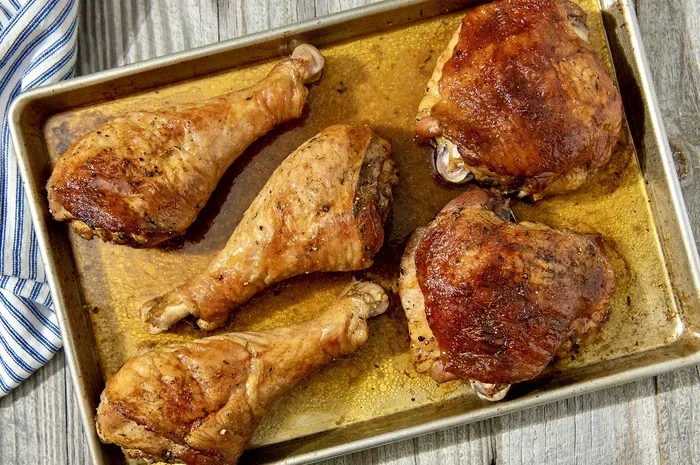
Put the pan in the preheated oven on the middle rack. Roast at 425°F for 20 minutes. This initial high-heat phase is crucial for oven-roasted turkey leg with shatteringly crisp skin. After 20 minutes, reduce the temperature to 350°F. Continue roasting according to the weight chart above. Baste the leg with pan juices every 30 minutes. Basting adds flavor and keeps the surface moist, which contributes to a beautiful golden color.
In the last 10 minutes, you can turn the oven to broil on low. Watch it carefully. This quick broil gives the skin an extra crunch without overcooking the meat. Remove the pan when the skin is deep amber and the internal temperature reaches 165°F.
Resting and Carving
Transfer the turkey leg to a cutting board and tent it loosely with aluminum foil. Let it rest for 10 to 15 minutes. Resting allows the juices to redistribute throughout the meat. If you carve too soon, the juices will run out and the meat will dry out. While it rests, you can spoon the pan drippings into a fat separator or small saucepan to make a quick gravy.
To carve, hold the leg steady with a fork. Slice along the bone to release the meat in large, juicy pieces. Serve the crispy skin pieces on top. You can also separate the drumstick and thigh if you prefer smaller portions.
Secrets to Ultra-Crispy Skin
The Power of Dry Brining
If you have time, dry brining is the single best thing you can do for crispy skin turkey leg. The night before cooking, place the turkey leg on a plate lined with paper towels. Sprinkle it generously with kosher salt, about 1 teaspoon per pound. Put it uncovered in the refrigerator overnight. The salt draws out moisture, which then gets reabsorbed into the meat along with the salt. This seasons the meat deeply and dries the skin even more, leading to maximum crispiness.
Butter and Herb Rub
For a rich, aromatic flavor, mix softened butter with minced garlic, chopped fresh herbs like sage and parsley, and a pinch of salt. Gently loosen the skin from the meat with your fingers, being careful not to tear it. Spread the herb butter directly under the skin and on top of the meat. This technique infuses the meat with buttery goodness and helps the skin puff up and crisp. It is a restaurant-quality trick that works beautifully for how to cook turkey leg in oven.
Quick Tips for Crispiness
- Pat the skin bone-dry before seasoning. Moisture is the enemy of crispiness.
- Do not cover the turkey leg with foil during roasting. Foil traps steam and makes the skin soft.
- Use a wire rack. It lifts the meat away from the pan and allows heat to reach the skin evenly.
- Brush with a thin layer of oil right before the high-heat blast. Oil helps conduct heat to the skin surface.
- Avoid opening the oven door too often. Each time you open it, the temperature drops and the skin steams instead of crisping.
Serving Ideas and Leftover Magic
Perfect Side Dishes
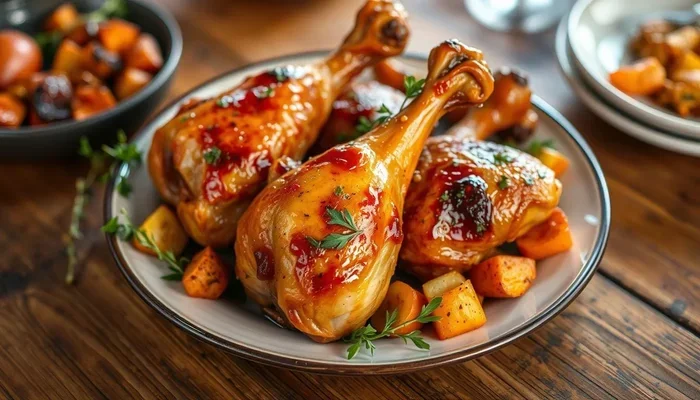
A roasted turkey leg pairs wonderfully with simple, hearty sides. Classic mashed potatoes and gravy are a natural match. Roasted root vegetables like carrots, parsnips, and Brussels sprouts add color and texture. A bright green salad with a tangy vinaigrette cuts through the richness of the meat. For a comforting meal, serve the turkey leg over creamy polenta or buttery egg noodles. The pan drippings make an instant sauce when whisked with a little chicken broth and a splash of white wine.
Repurposing Leftovers
Leftover turkey leg meat is incredibly versatile. Shred the meat and toss it into a warm tortilla with cheese, salsa, and avocado for a quick turkey leg taco. Add shredded turkey to a pot of soup with noodles and vegetables. You can also mix it into a hearty casserole with rice and cream of mushroom soup. The crispy skin bits make an amazing topping for salads or mixed into scrambled eggs. Nothing goes to waste with this cut.
Common Mistakes to Avoid
Skipping the Dry Brine or Drying Step
The number one reason turkey leg skin turns out chewy instead of crispy is wet skin. If you skip patting the skin dry or do not dry brine ahead of time, the moisture trapped under the skin will steam rather than roast. Take the extra 10 minutes to blot the skin thoroughly. Your effort will be rewarded with a crackling shell.
Overcooking the Meat
Turkey legs can handle a little extra time, but going too far dries them out. Rely on the meat thermometer, not the clock. The clock is just an estimate. Every oven is different. When the thermometer reads 165°F in the thickest part, pull the leg out immediately. The carryover heat will continue cooking the meat as it rests.
Not Letting It Rest
Cutting into the turkey leg the moment it comes out of the oven is a common mistake. The juices will flood the cutting board instead of staying in the meat. Give it a full 10–15 minutes under a loose foil tent. You will notice a big difference in juiciness and ease of carving.
Expert Insights for Perfect Results
Professional chefs share a few insider tips that elevate home cooking. First, always preheat your oven fully before putting the turkey leg in. A cold oven leads to uneven cooking and soggy skin. Second, if your oven runs hot, place an oven thermometer inside to check the true temperature. Many home ovens are off by 25°F or more, which can throw off your timing. Third, consider using a disposable aluminum roasting pan with a rack. Cleanup is a breeze, and the rack does its job perfectly. Finally, save the leftover bones. Simmer them with water, onion, and celery for a rich, homemade turkey stock. It freezes beautifully for future soups and stews.
Learning how to cook turkey leg in oven is easier than you think. With a little preparation and attention to temperature, you will serve a dish that looks impressive and tastes even better. The crispy skin, the juicy meat, and the wonderful aroma will make your kitchen the heart of the home. Whether it is a holiday centerpiece or a weeknight family dinner, this method never fails.
Conclusion
Roasting a turkey leg in the oven is one of the most satisfying things you can do in the kitchen. You now know how to choose the right leg, season it well, and use the perfect temperature and timing to achieve crispy perfection. The dry brine trick, the two-stage roasting method, and the importance of resting are all simple steps that make a huge difference. You can confidently serve this dish to guests or enjoy it with your family on a quiet evening. The best part is that leftovers taste just as good as the first day. So grab a turkey leg, preheat your oven, and get ready to create a memorable meal. How to cook turkey leg in oven will never feel like a chore again. It will become one of your favorite go-to recipes.
Frequently Asked Questions
How long does it take to cook a turkey leg in the oven?
Cooking time depends on the weight of the leg. A 1–1.5 lb leg takes about 1 hour 10 minutes total, while a 2.5–4 lb leg may need up to 2 hours 15 minutes. Always use a meat thermometer to confirm the internal temperature reaches 165°F.
What is the best temperature to cook turkey leg in the oven?
The recommended method is to start at 425°F for 20 minutes to crisp the skin, then reduce to 350°F for the remainder of cooking. This two-stage approach delivers the best balance of crispy skin and juicy meat.
Should I cover the turkey leg with foil while roasting?
No. Covering the turkey leg traps steam and prevents the skin from becoming crispy. Roast it uncovered on a wire rack for the best results. If the skin browns too quickly, you can loosely tent the leg with foil for the last 15 minutes only.
Can I cook a turkey leg from frozen?
It is safer and produces better results to thaw the turkey leg in the refrigerator overnight before cooking. Cooking from frozen increases the risk of uneven cooking and can lead to dry meat. If you must cook from frozen, add extra time and check the internal temperature carefully.
How do I know when the turkey leg is done?
The only reliable way is to use a digital meat thermometer. Insert it into the thickest part of the thigh, avoiding the bone. When the internal temperature reads 165°F, the turkey leg is done. The juices should also run clear when you pierce the thickest part.
What are good side dishes to serve with oven-roasted turkey leg?
Classic pairings include mashed potatoes, roasted root vegetables, green beans, and a fresh salad. The pan drippings make a wonderful gravy. For a lighter meal, serve the turkey leg with a grain salad or crusty bread to soak up the juices.