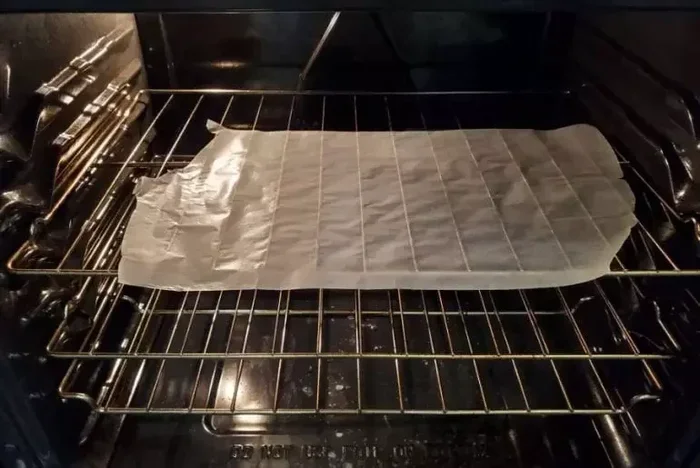
Can Reynolds Wax Paper Go In The Oven Without Melting
Reynolds wax paper has a wax coating that melts at low temperatures, so it is not truly oven-safe for baking. While it can handle brief, low-heat exposure, it will smoke and melt at temperatures above 200°F. The safest choice for oven use is parchment paper or silicone baking mats instead.
This is a comprehensive guide about Can Reynolds Wax Paper Go In The Oven.
Key Takeaways
- Wax paper melts in the oven: The wax coating on Reynolds wax paper melts at temperatures around 200°F, making it unsafe for direct oven use.
- Parchment paper is the better alternative: Silicone-coated parchment paper handles oven temperatures up to 450°F without melting or burning.
- Reynolds wax paper works great for cold and room-temperature tasks: Wrapping sandwiches, lining drawers, and covering countertops are perfect uses.
- Brief microwave use is okay: Reynolds wax paper can be used in the microwave for short periods to cover food and prevent splatters.
- Never let wax paper touch heating elements: Direct contact with oven walls or heating elements can cause smoking or even a fire hazard.
- Check the product label: Always read the Reynolds packaging for specific use instructions and temperature limits.
[FEATURED_IMAGE_PLACEHOLDER]
Can Reynolds Wax Paper Go In The Oven Without Melting?
If you have ever pulled out a roll of Reynolds wax paper and wondered whether it can handle the heat of your oven, you are not alone. Many home cooks reach for wax paper as a quick liner for baking sheets, only to discover a messy, melted disaster later. The short answer is no. Reynolds wax paper is not designed to go in a hot oven, and using it there can lead to melting, smoking, and even fire risks.
In this guide, we will walk through everything you need to know about Reynolds wax paper oven use. You will learn what wax paper is made of, what temperature it can handle, how it compares to parchment paper, and the best ways to use it in your kitchen. By the end, you will never have to guess again about whether your wax paper is oven-safe.
The confusion around wax paper vs parchment paper is very common. Both products look similar and serve overlapping roles in the kitchen. But their heat resistance is completely different. Understanding this difference will save you from ruined food, messy cleanup, and potential safety hazards in your kitchen.
What Is Reynolds Wax Paper Made Of?
Reynolds wax paper is a paper product that has been coated with a thin layer of food-grade wax. This wax gives the paper its non-stick properties and makes it moisture-resistant. The wax coating is what makes wax paper so useful for wrapping food, covering surfaces, and preventing sticking at room temperature.
However, that same wax coating is the reason wax paper cannot handle high heat. The wax begins to soften and melt when exposed to temperatures above 200°F. In a typical oven that bakes at 350°F or higher, wax paper will not survive for long. It will melt, smoke, and potentially ignite if it comes into contact with heating elements or hot oven walls.
Reynolds wax paper is made from virgin paper pulp that is coated on both sides with food-safe wax. The wax can be either paraffin or a soybean-based alternative. Both types share the same heat limitation. The paper itself can withstand some heat, but the wax coating is the weak point that fails in the oven.
The Wax Coating Explained
The wax used on Reynolds wax paper is a food-safe material. It is not toxic, but it is not heat-resistant. When the wax melts, it can transfer onto your food, your baking sheets, and your oven. This creates a mess that is hard to clean and can affect the taste and appearance of your baked goods.
The melting point of paraffin wax is around 115°F to 150°F. Soy-based waxes have a slightly higher melting range but still cannot handle oven temperatures. This means that even at a low oven setting, wax paper will begin to fail. The paper may look fine at first, but as the heat builds, the wax will liquefy and spread.
It is also worth noting that Reynolds wax paper is not treated with any silicone. Silicone is what gives parchment paper its heat resistance and non-stick properties. Without silicone, wax paper simply cannot compete with parchment paper in a hot oven.
Can You Put Reynolds Wax Paper In The Oven?
The direct answer to this question is no. Reynolds wax paper should not be placed in a hot oven. The wax coating will melt, and the paper may scorch or catch fire. This applies to all oven temperatures, including the lowest settings on most ovens.
Some people argue that wax paper can handle brief exposure to low heat. While it is true that wax paper will not instantly burst into flames at 200°F, it is still not a safe or reliable oven liner. The wax will melt and seep into your food or onto your baking pan. This creates a greasy mess and a potential fire hazard that is simply not worth the risk.
If you are looking for a paper liner that can go in the oven, you need parchment paper. Parchment paper is coated with silicone, which makes it oven-safe up to 450°F. It is the go-to choice for lining baking sheets, cake pans, and roasting pans. Many brands, including Reynolds, also make parchment paper products specifically designed for oven use.
What About the Broiler?
The broiler is even more dangerous for wax paper. Broilers produce direct, intense heat from above. This means that wax paper placed under a broiler will melt almost instantly. It can catch fire and cause serious damage to your oven and your kitchen. Never use Reynolds wax paper under a broiler.
Can Wax Paper Go In a Toaster Oven?
Toaster ovens operate at similar temperatures to regular ovens, and the same rules apply. Reynolds wax paper should not be used in a toaster oven. The small interior space of a toaster oven means that heat concentrates quickly, which makes melting and fire risks even higher. Always use parchment paper or a silicone baking mat in a toaster oven instead.
Wax Paper vs Parchment Paper: Key Differences
The confusion between wax paper and parchment paper is one of the most common kitchen mix-ups. Both products are paper-based and used for food preparation, but they are fundamentally different in their construction and heat resistance.
Understanding the difference between wax paper vs parchment paper is essential for safe cooking and baking. Let us break down the key differences so you can make the right choice every time.
Heat Resistance
This is the most important difference. Wax paper cannot handle oven heat, while parchment paper can. Wax paper is designed for cold and room-temperature uses only. Parchment paper is specifically made to withstand high oven temperatures without melting or burning.
Coating Material
Wax paper is coated with paraffin or soybean wax. Parchment paper is coated with silicone. Silicone is heat-resistant and non-stick at temperatures up to 450°F. Wax melts at a fraction of that temperature, making it unsuitable for any oven use.
Non-Stick Performance
Both papers offer non-stick properties, but parchment paper performs better in the oven. When wax paper melts, it can stick to food and baking pans. Parchment paper maintains its non-stick surface even at high temperatures, making it the superior choice for baking cookies, cakes, and pastries.
Moisture Resistance
Wax paper excels at moisture resistance. The wax coating prevents liquids from soaking through, which makes it great for wrapping food and covering surfaces. Parchment paper also resists moisture but is not as effective as wax paper for this specific use.
Cost and Availability
Both Reynolds wax paper and parchment paper are widely available and affordable. Wax paper is often slightly cheaper than parchment paper. However, the cost difference is minimal, and the safety benefits of using the right paper for the right job far outweigh any savings.
| Feature | Wax Paper | Parchment Paper |
|---|---|---|
| Oven Safe | No | Yes (up to 450°F) |
| Microwave Safe | Yes (short term) | Yes |
| Moisture Resistant | Excellent | Good |
| Non-Stick (Oven) | Poor when melted | Excellent |
| Melting Point | ~200°F | ~450°F |
| Best For | Wrapping, cold storage | Baking, roasting, oven use |
| Reynolds Product Line | Reynolds Wax Paper | Reynolds Parchment Paper |
Safe Temperature Limits For Wax Paper
So what exactly happens when Reynolds wax paper is exposed to heat? The wax coating begins to soften at around 100°F and melts fully at temperatures between 200°F and 250°F. At these temperatures, the wax will liquefy and soak into or onto whatever surface it touches.
Here is a quick breakdown of what happens at different temperature ranges:
- Below 100°F: Wax paper remains stable. This is the ideal range for cold food storage, wrapping, and countertop protection.
- 100°F to 200°F: The wax begins to soften. The paper may look fine, but the wax is starting to lose its structure. This is the danger zone for any accidental oven exposure.
- 200°F and above: The wax melts completely. Liquid wax will spread across surfaces and soak into food. The paper itself may begin to brown or scorch.
- Above 350°F: The paper can ignite. This is a serious fire hazard. Never expose wax paper to temperatures this high.
The safest approach is to never put Reynolds wax paper in any heated appliance. Even if the temperature seems low, the risk of melting and mess is not worth it. Always reach for parchment paper or a silicone baking mat when you need to line something for the oven.
Quick Tips for Temperature Safety
- Always check the temperature of your oven before placing any paper liner inside.
- Keep a thermometer in your oven to monitor actual temperatures.
- Never leave wax paper unattended in any heated environment.
- Store wax paper away from the stove, oven, and other heat sources.
- If wax paper accidentally ends up in the oven, turn off the heat immediately and let it cool before removing it.
Best Uses For Reynolds Wax Paper In The Kitchen
While Reynolds wax paper is not oven-safe, it is still one of the most versatile kitchen products you can own. There are many excellent uses for wax paper that do not involve heat. In fact, wax paper shines in cold and room-temperature applications where its moisture resistance and non-stick surface work perfectly.
Wrapping and Storing Food
One of the most popular uses for Reynolds wax paper is wrapping food for storage. You can use it to wrap sandwiches, cheese, cold cuts, and baked goods. The wax coating prevents moisture from escaping or entering, which keeps food fresh longer. Wax paper also prevents sticking when wrapping items like fudge, chocolate, or candy.
Lining Drawers and Shelves
Reynolds wax paper makes an excellent liner for kitchen drawers and pantry shelves. It protects surfaces from spills, moisture, and grime. Simply cut a piece to size and slide it in. When it gets dirty, just replace it with a fresh sheet. This is a quick and easy way to keep your kitchen organized and clean.
Countertop Protection
When you are working with messy ingredients like dough, chocolate, or sticky sauces, wax paper makes a great countertop protector. Lay down a sheet before you start prepping, and clean up is a breeze. The wax coating prevents food from sticking to the counter surface.
Rolling Out Dough
Placing wax paper on your counter before rolling out pie crust or cookie dough is a smart trick. The dough will not stick to the wax paper, and you can easily transfer it to the baking pan. This is especially helpful when you are working with sticky or delicate doughs.
Covering Bowls and Dishes
Wax paper can be used as a temporary cover for bowls and dishes. It works well for storing leftovers in the refrigerator or letting dough rise at room temperature. The wax coating creates a moisture barrier that helps keep food fresh.
Cutting Boards and Serving
Lay wax paper under food when you are slicing messy ingredients like watermelon or pineapple. It catches the juices and makes cleanup fast. You can also use wax paper as a serving liner for cheese platters and appetizer trays.
Common Mistakes People Make With Wax Paper
One of the most common mistakes is confusing wax paper with parchment paper. Many people assume that because both are paper products, they are interchangeable. They are not. Wax paper is for cold use only, while parchment paper is for oven use. Always double-check which product you are reaching for before you start cooking or baking.
Another mistake is using wax paper in a microwave for too long. While short microwave use is generally safe, prolonged heating can cause the wax to melt and the paper to scorch. Keep microwave sessions brief and always monitor the paper while it is in use.
Some people also try to reuse wax paper after it has been exposed to heat. This is not a good idea. Once wax paper has melted or scorched, it should be discarded. Using damaged wax paper can contaminate food and create a mess in your kitchen.
What Happens When Wax Paper Melts?
When Reynolds wax paper melts in the oven, several things happen at once. The wax coating liquefies and spreads across any surface it touches. It can soak into your food, coat your baking sheets, and coat the inside of your oven. The paper itself may brown, scorch, or even catch fire if the temperature is high enough.
Melted wax on food is not toxic, but it does not taste good. The texture and flavor of your baked goods will be affected. You may notice greasy spots, an off taste, or an unpleasant waxy mouthfeel. In most cases, you will need to throw away the affected food and start over.
Melted wax on baking sheets and pans can be difficult to clean. The wax bonds to metal surfaces and may require scrubbing with hot water and degreasing soap. In some cases, you may need to use a paste of baking soda and water to remove stubborn wax residue.
In the worst-case scenario, wax paper that is left in a hot oven can ignite. This is a fire hazard that can damage your oven, your kitchen, and your home. If wax paper ever catches fire in the oven, do not open the oven door. Turn off the heat and let the fire suffocate. If the fire does not go out, use a fire extinguisher and call emergency services.
The best way to avoid all of these problems is simple. Never put Reynolds wax paper in the oven. Keep it for cold and room-temperature uses only, and reach for parchment paper or silicone mats whenever you need to line something for the oven.
Expert Insights on Kitchen Paper Products
Professional bakers and chefs consistently recommend parchment paper over wax paper for any oven use. The silicone coating on parchment paper provides reliable non-stick performance at high temperatures. Many experts also recommend silicone baking mats as a reusable, eco-friendly alternative to both wax paper and parchment paper.
When it comes to Reynolds products, the company clearly distinguishes between its wax paper and parchment paper lines. Reynolds wax paper is labeled for cold and room-temperature use. Reynolds parchment paper is specifically designed and tested for oven use up to 450°F. Always check the product label and follow the manufacturer’s instructions for the best results and safest kitchen practices.
Expert bakers also emphasize the importance of proper storage for kitchen paper products. Keep wax paper in a cool, dry place away from heat sources. Store parchment paper in a similar location. Proper storage extends the life of both products and ensures they perform as expected when you need them.
Key Takeaways
- Reynolds wax paper is not oven-safe: The wax coating melts at temperatures above 200°F, making it unsuitable for any baking or roasting use.
- Parchment paper is the right choice for oven use: Silicone-coated parchment paper handles temperatures up to 450°F without melting or burning.
- Wax paper has many excellent cold-kitchen uses: Wrapping food, lining drawers, protecting countertops, and rolling out dough are all great applications.
- Never use wax paper under a broiler or in a toaster oven: The intense heat will cause immediate melting and potential fire hazards.
- Always read product labels: Reynolds clearly labels its wax paper and parchment paper products for their intended uses.
- Know the difference between wax paper and parchment paper: They are not interchangeable, and using the wrong one can ruin your food and your kitchen equipment.
- Safety first: If wax paper accidentally ends up in the oven, turn off the heat immediately and let it cool before attempting to remove it.
FAQs
Can Reynolds Wax Paper Be Used in a Microwave?
Yes, Reynolds wax paper can be used in the microwave for short periods. It works well as a cover for dishes to prevent splatters. However, you should not use it for long cooking times or at high power settings. The wax can soften or melt with prolonged microwave exposure, so always monitor the paper while it is in use.
What Temperature Does Reynolds Wax Paper Melt At?
Reynolds wax paper begins to soften at around 100°F and melts fully at temperatures between 200°F and 250°F. This is far below typical baking temperatures, which range from 300°F to 450°F. This is why wax paper is not safe for oven use and should only be used for cold and room-temperature tasks.
Is Wax Paper the Same as Parchment Paper?
No, wax paper and parchment paper are not the same. Wax paper is coated with food-grade wax, which makes it moisture-resistant but not heat-resistant. Parchment paper is coated with silicone, which makes it oven-safe and heat-resistant up to 450°F. They serve different purposes in the kitchen and should not be used interchangeably.
Can You Line a Baking Sheet With Reynolds Wax Paper?
You should not line a baking sheet with Reynolds wax paper if you plan to put it in the oven. The wax will melt onto your baking sheet and your food. If you need a liner for your baking sheet, use Reynolds parchment paper or a silicone baking mat instead. These products are designed to handle oven heat safely.
What Can I Use Instead of Wax Paper for Oven Baking?
The best alternatives for oven baking are parchment paper and silicone baking mats. Parchment paper is widely available, affordable, and handles temperatures up to 450°F. Silicone baking mats are reusable, eco-friendly, and provide excellent non-stick performance. Both are excellent replacements for wax paper in any oven application.
Is Melted Wax Paper Dangerous?
Melted wax paper is not toxic, but it is not safe to eat. The melted wax can affect the taste and texture of your food. In more serious cases, wax paper that has melted in the oven can create a fire hazard or release smoke that affects your kitchen. Always use the right paper product for the right job to keep your kitchen safe and your food tasting great.
Conclusion
So, can Reynolds wax paper go in the oven without melting? The answer is a clear no. Reynolds wax paper is a wonderful product for cold and room-temperature kitchen tasks, but it is not designed to handle oven heat. The wax coating melts at temperatures well below what you need for baking and roasting, which means it will create a mess and potentially a safety hazard if used in the oven.
The good news is that you have great alternatives. Reynolds parchment paper and silicone baking mats are both safe, reliable, and widely available. They handle oven temperatures with ease and deliver excellent non-stick performance every time. Making the switch from wax paper to parchment paper for oven use is one of the simplest and smartest changes you can make in your kitchen.
Remember the key differences between wax paper vs parchment paper. Keep wax paper for wrapping, lining, and cold storage. Save parchment paper for baking, roasting, and any task that involves heat. Your kitchen, your food, and your oven will all thank you.
Next time you reach for a roll of Reynolds wax paper, take a moment to think about what you are using it for. If the answer involves any kind of heat, put the wax paper back and grab the parchment paper instead. Your baking results will be better, your cleanup will be easier, and your kitchen will be safer. That is a win for everyone.
Frequently Asked Questions
What is Can Reynolds Wax Paper Go In The Oven?
Can Reynolds Wax Paper Go In The Oven is an important topic with many practical applications.