How To Heat Things Up In The Oven For Home Cooking
Learning how to heat things up in the oven is the foundation of great home cooking. This guide covers oven temperature settings, preheating methods, and practical tips for even heating. You will discover the best baking temperatures, rack positions, and common mistakes to avoid. Whether you are roasting, broiling, or baking, these simple steps will transform your results.
There is something deeply satisfying about pulling a perfectly baked dish out of the oven. The aroma fills the kitchen. The edges are golden. The inside is just right. But getting there starts with one simple thing: knowing how to heat things up in the oven correctly.
Many people think oven cooking is just about setting a dial and waiting. But the truth is, oven temperature, rack placement, and preheating habits all play a huge role in your final result. Whether you are a beginner in the kitchen or someone who cooks every day, this guide will help you get better outcomes every single time.
We will walk through everything you need to know. From understanding your oven settings to avoiding the mistakes that ruin dishes, you will find practical advice here. Let us dive in and make your next meal the best one yet.
Key Takeaways
- Always preheat your oven: Giving it 10 to 15 minutes ensures even heat distribution from the start.
- Know your oven settings: Convection, conventional, and broil modes each serve different cooking purposes.
- Use an oven thermometer: Built-in thermostats can be off by 25 degrees or more.
- Rack position matters: Placing dishes in the center of the oven promotes the most even heating.
- Avoid common mistakes: Overcrowding pans and opening the door too often cause uneven cooking.
- Invest in oven-safe cookware: The right materials distribute heat more effectively.
- Follow temperature guides: Different foods need different oven temperatures for the best results.
📑 Table of Contents
Understanding Your Oven Heat Settings
Before you can heat things up in the oven properly, you need to know what your oven can actually do. Most modern ovens come with several settings. Each one serves a different purpose. Understanding them is the first step toward better cooking.
What Each Setting Does
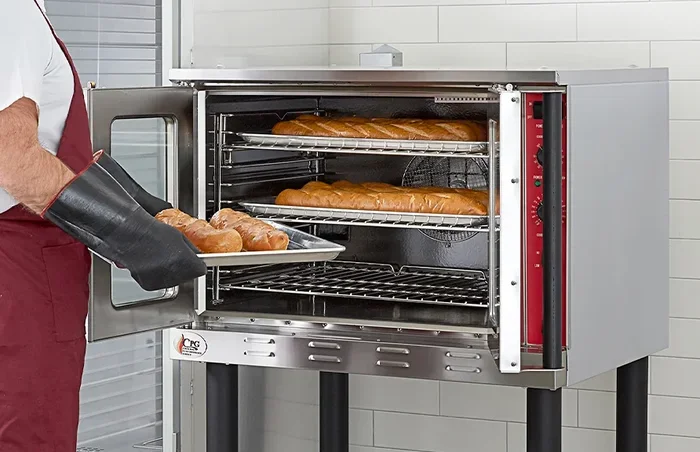
The most common oven settings include conventional heat, convection, and broil. Conventional heat uses the heating elements at the top and bottom. This is great for most everyday baking and roasting. Convection uses a fan to circulate hot air. This promotes even heating and reduces cooking times. Broil uses only the top element. It creates intense direct heat from above.
Some ovens also have a warm setting. This keeps food at a safe temperature without overcooking it. There may also be a pizza mode or a dehydration mode on newer models. Each setting changes how heat distribution works inside the oven.
Convection vs Conventional Heating
When you heat things up in the oven, the method matters. Conventional heating warms food from both top and bottom. It works well for cakes, cookies, and casseroles. Convection heating adds a fan that moves hot air around the food. This creates crispy edges and more uniform cooking.
Convection is excellent for roasting vegetables and meats. It also works well for baking tips that call for even browning. However, convection can dry out delicate dishes. So use it wisely. A good rule is to reduce the baking temperature by 25 degrees when using convection mode.
| Setting | Best For | Heat Source | Cooking Time |
|---|---|---|---|
| Conventional | Cakes, casseroles, cookies | Top and bottom elements | Standard |
| Convection | Roasting, browning, pastries | Fan + top/bottom elements | Reduced by 20% |
| Broil | Melting, browning top layer | Top element only | Short (5-10 min) |
| Warm | Keeping food warm | Low element | N/A |
How To Preheat Your Oven Properly
Preheating is one of the most overlooked steps in home cooking. Many people skip it or rush through it. But preheating your oven is essential for consistent results. When you place food into a cold oven, the cooking times become unpredictable. The food may cook unevenly or fail to rise properly.
Why Preheating Matters
When you heat things up in the oven before food goes in, the entire cavity reaches the target oven temperature. This means cooking begins immediately. Baked goods like bread and muffins rely on a hot start. The heat triggers chemical reactions that help them rise and set properly.
Roasting meats also benefits from a preheated oven. A hot environment sears the outside quickly. This locks in moisture and creates a flavorful crust. Skipping preheating can lead to dry, unevenly cooked food.
How Long Should Preheating Take
Most ovens need 10 to 15 minutes to reach the desired temperature. Older ovens may take longer. If you are using convection mode, preheating may be slightly faster because of the fan. The key is to wait until the oven signals it is ready.
Here are some quick preheating tips to keep in mind:
- Start preheating early. Do not wait until the food is ready.
- Use an oven thermometer. The built-in gauge may not be accurate.
- Keep the door closed. Opening it lets heat escape and adds time.
- Place racks in position first. This saves time once the oven is hot.
Best Oven Temperatures For Common Foods
Not all foods need the same amount of heat. Knowing the right baking temperatures for different dishes makes a big difference. Below is a guide to help you set the right oven temperature for everyday cooking.
Temperature Guide For Everyday Cooking
Different dishes require different levels of thermal energy. A cake needs gentle, steady heat. A roast needs high heat to develop a crust. Understanding these differences is key to heat distribution and flavor.
Here are common temperature ranges for popular foods:
- Cookies and pastries: 350°F to 375°F. This range creates crispy edges while keeping the inside soft.
- Cakes and cupcakes: 325°F to 350°F. Lower heat prevents cracking and promotes even rising.
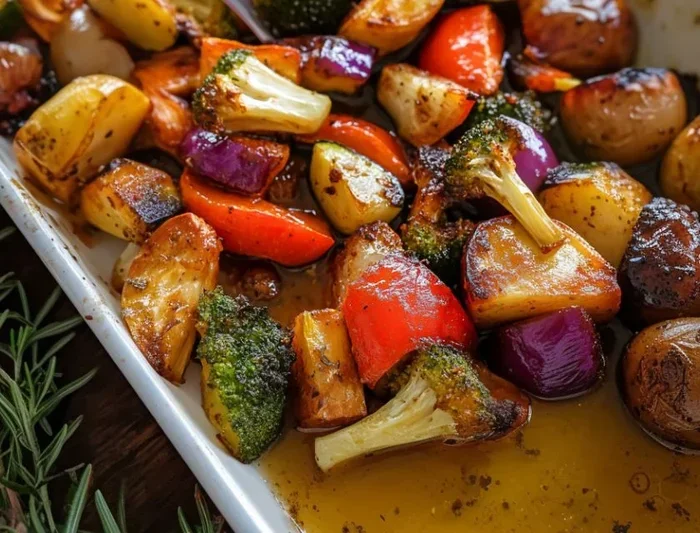
- Roasting vegetables: 400°F to 425°F. High heat caramelizes natural sugars for great flavor.
- Roasting meat: 375°F to 450°F. Higher temperatures sear the outside and keep juices inside.
- Broiling fish: 450°F to 500°F on broil. Quick, intense heat cooks delicate fish perfectly.
- Reheating leftovers: 325°F to 350°F. Gentle heat warms food without drying it out.
These are general baking tips that work for most home kitchens. Always check your specific recipe for exact cooking times and temperatures.
Tips For Even Heating Every Time
Getting even heating in your oven is not just luck. It comes down to a few simple practices. Once you build these habits, your cooking will improve noticeably.
Rack Position Matters
Where you place your dish inside the oven affects how it cooks. The center rack is usually the best spot. It allows hot air to flow around the food evenly. This promotes balanced heat distribution on all sides.
If you are broiling, place the dish on the top rack. For bottom browning, move it lower. Avoid placing dishes too close to the heating elements. This can cause burning on one side while the other stays undercooked.
Using Oven-Safe Cookware
The type of pan or dish you use matters. Oven-safe cookware is designed to handle high temperatures without warping or releasing harmful chemicals. Glass, ceramic, cast iron, and certain metals are all oven-safe materials.
Avoid using plastic handles or non-oven-safe lids. These can melt or release toxins. When in doubt, check the manufacturer’s guidelines. Using the right kitchen essentials protects both your food and your oven.
Here are some Quick Tips for better cookware choices:
- Dark pans absorb more heat and can cause over-browning. Reduce temperature by 25 degrees.
- Light-colored pans reflect heat and cook food more gently.
- Ceramic and glass retain heat well but may need extra cooking time.
- Cast iron distributes heat evenly and is great for roasting.
Rotate Your Dishes Halfway Through
Ovens often have hot spots. These are areas where heat is stronger. Rotating your dish halfway through cooking helps compensate. This simple step leads to more even heating and better food browning on all sides.
Common Mistakes That Ruin Your Cooking
Even experienced cooks make mistakes. The good news is, most of these errors are easy to fix. Knowing what to avoid will save you time, food, and frustration.
Opening The Door Too Often
Every time you open the oven door, you lose heat. This can drop the oven temperature by 25 degrees or more. For delicate dishes like soufflés and cakes, this temperature drop can be disastrous. Try to resist the urge to peek. Use the oven light to check on your food instead.
Overcrowding The Pan
When you heat things up in the oven, air needs to flow around the food. Overcrowding blocks this airflow. The result is steamed food instead of roasted or baked food. This leads to soggy textures and pale coloring.
Give each piece of food space. If you need to cook more, use multiple pans or cook in batches. This small change makes a huge difference in heat distribution and final texture.
Ignoring Your Oven Thermometer
Many people trust their oven’s built-in display without question. But these displays can be inaccurate. An oven thermometer is an inexpensive tool that takes the guesswork out of oven temperature. Place it inside the oven and compare it to the display. You may be surprised by the difference.
Correcting for an inaccurate thermostat is one of the easiest ways to improve your cooking. It is one of the most underrated kitchen essentials you can own.
Skipping The Rest Period
After food comes out of the oven, it continues to cook from residual heat. This is called carryover cooking. Meat, in particular, benefits from a rest period. Cutting too soon releases juices and dries out the dish. Let roasts rest for 10 to 15 minutes before slicing.
Quick Fixes When Your Oven Isn’t Heating Right
Sometimes things go wrong. The oven seems too hot, or it does not get hot enough. Before you call a repair technician, try these simple fixes.
Check Your Oven Thermometer
As mentioned earlier, the built-in thermostat may be off. Place an oven thermometer on the center rack. Run the oven to 350°F and compare readings. If there is a big difference, you may need to recalibrate. Many ovens have a calibration setting in the control panel.
Clean Your Heating Elements
Food spills and grease can build up on heating elements. This affects thermal conductivity and reduces heating efficiency. Clean the elements regularly with a damp cloth after the oven cools. Avoid using harsh chemicals that could damage the surface.
When To Call A Professional
If your oven consistently fails to reach the right thermal settings, it may be time for professional help. Faulty thermostats, broken elements, or damaged seals can all cause heating problems. A qualified technician can diagnose and fix these issues safely.
In the meantime, you can use an oven thermometer to monitor actual temperatures. This helps you adjust cooking times manually until the repair is complete.
Expert Insights On Oven Cooking
Professional chefs and cooking instructors agree on a few key principles. These insights can elevate your home cooking significantly.
Invest in an oven thermometer. This is the single most impactful upgrade you can make. It costs under ten dollars and removes a major source of inconsistency.
Learn your oven’s quirks. Every oven is different. Some run hot, some run cold. Some have stronger heat from the top. Spend time observing how your specific oven behaves. Note which areas cook faster and adjust accordingly.
Use the broil setting sparingly. Broiling is powerful and fast. It can burn food in seconds if you are not careful. Use it for finishing dishes, not for primary cooking unless the recipe specifically calls for it.
Let the oven do the work. Resist the temptation to increase heat to speed things up. Heat things up in the oven at the recommended baking temperature and trust the process. Patience leads to better food browning and more consistent results.
Key Takeaways
- Always preheat your oven: Give it 10 to 15 minutes to reach the target temperature before adding food.
- Understand your settings: Convection, conventional, and broil each serve different cooking needs.
- Use an oven thermometer: Built-in displays can be inaccurate by 25 degrees or more.
- Place dishes on the center rack: This promotes the most even heat distribution for consistent cooking.
- Avoid overcrowding pans: Allow air to circulate around food for proper crispy edges and browning.
- Rotate dishes halfway: This compensates for hot spots and promotes even heating throughout.
- Know your temperatures: Different foods need different oven temperatures for the best results.
Conclusion
How to heat things up in the oven is really about understanding the basics and building good habits. The oven temperature you choose, the way you preheat, and the position of your dish all matter. When you pay attention to these details, your cooking improves dramatically.
Start with the tips in this guide. Use an oven thermometer to check accuracy. Choose the right oven settings for each dish. Avoid the common mistakes that cause uneven cooking. Over time, these practices will become second nature.
The beauty of home cooking is that it gets better with practice. Every meal is a chance to refine your skills. So preheat that oven, set the right baking temperature, and enjoy the process. You will be amazed at how much better your food tastes when you heat things up in the oven the right way.
Your kitchen is your workspace. Make it work for you. With the right knowledge and a little patience, you can create restaurant-quality dishes from your own oven. Now go cook something amazing.
Frequently Asked Questions
What is the best temperature to preheat an oven to?
The best oven temperature for preheating depends on what you are cooking. Most baking recipes call for preheating to 350°F. Roasting meats often require 375°F to 450°F. Always check your recipe first and preheat for at least 10 to 15 minutes before placing food inside.
How long should I preheat my oven before baking?
Most ovens need 10 to 15 minutes to reach the target baking temperature. Older ovens or those with weaker heating elements may take up to 20 minutes. Using an oven thermometer helps you confirm the oven is truly ready before you add your food.
Can I use a glass dish in the oven?
Yes, but only if the dish is labeled oven-safe. Glass dishes like Pyrex can handle high temperatures, but they may need extra cooking times because glass heats up more slowly. Avoid placing cold glass dishes into a hot oven, as thermal shock can cause them to break.
Why is my food browning unevenly in the oven?
Uneven browning is often caused by hot spots, overcrowding, or incorrect rack position. Try rotating your dish halfway through cooking. Make sure air can flow freely around the food. Using an oven thermometer can also reveal if your oven is running too hot or too cold in certain areas.
What is the difference between baking and broiling in the oven?
Baking uses indirect heat from the top and bottom elements at moderate oven temperatures. It is ideal for cakes, bread, and casseroles. Broiling uses intense direct heat from the top element only. It works best for melting cheese, browning the top of dishes, or cooking thin cuts of meat quickly.
Do I need a separate oven thermometer?
Yes, an oven thermometer is one of the most useful kitchen essentials you can own. Built-in oven thermostats are often inaccurate. A separate thermometer costs very little and gives you precise readings. This small tool can dramatically improve your heat distribution and cooking consistency.