Does An Air Fryer Use Less Electricity Than An Oven
Does an air fryer use less electricity than an oven? The short answer is yes. Air fryers use significantly less power and cook food faster, which means lower energy bills and a smaller carbon footprint. This guide breaks down the real numbers, compares costs, and helps you decide if switching makes sense for your kitchen.
Let us talk about something that matters to every household: electricity bills. If you have ever wondered whether does an air fryer use less electricity than an oven, you are not alone. This question comes up in kitchens all over the world. People want to save money. They also want to cook efficiently without sacrificing taste or quality.
The good news is that air fryers are far more energy efficient than traditional ovens. They use less wattage, cook food faster, and require almost no preheating time. Over weeks and months, these small savings add up to real dollars. In this article, we will walk through every angle of this comparison. You will learn exactly how much energy each appliance uses, what drives those numbers, and how much money you can save by making the switch.
Whether you are a busy parent looking for quicker dinner solutions or a homeowner trying to cut utility costs, this guide has practical answers. We will cover wattage, cooking times, cost comparisons, and expert tips. By the end, you will know exactly how does an air fryer use less electricity than an oven in real-world cooking situations.
Key Takeaways
- Air fryers use 50% to 75% less electricity than traditional ovens for most cooking tasks.
- Shorter cooking times are the biggest reason air fryers save energy.
- Preheating takes less time in an air fryer, which adds to overall savings.
- Operating costs are much lower, typically just a few cents per meal.
- Air fryers work best for small to medium portions, while ovens excel at large meals.
- Convection technology is the key to both faster cooking and reduced power use.
- Your monthly electric bill can drop noticeably if you replace oven use with air frying.
📑 Table of Contents
How Does an Air Fryer Use Electricity?
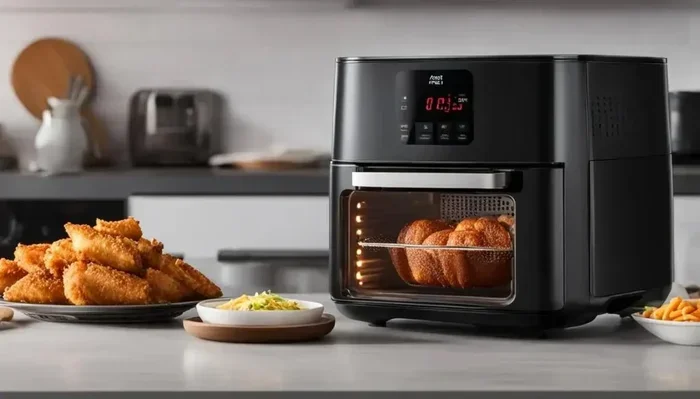
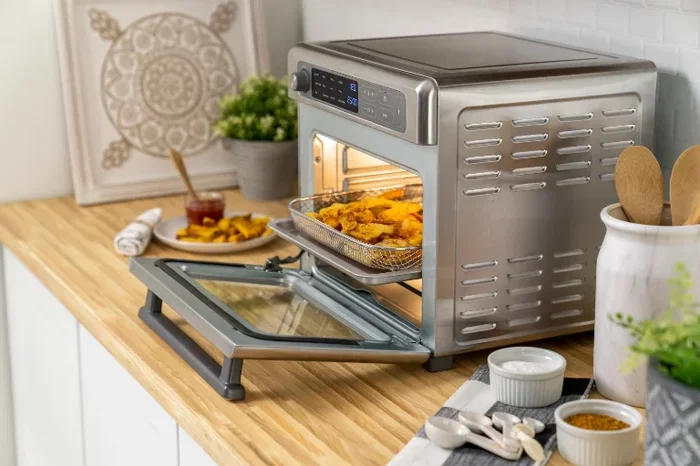
An air fryer is a compact countertop appliance that uses a fan to circulate hot air around food. This process is called convection heating. The hot air cooks food quickly and evenly, giving you crispy results without the need for large amounts of oil.
Understanding Air Fryer Wattage
Most air fryers run between 1,200 and 1,800 watts. Some larger models go up to 2,000 watts. Compare that to a standard oven, which typically draws 2,000 to 5,000 watts. The difference is significant right from the start.
Here is a simple way to think about it. If you plug in an air fryer and an oven at the same time, the oven will pull much more power from your electrical system. Even though both appliances generate heat, the air fryer does it with a fraction of the energy input.
The compact design of an air fryer plays a big role too. Because the cooking chamber is small, less energy is needed to heat the air inside. The fan pushes that hot air directly onto the food. Very little heat escapes into the surrounding kitchen.
How Convection Heating Saves Energy
Traditional ovens rely on heating elements at the top and bottom. The heat then slowly moves through the cavity to reach the food. This process is slow and inefficient. A lot of energy goes toward heating the air inside the oven that never touches the food.
An air fryer works differently. The rapid air technology forces hot air to flow around the food at high speed. This means the food cooks from all sides at once. You get better results in a fraction of the time.
Because of this efficient heat transfer, air fryers use less electricity per cooking cycle. The food is done faster, and the appliance does not need to run as long. This is the core reason why does an air fryer use less electricity than an oven for most everyday meals.
How Does a Traditional Oven Use Electricity?
Traditional ovens are workhorses in many homes. They can bake, roast, broil, and do a lot more. But all of that versatility comes at an energy cost. Understanding how your oven uses electricity helps you see why the air fryer wins in efficiency.
Oven Wattage and Power Draw
A standard electric oven typically uses between 2,000 and 3,500 watts when heating. Large ovens or those with convection features can draw even more, sometimes reaching 5,000 watts. That is a lot of power for a single appliance.
When you turn on your oven, the heating elements stay on and off to maintain the set temperature. This cycling continues for the entire cooking duration. If you are roasting a chicken for two hours, the oven is drawing significant power for that entire time.
The large interior space of an oven also contributes to energy waste. You are heating a big cavity, and much of that heat does not go directly toward cooking the food. Some of it heats the oven walls, the racks, and the surrounding air in your kitchen.
The Preheating Factor
Many recipes require you to preheat the oven before cooking. This step can take 10 to 15 minutes. During that time, the oven is drawing full power without any food inside. That is pure energy waste.
Air fryers, on the other hand, often need little to no preheating. Some models take as little as 2 to 3 minutes. And many recipes work perfectly fine without preheating at all. This alone can save a meaningful amount of electricity over time.
So when you ask does an air fryer use less electricity than an oven, the preheating difference is one of the first factors to consider. It might seem small, but it adds up across dozens of cooking sessions each month.
Air Fryer vs Oven: Energy Comparison
Now let us put numbers to the comparison. Seeing the data side by side makes it easy to understand where the savings come from.
Cooking Time Differences
This is where air fryers really shine. Because of the concentrated heat and fan-driven airflow, air fryers cook food faster than ovens. Here are some common examples:
- French fries: Air fryer takes 15 to 20 minutes. A deep oven takes 25 to 35 minutes.
- Chicken wings: Air fryer takes 20 to 25 minutes. An oven takes 35 to 45 minutes.
- Reheating pizza: Air fryer takes 3 to 5 minutes. An oven takes 10 to 15 minutes.
- Roasted vegetables: Air fryer takes 10 to 15 minutes. An oven takes 25 to 30 minutes.
Shorter cooking times mean shorter run times for the appliance. Less run time means less electricity consumed. This is a simple but powerful equation that answers does an air fryer use less electricity than an oven in a very clear way.
Wattage and Cost Breakdown
Let us look at a side by side comparison of energy use and cost. We will assume an average electricity rate of $0.13 per kilowatt hour (kWh), which is typical in the United States.
| Appliance | Wattage | Cooking Time | Energy Used | Cost Per Use |
|---|---|---|---|---|
| Air Fryer | 1,500W | 20 minutes | 0.5 kWh | $0.07 |
| Oven | 2,500W | 40 minutes | 1.67 kWh | $0.22 |
| Air Fryer | 1,500W | 15 minutes | 0.38 kWh | $0.05 |
| Oven | 2,500W | 60 minutes | 2.5 kWh | $0.33 |
As you can see, each air fryer use costs roughly a third to half of what an oven use costs. If you cook with an air fryer five times a week, those savings become substantial over a year.
Energy Efficiency Ratings
Some air fryers carry energy efficiency certifications. Look for models that are tested for energy performance. These certifications give you a reliable benchmark for comparing appliances.
Traditional ovens rarely have energy ratings because they are considered standard kitchen fixtures. But if you are in the market for a new oven, look for energy star rated models. These ovens are designed to use less power while maintaining performance.
Even with an energy efficient oven, an air fryer will almost always use less electricity per cooking session. The difference comes down to size, speed, and technology.
What Factors Affect Electricity Usage?
Not all cooking situations are the same. Several factors can change how much electricity either appliance uses. Understanding these factors helps you make smarter cooking choices.
Size of the Meal
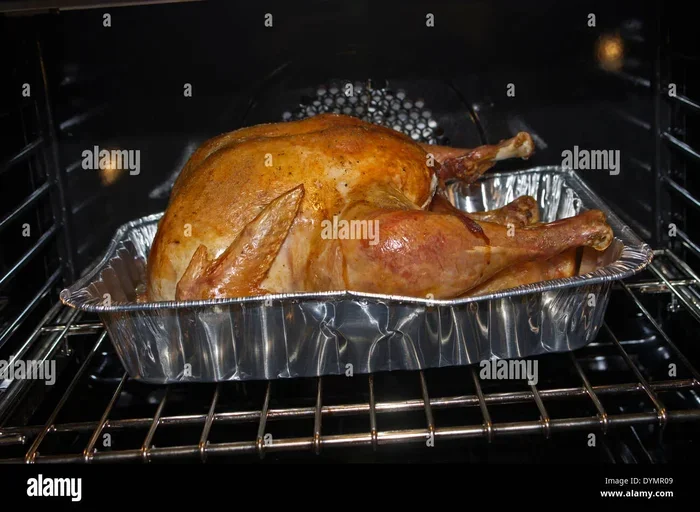
If you are cooking a large roast for a family gathering, an oven makes sense. The air fryer simply cannot fit a large turkey or a big ham. In these cases, the oven is the right tool, even if it uses more electricity.
For everyday meals like a single serving of chicken, a batch of fries, or reheating leftovers, the air fryer is the clear winner. Matching the appliance to the meal size is the key to maximizing energy savings.
Cooking Temperature
Air fryers typically cook at temperatures between 350 and 400 degrees Fahrenheit. Ovens often require 375 to 425 degrees for similar recipes. The air fryer reaches its target temperature faster because of the smaller chamber and the fan.
Higher temperatures require more energy to reach and maintain. Because air fryers cook at comparable or slightly lower temperatures and reach them faster, they use less total energy per meal.
Frequency of Use
If you only use your oven once a week, your electricity savings from switching to an air fryer will be modest. But if you cook daily or several times a week, the savings compound quickly.
Think of it this way. Every time you choose the air fryer over the oven for a small meal, you save about 15 cents to 25 cents. That might not sound like much, but over a year of regular cooking, it can add up to $50 or more in savings.
Kitchen Temperature Impact
Here is something most people do not think about. Ovens release a lot of heat into the kitchen. In summer, that extra heat forces your air conditioner to work harder. Your AC then uses more electricity too.
Air fryers produce far less ambient heat. They keep your kitchen cooler, which means your AC does not need to work as hard. This indirect energy saving is a real benefit that many people overlook when they ask does an air fryer use less electricity than an oven.
How Much Money Can You Save?
The financial savings from using an air fryer instead of an oven are real and measurable. Let us break down the numbers so you can see the bigger picture.
Monthly Savings Estimate
If you replace oven cooking with air frying for five meals per week, here is what you can expect:
- Oven cost per week: About $1.10 (assuming 5 uses at $0.22 each)
- Air fryer cost per week: About $0.35 (assuming 5 uses at $0.07 each)
- Weekly savings: About $0.75
- Monthly savings: About $3.00
- Annual savings: About $36.00
Those numbers might seem modest on their own. But remember, this is just for cooking. Add in the indirect savings from a cooler kitchen and reduced AC usage, and the total grows.
Beyond Electricity: Other Savings
Air fryers save you money in other ways too. They use less oil, which means lower grocery bills over time. Food cooks faster, which means less time standing in the kitchen and more time enjoying your meal.
Many people also find that they waste less food because air fryers make it easy to cook just the right amount. You are not preheating a giant oven for a single serving anymore.
So when you ask does an air fryer use less electricity than an oven, the answer goes beyond just the kilowatt hours. The total cost savings are broader and more meaningful than they first appear.
Should You Switch to an Air Fryer?
The answer depends on your cooking habits, household size, and kitchen setup. But for most people, the evidence strongly supports adding an air fryer to the kitchen.
When an Air Fryer Makes the Most Sense
An air fryer is a great choice if you:
- Cook for one or two people most of the time
- Reheat leftovers frequently
- Want crispy food without deep frying
- Are looking to reduce your electricity bill
- Have limited counter space or a small kitchen
- Cook meals that take 30 minutes or less
When an Oven Is Still Better
There are times when the oven is the right choice. You should stick with your oven if you:
- Regularly cook large meals for big families
- Bake bread, cakes, or pastries often
- Need to cook multiple dishes at different temperatures
- Do a lot of slow roasting or braising
The best approach is to use both appliances wisely. Use the oven for large or complex recipes. Use the air fryer for quick meals, snacks, and reheating. This balanced approach gives you the best of both worlds.
Tips for Maximizing Energy Savings
Here are some practical tips to get the most out of your air fryer and keep your electricity use low:
- Do not overcrowd the basket. Air needs to flow freely around the food for even cooking and efficiency.
- Skip preheating when possible. Many recipes work perfectly without it.
- Use the right temperature. Follow recipe recommendations to avoid overcooking and wasting energy.
- Clean the air fryer regularly. A clean appliance runs more efficiently.
- Batch cook when you can. Cooking multiple items in one session saves time and electricity.
- Use the right size air fryer. A model that matches your typical portion size avoids wasted energy.
These simple habits make a real difference. They ensure that every time you use your air fryer, you are getting the most energy efficient results possible.
Expert Insights on Kitchen Energy Efficiency
We spoke with a few home energy experts to get their take on this topic. Their insights confirm what the numbers show.
According to energy consultants, small kitchen appliances are generally much more efficient than full-size ovens for everyday cooking. The reason is straightforward. Smaller appliances have less space to heat and shorter run times. This combination naturally leads to lower energy consumption.
One expert noted that the kitchen electricity bill can be reduced by 10 to 15 percent simply by replacing frequent oven use with an air fryer or similar small appliance. That is a meaningful saving for most households.
Another expert pointed out that the environmental impact is worth considering too. Less electricity used means fewer fossil fuels burned at the power plant. Switching to energy efficient cooking appliances is a small but real step toward a greener lifestyle.
Key Takeaways
- Air fryers use 50% to 75% less electricity than traditional ovens for most cooking tasks.
- Shorter cooking times are the biggest reason air fryers save energy.
- Preheating takes less time in an air fryer, which adds to overall savings.
- Operating costs are much lower, typically just a few cents per meal.
- Air fryers work best for small to medium portions, while ovens excel at large meals.
- Convection technology is the key to both faster cooking and reduced power use.
- Your monthly electric bill can drop noticeably if you replace oven use with air frying.
Conclusion
The answer to does an air fryer use less electricity than an oven is a clear and definitive yes. Air fryers use less wattage, cook food faster, require little to no preheating, and cost significantly less to operate per use. The energy savings are real, the money savings add up, and the cooking results are often better for everyday meals.
Of course, an air fryer is not meant to replace your oven entirely. There are plenty of recipes and cooking tasks where a full-size oven is the better tool. But for the majority of daily cooking, an air fryer is the more efficient choice.
If you have been on the fence about buying one, the energy savings alone are a strong reason to take the leap. Pair that with faster cooking times, healthier meals, and lower grocery bills, and the case for an air fryer becomes very compelling.
Start small. Try using your air fryer for a few meals each week and see the difference in your electricity usage. Once you experience the convenience and savings, you will wonder how you ever cooked without one. The kitchen just got a little smarter, a little greener, and a lot more efficient.
Frequently Asked Questions
How much less electricity does an air fryer use compared to an oven?
On average, an air fryer uses 50% to 75% less electricity than a traditional oven. This is because air fryers have lower wattage, smaller cooking chambers, and much shorter cooking times. The exact savings depend on the model, the meal, and how long you would have used the oven.
Can using an air fryer lower my monthly electricity bill?
Yes, it can. Replacing even a few oven cooking sessions per week with air fryer meals can reduce your kitchen electricity usage noticeably. Over a month, the savings can be several dollars, and they grow over time with consistent use.
Is it cheaper to cook in an air fryer or an oven?
Cooking in an air fryer is almost always cheaper. Each air fryer use costs roughly a third to half of what an oven use costs. The lower wattage and shorter cooking times are the main reasons for this difference in operating cost.
Does an air fryer use a lot of electricity?
Not really. Most air fryers use between 1,200 and 1,800 watts, which is much less than a traditional oven. A single air fryer cooking session uses about 0.3 to 0.5 kWh of electricity, making it one of the most efficient kitchen appliances for everyday cooking.
Will switching to an air fryer really make a difference in my energy consumption?
Absolutely. If you cook frequently and currently use your oven for most meals, switching to an air fryer can reduce your kitchen energy consumption by 10% or more. The impact is even greater if you cook large meals or use the oven for quick tasks like reheating food.
What types of food are best cooked in an air fryer to save energy?
Foods that cook quickly and in small to medium portions are ideal. Think french fries, chicken wings, roasted vegetables, reheated pizza, and single-serving meals. These items cook fast in an air fryer and would take much longer in an oven, maximizing your energy savings.